The Newcomer Guide to Public Transit in Canada
Arriving in Canada as a newcomer can feel like stepping onto another planet, especially when it comes to figuring out the everyday logistics. One of the biggest hurdles, beyond finding a place to live or a job, is simply getting around. If you’re not planning to buy a car right away – and let’s be honest, for many, that’s a distant dream – public transit becomes your absolute lifeline. This guide is here to demystify Canada’s vast and varied public transit systems, offering you the insider tips and realistic advice you need to navigate your new cities with confidence, rather than confusion.
Why Public Transit is Your Lifeline in Canada
When you first land in Canada, the sheer volume of new information and expenses can be overwhelming. From securing your SIN to setting up a bank account, it feels like a never-ending checklist. Amidst all this, the thought of buying and maintaining a car often feels like an impossible luxury. This is where Canada's public transit steps in, offering not just a way to get from A to B, but a vital tool for integration, independence, and financial breathing room.
Beyond Just Getting Around: Cost Savings and Independence
Let's face it: Canada can be expensive, and initial settlement costs can really add up. The cost of owning a car here goes far beyond the purchase price. Think about the astronomical insurance premiums, especially for new drivers or those with foreign driving records, the price of gasoline that fluctuates constantly, the inevitable maintenance and repairs, and don’t even get me started on parking fees in urban centres. It’s a financial black hole for many newcomers.
Public transit provides a refreshing alternative that can significantly lighten your financial load. By relying on buses, subways, and commuter trains, you can save a considerable amount of money each month. This saved cash isn't just pocket change; it's funds that can be reallocated to other essential settlement expenses, perhaps a comfortable apartment, enrolling in an English or French language class, or even exploring the incredible natural beauty that Canada has to offer on a weekend trip. It's about making your budget stretch further and smarter.
Moreover, embracing public transit grants you a level of independence you might not expect. You won't be tethered to the complexities of car ownership – no more worrying about finding winter tires, navigating confusing one-way streets, or the constant stress of dodging parking tickets. Instead, you gain the freedom to explore your new city and its surroundings without the added burden of vehicle management. It allows you to focus on adapting to Canadian life, rather than wrestling with a car manual.
Navigating Urban Centres with Ease
One of the beautiful things about Canada's major cities is their commitment to public transportation. While services vary from place to place, cities like Toronto, Montreal, and Vancouver boast extensive networks designed to get you where you need to go. Trying to drive in these dense urban environments can be a nightmare, even for seasoned residents. Traffic congestion is a constant headache, and finding affordable, or even available, parking is often an exercise in futility and frustration.
Public transit frequently offers a quicker, less stressful route through city cores. Imagine bypassing bumper-to-bumper traffic, delving deep into the subway system, and emerging exactly where you want to be, often faster than if you had driven. This efficiency allows you to make the most of your time, whether you’re heading to work, attending a cultural event, or simply enjoying a new neighbourhood café. It's about reclaiming your time and sanity.
Beyond personal convenience, choosing public transit is also a nod to environmental responsibility. By opting for shared transportation, you're actively contributing to reducing carbon emissions and lessening traffic congestion. It’s a small but meaningful way to integrate into the Canadian ethos of environmental consciousness, playing your part in keeping your new home green and clean.
Understanding Canada's Diverse Transit Landscape
Before you even think about tapping your first fare card, it's crucial to understand that Canada doesn't operate under a single, unified national transit system. This can be a bit of a shock if you're coming from a country with centralized public services. Instead, Canada's public transit is a patchwork quilt, with each province and, often, each major city managing its own distinct network. This decentralization is both a charm and a challenge for newcomers.
Provincial and Municipal Autonomy
The first thing to wrap your head around is that public transportation here is primarily a municipal or regional responsibility, sometimes with provincial oversight or funding. This means that the rules, fare systems, and even the types of vehicles can change dramatically from one province or city to another. What works in Toronto might not apply in Montreal, and the system in Vancouver will have its own quirks entirely. This lack of uniformity is a common source of initial confusion for many who are just trying to find their way.
For instance, in Ontario, you have the Toronto Transit Commission (TTC) serving Toronto, alongside GO Transit for regional commuter services, and numerous other municipal transit systems in surrounding cities like Mississauga, Brampton, and York Region. In Quebec, Montreal is served by the Société de transport de Montréal (STM) for local metro and bus, while the regional commuter rail and bus system is managed by Exo. Out on the West Coast, Metro Vancouver operates under TransLink, a single entity overseeing buses, SkyTrains, and SeaBuses across multiple municipalities. Each has its own distinct branding, fare structure, and operational nuances.
The implication of this autonomy is that you’ll need to do a little homework specific to the city or region you're settling in. Don't assume that a payment method or type of pass you used efficiently in one Canadian city will automatically transfer to another. It’s a good idea to research the local transit authority as soon as you know your destination. This specific knowledge will save you headaches and potential overpayments when you're navigating those critical first weeks.
Major Transit Agencies Across the Country
Let's dive into some of the heavy hitters in Canadian public transit, as these are the systems you'll most likely encounter as a newcomer. Understanding these key players will give you a solid foundation, even if your specific city isn't listed.
In the Greater Toronto Area (GTA), you'll primarily interact with two major forces: the TTC and GO Transit. The TTC is your workhorse for getting around within the city of Toronto, encompassing its iconic subways, extensive bus routes, and the charming streetcars that crisscross the downtown core. GO Transit, on the other hand, handles regional commuter rail and bus services, connecting Toronto with its surrounding suburbs and cities like Hamilton, Burlington, and Oshawa. For example, if you live in Mississauga and work downtown in Toronto, you might take a local Mississauga transit bus to a GO train station, then the GO train into Union Station, and finally transfer to a TTC subway to reach your office.
Montreal offers a different, but equally robust, experience with the STM. Their system is renowned for its rubber-tired metro (subway), which is fast, clean, and quite aesthetically pleasing with unique art in many stations. The STM also operates a comprehensive bus network that blankets the island of Montreal. For those living outside the immediate city centre but still commuting into Montreal, Exo provides commuter rail and bus services connecting the wider Greater Montreal Area. The integration between STM and Exo can sometimes require specific passes, so pay attention to zone requirements if you venture further out.
On the Pacific coast, TransLink is the unified transit authority for Metro Vancouver. This streamlined approach means that whether you’re riding a bus, the SkyTrain (their automated rapid transit system), or even the SeaBus ferry between Vancouver and North Vancouver, you're dealing with a single agency and a consistent fare system. The SkyTrain, with its elevated tracks and scenic views, is a highlight, efficiently connecting downtown Vancouver to various suburbs, including Richmond and Surrey. Learning the zonal fare system that applies to SkyTrain and SeaBus is important for TransLink users.
Getting Connected: Fares, Passes, and Payment Methods
Once you've wrapped your head around the idea that transit systems are localized, the next logical step is figuring out how to actually pay for your ride. This is where electronic fare cards really shine, offering convenience and often better value than traditional cash payments. Getting familiar with the payment options in your new city is one of the quickest ways to feel like a local.
Electronic Fare Cards: Your Ticket to Ride
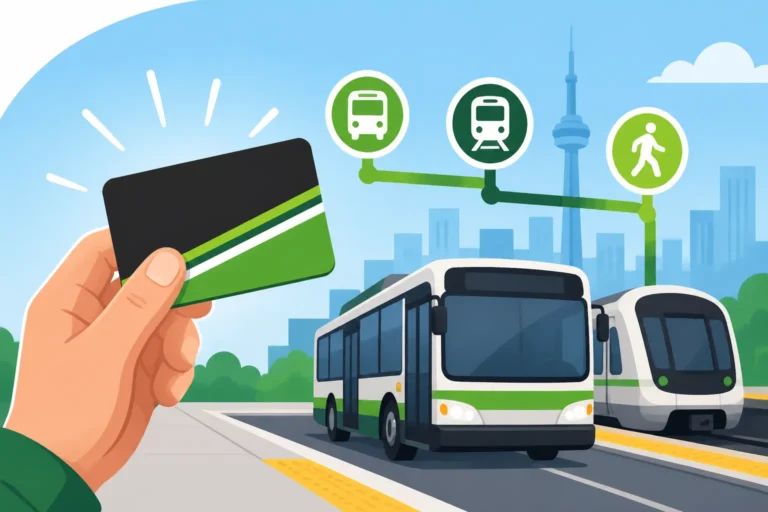
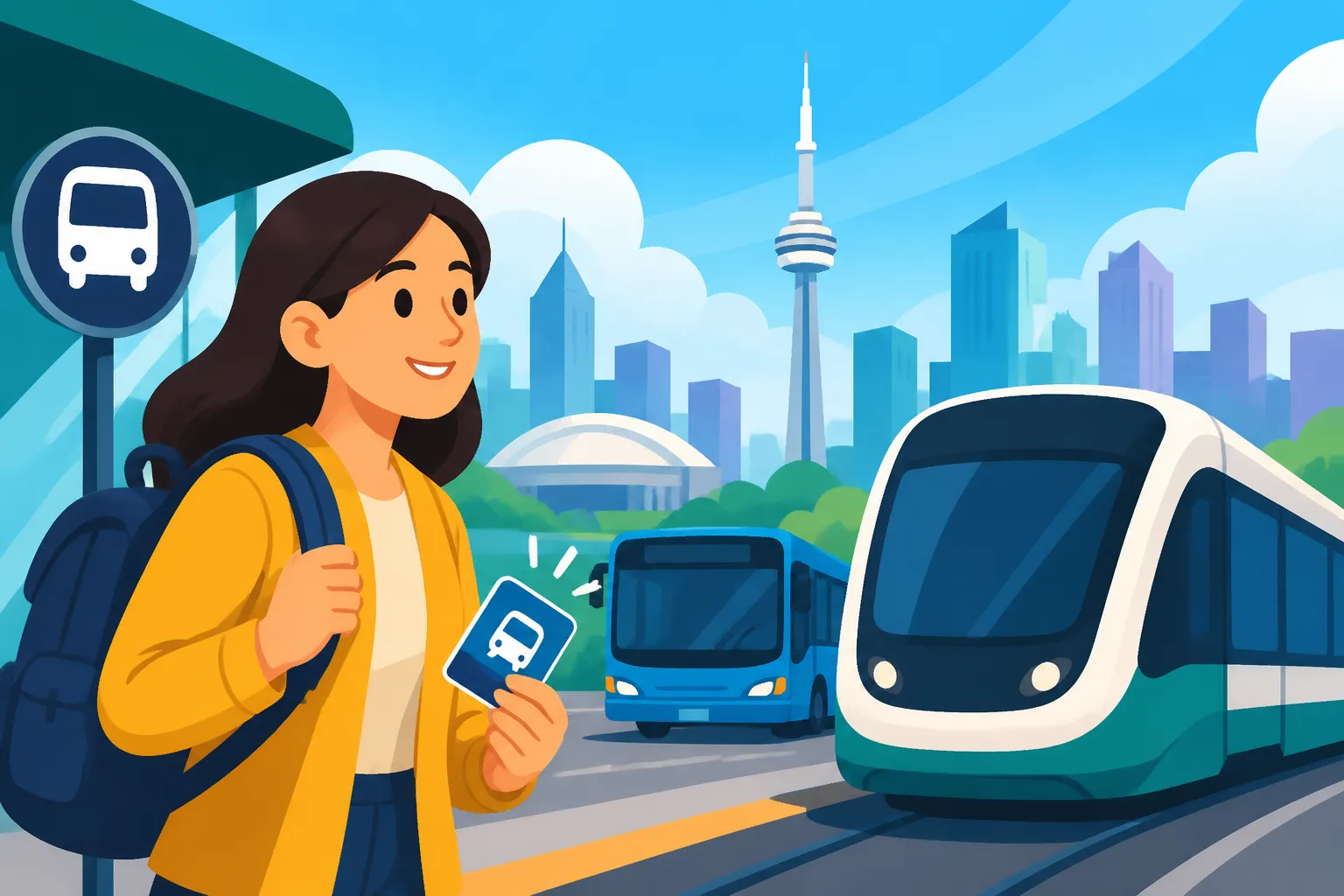
In most major Canadian cities, goodbye fumbling for exact change! The most efficient and often most economical way to pay for public transit is by using a reloadable smart card. Think of it as your passport to the city's public transport network. In Ontario, particularly across the Greater Toronto Area and beyond, you'll encounter the Presto card. Metro Vancouver residents use the Compass Card, while in the Greater Montreal Area, the OPUS card is your best friend. These cards aren't just for ease; they often provide a discounted fare compared to paying with cash for each individual ride. For detailed information on its usage in Ontario, consider checking out our guide on How to Use the Presto Card and Public Transit in Canada.
Acquiring these cards is typically straightforward. You can usually purchase them at designated customer service centres, vending machines located in major transit stations, or sometimes even at convenience stores and pharmacies. Once you have the physical card, you’ll need to load it with funds or a pass. This can be done at the same vending machines, online through the transit agency's website, or at participating retailers. For example, with a Presto card, you can easily top up your balance through the Presto app or website, and the funds are typically available for use within an hour or so, though sometimes it can take a bit longer for online loads to process.
The benefits of these electronic fare cards extend beyond just cost and convenience. The tap-and-go system makes boarding a bus or entering a subway station incredibly fast, eliminating queues and speeding up your commute. Many systems also allow you to register your card online, which is a fantastic safety net. If your registered card is lost or stolen, you can usually report it and transfer any remaining balance to a new card, saving you from losing your hard-earned cash. It's a small step that provides significant peace of mind as you settle into your new Canadian routine.
Single Fares, Day Passes, and Monthly Options
When it comes to paying for your ride, you typically have a few options, each suited to different usage patterns. Understanding these can help you manage your transportation budget effectively.
The most basic option is a single cash fare. While universally accepted, this is almost always the most expensive way to travel. Moreover, many bus systems, particularly in smaller cities, require exact change – drivers typically don't carry change, which can lead to awkward situations if you're not prepared. For example, if a fare is $3.25 and you only have a $5 bill, you'll pay $5 and receive no change. It’s best to avoid cash fares unless absolutely necessary.
For those planning to make multiple trips within a single day, or if you're exploring a new part of the city, a day pass can be a fantastic value. These passes allow for unlimited travel within a 24-hour period (or sometimes until the end of the service day) on the local transit network. They’re perfect for weekend excursions, sightseeing, or if you have several appointments scattered across the city. You simply buy the day pass, often available at vending machines or from drivers, and tap it each time you board.
However, for most newcomers who will be commuting regularly to work or school, the monthly pass is usually the most cost-effective solution. A monthly pass provides unlimited travel for an entire calendar month and is significantly cheaper per ride than buying individual fares or even day passes, assuming you use transit frequently. You usually load these onto your electronic fare card. Additionally, many transit systems offer discounted rates for specific groups, such as students, seniors, and sometimes even low-income residents. Eligibility for these discounts often requires proof of status (e.g., student ID, proof of age) and may involve a separate application process, so be sure to check with your local transit authority.
| City/Region | Main Transit Agency | Electronic Fare Card | Payment Methods Accepted (Examples) | Key Features for Newcomers |
|---|---|---|---|---|
| Greater Toronto Area | TTC, GO Transit | Presto | Presto card, debit/credit tap, cash | Integrated regional system, discounts for frequent travel, some PRESTO discounts on GO Transit |
| Metro Vancouver | TransLink | Compass Card | Compass card, debit/credit tap, cash | Zonal fares for SkyTrain, SeaBus; consistent pricing across modes |
| Greater Montreal Area | STM, Exo | OPUS Card | OPUS card, debit/credit tap, cash | Flat fare for bus/metro, distinct commuter rail system, multi-day passes available |
| Calgary | Calgary Transit | MyFare (app), debit/credit tap | Debit/credit tap, cash, MyFare app | Payment via app gaining popularity, paper tickets for transfers still common |
| Edmonton | Edmonton Transit Service | Arc Card (new) | Arc card, debit/credit tap, cash | Newer electronic system, integrated with regional partners for seamless travel |
| Halifax | Halifax Transit | HFXGO (app) | Cash, HFXGO app | Moving towards app-based payment, exact cash required for buses |
Navigating Different Modes of Transport
Canada’s public transit isn't a one-size-fits-all experience. Depending on the city, you'll encounter a variety of transportation modes, each with its own rhythm and role in the urban fabric. Understanding how to use buses, subways, and commuter trains effectively will dramatically improve your mobility and confidence as you settle in.
Buses: The Backbone of Local Travel
Buses are the unsung heroes of Canadian public transit. They are ubiquitous, reaching into virtually every neighbourhood, connecting residential areas to commercial hubs, schools, and major transit stations. For many newcomers, the bus will be your primary mode of transport, especially for local errands and shorter distances. Recognizing a bus stop is usually straightforward: look for a pole with a transit agency sign, often displaying route numbers and a schedule. When you see your bus approaching, it's polite and often necessary to give a clear signal (like a subtle wave) to the driver so they know you intend to board.
Once on board, you'll either tap your electronic fare card, your debit/credit card (in some cities), or deposit exact cash into the fare box at the front. Seating is generally first-come, first-served, but there are always designated priority seats near the front for seniors, people with disabilities, and pregnant individuals. It's good Canadian etiquette to offer these seats if you're able-bodied. When your stop is approaching, you'll need to signal the driver – typically by pulling a cord that runs along the windows or pressing a 'stop request' button. An audible chime and/or a "stop requested" sign will confirm your signal.
Accessibility is a strong focus for Canadian transit systems. Most modern buses are equipped with ramps or lifts to accommodate wheelchairs, strollers, and walkers, making public transit inclusive for all. While buses are incredibly convenient, they are also susceptible to traffic congestion, which can lead to delays during peak hours. However, the comprehensive reach of bus networks means they often connect you directly to places that subways or trains might not, providing crucial last-mile connectivity.
Subways, SkyTrains, and Metros: Rapid Transit in Big Cities
For rapid, efficient travel through the heart of Canada's largest metropolises, you'll rely on the subway, SkyTrain, or metro systems. These underground (or elevated) networks are the arteries of urban life, designed to bypass surface traffic and transport huge volumes of people quickly. Toronto boasts the extensive TTC subway system, a vital grid that connects the city's vast northern and eastern reaches with its bustling downtown. Montreal's STM Metro is famous for its unique rubber-tired trains and architecturally distinct stations, a marvel of engineering. Out west, Vancouver’s SkyTrain is a fully automated, driverless system that offers stunning views as it glides above the city streets.
Navigating these systems begins with understanding their route maps, which are prominently displayed in stations and on trains. You’ll need to identify your origin and destination stations, then determine the correct line and direction (e.g., "Line 1 Yonge-University towards Finch Station" or "Blue Line towards Snowdon"). Platforms are clearly marked, and digital displays often show the next train's arrival time. During peak hours, these systems can get incredibly busy, so be prepared for crowded cars.
Safety on rapid transit is paramount. Stations are typically well-lit and monitored by security cameras, and emergency call buttons are available on platforms and inside train cars. General etiquette includes standing clear of the doors, allowing passengers to exit before you board, and keeping your belongings close to you. While cell service can sometimes be spotty underground, most modern subway systems, like Toronto's TTC, now offer full connectivity throughout their network, allowing you to stay connected while commuting.
Commuter Rail and Streetcars: Extending Your Reach
Beyond the local bus and rapid transit systems, Canada's larger urban regions also feature commuter rail and, in a unique case, streetcar networks that serve distinct transportation needs. Commuter rail systems, such as GO Transit in the Greater Toronto Area (GTA) and Exo in the Greater Montreal Area, are designed for longer-distance travel, connecting the downtown cores with sprawling suburban communities and even other nearby cities. These trains operate on dedicated tracks and are ideal for residents who live outside the main urban centres but work or study downtown. They typically offer more comfortable seating, often with amenities like onboard washrooms and quiet zones, making the longer journey more bearable.
Fares for commuter rail systems are generally distance-based, meaning the cost of your ticket depends on how many zones or stations you travel through. This differs from the flat-fare systems often found on local buses and subways. You'll usually purchase tickets or tap your electronic fare card at a designated kiosk or platform validator before boarding. For example, using your Presto card on GO Transit requires you to tap on and tap off at both ends of your journey to ensure the correct fare is calculated. These systems are critical for regional connectivity, often relieving pressure on highways and reducing vehicle emissions.
Toronto stands out with its extensive streetcar network, a historic yet continually updated mode of transit that operates primarily along major east-west and north-south routes within the city's central and inner-city areas. Streetcars run on tracks embedded in the street, sharing road space with cars but benefiting from dedicated right-of-way sections in some areas, which helps with speed and reliability. Boarding a streetcar is similar to a bus; you enter through any door and tap your fare card on the reader inside. They're particularly effective for navigating Toronto's dense downtown grid, offering a unique urban experience and efficient service where subway lines may not reach. Understanding how streetcars integrate with the broader TTC network is key to mastering transit in Toronto.
Planning Your Journey: Tools and Apps
In today’s digital age, navigating an unfamiliar city's public transit system doesn't have to feel like deciphering an ancient map. Thanks to technology, a wealth of information is literally at your fingertips. Getting comfortable with these digital tools and understanding real-time information will transform your transit experience from a source of stress into a seamless part of your daily routine.
Essential Digital Tools for Navigators
The moment you step off the plane in Canada, or even before, ensuring you have access to mobile data is paramount for navigating public transit. This is where getting connected quickly can be a game-changer. For example, before you even set foot off the plane, consider setting up an eSIM with providers like Airalo. This way, you ensure you have immediate data access upon arrival. This small step means you can instantly download transit apps, access maps, and plan your first journey from the airport to your accommodation without scrambling for Wi-Fi or buying a local SIM card under pressure. Having reliable data allows you to hit the ground running, especially when trying to connect with a moving and ever-changing transit schedule. For more insights on staying connected, our guide on How to Set Up a Mobile Phone Plan in Canada can offer further assistance.
Once you’re connected, your smartphone becomes your ultimate transit companion. Google Maps is, without a doubt, the universal champion for transit planning across Canada. Simply input your destination, select the transit option, and Google Maps will provide you with various routes, including bus numbers, subway lines, transfer points, and estimated travel times. It also often shows real-time departure information, which is a lifesaver when you're waiting at a stop. Its user-friendly interface makes it an indispensable tool for newcomers, allowing you to visualize your journey step-by-step.
Beyond Google Maps, many Canadian cities have excellent, official transit apps or widely used third-party apps. For instance, the Transit App and Moovit are popular choices that aggregate information from multiple agencies, offering real-time tracking, service alerts, and step-by-step navigation for various cities. Major transit agencies like Toronto’s TTC and Vancouver’s TransLink also often have their own dedicated apps (e.g., TTCConnect, TransLink Trip Planner) that provide specialized features, such as fare loading, personalized alerts, and more detailed service updates. Downloading at least one general transit app and your local agency's app will give you a comprehensive suite of tools for confident navigation.
Understanding Schedules and Real-Time Information
Mastering public transit isn't just about knowing where the stops are; it's about knowing when your ride will arrive. Understanding how to access and interpret schedules and real-time information is crucial, especially when navigating Canada's dynamic weather conditions or unexpected delays.
Traditional schedules are available online and often posted at major stops and stations. These provide a baseline of when a bus or train is supposed to arrive. However, experienced transit users quickly learn that these are often best-case scenarios. It's essential to differentiate between weekday, weekend, and holiday service schedules, as frequencies can vary dramatically. Weekday rush hours (typically 6-9 AM and 3-6 PM) usually boast the highest frequency, while weekend and late-night services are much less frequent, requiring more careful planning.
The true magic for a transit rider lies in real-time tracking. Most modern transit apps and agency websites offer live updates on vehicle locations and estimated arrival times. This feature is an absolute lifesaver, particularly during a sudden snowstorm or when you're running late. Instead of standing outside guessing, you can see exactly when your bus or train is expected, allowing you to stay warm inside for a few extra minutes or plan a quick detour if there's a significant delay. Embrace these tools; they will save you countless minutes and frustrations.
Beyond real-time tracking, it's also vital to pay attention to service alerts and diversions. Transit agencies frequently post notices about planned detours (due to construction, events, etc.) or unexpected disruptions (accidents, mechanical issues). These alerts are usually broadcast through their apps, social media channels, and station announcements. By staying informed, you can adjust your route or leave earlier, minimizing the impact of unforeseen interruptions on your journey. It's all about being proactive and using the available information to your advantage.
Tips for Riding Public Transit Like a Local
Adjusting to public transit in a new country involves more than just understanding the routes and fares; it's also about adopting the local etiquette and being prepared for common scenarios. Learning to ride like a local will make your daily commute smoother, safer, and more pleasant.
Etiquette and Safety on Board
Riding public transit in Canada generally follows a set of unwritten rules of etiquette designed to ensure a respectful and efficient experience for everyone. One of the most important is offering your seat to those who need it more. This includes seniors, pregnant individuals, people with disabilities, or anyone struggling with heavy bags. Look for the designated priority seating areas, usually near the doors, and be mindful of who might benefit from your spot. Another crucial courtesy is to avoid blocking the doors, especially during rush hour. Stand clear to allow passengers to exit and enter efficiently, moving further inside the vehicle to make space.
When it comes to personal behaviour, try to keep noise levels to a minimum. Loud phone conversations, blasting music through headphones (even if you think you’re being discreet), or boisterous group discussions can be disruptive. Most Canadians appreciate a quiet journey, particularly during early morning commutes. Keep your bags off adjacent seats, especially when the vehicle is busy; place them on your lap, at your feet, or use the overhead racks if available. Eating strong-smelling food is generally frowned upon, though a quick snack is usually acceptable.
Safety is, of course, paramount. While public transit in Canada is generally very safe, it’s always wise to be aware of your surroundings, especially during off-peak hours or in less familiar areas. Keep your valuables secure and out of sight. Most buses, subways, and stations are equipped with emergency buttons or intercoms that connect you directly to transit staff in case of an incident. Don't hesitate to use them if you feel unsafe or witness something suspicious. If you experience an emergency, remember the universal emergency number: 911. For a broader understanding of how to react in such situations, our guide on Emergency Medical Care in Canada: What Every Newcomer Needs to Know can provide valuable insights.
Winter Wisdom: Conquering the Canadian Chill
One of the biggest realities of living in Canada, especially outside of Vancouver and parts of coastal British Columbia, is winter. And Canadian winters will affect your public transit experience. While transit agencies work tirelessly to keep things moving, snowstorms, freezing rain, and extreme cold can cause delays, service adjustments, or even temporary cancellations.
The first rule of winter transit is to check before you leave. Use your transit apps and social media feeds for real-time updates on service disruptions. A bus that normally runs every 10 minutes might be delayed by 20 or more during a heavy snowfall, so building in extra buffer time is not just a recommendation, it’s a necessity. Dress warmly, even if you’re only walking a short distance to the stop. Layers, a warm coat, hat, gloves, and waterproof boots are essential. There’s nothing worse than freezing while waiting for a delayed bus. For more advice on dealing with the cold, you might find our guide on Understanding How to Prepare Your Home for Winter in Canada helpful.
While buses are most susceptible to delays due to road conditions, even subway and train lines can experience issues with frozen switches or power outages. However, underground subway systems tend to be the most reliable during extreme weather, as they are insulated from the elements. If you have the option, prioritizing subway routes during a severe storm is often a smart move. Remember, everyone is in the same boat during winter, so patience and a little extra preparedness go a long way in making your transit experience bearable.
Integrating Public Transit with Your Canadian Life
As a newcomer, public transit won't just be a means to an end; it will become an integral part of your new Canadian lifestyle. From navigating your daily commitments to exploring the rich tapestry of your new city, understanding its place in your life is key.
Commuting, Errands, and Exploration
For most newcomers, public transit quickly becomes the backbone of daily life. It’s how you’ll get to your new job or school, often saving you the significant costs and headaches associated with car ownership in Canada's often expensive urban environments. For many, the daily commute on a bus or train offers a precious moment of quiet reflection, a chance to catch up on reading, listen to a podcast, or simply observe the city waking up around you. This routine will become familiar and, for many, a welcome part of their day.
Beyond the daily grind, public transit is your passport to running essential errands. Heading to the grocery store, attending appointments at the doctor's office or immigration services, or visiting local community centres all become manageable and accessible. You'll quickly learn which bus routes serve your favourite shops or which subway stops are closest to your essential services. It integrates you into the practicalities of your new home without needing to rely on taxis or ride-shares for every outing.
But transit isn't just about necessity; it's about discovery. Using public transport allows you to truly explore your new city and its diverse neighbourhoods. Take a streetcar to a different part of town for brunch, hop on a subway to visit a museum or art gallery, or catch a regional train to explore a nearby town or natural park on a weekend. These journeys become part of your adaptation and enjoyment of Canada, transforming simple rides into opportunities for adventure and cultural immersion. Don't underestimate the joy of simply getting on a bus and seeing where it takes you on a quiet afternoon.
Choosing Where to Live Based on Transit Access
One of the most crucial considerations for newcomers, especially given the high cost of living in many Canadian cities, is finding affordable and suitable housing. Public transit access plays a monumental role in this decision. When you're searching for your new home, the proximity to a bus stop, subway station, or commuter rail line should be near the top of your checklist. Our guide on The Complete Guide to Renting an Apartment in Canada stresses this point, and for good reason. Living close to efficient transit can dramatically impact your quality of life, your budget, and your overall sense of connection to the city.
Properties located within easy walking distance of major transit hubs – particularly subway stations – command a premium. This is a simple economic reality: convenience comes at a price. However, the trade-off is often worth it, as you save money on car-related expenses and gain invaluable time by reducing your commute. For example, in Toronto, living near a TTC subway station can mean the difference between a 30-minute stress-free commute and an hour-plus ordeal involving multiple bus transfers and traffic jams.
When planning your move to Canada, considering how you'll get around once you're on the ground should be a top priority. While services like Sirelo can assist with the logistics of your international move, helping you compare quotes and manage the daunting task of relocating your belongings, the immediate question of local transportation upon arrival is often overlooked. As you unpack your boxes, having already scoped out your nearest bus stop or subway entrance, and understanding how that will connect you to your job, school, or community, provides a foundational layer of comfort and practicality. This forward-thinking approach to integrating public transit into your housing decision is vital for long-term satisfaction. Ultimately, choosing a home with good transit access is one of the smartest financial and lifestyle decisions you can make as a newcomer in Canada, as further explored in our guide on The Best Places to Live in Canada for Newcomers: A Complete Guide (2027).
Common Challenges and How to Overcome Them
No public transit system in the world is perfect, and Canada's is no exception. As a newcomer, you’re bound to encounter a few bumps along the road – from frustrating delays to navigating language differences. Understanding these common challenges and equipping yourself with strategies to overcome them will ensure your transit experience remains as smooth as possible.
Delays, Crowds, and Unexpected Interruptions
Let's be realistic: public transit can, at times, test your patience. Delays happen. They can be caused by anything from adverse weather conditions (a heavy snowfall or an ice storm can wreak havoc on bus routes), to mechanical issues with a train or bus, to unforeseen incidents on the tracks or roads. It’s an unavoidable part of any complex system. These interruptions, especially during rush hour, can lead to significant overcrowding, making your journey less comfortable and potentially longer than anticipated. It's easy to get frustrated, but remember, everyone else on board is experiencing the same thing.
The best strategy for coping with delays is to build in buffer time, especially if you have an important appointment or a strict work schedule. Always aim to leave earlier than you think you need to, particularly during peak times or when the weather looks iffy. Having a backup plan is also incredibly helpful. This could involve knowing an alternative bus route, identifying a nearby streetcar or subway line that runs parallel to your usual path, or having a ride-sharing app installed on your phone as a last resort. Staying informed is key; constantly check your transit apps for real-time updates and listen to announcements. Many transit agencies also have active social media presences where they post immediate service alerts.
Dealing with rush hour crowds is another reality of urban transit. Subway cars can become packed to the brim, and buses can be standing-room only. To make it more bearable, try to position yourself near the doors for easy exit if your stop is approaching, but always be mindful not to block them. If you can, try to travel during off-peak hours (mid-morning, early afternoon, or later in the evening) if your schedule allows. While it might feel overwhelming at first, you'll quickly adapt to the ebb and flow of Canadian transit crowds and learn your own strategies for navigating them.
Language Barriers and Asking for Help
For newcomers, especially those who are still developing their English or French language skills, the idea of navigating a new city's transit system can bring on a wave of anxiety. While most signs and announcements in major cities are bilingual (English and French), and predominantly English elsewhere, you might still encounter situations where you need to ask for directions or clarification, and a language barrier could feel daunting. This is particularly true in Montreal, where French is the official language, and many local announcements or interactions might primarily be in French.
However, Canadians are generally known for their politeness and willingness to help. Don't be afraid to ask for assistance. If you're unsure about a route, a transfer, or your stop, approach a transit staff member or even a fellow passenger. Most people will be happy to point you in the right direction. Use translation apps on your phone to bridge any gaps in communication, or point to your destination on a map. Many signs also incorporate pictograms, which are universally understood and can guide you even if you don't read the text.
In Quebec, specifically, it’s a good idea to learn a few basic French phrases related to travel, such as "Bonjour" (hello), "Merci" (thank you), "Où est le bus/métro?" (Where is the bus/metro?), and "Je voudrais aller à…" (I would like to go to…). Even a small effort to speak the local language will be appreciated and can make your interactions smoother. Remember, you're not expected to be perfect, and Canadians understand that you're learning. Most importantly, don't let the fear of a language barrier stop you from exploring and utilizing the excellent public transit options available to you.
Disclaimer
Please note that the information provided in this guide is intended for general informational purposes only and may not apply to every specific situation or location. Public transit rules, fares, and services in Canada are subject to change by municipal and provincial authorities without prior notice. While we strive to keep this information up-to-date, it is always recommended to consult the official websites of local transit agencies for the most current and accurate details relevant to your specific city or region.