Is It Worth Owning a Car in Toronto?
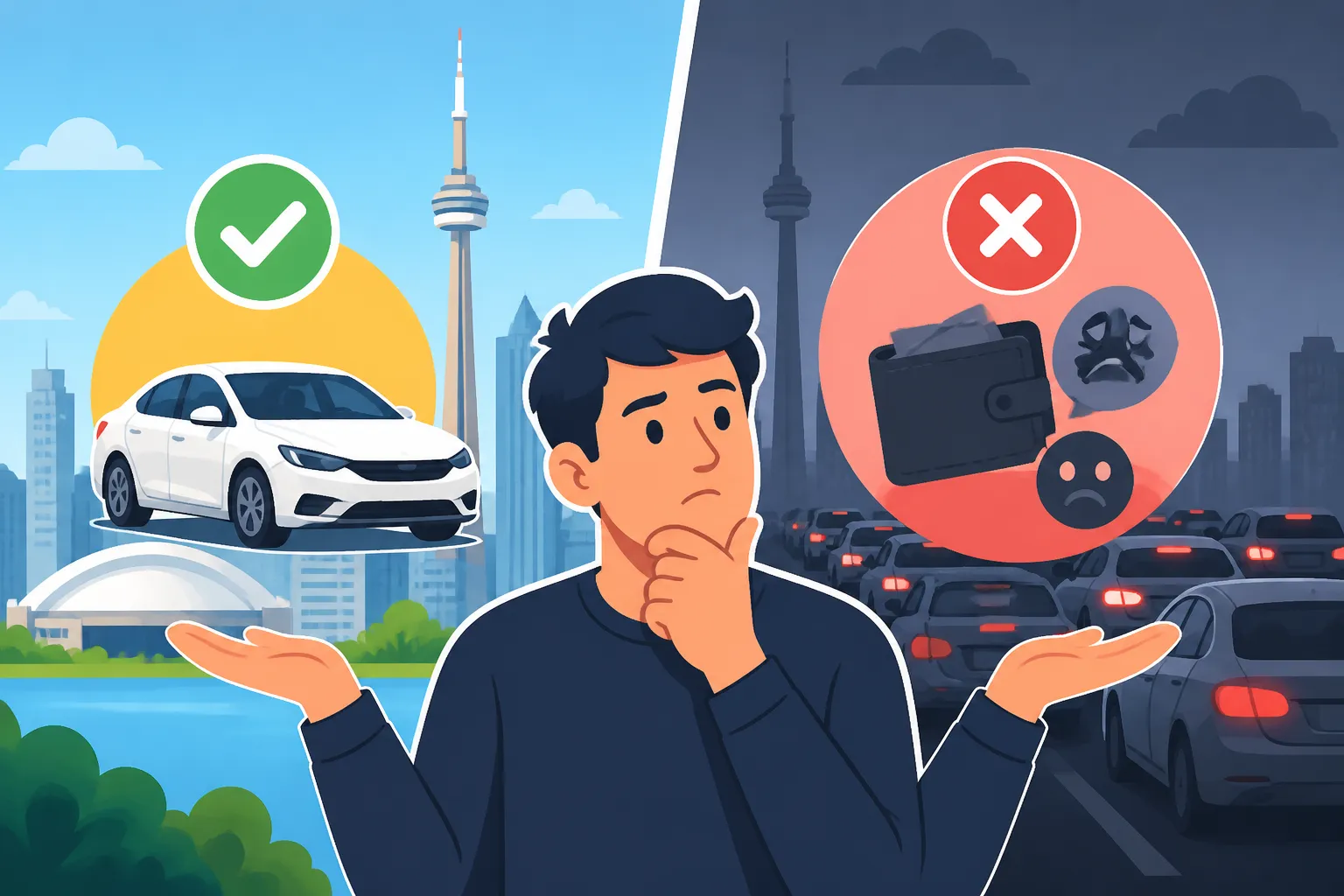
Ah, the age-old question that plagues many a newcomer dreaming of life in Toronto: "Do I really need a car here, or can I survive without one?" It’s a completely valid concern, especially coming from places where a car is an absolute necessity. Toronto is a unique beast, a sprawling metropolis with its own rhythm, and deciding on car ownership can profoundly impact your finances, daily routine, and overall quality of life. This guide is here to walk you through the nuances, cutting through the noise to help you make an informed decision about whether getting your own set of wheels in the Big Smoke is truly worth it for you.
The High Cost of Car Ownership in Toronto
Let's be brutally honest right from the get-go: owning a car in Toronto is not cheap. Many newcomers arrive thinking they'll just pick up a used car, get some insurance, and hit the road. The reality often hits hard when they see the numbers. This city has some of the highest associated costs with vehicle ownership in Canada, and it’s important to understand where your money will really go.
Initial Purchase and Financing Hurdles
First, there's the upfront cost of the vehicle itself. Whether you’re eyeing a brand-new sedan or a pre-loved hatchback, you’ll be looking at a significant investment. For new cars, you’re often dealing with manufacturer’s suggested retail price (MSRP) plus hefty provincial sales tax (HST), which is 13% in Ontario. A car that costs $30,000 suddenly becomes $33,900 before you even consider licensing and registration fees.
Used cars might seem like a more affordable route, but don't be fooled into thinking they're "cheap." The used car market in Canada has been quite competitive, especially in recent years. You'll still pay HST if you buy from a dealership, or a provincial sales tax (PST) if you buy privately and register it. Beyond that, financing can be a huge hurdle for newcomers. Without a Canadian credit history, securing a loan at a reasonable interest rate can be incredibly difficult, if not impossible. Many end up with subprime loans at exorbitant rates, which just adds to the overall cost. You'll definitely want to understand how to build a credit score as a newcomer in Canada if you're planning on financing a vehicle. It’s a marathon, not a sprint, but crucial for your financial well-being here.
Sky-High Insurance Premiums: The Real Wallet Drainer
If the purchase price doesn't make your jaw drop, the insurance premiums almost certainly will. This is often the biggest shocker for expats, and it's not an exaggeration to say that Toronto has some of the most expensive car insurance rates in all of Canada. Why, you ask? A combination of high population density, traffic congestion, higher accident rates, and unfortunately, a fair share of insurance fraud contributes to these staggering costs.
As a newcomer, you face an additional disadvantage: a lack of Canadian driving history. Even if you've been driving safely for decades in your home country, many Canadian insurance companies will treat you like a brand-new driver, at least initially. Some insurers might offer a discount if you can provide an official letter from your previous insurer demonstrating a clean driving record, but this isn't guaranteed and the process can be tedious. Expect to pay anywhere from $200 to $500 or even more per month, especially if you're a younger driver, have a short Canadian driving history, or live in a postal code with a high accident rate. It’s a huge, non-negotiable expense that can quickly eat into your budget. This is why it's vital to research How Much Is Car Insurance in Canada? and Understanding Vehicle Insurance and Registration by Province in Canada well in advance.
Maintenance, Fuel, and the Perennial Parking Pains
Beyond the initial purchase and insurance, there's a constant stream of other expenses that add up.
- Maintenance: Canada's climate is tough on vehicles. You'll need regular oil changes, tire rotations, and seasonal tire swaps. Yes, winter tires are not just a suggestion but a necessity for safe driving in Toronto's snowy, icy conditions, and that means an extra set of tires and the cost of changing them twice a year. Unexpected repairs are always a possibility, and labour costs at Canadian garages aren't cheap.
- Fuel: Gasoline prices in Toronto fluctuate wildly and are generally higher than in many parts of the U.S. and some other countries. A long commute across the city can drain your tank and your wallet faster than you might think.
- Parking: Oh, the parking! Finding parking in downtown Toronto is like winning the lottery – rare and expensive. Street parking is limited and often requires a permit, which isn't cheap and isn't available everywhere. Private parking lots can charge upwards of $20-$30 for just a few hours, or hundreds of dollars a month for a dedicated spot. If your building doesn't come with parking, or you need to pay extra for it, that's another significant cost to factor in. Getting a parking ticket is also a common occurrence, and they quickly add up.
When you tally all these potential costs, you'll quickly see why many Torontonians opt out of car ownership. Consider How Much Does It Cost to Run a Car in Canada per Month? for a detailed breakdown.
Navigating Toronto Without a Car: Excellent Public Transit and Alternatives
The good news is that Toronto is one of those fantastic cities where you can absolutely thrive without owning a car. The city has invested heavily in its public transport network and offers a plethora of alternatives that make getting around surprisingly efficient and often more enjoyable.
Toronto's Robust Public Transit System TTC
The Toronto Transit Commission (TTC) is the third-largest public transit system in North America, and it's truly the backbone of getting around the city. It boasts an extensive network of subways, streetcars, and buses that cover virtually every corner of Toronto. The subway lines are particularly efficient for north-south and east-west commutes, while the streetcars dominate the downtown core, offering a classic Toronto experience (even if they can sometimes get stuck in traffic). Buses fill in all the gaps, reaching residential areas and connecting to subway stations.
Using the TTC is straightforward with a Presto card, a reloadable fare card that works across various transit systems in the Greater Toronto Area (GTA). You can tap on and off, transfer easily, and even integrate it with other regional transit like GO Transit for travel outside the immediate city. Many newcomers quickly realize that relying on the TTC means no worrying about gas, parking, or insurance. You can relax, read a book, catch up on emails, or just watch the city go by instead of battling traffic on the Don Valley Parkway (DVP) during rush hour – a battle no one truly wins. For a deeper dive, check out The Newcomer Guide to Public Transit in Canada.
Car-Sharing, Ride-Sharing, and Cycling
For those times when public transit just won't cut it – perhaps for a big grocery run, a weekend trip, or an appointment in a less accessible area – Toronto has excellent supplementary options:
- Car-sharing services: Companies like Zipcar and Communauto allow you to rent a car by the hour or day. You pay a membership fee, and then a usage fee, which typically includes gas and insurance. It’s perfect for occasional use, giving you the flexibility of a car without the burden of ownership. You pick up a car from a designated spot, use it, and return it.
- Ride-sharing apps: Uber and Lyft are widely available across Toronto. They offer a convenient door-to-door service, especially late at night or when you're in a hurry. While not ideal for daily commuting due to cost, they're a great option for specific situations.
- Cycling: Toronto has been steadily expanding its network of bike lanes, making cycling a viable and enjoyable way to get around, especially in warmer months. Many neighbourhoods are incredibly bike-friendly, and it's a fantastic way to stay fit and save money. You can find bike rental services or even public bike-share programs like Bike Share Toronto.
- E-scooters and other micromobility: While still somewhat regulated, electric scooters and other micromobility options are slowly gaining traction, offering even more ways to cover short to medium distances quickly.
Walkability and Lifestyle Considerations
One of the great joys of living in Toronto is its incredible walkability, particularly in its diverse and vibrant neighbourhoods. Areas like Kensington Market, Queen West, The Annex, Leslieville, and the Distillery District are designed for pedestrians. You can often walk to grocery stores, cafes, restaurants, parks, and even work or school, depending on where you live. This isn't just about saving money on transportation; it's about a lifestyle. It encourages physical activity, reduces stress from commuting, and helps you feel more connected to your community.
Many newcomers choose to prioritize living in a walkable, transit-friendly neighbourhood even if it means paying a bit more in rent. When you weigh the higher rent against the potential thousands saved on car ownership costs, it often balances out, or even comes out cheaper. Consider that Toronto's diverse culinary scene, vibrant arts and culture, and endless shopping opportunities are best explored on foot or by transit anyway. For more context on living costs, refer to How Much Is the Cost of Living in Canada for Newcomers? and How Much Does It Cost to Rent an Apartment in Toronto in 2026?.
When Owning a Car Might Make Sense for You in Toronto
Despite all the compelling reasons against it, there are certainly situations where owning a car in Toronto isn't just a luxury but a genuine necessity, or at least a significant enhancement to your quality of life. It’s all about understanding your specific circumstances.
Specific Job Requirements or Commute Needs
For some, a car is non-negotiable due to their profession. If your job requires you to travel frequently between client sites across the Greater Toronto Area, or even further afield, relying on public transit might be impractical or simply too time-consuming. Think of roles in sales, field service, trades (like electricians or plumbers who carry tools), or home care where you need to visit multiple locations outside the urban core. If you work shifts that don't align with regular transit hours, or if you live in one of Toronto's far-flung suburbs with less direct transit access, a car can significantly cut down your commute time and logistical headaches.
For instance, if you've found a fantastic opportunity in Markham or Vaughan, but you live downtown, and that job requires tools or irregular hours, a car might be your best bet. Trying to coordinate multiple bus transfers at 3 AM is not fun for anyone. For navigation, you'll find that having a reliable mobile data plan, perhaps even an eSIM from a provider like Airalo, can be invaluable when driving in unfamiliar areas or needing real-time traffic updates.
Family Needs and Lifestyle Choices
Families, especially those with young children, often find car ownership indispensable. Hauling groceries, diaper bags, strollers, and tired toddlers on the TTC, particularly in winter, can feel like a military operation. School drop-offs and pick-ups, doctor appointments, extracurricular activities, and weekend outings become much simpler with a car. Imagine a snowy Saturday, and you want to take your kids to the Ontario Science Centre or High Park – a car just makes these excursions a lot less stressful.
Beyond practical family needs, your lifestyle choices play a huge role. If you're an avid camper, skier, hiker, or enjoy exploring Ontario's provincial parks and beautiful small towns (like Niagara-on-the-Lake or Muskoka), a car provides the freedom to do so without relying on expensive rentals or limited tour options. Canada is vast and beautiful, and while Toronto is a fantastic city, many of its natural wonders are outside its urban boundaries. If your hobbies and leisure activities frequently take you beyond the reach of the TTC or GO Transit, a car will significantly enhance your Canadian experience.
Exploring Beyond the City Limits
Toronto is an incredible city, but Canada is a country of breathtaking landscapes and diverse regions. Owning a car gives you the unparalleled freedom to explore beyond the urban concrete. Imagine spontaneous weekend trips to the cottage country of Muskoka, wine tours in Niagara-on-the-Lake, hiking adventures in Algonquin Provincial Park, or even visiting family and friends in other cities like Montreal or Ottawa.
While VIA Rail offers train services and intercity buses like Greyhound (or FlixBus) connect major hubs, they don't offer the flexibility to stop at quaint roadside diners, hidden antique shops, or scenic overlooks. If you're the kind of person who loves road trips and wants to truly experience Canada's natural beauty and smaller communities, a car becomes an enabler of those adventures. It transforms your ability to embrace a broader Canadian lifestyle, not just a Toronto one.
Practical Steps If You Decide to Get a Car
So, you've weighed the pros and cons, looked at your lifestyle, and decided a car is indeed for you in Toronto. Great! Now, let's talk about the practical steps to make this happen as smoothly as possible. This isn't just about buying the car; it's about navigating the entire ecosystem of car ownership in Canada.
Getting Your Driver's Licence and Insurance Sorted
Before you even think about buying a car, you absolutely must sort out your driver's licence. For newcomers, this usually means exchanging your foreign licence for an Ontario driver's licence. The process varies depending on your country of origin and your driving experience. Some countries have reciprocal agreements with Ontario, allowing for a direct exchange, while others may require you to take a written knowledge test and/or a road test. Don’t delay this; getting your licence is step one. Check out How Do I Exchange My Foreign Driver's Licence in Canada? for detailed instructions. Once you have an Ontario licence, you’re eligible for insurance.
As discussed, insurance is expensive. Shop around, get multiple quotes, and be prepared for sticker shock. Provide any proof of driving history from your home country, as this might help reduce your premium. Look into bundling your car insurance with home or tenant insurance, as many companies offer discounts for this. Some employers also offer group rates for car insurance, so be sure to ask if you have employer benefits.
Buying a Vehicle and Understanding Registration
When it comes to purchasing, you have two main options: new or used.
- New Cars: Buying new from a dealership offers warranties, financing options (if you have credit), and peace of mind. However, depreciation is swift, and the initial cost is higher.
- Used Cars: The used market can offer better value. You can buy from a dealership (more expensive but often includes inspections and limited warranties) or privately (cheaper but with higher risk). If buying privately, always get a pre-purchase inspection from an independent mechanic and obtain a Carfax or equivalent vehicle history report. This report is crucial for checking for accident history, liens, and odometer fraud.
Once you have a vehicle, you must register it with the Ministry of Transportation (MTO) and obtain licence plates. This involves proving ownership, providing identification, and paying registration fees. Your vehicle will also need a safety standards certificate if it’s a used vehicle that hasn't been certified recently. Ensure you understand How Do I Register a Car in Canada? to avoid any legal headaches.
Financial Planning and Budgeting for Car Expenses
This is where the rubber meets the road (pun intended!). Create a meticulously detailed budget that accounts for all car-related expenses, not just the monthly payment. This includes:
- Fixed Costs: Loan payments, insurance premiums, annual registration/plate renewal, parking permits (if applicable).
- Variable Costs: Fuel, routine maintenance (oil changes, tire rotations, tire swaps), unexpected repairs, car washes, and potential parking tickets.
- Seasonal Costs: Winter tires (if not already factored into maintenance), anti-freeze, winterizing fluids.
Don't forget to factor in depreciation, which is the loss of your car's value over time. While not a direct cash outflow, it's a real cost of ownership. Building a solid credit score in Canada is not just good for financing; it can also impact your insurance rates in the long run. Start early, even before you consider a car.
Table: Pros and Cons of Car Ownership in Toronto
Here's a quick look at the advantages and disadvantages of owning a car in Toronto:
| Feature | Pros of Car Ownership | Cons of Car Ownership |
|---|---|---|
| Convenience | Door-to-door travel, flexibility for errands, comfort | Traffic congestion, stress of driving, parking difficulties |
| Cost | None (direct financial benefit) | High purchase price, insurance, fuel, maintenance, parking |
| Accessibility | Access to less transit-friendly areas, spontaneous trips | Limited in dense city core, can be slower than subway in rush hour |
| Lifestyle | Freedom for weekend trips, family needs, hobbies | Adds stress, can reduce physical activity, environmental impact |
| Time | Potentially faster for specific commutes, off-peak | Can be slower than transit in peak hours, time spent on maintenance |
| Newcomers | Aids in exploring new country, provides independence | High initial barriers (licence, insurance, credit) |
Ultimately, the decision of whether or not to own a car in Toronto is a deeply personal one, intertwined with your job, family situation, financial capacity, and how you envision your life here. Toronto offers an incredible lifestyle both with and without a vehicle, but understanding the full scope of what you're signing up for will help you drive (or ride!) confidently into your new Canadian chapter.
Disclaimer
The information provided in this guide is intended for general informational purposes only and does not constitute professional advice. While we strive to offer accurate and up-to-date content, circumstances, regulations, and costs in Canada can change rapidly. Readers are strongly advised to consult with relevant government authorities, financial advisors, insurance providers, and other professionals for advice tailored to their specific situation before making any decisions related to car ownership, licensing, or insurance in Canada.