How Do I Transfer to a New Family Doctor in Canada?
It’s a frustrating reality for many newcomers, and even long-time residents, that finding a family doctor in Canada can feel like searching for a unicorn. So, the thought of actually transferring to a new family doctor once you’ve finally secured one might seem overwhelming or even impossible. This guide aims to walk you through the realistic steps and challenges involved in moving your healthcare to a new primary care provider in Canada, making the process as smooth as possible.
Why You Might Need to Switch Doctors in Canada: It's Not Always About Choice
Life as an expat in Canada is full of changes, and sometimes those changes necessitate finding a new family doctor. While you might initially feel a sense of relief simply having any doctor, there are many valid reasons why you might eventually need or want to transfer to a new one, even if the thought fills you with dread. It’s important to remember that these aren't just personal preferences; they are often driven by circumstances that are out of your control, adding another layer of stress to an already complex system.
Reasons for Seeking a New Family Doctor
Let's be honest, finding a family doctor in Canada is often less about finding the perfect fit and more about finding a fit. Many newcomers grab the first doctor who will accept them, and sometimes, that initial match isn't ideal in the long run. Perhaps the doctor's communication style doesn't align with your needs, or their approach to care doesn't resonate with your cultural background or expectations. It’s not uncommon to feel unheard or misunderstood, especially when cultural nuances in healthcare expectations come into play. Maybe you've moved to a new city, province, or even just a new neighbourhood. What might seem like a simple geographical shift can trigger a massive healthcare upheaval. For instance, moving from Toronto to Montreal means navigating entirely different provincial healthcare systems, let alone finding a new doctor.
Another common scenario is when your current doctor decides to retire or move their practice. This can leave you scrambling, sometimes with very little notice, to secure a new primary care provider. It's a jolt that can feel incredibly unfair, especially after you've invested time in building a relationship with your doctor. Or perhaps you've realized your family's needs have changed; maybe you've had a child, and your current doctor isn't well-suited for paediatric care, or you need someone with specific expertise that your current doctor doesn't offer. Finding a new family doctor in Canada can be a monumental task, but it’s a necessary one when your current situation no longer serves your health needs.
The Challenge of Finding a Doctor in a New Area
Canada's healthcare system, while publicly funded, faces significant challenges with doctor shortages, particularly in rural areas and rapidly growing urban centres. This means that simply moving to a new part of the country doesn't guarantee you'll find a new family doctor easily. You might move from a city where you had a doctor to one where waitlists are years long. For example, in many parts of British Columbia and Ontario, the wait to find a new family doctor can extend for months, if not years. This can be especially daunting for newcomers who are already trying to establish roots, find jobs, and understand a new culture.
The emotional toll of this uncertainty cannot be overstated. You worry about what will happen if you get sick, if your kids need a check-up, or if you need to renew a crucial prescription. It’s not just about inconvenience; it’s about a fundamental sense of security regarding your health. Knowing How to Find a Family Doctor Taking New Patients in Canada is a skill every Canadian expat needs, and it often involves proactive searching, networking, and a good dose of persistence.
The Step-by-Step Process for Transferring to a New Family Doctor
Okay, so you've made the decision to transfer. Now what? The process might feel a bit like a bureaucratic labyrinth, but breaking it down into manageable steps can help. Remember, patience is key here, and don't hesitate to advocate for yourself.
Step 1: Finding Your New Doctor
This is often the most challenging part of the entire transfer process. You can't just transfer your records to nowhere. You need a "somewhere" first. Your first port of call should be official provincial health websites or resources. Websites like Health Care Connect in Ontario, or "Find a Doctor" tools provided by provincial health authorities, can be a starting point. However, be prepared that these services often have long waitlists. Many expats find success through word-of-mouth, asking friends, colleagues, and community groups for recommendations. Local community health centres (CHCs) or university-affiliated clinics sometimes have rosters open to new patients.
When you do find a potential new doctor, be upfront about your situation. Explain that you are transferring from another doctor within Canada, and that you will need your medical records moved. Some clinics might be more amenable to taking patients who already have an established medical history and whose records are easily transferable, as opposed to someone with no prior Canadian medical history. This initial search phase can take a long time, so start early, especially if your current doctor is retiring or you're moving provinces where a The Newcomer Waiting Period for Provincial Health Coverage in Canada (2027) might apply.
Step 2: Requesting Your Medical Records
Once you've secured a new family doctor who has officially accepted you, the next critical step is to request your medical records from your old doctor's office. This isn't automatic; you have to initiate it. You’ll typically need to sign a consent form, often called a "Release of Information" form, at your new doctor's office. This form authorizes your old doctor to release your records to the new practice. Make sure you fill out all the details accurately, including your full name, date of birth, previous address, and the name and address of your previous doctor.
Be aware that your old clinic might charge a fee for transferring your records. While the exact amount can vary by province and clinic, it’s usually an administrative fee to cover the time and resources involved in copying and sending your chart. Fees can range from $25 to $100 or even more, especially if your records are extensive and need to be reviewed and redacted for privacy reasons. Don't be shy about asking about these fees upfront, and get it in writing if possible. It’s also wise to ask how long the transfer typically takes. While some clinics might send them electronically within a few days, others might take weeks, especially if they’re processing paper records or have a backlog.
Step 3: Following Up and Confirming the Transfer
After you’ve signed the release form, don't just assume everything will happen perfectly on its own. It's a good idea to follow up with both your old and new doctor's offices within a couple of weeks. Call your old clinic to confirm they received your request and ask for an estimated completion date. Then, call your new clinic to confirm they've received your records. This proactive approach can prevent your request from getting lost in the shuffle.
It's a common expat frustration to find that processes that seem simple on paper can be anything but in practice. Files can get misplaced, faxes can fail, and emails can end up in spam. A polite follow-up can save you a lot of headache down the line. When your records arrive at the new clinic, they will usually be reviewed and integrated into their system. This is a good time to schedule an initial "meet and greet" appointment with your new doctor, even if you don't have immediate health concerns. This allows them to get to know you, review your history, and ensure everything is in order. It's also a chance for you to understand How Canada's Health System Works: Provincial Plans Explained (2027) through the lens of your new provider.
Navigating Challenges and What to Do If You Can't Find a New Doctor
Let's face it, the Canadian healthcare system is fantastic in many ways, but it’s not without its quirks and challenges, especially for newcomers. The reality is that finding a new family doctor isn’t always straightforward, and sometimes, despite your best efforts, you might find yourself without one. This can be incredibly stressful, leaving you feeling adrift and worried about your health.
Coping with Doctor Shortages and Long Waitlists
If you're in an area with severe doctor shortages, you might find yourself on a provincial waitlist for a family doctor that seems to stretch into eternity. In provinces like Nova Scotia or Quebec, these lists can number in the tens of thousands. While you're waiting, you'll need alternative ways to access care. Walk-in clinics become your de facto primary care provider. These clinics are designed for acute, non-emergency issues like colds, minor infections, or prescription refills. However, they don't offer the continuity of care that a family doctor provides. You'll likely see a different doctor each time, and they won't have your full medical history.
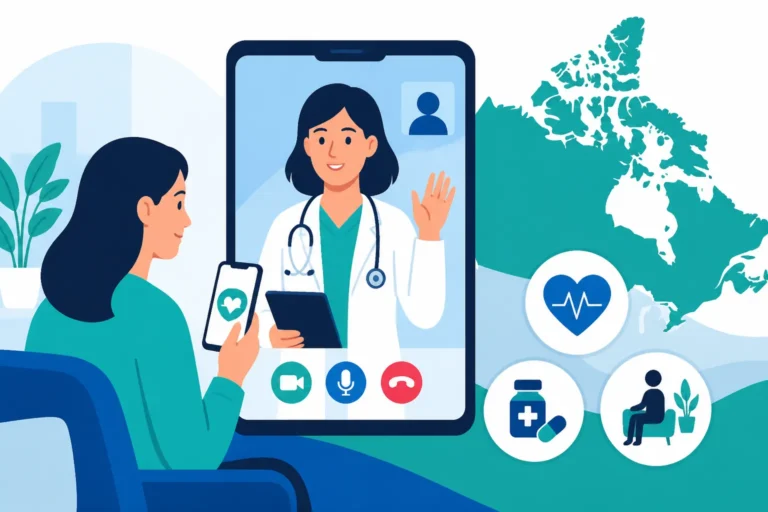
Another valuable resource is telehealth or virtual care services. Many provinces now offer virtual doctor appointments, which can be a lifesaver for simple consultations, prescription renewals, or referrals. Services like Telus Health MyCare or Maple allow you to speak with a doctor online from the comfort of your home. While these are excellent temporary solutions, they still don't replace the holistic care of a dedicated family physician. If you're struggling to even get a provincial health card, understanding How to Apply for Your Provincial Health Card in Canada (2027) is your first hurdle.
Seeking Care Through Walk-in Clinics and Virtual Services
When you don't have a family doctor, walk-in clinics and virtual services become your medical safety net. For expats, especially, it’s important to understand their limitations. Walk-in clinics are great for immediate needs, but they can be busy, with long wait times, and are not suitable for chronic condition management or preventative care. For example, if you have diabetes and need regular monitoring, relying solely on walk-in clinics can lead to fragmented care and potentially missed warning signs. Many newcomers also face a language barrier or unfamiliarity with the system, making these brief, impersonal encounters even more challenging.
Virtual care services are expanding rapidly in Canada and offer a convenient way to access a doctor for many routine issues. You can often get prescriptions renewed, receive medical advice, or even get basic referrals without leaving your home. However, they can’t perform physical examinations or complex diagnostic tests. So, while they’re excellent for certain situations, they’re not a complete substitute for a hands-on family doctor, especially if you have a complex medical history or require specific tests. It’s a good idea to know Understanding the Role of Walk-In Clinics in Canada as part of your healthcare strategy.
Temporary Private Insurance as a Stop-Gap
During any transition period, especially if you've moved provinces and face a new waiting period for provincial health coverage, or if you're temporarily without a family doctor and worried about unexpected costs, temporary private health insurance can offer a crucial safety net. Imagine you're in Alberta, you've transferred your records, but your new doctor can't see you for a month, and you twist your ankle. Provincial plans might not cover you immediately if you're very new to the province. This is where a plan from providers like SafetyWing could step in. SafetyWing, for instance, offers travel medical insurance that can cover unexpected medical emergencies and urgent care needs while you are in Canada but perhaps outside of your primary provincial coverage, or simply waiting for processes to catch up.
It's not a substitute for a long-term provincial plan or a family doctor, but it provides peace of mind for those unforeseen circumstances that often plague newcomers during periods of transition. This kind of supplementary coverage can bridge the gap when you're between doctors, provinces, or simply navigating the initial complexities of Canadian healthcare as an expat. Knowing How to Get Private Health Insurance to Cover the Waiting Period in Canada is a smart move for any newcomer.
Maintaining Your Health During the Transition
Being in between doctors can feel like you’re in a healthcare limbo, and that’s a scary place to be. It's crucial to be proactive about your health during this time, especially if you have ongoing medical conditions or require regular prescriptions. Don't let the administrative hurdles deter you from taking care of yourself.
Managing Prescriptions and Ongoing Care
One of the biggest concerns when transferring doctors is ensuring uninterrupted access to prescription medications. If you have a chronic condition, running out of essential medication because your old doctor's office won't refill it or your new doctor hasn't received your records yet is a nightmare scenario. Before your records are officially transferred, you should discuss this with both your old and new doctor's offices. Your old doctor might be willing to provide a bridging prescription for a few months, or your new doctor might be able to offer a short-term prescription after an initial consultation, even before your full records arrive.
Pharmacies in Canada also play a crucial role here. Your pharmacist can sometimes contact your previous doctor for a refill authorization in an emergency, or provide a limited supply of essential medication while you sort things out. Always bring your existing prescription bottles or packaging with you when you visit a new pharmacy or doctor. Keep a detailed list of your medications, dosages, and prescribing doctors. This is an area where knowing about Prescription Medications and Pharmacies in Canada: The Complete Guide can really help.
Understanding What Your Provincial Plan Covers (and Doesn't)
While you're in transition, it's vital to clearly understand Understanding What Provincial Health Plans Do and Don't Cover in Canada. Provincial health insurance plans generally cover medically necessary services provided by doctors and in hospitals. This includes doctor's visits (whether at a family doctor's office, walk-in clinic, or hospital), diagnostic tests like X-rays and blood work, and most surgeries. However, they typically don't cover things like prescription drugs (outside of a hospital setting), dental care, eye care, physiotherapy, or ambulance services (which can have steep fees depending on the province and necessity).
This is a common point of confusion for newcomers, who often assume "free healthcare" means everything. It's not. During your transition, you might find yourself needing to access services not covered by your provincial plan, and it's essential to be aware of the potential out-of-pocket costs. If you are experiencing an emergency, remember that Emergency Medical Care in Canada: What Every Newcomer Needs to Know is always available, but the follow-up care and non-emergency aspects still need careful planning.
Advocating for Yourself and Utilizing Resources
Navigating the Canadian healthcare system, especially during a transfer, requires a degree of self-advocacy. Don't be afraid to ask questions, whether it's about transfer fees, timelines, or what specific services are covered. If you feel your concerns aren't being addressed, politely but firmly escalate your request. Patient advocates or ombudsman services might be available through your provincial health authority if you encounter significant roadblocks.
Many provinces also have resources specifically for newcomers to help them understand the healthcare system. Community organizations often offer support in different languages and can guide you through the process. Remember, you're not alone in finding this challenging. Many expats and even Canadians struggle with finding and transferring family doctors. Utilizing all available resources and staying persistent is key to ensuring your health remains a priority during this transition. For a broader overview, check out Navigating the Canadian Healthcare System: A Newcomer's Roadmap (2027).
Here's a quick checklist to help you during your transfer:
| Step | Action | Important Notes |
|---|---|---|
| 1. Find a New Doctor | Research and contact clinics/doctors accepting new patients. Use provincial 'Find a Doctor' resources. | This is the longest step. Be persistent. Ask for recommendations. Be prepared for waitlists. |
| 2. Secure Acceptance | Confirm in writing (if possible) that the new doctor has accepted you as a patient. | Do not proceed with record transfer until you have a confirmed new doctor. |
| 3. Request Record Transfer | Sign a "Release of Information" form at your new doctor's office, specifying your previous doctor. | Your new clinic will usually send this to your old clinic. Keep a copy for your records. |
| 4. Inquire about Fees | Ask your old doctor's office about any administrative fees for transferring records. | Fees vary by province and clinic. Request a receipt. |
| 5. Arrange Prescription Continuity | Discuss ongoing prescription needs with both old and new doctors, or your pharmacist. | Crucial for chronic conditions. Seek bridging prescriptions if there's a delay. |
| 6. Follow Up | Call both clinics to confirm the request was received and to track the status of the transfer. | Don't assume. A polite follow-up can prevent delays. |
| 7. Schedule Initial Appointment | Book a "meet and greet" with your new doctor once records are confirmed received. | This allows your new doctor to review your history and for you to establish a relationship. |
| 8. Have Temporary Coverage (Optional) | Consider temporary private insurance like SafetyWing if there's a gap in provincial coverage or transition. | Ideal for mitigating unexpected medical costs during inter-provincial moves or prolonged waits for provincial health card processing, or if you're temporarily without a family doctor for urgent but non-emergency issues. SafetyWing can be a good choice for short-term, flexible medical coverage. |
| 9. Document Everything | Keep copies of all forms, receipts, and notes from phone calls (dates, names, what was discussed). | Essential for troubleshooting or if any disputes arise. |
Disclaimer
The information provided in this guide is intended for general informational purposes only and does not constitute medical, legal, or professional advice. While we strive to offer accurate and up-to-date information, healthcare policies and procedures in Canada can change frequently and vary by province. Always consult with qualified healthcare professionals, government websites, or legal advisors for advice tailored to your specific situation. Reliance on any information in this guide is solely at your own risk.