How Do I Get a Doctor’s Note for Sick Leave in Canada?
Ah, the good old "doctor's note" for sick leave. As someone who’s been through the Canadian system, I can tell you it’s one of those minor administrative hurdles that can feel like a mountain when you’re new here, especially if you haven't managed to find a family doctor yet. This guide will walk you through everything you need to know about getting a doctor's note for sick leave in Canada, making sense of employer expectations, and navigating the healthcare system when you're feeling under the weather.
Understanding Sick Leave and Doctor's Notes in Canada
When you're dealing with an illness, the last thing you want to worry about is proving to your employer that you're genuinely unwell. However, in Canada, the rules around sick leave and the requirement for a doctor's note can sometimes feel a bit murky, especially because they vary by province and employer policy.
The Basics of Sick Leave Entitlement Across Provinces
First off, it's crucial to understand that sick leave entitlements aren't uniform across Canada. Each province and territory sets its own minimum standards for paid and unpaid sick leave, and your employer's policy might offer even more. For example, in Ontario, the Employment Standards Act provides for up to three unpaid sick days per year, but many employers offer paid sick leave as part of their benefits package. British Columbia and Quebec also have their own specific regulations regarding paid and unpaid leave.
It’s easy to feel confused by the patchwork of rules. What's legal in Alberta might be different from Nova Scotia. Generally, statutory sick leave provisions are meant to protect workers from losing their jobs or income for short-term illnesses. However, these basic entitlements might not always align with your employer's expectations for a doctor's note. It's always a good idea to check your specific provincial labour laws and your company's employee handbook or ask HR for clarity on their sick leave policy. Knowing your rights is your first line of defense against unnecessary stress.
When a Doctor's Note is Actually Required
This is where things can get a little tricky and often frustrating for newcomers. Legally, employers are generally not entitled to an employee's medical diagnosis or specific health information. A doctor's note typically serves to confirm that you were indeed seen by a medical professional, were unwell, and were advised to be off work for a specific period. It usually includes the date of the visit, the duration you should be off, and when you can reasonably expect to return to work.
For short absences, say one or two days, many employers don't require a doctor's note. However, for longer periods of absence, or if there's a pattern of frequent short absences, an employer might request a medical certificate or doctor's note. Some employers have a blanket policy requiring a note for any absence, which, while sometimes legally challenged, is a reality you might encounter. It's frustrating when you just have a common cold and suddenly need to navigate clinics when all you want to do is rest. Remember, the note is usually about verifying the incapacity to work, not about diagnosing your sniffles. If you're covered by a good private health insurance plan, you might find the process a bit smoother when it comes to covering the cost of getting these notes, especially if you're still within The Newcomer Waiting Period for Provincial Health Coverage in Canada (2027).
Navigating the Healthcare System to Get Your Note
If you're new to Canada, one of the biggest challenges can be finding consistent medical care. The idea of needing a doctor's note when you don't even have a family physician can be daunting. But don't despair; there are several avenues you can take.
Finding a Doctor When You Don't Have a Family Physician
This is often the first major hurdle for many expats and tourists. In many parts of Canada, particularly in larger cities like Toronto, Vancouver, and Montreal, finding a family doctor who is accepting new patients can feel like an Olympic sport. Waitlists are common, and for a short-term need like a sick note, it's simply not practical. This can be especially stressful when you're feeling unwell and need to quickly get a note to avoid issues at work.
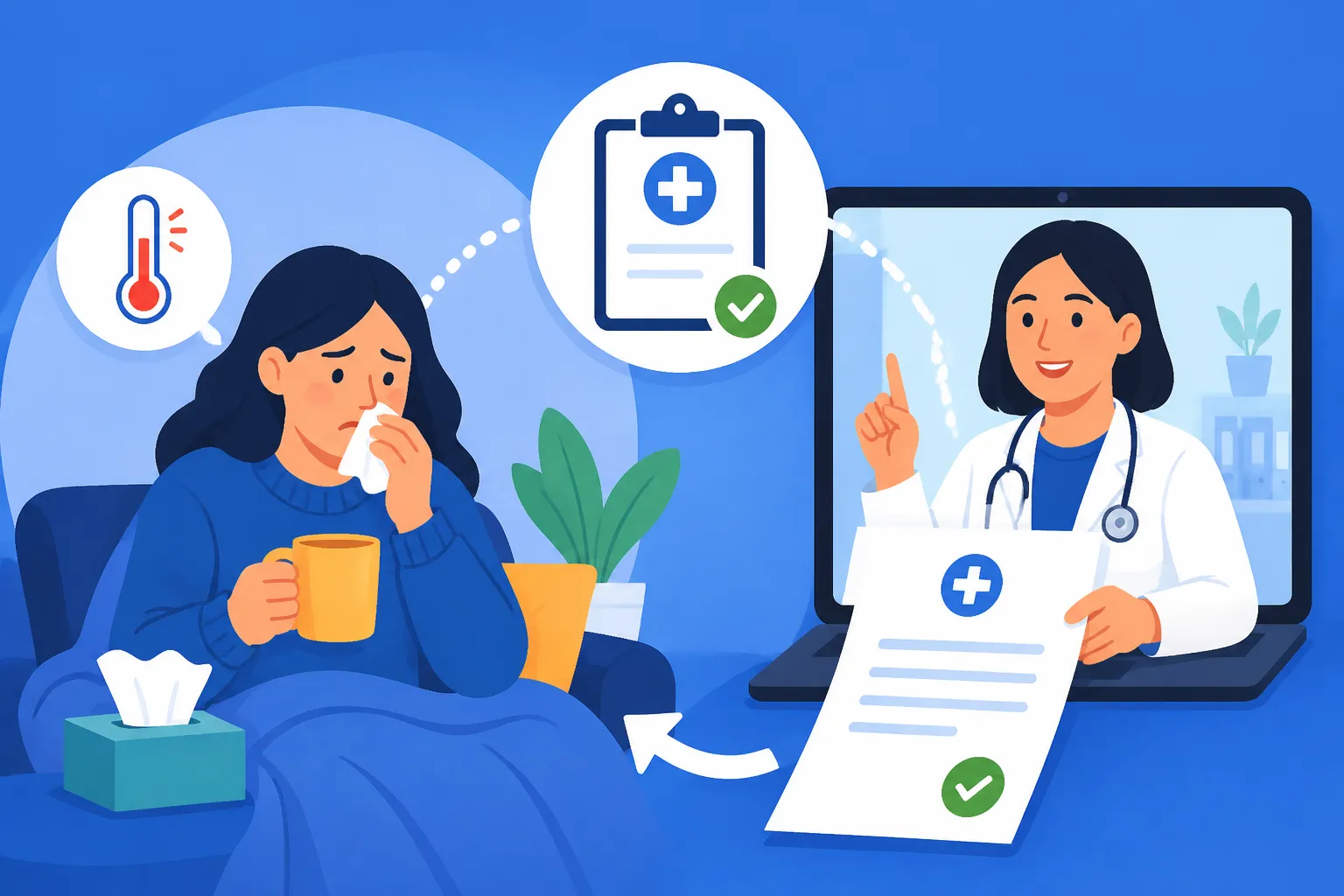
Your best bet in this scenario is often a walk-in clinic. These clinics are designed for non-emergency medical issues that require immediate attention but aren't life-threatening. You can usually find them in shopping plazas or stand-alone buildings. Be prepared for potentially long wait times, particularly during peak hours or cold and flu season. When you go, explain clearly to the receptionist that you need a doctor's note for sick leave. Another excellent option, especially for less severe conditions where you still need a note, is virtual care or telehealth. Services like Telus Health MyCare or Maple allow you to consult with a doctor via video call or secure messaging. Many of these services can issue a doctor's note if appropriate, saving you a trip out when you're feeling under the weather. They can be a real lifesaver for quickly addressing issues like getting a note without having to physically visit a clinic. You can learn more about these digital health solutions by reading about Understanding Telehealth and Virtual Care Options in Canada.
For those without provincial health coverage, perhaps because you're still in your waiting period or a short-term visitor, you'll need to pay for the visit out-of-pocket. This is where having private travel or newcomer insurance, like SafetyWing, can be incredibly helpful. SafetyWing and similar providers often cover these types of walk-in clinic visits or virtual consultations, which can be a huge relief given that How Much Does a Doctor Visit Cost in Canada Without Coverage? can be anywhere from $80 to $200 or more. Even if you're not in an emergency situation, an unexpected bill can really add up.
The Process of Getting a Doctor's Note at a Clinic
Once you're at a walk-in clinic or connected through a virtual care platform, the process itself is fairly straightforward. When you see the doctor, clearly state that you've been unwell and need a note for your employer to confirm your absence from work due to illness. The doctor will ask about your symptoms, how long you've been ill, and how your illness is affecting your ability to perform your job duties. They might perform a brief examination if it's a physical visit.
The doctor will then usually write a note on their letterhead. This note typically includes:
- The date of the visit.
- Confirmation that you were seen by a medical professional.
- The period for which you are medically advised to be off work (e.g., "Ms. Smith is advised to be off work from [start date] to [end date] due to illness").
- The date you are expected to return to work.
- The doctor's signature and contact information.
It's important to understand that the doctor will not typically include your specific diagnosis or details of your medical condition on the note. This is due to patient confidentiality (similar to HIPAA in the US). If your employer insists on a diagnosis, you can politely explain that doctors are bound by privacy laws and can only confirm your incapacity to work, not the specifics of your illness. If you're struggling to find a consistent healthcare provider, check out resources like How to Find and Register with a Family Doctor in Canada for long-term solutions.
Important Considerations and What to Expect
Getting a doctor's note might seem like a simple task, but for newcomers, there are often layers of complexity related to costs, privacy, and employer communication.
What Doctors Can and Cannot Include in a Note
As mentioned, Canadian doctors are bound by strict patient confidentiality rules. This means they cannot, and will not, disclose your specific diagnosis or detailed medical information to your employer without your explicit consent. Your employer is entitled to know if you are fit to work and, if not, for how long. They are not entitled to your full medical history or the intimate details of your illness. This privacy protection is a fundamental aspect of the Canadian healthcare system, which you can read more about in Public vs Private Healthcare in Canada: What Newcomers Need to Know.
So, if your employer pushes for more information, you can inform them that your doctor has provided a note confirming your need for sick leave, but cannot disclose private medical details. Most employers understand this, but some might need a gentle reminder. The note simply verifies that your absence is due to a legitimate health issue and indicates when you are expected to be fit to return to your duties. This protects your privacy while still fulfilling your employer's reasonable request.
Costs, Waiting Periods, and Private Insurance
Here's the critical part for many newcomers: the cost. If you have provincial health coverage (like OHIP in Ontario, MSP in British Columbia, or RAMQ in Quebec), a visit to a walk-in clinic or your family doctor for a sick note is typically covered. You won't pay out-of-pocket. However, if you're still in your provincial health coverage waiting period (which can be up to three months in some provinces) or are a visitor without a valid provincial health card, you will be charged for the visit.
A standard walk-in clinic visit can cost anywhere from $80 to $200 or more. Getting a doctor's note specifically might incur an additional administrative fee, usually around $20-$50, on top of the consultation fee. This is a significant expense, especially when you're just starting out in Canada. This is precisely why obtaining private health insurance, even before you arrive, is so important. Companies like SafetyWing offer plans that specifically cater to the unique needs of newcomers and travelers, covering unexpected medical costs, including doctor visits, during those crucial initial months. If you find yourself asking What Happens If I Get Sick During the Health Coverage Waiting Period in Canada?, having a robust private insurance policy is your answer. These policies bridge the gap and ensure you're not left with hefty bills for essential services, like getting a simple doctor's note. To understand more about how these plans work, you might want to look into How Much Does Private Health Insurance Cost in Canada in 2026?.
If you're fortunate enough to have employer-provided private health insurance, check your benefits package. Many employer plans will cover a portion or all of these out-of-pocket expenses, even the administrative fee for a doctor's note. It's always worth reviewing your policy or speaking with your HR department.
Alternative Solutions and Employer Communication
Sometimes, despite your best efforts, getting a physical doctor's note might not be feasible, or it might feel like an unnecessary hassle for a minor illness. Open and honest communication with your employer is key. If you're feeling unwell, inform your supervisor as soon as possible about your absence and estimated return.
For very short absences, or if your illness is mild, some employers are flexible and may accept a self-declaration of illness, especially if they have paid sick days that don't require a note. It’s always best to clarify your workplace's specific policy. In situations where an in-person visit is difficult, particularly in remote areas or if you're too ill to leave home, virtual care platforms (as mentioned earlier) are a fantastic resource. They can often provide a digital doctor's note, which is usually accepted by employers. These platforms help you to access a doctor from the comfort of your home, reducing exposure to others and allowing you to rest. For a deeper dive into utilizing employer benefits, check out How to Use Private Health Insurance and Employer Benefits in Canada.
Furthermore, if your employer offers an Employee Assistance Program (EAP), this resource can provide confidential counseling and support, including advice on navigating sick leave policies or managing stress related to health issues. While not a substitute for a doctor, it can be a useful tool for overall well-being. The entire process of Navigating the Canadian Healthcare System: A Newcomer's Roadmap (2027) can be complex, and these types of resources are there to help.
To help you visualize the different approaches, here's a quick comparison of your options for obtaining a doctor's note:
| Option | Best For | Cost (without provincial coverage) | Wait Times | Ease for Newcomers | Brand Relevance (e.g., SafetyWing) |
|---|---|---|---|---|---|
| Family Doctor | Routine care, long-term conditions | Covered (with provincial card) | Often long to get appointment | Difficult to find initially | N/A |
| Walk-in Clinic | Acute, non-emergency illnesses, quick notes | $80 – $200+ (plus note fee) | Variable (can be long) | Accessible | SafetyWing (covers visits) |
| Virtual Care | Mild illnesses, quick consultations | $50 – $100+ (plus note fee) | Short (minutes to hours) | Highly convenient | SafetyWing (often covers virtual) |
| Urgent Care Centre | Urgent but not life-threatening conditions | Covered (with provincial card) | Moderate to long | Good for urgent needs | N/A |
This table should give you a clearer picture of which option might suit your situation best, especially considering the financial implications if you're not yet covered by a provincial health plan. Remember, private insurance like SafetyWing is designed to fill these financial gaps.
Final Thoughts
Dealing with illness is never fun, and having to jump through hoops for a doctor's note can add unnecessary stress. As a newcomer in Canada, it's easy to feel overwhelmed by the different systems and expectations. However, by understanding your provincial sick leave entitlements, knowing your options for accessing medical care, and communicating openly with your employer, you can navigate these situations with much more confidence. Don't hesitate to utilize resources like walk-in clinics or virtual care, and always consider private health insurance to protect yourself financially during those initial waiting periods.
Disclaimer
The information provided in this article is intended for general guidance and informational purposes only, and does not constitute medical, legal, or professional advice. Healthcare regulations and employer policies in Canada can change, and vary significantly by province and specific employment contracts. Always consult with a qualified healthcare professional for medical advice and treatment. For legal or employment-related matters, seek advice from a legal professional or your employer's human resources department. Ensure you verify current provincial health coverage waiting periods and eligibility requirements, and check the terms and conditions of any private insurance policies.