How Do I Access My Medical Records in Canada?
Arriving in a new country like Canada, with its own unique healthcare system, can feel like navigating a maze, especially when you need to access your own medical records. It's not uncommon to feel lost or frustrated when trying to get your health history from one clinic to another, or even from your home country. This guide aims to demystify the process of accessing your medical records in Canada, ensuring you understand your rights and the practical steps involved to get the information you need.
Understanding Your Right to Access Medical Records in Canada
First off, let's get one thing straight: you absolutely have the right to access your own medical records here in Canada. This isn't just a courtesy; it's a fundamental principle of patient care and privacy embedded in both federal and provincial legislation. The idea is that your health information belongs to you, even though the physical record is held by the healthcare provider or institution.
Provincial Differences and Federal Principles
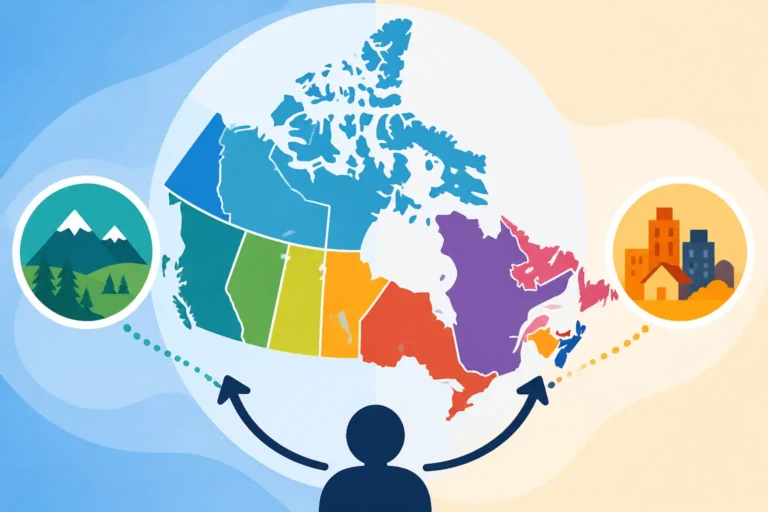
While healthcare in Canada is often spoken about as a single entity, it's actually governed provincially. This means that each province and territory has its own set of laws and regulations regarding health information, privacy, and access. For instance, Ontario has the Personal Health Information Protection Act (PHIPA), Alberta has the Health Information Act (HIA), and British Columbia operates under the Freedom of Information and Protection of Privacy Act (FIPPA) and the Personal Information Protection Act (PIPA) for the private sector, along with specific health information regulations.
Despite these provincial nuances, the underlying principles are remarkably consistent across the board. You, as the patient, have the right to request and receive a copy of your personal health information. You also have the right to request corrections to any information you believe is inaccurate or incomplete. These rights ensure that you have control over your health narrative and can make informed decisions about your care. Understanding how Canada's Health System Works: Provincial Plans Explained (2026) can give you a broader overview of this decentralized structure.
What Exactly Constitutes Your Medical Record?
When we talk about "medical records," it's not just a single document. It's a comprehensive collection of information about your health and healthcare journey. Think of it as a detailed diary of your body and mind, curated by various healthcare professionals over time.
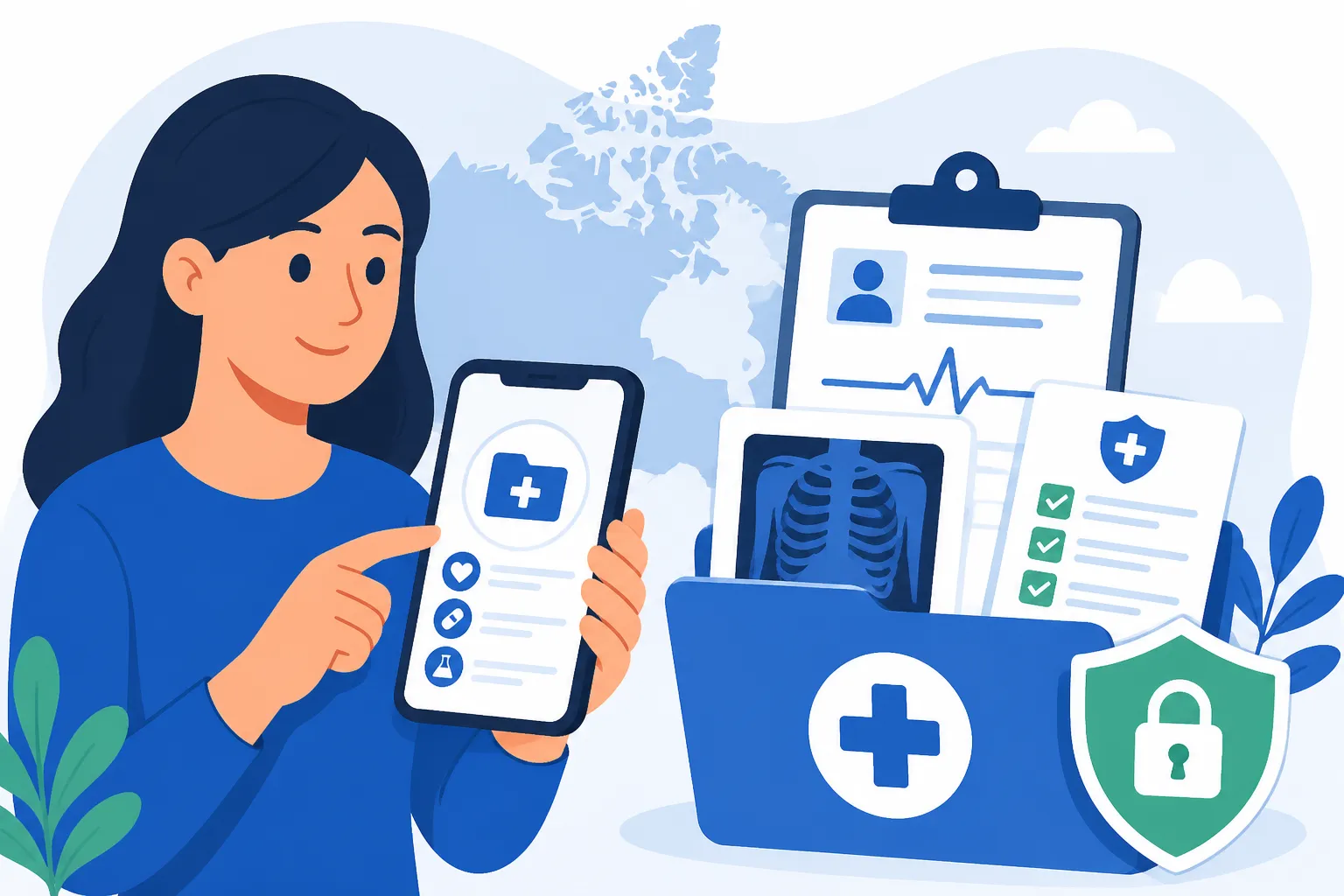
This can include a wide array of documents and data points. You'll find your doctor's notes from every visit, detailing your symptoms, diagnoses, and treatment plans. It will also contain results from all sorts of tests – blood work, urine analyses, genetic screenings, and more. Imaging reports, like X-rays, MRIs, and CT scans, along with the radiologist's interpretation, are also integral parts. Your prescription history, including dosages and dates, is there, as are records from specialists you’ve seen, vaccination history, and any referrals. Essentially, anything that contributes to your health history and treatment is part of your record. Knowing What Documents Do I Need to See a Doctor in Canada? might give you a hint of the kind of information they collect.
Step-by-Step Guide to Requesting Your Records
The thought of tracking down your health records in a new country can feel overwhelming, but it's a structured process. Breaking it down into manageable steps makes it much less daunting. You'll navigate this like a pro in no time!
Identifying the Holder of Your Records
The very first step is figuring out who actually holds the records you need. This might seem obvious, but if you've seen multiple doctors, visited walk-in clinics, or had hospital stays, your information could be scattered.
Typically, your primary care provider – often a family doctor – holds the most comprehensive set of your longitudinal records. If you've been fortunate enough to How to Find and Register with a Family Doctor in Canada, they will be your main point of contact. However, if you've primarily relied on walk-in clinics, each clinic might only have records pertinent to the visits you made there. For specific incidents, like a surgery or an emergency, the hospital or specialist's office will hold those particular records. For example, if you had a complex dental procedure, the dentist’s office will have detailed records, but your family doctor might only have a brief note of the referral and outcome. Similarly, understanding the role of Understanding the Role of Walk-In Clinics in Canada is crucial, as their record-keeping might differ from a long-term family practice.
The Formal Request Process
Once you've identified where your records are, it's time to make your move. Most clinics, hospitals, and healthcare providers have a formal process for record requests.
You'll generally need to fill out a "Request for Access to Personal Health Information" form. These forms are usually available on the institution's website or can be picked up in person. They'll ask for your personal details (name, date of birth, contact information), the specific dates or types of records you're requesting, and where you'd like the records sent (e.g., directly to you, or to a new doctor). You'll always need to provide valid photo identification to prove you are indeed the person whose records you're requesting. This is a critical security measure to protect your privacy. While there's a legal obligation to provide you with your records, they are also permitted to charge a reasonable fee for the administrative costs associated with retrieving, copying, and sending them. These fees can vary significantly by province and institution, so it's wise to inquire about potential costs upfront. Be prepared for a processing time, which can range from a few days to several weeks, depending on the volume of the request and the clinic's administrative capacity.
Digital Access and Patient Portals
In recent years, many Canadian provinces and healthcare providers have embraced technology to make accessing your health information more convenient. This often comes in the form of patient portals or digital health records.
For example, many provincial health authorities now offer online portals where you can securely access some of your medical information. Think of things like lab results, immunization records, and sometimes even summaries of doctor visits. These portals are a game-changer for active patient engagement. While not every piece of your entire medical history might be instantly available digitally, these platforms are continually expanding. You usually need to register for these portals, which often involves verifying your identity through secure online processes. Once set up, you can log in from your computer or even a mobile app to view your data, which can be particularly handy if you're frequently traveling or want to monitor ongoing conditions. The ease of access through digital means really highlights the shift towards patient-centred care, allowing you to take a more active role in managing your health.
Common Challenges and What to Do
No journey is ever completely smooth, especially when dealing with bureaucracy and sensitive information. Accessing medical records in Canada, while your right, can sometimes come with its own set of hurdles. But don't despair – there are ways to navigate these challenges.
Delays, Fees, and Unresponsiveness
One of the most common frustrations newcomers face is the waiting game. You've submitted your form, you're patiently waiting, but weeks go by, and nothing. Or, you get hit with an unexpected fee that feels exorbitant. Or, worse yet, your requests seem to fall into a black hole of unresponsiveness. It's a truly annoying situation, especially when you need those records for a new doctor or an urgent referral.
If you encounter delays, don't be afraid to follow up. A polite phone call or email to the records department, referencing your request date, can often nudge things along. If you're being charged a fee you believe is unreasonable, ask for a detailed breakdown of the costs. Most provincial legislation dictates that fees must be "reasonable" and only cover the actual costs of producing the records. If you still feel the fee is unfair, or if your requests are consistently ignored, you have the right to escalate. Each province has a privacy commissioner or an equivalent oversight body (e.g., the Information and Privacy Commissioner of Ontario) that can investigate complaints regarding access to personal health information. Filing a formal complaint with them can often cut through the red tape. Remember, your patience has limits, and there are avenues for recourse.
Accessing Records for Dependents or Deceased Relatives
Life happens, and sometimes you need to access records for someone other than yourself. This adds another layer of complexity to the process.
For children, typically, a parent or legal guardian has the right to access their child's medical records. You'll usually need to provide proof of parentage or guardianship (like a birth certificate or legal guardianship papers) along with your own ID. This right generally continues until the child reaches the age of majority in their province (usually 18 or 19), after which they have the right to their own records. For a deceased relative, accessing their records becomes the responsibility of the executor of their estate. You'll need to provide legal documentation proving your appointment as executor, along with the death certificate. The access in these cases is usually limited to what is necessary for the administration of the estate or for specific legal purposes, and privacy laws still apply to protect the deceased's information. It's a delicate balance, but legal frameworks are in place to guide this.
What if Your Doctor Retires or Moves?
It's a common scenario: you finally get settled with a family doctor, you build a rapport, and then… they announce their retirement or move practice. What happens to your precious medical history then?
When a doctor retires or closes their practice, they have a professional and legal obligation to ensure their patients' records are properly managed. This usually means either transferring them to another physician who is taking over their practice, or arranging for the records to be securely stored and accessible for a specific period (which can be 10 years or more, depending on provincial regulations). If your doctor is simply moving to a new clinic, your records will usually follow them, often requiring you to sign a consent form for the transfer. If your doctor retires without a successor, you'll typically be informed of where your records will be archived and how you can access them in the future. It’s a good idea to inquire about this plan well in advance, and proactively request a copy of your records yourself if there's any uncertainty. This proactive step can save you a lot of headache down the line.
The Importance of Having Your Records (and What to Do Before You Have Provincial Coverage)
Having access to your medical records isn't just about administrative compliance; it's about empowering you to be an informed and active participant in your own healthcare. For newcomers, this takes on an even greater significance, especially during the initial phase of settling in Canada.
Why Keeping Your Own Copies is Smart
Think of your medical records as your personal health blueprint. Keeping your own copies, whether digital or physical, is incredibly smart. It means you have immediate access to vital information whenever you need it, without waiting for clinics or battling administrative delays. This is particularly valuable when you're seeing a new doctor, perhaps because you moved to a different city or are trying to find How to Find a Doctor Taking New Patients in Canada. Having your history readily available allows you to provide comprehensive information right away, helping your new physician understand your background without having to chase down old records.
This personal archive can include summaries of past diagnoses, a list of current and past medications, known allergies, vaccination records, and significant past procedures. It helps ensure continuity of care and prevents potential errors that might arise from incomplete information. Plus, if you're ever in an emergency situation or travelling, having a concise summary can be invaluable for first responders or medical staff who aren't familiar with your history. The more you know about your own health, the better equipped you are to advocate for yourself.
Bridging the Gap: Private Insurance and Early Access
Now, this is where things get really crucial for new arrivals. Many newcomers to Canada face a waiting period for provincial health coverage, which can be up to three months in some provinces like Ontario, British Columbia, and Quebec. During this time, any medical emergency or even a routine doctor's visit can lead to significant out-of-pocket expenses. This is why having How to Get Private Health Insurance to Cover the Waiting Period in Canada is not just a good idea, but essential.
While you're waiting for your provincial health card, services like SafetyWing can be an absolute lifesaver. Providers like SafetyWing offer travel and medical insurance plans that are designed to cover you for unexpected illness or injury during this initial gap period. Imagine arriving in Canada, and a week later, you develop a severe flu. Without private insurance from a company like SafetyWing, that urgent care visit could cost you hundreds of dollars. SafetyWing plans, and others like them, step in to cover these costs, giving you peace of mind.
Even with private insurance like SafetyWing, your historical medical records from your home country are still incredibly important. If you need to see a doctor for a non-emergency or an ongoing condition during the waiting period, having those records will help the Canadian doctor understand your health history. The private insurance provided by SafetyWing will cover the costs of the visit, but your information is still key to receiving appropriate care. It allows for a smoother transition, ensures accurate diagnoses, and helps prevent unnecessary tests or treatments because the doctor has a full picture. Make sure you understand Do I Need Private Health Insurance When I First Arrive in Canada? and explore options like SafetyWing to protect yourself from unforeseen medical costs while you wait for your provincial health coverage to kick in. Once your provincial coverage like OHIP, MSP, or RAMQ is active (you can learn How to Apply for Your Provincial Health Card in Canada (2027)), you'll still want to ensure your Canadian medical records are accessible for future needs.
| Type of Record | Primary Holder / How to Access | Common Information Included | Potential Digital Access |
|---|---|---|---|
| Family Doctor Records | Your family doctor's clinic | Comprehensive history, referrals, medication, test results | Patient portal (if offered by clinic) |
| Walk-In Clinic Records | Individual walk-in clinic | Specific visit notes, basic diagnosis, prescriptions | Limited, usually paper-based |
| Hospital Records | Hospital's Health Records Department | Emergency visits, surgeries, inpatient stays, imaging reports | Provincial portals (e.g., MyHealthRecord) |
| Specialist Records | Specialist's office (e.g., cardiologist, dermatologist) | Specific condition notes, specialized tests, treatment plans | Limited, often forwarded to GP |
| Lab Results | Diagnostic labs (e.g., LifeLabs, Dynacare), forwarded to doctor | Blood tests, urine tests, pathology reports | Provincial portals, lab-specific portals |
| Imaging Records | Radiology clinics, hospitals | X-rays, MRIs, CT scans, ultrasounds and their reports | Provincial portals, clinic-specific portals |
| Prescription History | Your family doctor, pharmacy | Dates, dosages, drug names, refills | Patient portals, pharmacy apps |
Disclaimer
The information provided in this guide is for general informational purposes only and does not constitute medical, legal, or financial advice. While we strive to provide accurate and up-to-date content, healthcare laws, policies, and procedures in Canada can change and vary significantly by province and territory. Always consult with qualified professionals, such as healthcare providers, lawyers, or government representatives, for advice tailored to your specific situation. We do not endorse any specific products, services, or brands mentioned, and recommend conducting your own research to determine the best options for your needs.