Is Healthcare Free in Canada for Newcomers?
One of the biggest eye-openers for many newcomers arriving in Canada is the reality of our healthcare system. You've likely heard that Canada has "free healthcare," and while it's true that residents don't usually pay out-of-pocket for doctor visits or hospital stays, the journey to accessing that coverage, and understanding its limits, is far from straightforward or immediate for someone just arriving. This guide is here to shed light on what "free" really means, what costs you might face, and how to navigate Canada's healthcare system as a new arrival.
The "Free" Myth vs. Canadian Reality
Let's cut right to it: no, healthcare in Canada isn't entirely "free" for newcomers, at least not in the immediate sense, and not for every single service. This is a common misconception that often leads to a rude awakening. While Canada boasts a publicly funded healthcare system, often referred to as Medicare, it's paid for through our taxes, and eligibility isn't instant upon landing. For those of us who've been through it, the initial period can be quite stressful if you're not prepared.
Understanding the Basics of Canada's Healthcare System
Canada's healthcare system operates under a single-payer model, where most services, particularly those deemed medically necessary, are paid for by the government rather than directly by patients at the point of service. This means if you need to see a family doctor, visit an emergency room, or have surgery, you typically won't receive a bill for those specific services once you're covered by a provincial health plan. Each province and territory is responsible for administering its own health insurance plan, leading to slight variations in what's covered and how long you might wait for certain procedures. This system is a point of national pride, ensuring access to essential medical care for all eligible residents, regardless of their income. However, the key word here is "eligible," and that's where newcomers often find themselves in a bind.
The Newcomer Waiting Period: A Crucial Detail
Here's the kicker that many new arrivals don't anticipate: there's almost always a waiting period before you become eligible for provincial health coverage. This isn't just a minor delay; it can be a significant gap, usually lasting up to three months from the date you establish residency in a province. Imagine arriving, full of hope, and then realizing that if you break an arm or get a nasty flu within your first few weeks, you could be staring down massive medical bills. I've seen firsthand the panic this can cause, and it's a legitimate concern. For instance, in provinces like Ontario and British Columbia, the waiting period typically means the remainder of the month you arrive, plus two full calendar months. So, if you land on January 5th, you might not be covered until April 1st. In some provinces, the waiting period has been waived or reduced for specific immigration categories, but it's crucial to check the rules for your specific province and immigration status. You absolutely need to plan for this period, because medical emergencies don't wait for your health card to arrive. For a deeper dive into this, you might find our guide on The Newcomer Waiting Period for Provincial Health Coverage in Canada (2027) incredibly helpful.
Navigating Healthcare Coverage as a Newcomer
Once you've cleared the waiting period and successfully applied for your provincial health card, a significant portion of your medical expenses will indeed be covered. But even then, it's not a blanket solution for all your health needs. Understanding the nuances is key to staying healthy and financially stable.
Provincial Health Plans: What They Cover (and Don't)
Once you're registered, your provincial health plan will typically cover medically necessary services. This generally includes:
- Doctor visits: Seeing a family doctor or specialist.
- Hospital stays: Accommodation, meals, nursing services, and diagnostic procedures.
- Surgeries: Most standard surgical procedures.
- Diagnostic tests: X-rays, MRI scans, blood tests, and other lab work.
However, and this is where many are surprised, there are significant services that are not covered by provincial plans. These "gaps" often include:
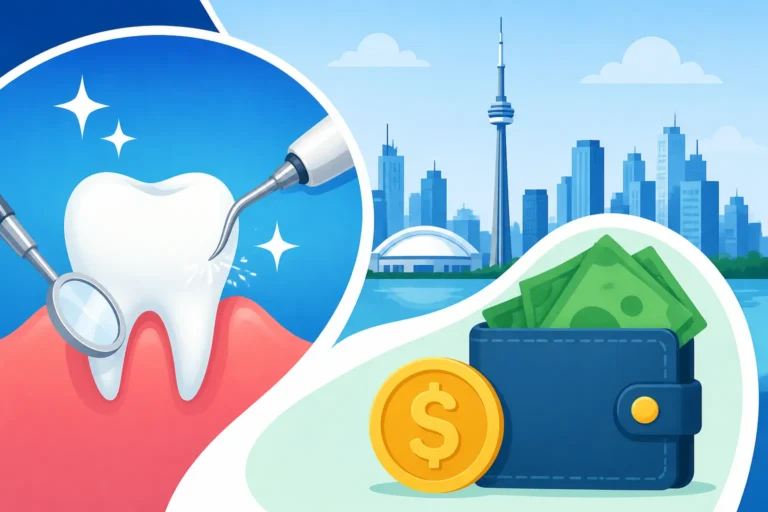
- Dental care: Routine check-ups, cleanings, fillings, extractions. While a new Canadian Dental Care Plan is rolling out, eligibility is specific and not universal. You'll often need private insurance or pay out of pocket for most dental work.
- Vision care: Eye exams (for adults between certain ages) and corrective lenses (glasses, contact lenses). Children and seniors often have some coverage for eye exams, but adults generally do not.
- Prescription medications: Many provincial plans have limited coverage for prescription drugs, especially for adults not meeting specific criteria (e.g., low income, seniors). You'll typically pay for the majority of your prescriptions out-of-pocket or through private insurance. For a comprehensive overview, read our guide on Understanding Prescription Drug Coverage and Pharmacare in Canada.
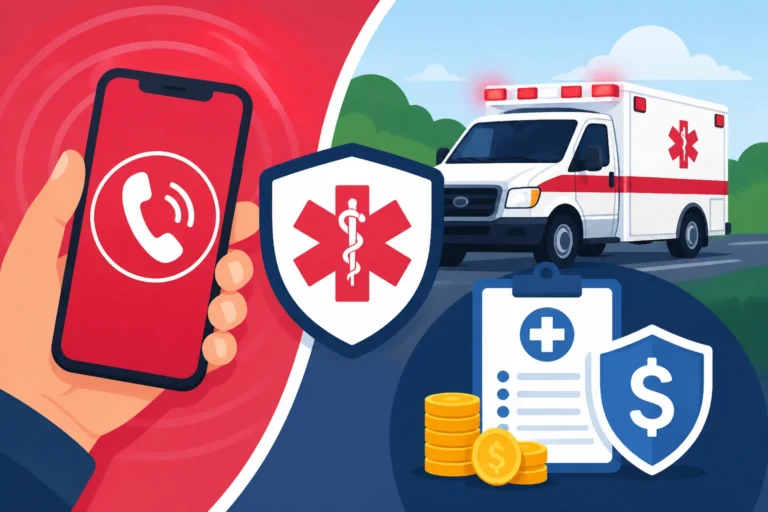
- Ambulance services: While critically necessary, ambulance rides often come with a fee, sometimes hundreds of dollars, if you don't have supplementary private insurance or if the service isn't deemed medically necessary for a hospital admission.
- Physiotherapy, chiropractic care, massage therapy: While some limited coverage might exist in specific situations or for certain age groups, these are generally not covered by provincial plans.
- Private hospital rooms: If you opt for a private or semi-private room in a hospital, you'll be billed for the difference.
- Mental health services: While some psychological and counselling services are increasingly covered by public health or community programs, extensive private therapy is often out-of-pocket or covered by private plans.
It's a big list of things to consider. My advice? Don't assume anything is covered until you confirm it. To learn more about what your provincial plan does and doesn't cover, take a look at our article: Understanding What Provincial Health Plans Do and Don't Cover in Canada.
The Critical Role of Private Health Insurance
Given the waiting period and the significant gaps in provincial coverage, private health insurance becomes an absolute lifesaver for newcomers. Seriously, don't skimp on this. It's not an optional extra; it's a necessity that provides a crucial safety net, particularly during those vulnerable first few months.
Imagine arriving in Toronto or Vancouver, full of plans, and then needing an emergency appendectomy before your OHIP or MSP kicks in. Without private insurance, that could easily run you into tens of thousands of dollars. Having a robust private plan in place means you're protected from catastrophic financial burdens during this transition.
Many newcomers opt for travel medical insurance or specific newcomer health insurance plans for this initial period. Brands like SafetyWing are particularly popular among expats and digital nomads for their flexible, comprehensive coverage options that can bridge the waiting period. They offer plans that cover emergencies, doctor visits, and even some repatriation, which is vital when you're establishing yourself in a new country. It’s peace of mind wrapped up in a policy.
Beyond the waiting period, private health insurance can continue to fill the gaps in provincial coverage. This supplementary insurance, often available through employers or purchased individually, typically covers dental care, vision care, prescription drugs, paramedical services (like physiotherapy), and sometimes private hospital rooms. So, even after you get your provincial health card, you might consider keeping some form of private coverage, especially if your employer doesn't offer a comprehensive benefits package. It's a smart investment in your health and your wallet. For detailed guidance on getting set up, read our guide on How to Get Private Health Insurance to Cover the Waiting Period in Canada.
Costs You Might Still Face (Even with Coverage)
Even once you're fully integrated into the provincial healthcare system, it's essential to understand that not everything is "free." There are many scenarios where you'll still encounter out-of-pocket costs, and knowing what these are beforehand can save you a lot of stress and unexpected bills.
Uncovered Medical Expenses and Out-of-Pocket Costs
Let's break down some common scenarios where you'll likely be paying directly:
- Ambulance Fees: As mentioned, if you call an ambulance in an emergency, you might receive a bill. The cost can vary significantly by province and whether the service leads to hospital admission. For example, in Ontario, if you're transported to the hospital and admitted, you might pay around $45, but if you're not admitted, or if the service is deemed unnecessary, the fee can skyrocket to over $200. These are costs often overlooked but can hit hard.
- Prescription Drugs: Unless you have supplementary private insurance or fall into specific provincial programs (like Ontario's Trillium Drug Program for high drug costs relative to income, or specific plans for seniors/children), you will pay for the majority of your prescription medications. Generic versions are usually more affordable, but specialized drugs can be very expensive.
- Dental Work: General dental care – cleanings, fillings, root canals, crowns – is almost universally an out-of-pocket expense or covered by private plans. The new Canadian Dental Care Plan (CDCP) aims to help eligible Canadians, but it's not for everyone and has specific criteria. Don't assume your teeth are covered just because your heart is!
- Eye Exams and Glasses/Contacts: Adult eye exams are typically not covered by provincial plans, costing anywhere from $80-$150. Glasses and contact lenses are entirely out-of-pocket, and good quality eyewear can be quite pricey.
- Physiotherapy, Chiropractors, Massage Therapy: If these are not covered by your employer's private benefits or a specific, limited provincial program (e.g., post-surgery rehab), you'll be paying per session. A single physiotherapy session can cost $75-$150.
- Travel Medical Insurance: When you travel outside your province or Canada, your provincial health plan provides very limited coverage. You absolutely need separate travel medical insurance, even for short trips to the US. This is another area where companies like SafetyWing offer robust international coverage, which is a smart choice for any expat who might travel back home or explore beyond Canada.
- Medical Services Not Deemed "Medically Necessary": Elective cosmetic surgery, certain fertility treatments, or alternative therapies might not be covered.
- Seeing a Doctor Without a Provincial Health Card: If you haven't received your provincial health card yet and need to see a doctor or visit an urgent care clinic, expect to pay cash. A basic doctor's visit could be anywhere from $100-$250, and an emergency room visit without coverage can run into thousands. This highlights again why having private insurance like SafetyWing for that initial period is non-negotiable.
Planning for the Unexpected: Financial Preparedness
Understanding these potential costs means you can plan for them. It's not about fearing the system, but rather being realistic about how it functions for newcomers.
- Budget for out-of-pocket medical expenses: Even with provincial coverage, set aside some funds for dental work, glasses, or prescription refills. Think of it as a part of your regular cost of living.
- Get private insurance for the waiting period: I cannot stress this enough. Look into providers that specialize in coverage for newcomers or long-term travel. Having that coverage from day one means you can focus on settling in, not on worrying about an unexpected medical bill.
- Explore employer benefits: If you secure a job in Canada, inquire about their group health benefits. Many employers offer excellent supplementary plans that cover dental, vision, and prescription drugs, significantly reducing your out-of-pocket costs.
- Understand your provincial plan's limits: Take the time to actually read up on what your specific provincial health plan covers. Each province has its own detailed information online (e.g., OHIP for Ontario, MSP for British Columbia, RAMQ for Quebec). This will help you make informed decisions about supplementary private insurance. For a general understanding, our guide on The Cost of Healthcare in Canada: A Complete Breakdown for Newcomers (2026) will be useful.
- Build an emergency fund: Beyond health-specific costs, having a general emergency fund is crucial in a new country. Medical incidents are just one of many unexpected expenses you might face.
Here's a quick comparison of what you can typically expect from provincial coverage versus the benefits of having private insurance as a newcomer:
| Service/Benefit | Provincial Health Plan (Once Eligible) | Private Health Insurance (Highly Recommended for Newcomers) |
|---|---|---|
| Waiting Period Coverage | No | Yes |
| Doctor Visits (Medically Necessary) | Yes | Yes (often reimburses costs during waiting period) |
| Hospital Stays (Medically Necessary) | Yes | Yes (often reimburses costs during waiting period) |
| Emergency Room Visits | Yes | Yes (often reimburses costs during waiting period) |
| Dental Care (Routine) | Limited/No | Yes (often includes check-ups, cleanings, fillings) |
| Vision Care (Adult Exams, Glasses) | Limited/No | Yes (often includes eye exams, partial coverage for eyewear) |
| Prescription Drugs | Limited (specific programs/criteria) | Yes (covers a significant portion of drug costs) |
| Ambulance Services | No (fee usually applies) | Yes (often covers ambulance fees) |
| Physiotherapy/Chiropractic | Limited/No | Yes (often covers a portion of costs) |
| Private/Semi-Private Hospital Rooms | No | Yes (covers the difference) |
| Travel Medical Coverage | Very Limited | Yes (critical for travel outside province/country) |
Remember, getting your provincial health card is one of the most important first steps. Our article How to Apply for Your Provincial Health Card in Canada (2027) walks you through the process. Once you have that, and ideally a good private plan, you'll be well-prepared to navigate the Canadian healthcare landscape.
Ultimately, while the promise of "free healthcare" is what draws many to Canada, the reality for newcomers is more nuanced. It’s publicly funded, yes, and an incredible system once you're fully integrated. But getting there requires careful planning, especially around the initial waiting period and understanding the services not covered by public funds. Being proactive about private health insurance and budgeting for those extra costs will ensure you and your family can access the care you need without undue financial stress.
Disclaimer
The information provided in this article is for general guidance and informational purposes only and does not constitute medical, legal, or financial advice. Healthcare policies and eligibility criteria in Canada can change frequently and vary by province and individual immigration status. Always consult with official government sources, an immigration consultant, or a healthcare professional for the most accurate and up-to-date information regarding your specific situation.