Can My Spouse Work on an Open Work Permit in Canada?
One of the biggest anxieties for newcomers dreaming of a life in Canada is often not just about their own path, but about their family's too. You're wondering if your partner, your spouse, can actually work here, contributing to your new life and finding their own professional footing. It's a massive concern, and honestly, a valid one. This guide is here to shed light on that exact question, specifically focusing on how your spouse can obtain an open work permit and navigate the Canadian job market.
Understanding the Open Work Permit for Spouses in Canada
It's a common story: one spouse lands a job offer or a study permit in Canada, and the other wonders what their options are. Will they be stuck at home, unable to contribute financially or professionally? Thankfully, Canada often has provisions for spouses, and the open work permit is frequently the golden ticket. It's a crucial piece of the immigration puzzle that offers incredible flexibility, and understanding it is key to a smoother transition for your entire family.
What Exactly Is an Open Work Permit?
Let me tell you, when you're wading through all the immigration jargon, an "open work permit" is truly a beacon of hope for many families. Unlike a "closed" or "employer-specific" work permit, which ties you to a single employer, an open work permit does exactly what its name suggests: it opens up your employment options. This means your spouse can work for virtually any eligible employer in Canada, in any occupation, and in any location across the country. They don't need a Labour Market Impact Assessment (LMIA) from an employer, and they don't need a pre-arranged job offer to apply for or hold this permit.
Imagine the relief! No more frantic job searches just to secure a permit. No more worrying if a potential employer is willing to jump through bureaucratic hoops for an LMIA. Your spouse has the freedom to explore the Canadian job market on their own terms, to find a role that truly fits their skills and aspirations. This flexibility is invaluable, reducing a huge layer of stress that often comes with international relocation. It really empowers the accompanying spouse to become an active, contributing member of Canadian society from day one, not just a dependent waiting on the sidelines.
Eligibility Criteria: Who Qualifies for a Spousal Open Work Permit?
Now, while the open work permit is fantastic, it's not universally granted. There are specific criteria that usually revolve around the status of the "principal applicant"—that's you, the one whose initial visa brought you to Canada. Generally, to be eligible for an open work permit, your spouse must be either:
- The Spouse or Common-Law Partner of a Highly-Skilled Foreign Worker: If you, the principal applicant, hold a work permit for a job classified under the National Occupational Classification (NOC) TEER 0, 1, 2, or 3 (which generally covers managerial, professional, technical, or skilled trades occupations), your spouse will likely be eligible for an open work permit. This is a huge incentive for skilled workers to choose Canada, knowing their families can thrive too.
- The Spouse or Common-Law Partner of an International Student: If you're studying full-time at a designated learning institution (DLI) in Canada and hold a valid study permit, your spouse might be eligible. This is a common path for many families, allowing one partner to pursue education while the other supports the family through work.
- The Spouse or Common-Law Partner of an Atlantic Immigration Program (AIP) Participant: The AIP is designed to help skilled foreign workers and international graduates settle in Atlantic Canada. If you're participating in this program, your spouse will typically be eligible for an open work permit.
It's crucial to understand what "spouse" or "common-law partner" means in Canada. A "spouse" is legally married to you. A "common-law partner" is someone who has lived with you in a conjugal relationship for at least one year. You'll need solid proof of your relationship, whether it's a marriage certificate or documents demonstrating your shared life, like joint bank accounts, utility bills, or a rental agreement.
Your own work permit or study permit must also be valid for a certain duration, typically at least six months, for your spouse to apply for their open work permit. The duration of their open work permit will usually match yours. This eligibility framework is designed to support family unity and ensure that skilled individuals and students can bring their loved ones along on their Canadian journey, fostering a more stable and integrated community. You'll want to review your specific situation and refer to IRCC (Immigration, Refugees and Citizenship Canada) guidelines, as these criteria can sometimes have nuances or be updated.
The Application Process: Getting Your Spouse Their Work Permit
Alright, so you know the open work permit is the way to go, and you’re pretty sure your spouse qualifies. Excellent! Now comes the slightly less exciting, but absolutely critical, part: the application itself. Don't worry, it's a well-trodden path, and many have navigated it successfully. The key is thoroughness and patience.
Essential Documents and Information Needed
Gathering your documents is often the most time-consuming step, so it’s best to get a head start. Think of it like building a case: you need to present clear, undeniable evidence to the immigration officers. Here’s a general checklist of what your spouse will typically need:
- Proof of Relationship: Your marriage certificate, or comprehensive proof of your common-law partnership (e.g., shared lease agreements, joint bank statements, utility bills addressed to both of you, photos, affidavits from friends/family). This is absolutely critical.
- Passport: A valid passport for your spouse. Ensure it has plenty of validity remaining, as their work permit won't exceed its expiry.
- Primary Applicant's Status Documents: Your valid Canadian work permit or study permit, along with any supporting letters from your employer or Designated Learning Institution (DLI).
- Immigration Forms: You'll need to complete specific IRCC forms, such as the "Application for a Work Permit Made Outside of Canada" (IMM 1295) or "Application to Change Conditions, Extend my Stay or Remain in Canada as a Worker" (IMM 5710) if applying from inside Canada, and the "Family Information" form (IMM 5645). Always download the latest versions directly from the IRCC website to avoid using outdated forms.
- Digital Photo: A recent passport-style photo that meets IRCC specifications.
- Proof of Financial Support: Evidence that you can support yourselves financially in Canada. This could be bank statements, employment letters, or your pay stubs.
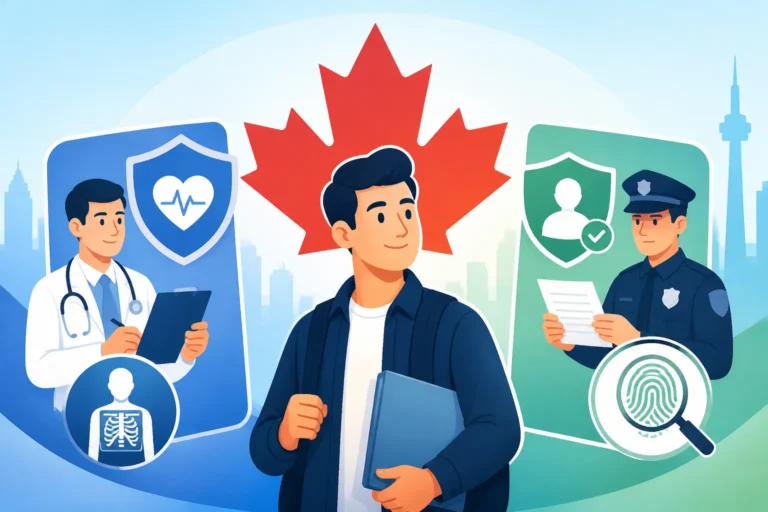
- Medical Exam: Depending on your country of origin or if your spouse intends to work in certain occupations (like healthcare or education), a medical examination might be required. You'll usually get instructions from IRCC if this is the case.
- Police Certificates: Again, depending on previous countries of residence, police certificates might be requested.
It's really important to ensure every document is accurate, clear, and translated by a certified translator if it's not in English or French. Any discrepancies or missing information can cause significant delays or even refusal. Trust me, you don't want to go through the heartache of a refusal simply because you rushed a step or missed a document.
Step-by-Step Application Guide
Once you've got your documents lined up, it’s time to apply. Most applications are now handled online, which is generally more efficient than paper applications.
- Create an IRCC Secure Account: If you don't already have one, your spouse will need to create an account on the official IRCC website. This is where you'll upload all your documents and communicate with IRCC.
- Complete the Online Questionnaire: The system will guide your spouse through a questionnaire to determine their eligibility. Be honest and accurate with your answers. Based on the responses, it will generate a personalized document checklist.
- Upload Documents: Carefully upload each required document to the corresponding section. Double-check that all files are legible and correctly labelled. This is where that comprehensive list from the previous section comes in handy!
- Pay Fees: There will be an application fee for the open work permit. As of 2026, the work permit processing fee is typically around CAD $155, plus an additional open work permit holder fee of CAD $100. Be prepared for biometric fees as well (around CAD $85 per person). These fees can add up, so factor them into your budget.
- Biometrics (if required): After submitting the application and paying fees, your spouse will receive a Biometric Instruction Letter. They'll need to attend an appointment at a designated Service Canada location to provide their fingerprints and a photo. Make sure to do this within the specified timeframe.
- Wait for a Decision: This is where the patience comes in. IRCC processing times can vary widely based on the office, the volume of applications, and the complexity of your case. You can check estimated processing times on the IRCC website, but remember these are just estimates. Keep an eye on your IRCC account for updates.
While waiting, avoid submitting duplicate applications or constantly contacting IRCC unless there’s a significant change in your situation. They will reach out if they need more information. This entire process, from document gathering to submitting, can feel like a marathon, but staying organized and informed will make it much smoother. And remember, if you're planning a big move, companies like Sirelo can help you manage the logistics of getting your belongings to Canada, which can free up some mental space for the permit application process.
Here’s a quick overview of the essential documents:
| Document Type | Purpose | Key Details |
|---|---|---|
| Passport | Identity and Travel Document | Valid for at least 6 months beyond intended stay; clear scans of all relevant pages. |
| Proof of Relationship | Confirming Spousal/Common-Law Status | Marriage certificate, joint utility bills, bank statements, photos, affidavits. |
| Primary Applicant's Status | Confirming Eligibility | Valid Canadian work permit or study permit, employment letter, DLI enrollment. |
| Immigration Forms | Official Application | IMM 5710 (or IMM 1295), IMM 5645, all current versions from IRCC. |
| Digital Photo | Identification | Meets IRCC specifications (size, background, recency). |
| Proof of Funds | Financial Capability | Bank statements, employment letters, pay stubs, showing ability to support self. |
| Medical Exam | Health Assessment (if required) | Confirmation from IRCC designated panel physician. |
| Police Certificates | Criminal Record Check (if required) | From countries where spouse lived for 6+ months since age 18. |
Life and Work with a Spousal Open Work Permit
Congratulations! Your spouse has their open work permit in hand. This is a moment to celebrate. But now, the real adventure begins: integrating into Canadian life and finding their place in the professional landscape. This permit unlocks so many possibilities, but it's still up to you both to make the most of it.
Job Hunting and Employment in Canada
The beauty of the open work permit is that it truly levels the playing field for your spouse when it comes to job searching. They can apply for any job they are qualified for, without the added complexity of needing employer sponsorship or an LMIA. This removes a significant barrier that often frustrates newcomers.
However, "open" doesn't mean "easy." The Canadian job market can be competitive, and adapting your resume for the Canadian job market and understanding local expectations are crucial steps. Here are a few tips:
- Networking: This is probably the most powerful tool. Attend industry events, join professional associations, and use platforms like LinkedIn extensively. Many jobs are filled through referrals.
- Job Boards: Explore popular Canadian job boards like Indeed, LinkedIn, Eluta.ca, and the federal government's Job Bank.
- Tailor Your Resume and Cover Letter: Canadian resumes are typically concise and achievement-oriented. Make sure to adapt your resume for the Canadian job market, highlighting transferable skills and using Canadian-English spelling and grammar.
- Volunteer or Intern: If breaking into a new field or gaining "Canadian experience" is challenging, consider volunteer work or internships. These can provide valuable local references and expand your network.
Remember, the flexibility of the open work permit means your spouse isn't pressured to take the first job offer that comes along just to maintain status. They can truly seek out a role that aligns with their career goals, even if it takes a little longer.
Maintaining Status and Future Pathways
Having the open work permit is fantastic, but it's not a set-it-and-forget-it situation. It's tied to the validity of the principal applicant's permit (your work or study permit). This means:
- Renewals are Crucial: If your status in Canada is extended, your spouse will likely need to apply to renew their open work permit before it expires. Don't leave this until the last minute; IRCC processing times can be long. Always aim to apply well in advance of the expiry date to maintain implied status.
- Pathways to Permanent Residency: An open work permit can be a stepping stone towards permanent residency for your spouse. Work experience gained in Canada, especially in skilled occupations, can contribute to their eligibility for programs like the Canadian Experience Class in Express Entry, which is a popular route for individuals who have gained Canadian work experience. Your spouse's work experience could also boost your Comprehensive Ranking System (CRS) score if you are in the Express Entry pool.
- Changes in Principal Applicant's Status: If your status changes (e.g., you transition from a work permit to permanent resident status), this could affect your spouse's future permit options. Always consult IRCC guidelines or an immigration lawyer if there's a significant shift in your immigration journey.
Understanding these implications ensures that your family's immigration journey remains on track, allowing your spouse to continue their professional growth in Canada without unnecessary interruptions.
Navigating Practicalities: Healthcare and Other Services
Beyond the work permit itself, there are other practical aspects of life in Canada that your spouse will need to navigate as a newcomer.
- Healthcare Access: Once your spouse arrives and receives their work permit, they will generally become eligible for provincial health coverage, just like any other resident. This means they can apply for a provincial health card (like OHIP in Ontario, MSP in British Columbia, or RAMQ in Quebec). However, it's vital to be aware of The Newcomer Waiting Period for Provincial Health Coverage in Canada (2027), which can be up to three months in some provinces. During this period, having private health insurance, such as from a provider like Cigna Global, is highly recommended to cover any unforeseen medical emergencies. You absolutely don't want to be caught off guard by a hefty hospital bill during those initial weeks.
- Social Insurance Number (SIN): Your spouse will need to apply for a Social Insurance Number (SIN) from Service Canada. This nine-digit number is essential for working in Canada, filing taxes, and accessing government benefits. It's a quick and relatively straightforward process once they have their open work permit. You can find more information on how to apply for a SIN in Canada.
- Banking: Opening a Canadian bank account is another fundamental step. Most major banks offer newcomer packages, which can simplify the process. Your spouse can open a joint account with you or a separate one, depending on your family's financial setup.
- Driver's Licence: If your spouse plans to drive, they'll need to understand the process for exchanging their foreign driver's licence in Canada or applying for a new one, which varies by province. You can find more information on How to Exchange a Foreign Driver's Licence in Canada.
Navigating these practicalities can feel like a lot at once, but tackling them systematically will help your spouse feel more settled and prepared for their new life and career in Canada.
Common Challenges and Important Considerations
It is worth knowing that while the open work permit for spouses is a fantastic opportunity, it's not always smooth sailing. There are challenges and considerations that every family should be aware of, so you can prepare yourselves both practically and emotionally.
Waiting Periods and Delays
One of the most common frustrations for anyone dealing with Canadian immigration is the wait. IRCC processing times can be unpredictable. While the official website provides estimates, sometimes applications can take longer, leading to anxious periods of uncertainty. This is particularly stressful if your spouse is eager to start working and contributing.
Imagine you've arrived, you're trying to set up your new home, and your spouse is ready to hit the ground running with job applications, but their work permit is still in limbo. It can be incredibly disheartening. My advice? Build a buffer into your financial planning. Don't count on your spouse's income starting immediately. Have enough savings to comfortably cover your family's expenses for several months beyond the estimated processing time. Regularly check your IRCC online account for updates, but try to avoid obsessive checking, which only adds to the stress. Patience, as cliché as it sounds, truly is a virtue here.
Financial Preparedness and Support
Moving to Canada is a significant financial undertaking, and waiting for a spousal open work permit can add another layer of financial strain. Even with the freedom to work, landing a job can take time, particularly if your spouse needs to adjust to a new professional culture or language.
- Initial Costs: Beyond the application fees for the permit itself, consider the cost of living in Canada, especially in major cities like Toronto or Vancouver. Rent, groceries, transportation – these expenses can quickly deplete savings. Having a robust financial plan for your first few months, or even your first year, is paramount.
- Impact of Unemployment: If your spouse is unable to work for an extended period, how will this impact your family's budget? It's essential to have a clear understanding of your household income and expenses. This planning should ideally begin long before you even set foot in Canada. If you're coordinating a big international move, don't forget the costs and logistics of moving your belongings. Services like Sirelo can help you compare moving companies and get estimates, ensuring your household goods arrive safely and within budget, which is one less thing to worry about during this financially sensitive period.
- Emergency Fund: Always have an emergency fund set aside. Life happens, and unexpected expenses can crop up, whether it's a medical issue (especially during a healthcare waiting period, where private insurance like Cigna Global is a lifesaver) or a sudden need for new winter clothing. Being financially prepared helps cushion the blow of these challenges.
Understanding Provincial Variations
While the open work permit itself is a federal immigration document, life and work in Canada are heavily influenced by the province or territory you choose. Each province has its own unique job market, cost of living, regulations, and even healthcare systems.
For instance, the job opportunities in tech might be booming in Vancouver or Toronto, but perhaps less so in a smaller Atlantic province, where the focus might be on specific industries like healthcare or skilled trades. Similarly, while provincial health coverage is a federal right for eligible residents, the actual process to How to Apply for Your Provincial Health Card in Canada (2027) and the specific services covered can differ significantly between provinces. Understanding the Difference Between Provincial Plans Across Canada is crucial.
Do your research on your chosen province and city. Explore local job markets, connect with expat communities there, and understand the specific provincial regulations that might impact your spouse's job search or daily life. This foresight will not only help your spouse secure employment faster but also ensure a smoother, more informed transition into their new Canadian home.
Disclaimer
Please note that the information provided in this article is intended for general guidance only and does not constitute legal advice. Immigration policies and regulations in Canada are subject to change. For the most accurate and up-to-date information, or for advice pertaining to your specific situation, please consult the official website of Immigration, Refugees and Citizenship Canada (IRCC) or a Regulated Canadian Immigration Consultant (RCIC) or immigration lawyer.