Understanding the Cost of Private and Public Schools in Canada
One of the biggest anxieties for new families arriving in Canada is figuring out the school system. You hear it's "free," but then you start seeing fees, forms, and whispers about private schools, and suddenly, that clear picture gets incredibly muddled. This guide is here to untangle all of that for you, explaining what you actually pay for when it comes to both public and private schooling across Canada.
The Public School System: "Free" Isn't Exactly Free
When you first land in Canada, the idea of "free public education" sounds like a dream, especially if you're coming from a country with high tuition fees for primary and secondary schooling. And largely, it is true: core academic instruction from Kindergarten through Grade 12 is publicly funded and free for Canadian citizens and permanent residents, and often for those on work or study permits residing in the province. However, as an expat who's been through the Canadian system with my own kids, I can tell you that "free" rarely means zero cost out of your pocket. It's more like "tuition-free," but many other expenses can quickly add up.
Core Tuition and Registration for Residents
For most newcomers with eligible immigration status, your children can attend their local public school without paying tuition fees. This covers the essential curriculum, the teachers' salaries, and the basic operation of the school. When you arrive and go to register your child, typically at the school closest to your residence, you won't be handed a bill for enrolment. This is a huge relief for many families who are already navigating The Complete Guide to Cost of Living in Canada for Newcomers (2026). The process usually involves proving your residency, your child's age, and their immigration status. You'll typically need documents like your lease agreement or utility bill, your child's birth certificate or passport, and your immigration documents. Each province has slightly different rules, and even within provinces, school boards might have specific requirements. For example, in Toronto, the Toronto District School Board (TDSB) makes it quite clear that children residing in the city are eligible. This foundational "free" aspect is one of the pillars of Canadian society, designed to provide equitable access to education for everyone.
Unexpected Costs: What You Actually End Up Paying For
Now, let's talk about the reality check. While the tuition is free, there's a myriad of other costs that trickle in throughout the school year. These aren't mandatory in the sense that your child will be denied an education without them, but they significantly enhance (or are sometimes essential for) the school experience. For instance, my kids’ school often asked for small fees for field trips – a bus ride to a local museum, an outing to a conservation area, or a visit to a play. These might be $10, $20, or even $50, and while optional, who wants their child to miss out? Then there are school supplies; while some basic supplies are provided, you'll still be buying notebooks, pens, crayons, calculators, and backpacks. Think about that fresh start every September – it always comes with a shopping list.
Beyond that, you'll encounter costs for extracurricular activities. Does your child want to join the soccer team? There might be a uniform fee and travel costs for away games. Is there a drama club? Costumes and tickets to the play. Music lessons, yearbook fees, graduation event costs – these are all par for the course. Technology fees, though less common now, used to pop up for computer lab maintenance or specialized software. Many schools now expect students to have a device for learning, whether it's an iPad or a laptop. While most public schools don't require you to buy a specific device, having one often becomes a practical necessity. These hidden costs can really sneak up on you, so it's wise to budget for them when planning your family's finances. As you're settling in, don't underestimate these small but frequent expenditures.
Provincial Variations in Public School Costs
It’s important to remember that Canada is a federation of provinces, and while the general principle of free public education holds true, the specifics can vary. What's considered "essential" and therefore covered by public funds in one province might be an extra charge in another. For instance, some provinces might have better funding for school sports programs, leading to lower fees for parents, while others might rely more heavily on parental contributions or fundraising.
For example, in Ontario, the Ministry of Education sets broad guidelines, but individual school boards (like the TDSB in Toronto, or the Peel District School Board) have some autonomy in what they charge for. You might find significant differences in "activity fees" or fundraising expectations from one school board to another, or even between schools within the same board, depending on their demographics and parent council initiatives. Similarly, in British Columbia, while core instruction is free, school districts often have "school fees" for non-instructional activities, supplies, and technology, which can range from $20 to $100 or more per student per year. Quebec's public schools, particularly at the high school level, might have mandatory textbook rental fees or material costs that are less common elsewhere. These variations mean that if you're exploring The Best Places to Live in Canada for Newcomers: A Complete Guide (2027), it's not just the cost of living you need to consider, but also the nuances of their education system's associated fees.
Diving into Private Schools: A Spectrum of Costs
If public education isn't quite hitting the mark for your family, or if you're seeking a specific academic or religious environment, private schools are a significant alternative. However, be prepared for a substantial financial commitment. Private schools in Canada operate independently of the public system, meaning they rely on tuition fees and donations to cover their operational costs. The range of private schools is vast, from small, local religious schools to prestigious, centuries-old boarding schools, and their price tags reflect this diversity.
Types of Private Schools and Their Price Tags
The landscape of private education in Canada is incredibly diverse, and so are the fees. At the lower end, you might find small, faith-based schools (e.g., Christian, Islamic, Jewish schools) that are community-supported and can have tuition fees ranging from $5,000 to $15,000 per year. These often offer a strong value proposition, providing a focused environment with a specific ethical framework without the astronomical costs of larger institutions.
Moving up the scale, independent schools, which might include Montessori, Waldorf, or schools offering specialized curricula like the International Baccalaureate (IB) program, typically fall into the $20,000 to $35,000 per year range. These schools often boast smaller class sizes, specialized facilities (science labs, art studios, sports complexes), and a broader range of extracurricular activities. For instance, a well-known independent school in Toronto, like Upper Canada College or Bishop Strachan School, can have annual day tuition fees upwards of $40,000 to $60,000. And if you're looking at prestigious boarding schools, especially for older students, the costs can skyrocket even further, easily hitting $65,000 to $85,000 per year, covering accommodation, meals, and a full program. These figures are subject to annual increases, so it's always best to check the latest fee schedules directly from the schools you're interested in.
What Annual Tuition Typically Covers
While the sticker price for private school tuition can be daunting, it's important to understand what those fees generally cover. A significant portion goes towards covering teacher salaries, often allowing for smaller class sizes and more individualized attention – something many parents feel is worth the investment. It also funds advanced facilities that might not be available in public schools, such as state-of-the-art sports complexes, theatres, specialized art studios, and cutting-edge technology infrastructure. Most private school tuition will include core academic programs, textbooks, and basic school supplies.
However, even with high tuition, it's rare for everything to be included. You'll often find that certain "extras" are still billed separately. This might include specialized music lessons, extended care programs before or after school, some uniforms, or certain optional extracurricular trips that involve international travel. It’s crucial to scrutinize the school's fee breakdown carefully. Many private schools pride themselves on a "no hidden fees" policy for the main academic program, but it's always wise to ask for a comprehensive list of all potential costs your child might incur throughout the year, from registration to graduation.
Application and Admission Fees: The Pre-Enrollment Costs
Before your child even sets foot in a private school classroom, you'll likely encounter a series of non-refundable fees just to get through the application process. This is often an overlooked aspect of the total cost. Most private schools charge an application fee, which can range from $100 to $500, simply to submit your child's application. This fee covers the administrative costs of processing documents, scheduling interviews, and sometimes an entrance exam. It's a non-refundable cost, so whether your child is accepted or not, that money is gone.
If your child is accepted, you'll then often need to pay a non-refundable enrollment deposit or a registration fee to secure their spot. This amount can vary widely, from a few hundred dollars to several thousand, and it's typically due within a short period of receiving the acceptance letter. This deposit usually goes towards the first year's tuition but is non-refundable if you later decide not to send your child there. Some schools might also have a one-time "new student fee" or a capital levy contribution upon admission, which helps fund facility upgrades or endowments. These pre-enrollment costs are a significant barrier for some families and highlight the competitive nature of private school admissions. Make sure you factor these initial outlays into your budget when you're exploring options for your family.
The True Cost: Beyond Tuition and Textbooks
Whether you choose the public or private route, there are many additional costs that contribute to the overall expenditure of educating a child in Canada. These are often the "surprise" expenses that can catch newcomers off guard, especially if they haven't experienced a similar education system before. Planning for these items is just as important as budgeting for rent or groceries.
Extracurricular Activities and Sports
Beyond the classroom, Canadian schools, both public and private, place a strong emphasis on extracurricular activities. From competitive sports teams (hockey, soccer, basketball, swimming) to drama clubs, debate teams, and various hobby groups, there's usually something for every child. However, participation often comes with a price tag. For public schools, these fees can cover equipment rentals, specialized coaching, transportation to away games or events, and sometimes even uniforms. For example, joining a school hockey team might involve hundreds of dollars for protective gear, skates, sticks, and team fees, even if the school itself doesn't charge for participation.
In private schools, while some basic extracurriculars might be included in the hefty tuition, specialized or competitive programs often incur additional costs. Think international school trips for cultural exchanges, advanced art classes requiring expensive materials, or specialized sports training camps. These can easily add thousands of dollars to your annual expenses. If your child is particularly active or talented in a specific area, these "optional" costs can become almost mandatory for their development and enjoyment. It’s a common frustration among parents, both expat and local, trying to give their kids the best opportunities without breaking the bank.
Technology, Supplies, and Uniforms
Another significant area of expenditure relates to school supplies, technology, and, for many private schools, uniforms. Every September, families embark on the annual school supply shopping spree. For public school students, this typically includes notebooks, binders, pens, pencils, scientific calculators, art supplies, and a decent backpack. While these aren't exorbitant individually, they add up, especially if you have multiple children. Many schools also now operate under a "bring your own device" (BYOD) policy, meaning your child might need a laptop or tablet for schoolwork, which is a considerable investment. Even before you physically arrive in Canada, staying connected with a reliable service like Airalo can help you research these requirements and costs online, ensuring you're prepared.
Private schools often streamline the supply list, but introduce the cost of uniforms. These aren't just any uniforms; they're specific branded items purchased from designated suppliers. A full set of school uniforms (including daily wear, gym strip, and sometimes formal attire) can easily cost $500 to $1,500, and you'll need to replace items as children grow or wear them out. Many private schools also require specific technology, such as a particular model of laptop or tablet, often purchased through the school or from approved vendors, adding another layer of cost.
Transportation and Meals
Getting to and from school, and what your child eats during the day, also contributes to the total cost. In many Canadian cities, particularly in urban areas, public school students might walk, bike, or use public transit. If they use public transit, you’ll be buying monthly passes or tickets. For younger children or those living further away, school bus services are often available in public schools, though eligibility is usually based on distance from the school and can vary by school board. If your child doesn't qualify for free bussing, you might opt for a paid bus service or drive them yourself, incurring gas and vehicle maintenance costs.
Private schools almost universally offer paid school bus services, often with various routes covering a wide area. These bus fees can be substantial, ranging from $1,500 to $4,000 or more per year, depending on the distance and the school. Some private schools also offer mandatory or optional lunch programs or cafeteria services. While convenient, these meal plans come at an additional cost, which can easily be $5 to $15 per day, adding hundreds or even a thousand dollars to your annual budget per child. It might seem small, but these regular expenses add up faster than you think.
Tutoring, Support, and Special Needs
Finally, it's worth considering potential costs related to academic support or special needs. While public schools are mandated to provide support for students with special educational needs, the resources can sometimes be stretched thin. If your child requires extensive one-on-one tutoring for a specific subject, or needs specialized therapy (like speech therapy or occupational therapy) beyond what the school can provide, you might end up paying for private services. These can be very expensive, often $50-$100+ per hour.
Private schools, with their generally smaller class sizes and more robust funding, often boast more comprehensive in-house support services for learning difficulties or gifted programs. However, for extremely specialized needs, even private schools might recommend external specialists, which again would be an out-of-pocket expense. Understanding What Provincial Health Plans Do and Don't Cover in Canada is crucial, as some therapies might have partial provincial coverage if prescribed by a doctor, but often educational support falls outside of health benefits. These costs are unpredictable but important to acknowledge, especially if your child has specific learning requirements.
Making Sense of the Investment: Public vs. Private
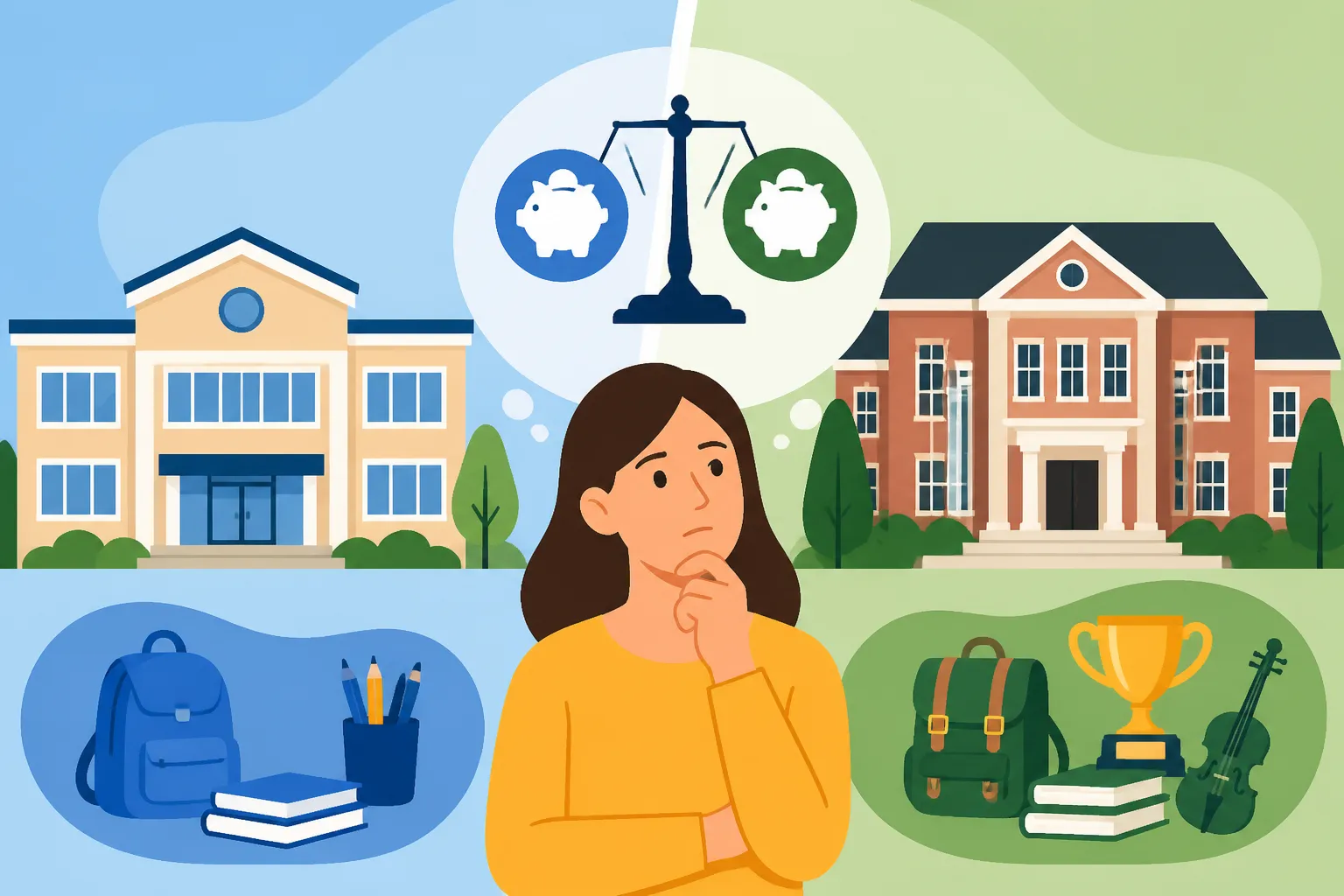
Choosing between public and private education is a deeply personal decision for many newcomer families in Canada, often weighing financial implications against educational philosophies and desired environments. It’s not just about the upfront costs, but the long-term impact on your child and your family's financial stability. When planning your move with services like Sirelo, exploring these options early can help you define your family's priorities.
Educational Philosophy and Environment
Public schools in Canada are diverse, reflecting the multicultural tapestry of the country. They aim to provide a well-rounded education to all students, following a provincial curriculum. Class sizes can vary significantly, especially in larger urban centres. For instance, a popular school in How to Find Family-Friendly Neighbourhoods in Toronto might have larger classes than one in a smaller town. The environment is generally inclusive, exposing children to a wide range of backgrounds and perspectives, which many parents value for developing social skills and a broad worldview. For many, the ability to How to Enrol Your Child in a Canadian School locally without tuition is a key benefit.
Private schools, on the other hand, often offer distinct educational philosophies. You might find schools focused on academic rigor, arts, sports, or specific religious values. Class sizes are typically much smaller, allowing for more individualized attention from teachers. This can be particularly appealing for children who thrive in more structured environments or require specific teaching approaches. Some private schools offer specialized curricula like the International Baccalaureate (IB), Advanced Placement (AP), or a Montessori approach, which might appeal to parents looking for specific pedagogical methods. The choice often comes down to whether you prioritize a broad, community-integrated experience or a more specialized, focused environment.
Post-Secondary Preparation and Networks
Both public and private schools in Canada aim to prepare students for post-secondary education, whether that's college, university, or trades. Public schools send millions of graduates to post-secondary institutions every year. They offer a range of academic courses and often have guidance counsellors to help students navigate university applications and career choices. Many public schools have strong reputations for academic excellence and can certainly open doors to top universities.
Private schools often highlight their strong track records for university admissions, with dedicated university counselling departments and a higher percentage of graduates attending prestigious universities, both in Canada and internationally. They might have established alumni networks that can be beneficial for future career prospects, and some offer specialized programs that give students a head start in certain fields. While this might sound like an advantage, it's crucial to understand that a private school education is not a guarantee of university admission; rather, it often provides additional resources and support that can aid in the application process. The prestige of attending a certain private school can open doors to certain social and professional circles, but it’s an intangible benefit that varies from person to person.
Weighing the Financial Strain
The financial implications are undeniably the most significant factor for many families. Public education, despite its hidden costs, remains a far more affordable option. This allows families to allocate more of their budget towards other essential aspects of settling in Canada, like housing, food, and other family experiences. The Complete Guide to Cost of Living in Canada for Newcomers (2026) clearly shows how tight budgets can be, so avoiding tuition fees can be a huge relief.
Private school tuition, especially for multiple children, represents a substantial financial burden. For many families, it requires meticulous financial planning, often involving sacrificing other expenditures or drawing from savings. It's an investment, similar to buying a car or a down payment on a house, and needs to be evaluated in that light. You need to consider whether the benefits offered by a private school truly align with your family's values and your child's needs, and if the financial strain will be manageable in the long term. Remember, the true cost extends beyond tuition, incorporating uniforms, transportation, extracurriculars, and various fees, so assess the complete financial picture.
Navigating Financial Support and Savings
Even with the significant costs associated with education in Canada, there are avenues for financial support and smart savings strategies that newcomer families can explore. These can help mitigate the burden, whether you're grappling with the "hidden" fees of public school or the substantial tuition of private institutions.
Scholarships, Bursaries, and Financial Aid for Private Schools
For families considering private education but daunted by the costs, it's worth investigating financial aid options. Many private schools offer scholarships and bursaries based on merit (academic achievement, athletic prowess, artistic talent) or financial need. Scholarships are typically awarded to students who demonstrate exceptional talent or academic excellence, while bursaries are granted based on a family's demonstrated financial need. These awards can significantly reduce tuition costs, making private school a more accessible option.
The application process for financial aid usually involves submitting detailed financial statements, tax returns, and other supporting documents to prove your income and assets. Deadlines for these applications are often much earlier than general admissions deadlines, so it's crucial to start researching and applying well in advance. Some schools also have specific programs for newcomers or international students. Don't be shy about asking the admissions office about their financial aid programs; you might be surprised at the opportunities available. This is a crucial step in understanding How Much Does It Cost to Study at the University of Toronto? or other post-secondary institutions, as many private schools offer excellent preparation and connections.
Government Programs and Tax Credits
While there are no direct government subsidies for private school tuition, and public school tuition is already free, there are broader government programs and tax credits that can indirectly help families with education-related expenses. The most prominent example is the Understanding the Canada Child Benefit and GST/HST Credit. The Canada Child Benefit (CCB) is a tax-free monthly payment made to eligible families to help them with the cost of raising children under 18 years of age. The amount you receive depends on your family's net income and the number of children you have. This benefit, while not specifically for education, can certainly ease the financial pressure of school supplies, extracurricular fees, or even contributing to private school tuition.
Furthermore, some provinces offer specific tax credits related to educational expenses, although these are more common for post-secondary education or for specific types of educational support (e.g., for children with disabilities). It's always a good idea to consult the Canada Revenue Agency (CRA) website or a tax professional to understand all eligible deductions and credits your family might qualify for as newcomers. Every little bit helps when you're managing the complex finances of a new life in Canada.
Long-Term Educational Savings (RESPs)
For parents looking to plan for their children's future education, a Registered Education Savings Plan (RESP) is an invaluable tool. An RESP is a special savings account that helps you save for a child's post-secondary education. The government encourages these savings by providing grants, primarily the Canada Education Savings Grant (CESG), which matches a percentage of your contributions (up to a certain annual and lifetime maximum). The money saved in an RESP grows tax-deferred, meaning you don't pay tax on the investment income until it's withdrawn by the student, who is usually in a lower tax bracket.
While RESPs are specifically designed for post-secondary education costs, starting one early can free up other parts of your family budget for K-12 expenses. The funds accumulated in an RESP can be used for a wide range of educational expenses, including tuition, books, and living expenses, for any eligible post-secondary program. As you consider Schools and Education in Canada: A Complete Guide for Newcomer Families, opening an RESP as soon as possible after arriving in Canada, even with modest contributions, can significantly boost your long-term savings for your child's academic future.
Disclaimer
The information provided in this article is for general guidance only and does not constitute professional financial, legal, or immigration advice. Educational costs, policies, and available support programs can change frequently and vary by province, school board, and individual institution. Readers are strongly advised to consult official government websites, school administrations, and qualified professionals for the most current and personalized information relevant to their specific situation.