How to Use the Presto Card and Public Transit in Canada
Arriving in Canada, you're immediately hit with a whirlwind of new systems and rules, and navigating public transit can feel like deciphering a cryptic code. While many big cities boast excellent public transportation, the payment methods and systems vary, often leaving newcomers scratching their heads. This guide will demystify one of Canada's most prevalent transit payment solutions – the Presto Card – and give you the lowdown on how to seamlessly get around Canadian cities, whether you're in a Presto-served region or somewhere with a different local system.
Understanding Public Transit in Canada: A Patchwork System
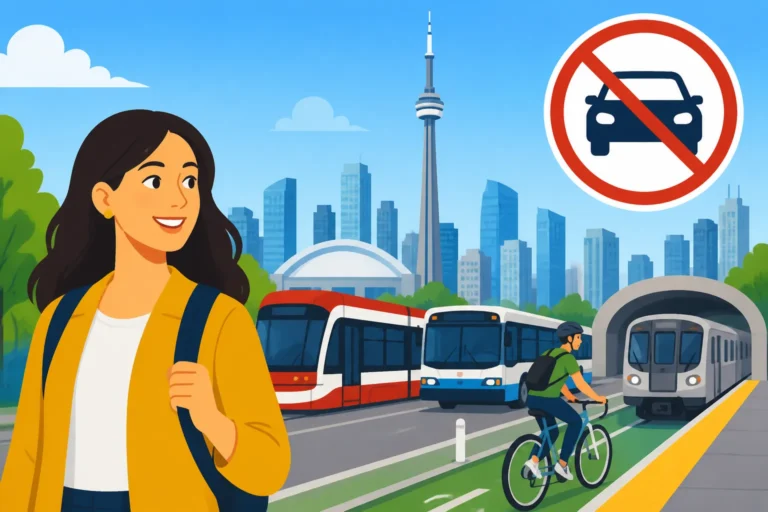
Let's be real, Canada is vast, and its public transit landscape is as diverse as its geography. Unlike some European countries with a unified national system, Canada operates with largely independent municipal and provincial transit authorities. This means that while the core goal is the same – getting people from A to B – the how-to can change dramatically from one city to the next, or even from one province to another. This can be a real headache when you're trying to figure out your daily commute or simply explore a new area.
When I first landed, I was used to one type of transit card working across an entire country, so the idea of different systems felt unnecessarily complicated. It often leads to the awkward situation of having to carry multiple transit cards or fumbling for exact change, which, let's face it, is a pain when you're just trying to get to work or your English class. The good news is that many major urban centres offer reliable and extensive networks, from subway lines and streetcars to buses and regional trains. The challenge is knowing which payment system applies where.
The costs associated with getting around are also a significant part of the overall The Complete Guide to Cost of Living in Canada for Newcomers (2026). Public transit, while generally more affordable than owning a car, still requires budgeting. Understanding monthly passes, single fares, and how to best utilize transfer systems will be crucial in managing your finances as you settle into Canadian life.
The Regional Divide of Transit Payment Systems
The sheer size of Canada means that what works in one province won't necessarily work in another, or even in a neighbouring city. In the Greater Toronto Area (GTA) and much of Southern Ontario, as well as in the Ottawa area, you'll be dealing with the Presto Card. It's a digital fare payment system designed to integrate multiple transit agencies. Think of it as your golden ticket for a significant chunk of Ontario.
However, venture out of this Presto zone, and you'll encounter completely different systems. In British Columbia's Lower Mainland, for example, TransLink uses the Compass Card. In Montreal, the Société de transport de Montréal (STM) relies on the OPUS card. Each system has its own rules for loading fares, tapping on and off, and handling transfers. It's not uncommon for newcomers to mistakenly assume a Presto card will work across the country, only to find themselves stuck when they travel to a city like Vancouver or Montreal.
Even within provinces, there can be nuances. While Presto is dominant in Ontario, there are still some smaller municipal transit systems that operate independently or use their own specific fare payment methods. It means you always need to do a quick check on the local transit authority's website when you're planning to travel outside your usual routine. This kind of regional variation is a fundamental aspect of Understanding the Difference Between Provincial Plans Across Canada for many administrative services, and transit is no exception.
Presto: Ontario and Ottawa's Unified Solution
The Presto Card is designed to simplify fares across numerous transit agencies in Ontario, making it a cornerstone for commuting in some of Canada's busiest regions. This includes the massive Toronto Transit Commission (TTC), which covers subways, streetcars, and buses in Toronto, and GO Transit, the regional rail and bus network connecting communities across the Greater Golden Horseshoe area of Ontario. Beyond Toronto, Presto is also used by OC Transpo in Ottawa, Brampton Transit, Burlington Transit, Durham Region Transit, Hamilton Street Railway (HSR), MiWay (Mississauga), Grand River Transit (GRT) in the Kitchener-Waterloo area, and York Region Transit (YRT).
The beauty of Presto is its interoperability. If you take a GO train from Burlington into Union Station in Toronto, and then transfer to the TTC subway, your Presto card handles both seamlessly, applying any eligible transfer discounts automatically. This is a massive improvement over the days of paper tickets and multiple tokens. For daily commuters navigating large urban sprawl, it's a game-changer. It means you don't need to carry cash or different passes for each leg of your journey, which can save a lot of stress, especially during rush hour.
However, even with Presto, there are still some quirks. For instance, while Presto is used by the TTC, there are specific fare policies that apply within the TTC network that differ from regional transit. Understanding these subtleties, like how transfers work between different modes of transport within Toronto or between the TTC and a regional bus service, is key to avoiding accidental overpayments or fare evasion fines. You'll find a deep dive into these networks in Understanding the TTC, GO Transit and City Transit Networks in Canada.
The Presto Card: Your Ticket to Southern Ontario Travel
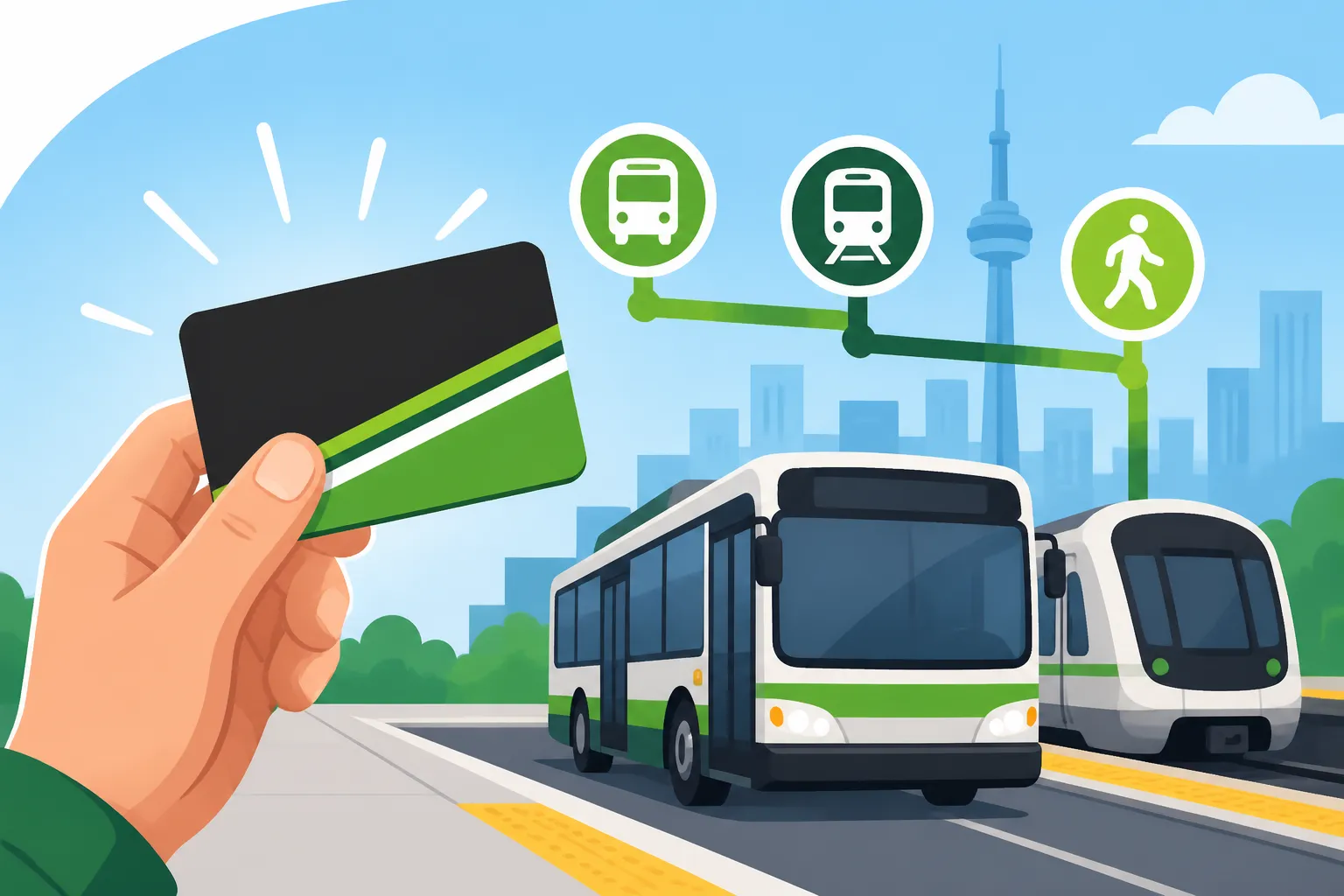
The Presto Card truly is the backbone of public transit for millions of people in Southern Ontario, including those in the Toronto and Ottawa areas. It’s a reloadable smart card that offers a convenient, touch-and-go way to pay your fare on participating transit systems. For newcomers, it’s one of the first things you’ll want to sort out if you plan on living in or frequently visiting these regions, as it streamlines your daily commute and weekend explorations.
Gone are the days of scrambling for exact change or digging for tokens. With Presto, you simply tap your card on a reader when boarding a bus or streetcar, or when entering and exiting a subway station or GO train platform. The system automatically calculates the correct fare, including any transfers or discounts you might be eligible for. This electronic payment method not only speeds up boarding times but also provides a detailed transaction history online, which can be super helpful for budgeting or expense tracking.
The shift to Presto has been a big part of modernizing transit in Canada's most populous region. It brings consistency to what was once a very fragmented system, allowing for smoother journeys even across multiple municipal borders. If you're pondering The Best Places to Live in Canada for Newcomers: A Complete Guide, and places like Toronto, Ottawa, or Mississauga are on your radar, understanding Presto is absolutely essential.
Benefits of Using a Presto Card
Beyond the sheer convenience, the Presto Card offers several tangible benefits that make it an indispensable tool for public transit users. One of the biggest advantages is the discounted fare compared to paying with cash or single-use tickets on some systems. For instance, on the TTC, a single Presto tap is often slightly cheaper than paying with a credit/debit card tap or a physical two-hour pass. These small savings add up over time, especially if you're a regular commuter.
Another significant benefit is the ease of transfers. When you use Presto, transfers between participating agencies are often free or heavily discounted within a set time frame (usually two hours), provided you tap your card correctly when transferring. For example, if you take a bus and then switch to the subway within the transfer window, your second tap won't charge you a new full fare. This flexibility is crucial for navigating larger cities like Toronto, where a typical journey might involve multiple modes of transportation.
Lastly, Presto offers features like fare capping and Auto-Reload. Fare capping means that once you've paid a certain number of fares within a week or month, you won't be charged for additional rides, essentially turning your usage into a virtual weekly or monthly pass. Auto-Reload automatically tops up your card balance when it falls below a certain threshold, ensuring you never run out of funds mid-journey. These features simplify budgeting and prevent the dreaded scenario of being stranded with an empty card.
Presto vs. Other Transit Payment Methods
While Presto holds sway in its designated regions, it's not the only game in town. Understanding how it compares to cash payments, debit/credit card taps, and other regional cards is crucial for making informed travel decisions across Canada. In some smaller towns or rural routes, cash remains the only option, requiring exact change – a relic from a bygone era that can still catch newcomers off guard.
In major cities outside the Presto network, you'll encounter proprietary systems. Vancouver's Compass Card, for example, functions similarly to Presto but is only valid on TransLink services. Montreal's OPUS card, too, is a reloadable smart card for the STM network. These cards are excellent within their respective jurisdictions but are useless outside them. This is why some newcomers find it frustrating; you might end up with a collection of transit cards if you travel across Canada frequently.
Increasingly, many transit agencies, including the TTC, are integrating direct debit/credit card tap-to-pay options. This is a fantastic convenience for occasional riders or tourists, as it bypasses the need for a dedicated transit card. However, these direct tap payments usually charge the standard single fare and might not always offer the same transfer benefits or discounted rates as a registered Presto Card. For a regular commuter, the Presto Card often remains the most economical and feature-rich choice, especially with benefits like fare capping or discounted passes loaded onto it.
Getting and Registering Your Presto Card
So, you've decided to embrace the Presto life – excellent choice if you're settling in a Presto-served area! Getting your card is usually a straightforward process, but like many administrative tasks in Canada, there are a few steps and details to keep in mind. Don't worry, it's not as convoluted as setting up your utilities, but it does require a bit of planning, especially if you want to take full advantage of its features from day one.
I remember when I first tried to get my Presto card; I wasn't sure if I needed a specific type of ID or if it was different from getting a regular debit card. The good news is that it's much simpler than opening a bank account as a newcomer in Canada, and you generally don't need any special identification to purchase one. However, registering it online is highly recommended to protect your balance and unlock certain features.
Once you have your card, the real beauty begins: loading it up and making it your gateway to exploring your new city. Whether you're heading to a job interview or just checking out new neighbourhoods, having your Presto card ready to go means one less thing to stress about when you're already figuring out where to Sign a Lease and Pay a Deposit in Canada or locate your nearest grocery store.
Where to Purchase Your Presto Card
Finding a Presto Card is usually quite easy in any of the participating regions. Your primary options are typically:
- Retail Locations: Many drugstores like Shoppers Drug Mart, supermarkets, and convenience stores within Presto-served areas sell Presto Cards. Look for the Presto logo or signs indicating card sales. This is often the quickest way to get a card in your hand. Just walk in, ask for a Presto Card, pay the card fee (typically around $4-$6, non-refundable), and you're good to go.
- Customer Service Outlets: Most major transit agencies, such as the TTC (at subway stations with collector booths or customer service centres) and GO Transit (at major stations), will have customer service desks or vending machines where you can purchase a card. These locations can also offer immediate assistance if you have questions or issues.
- Online: You can order a Presto Card online through the official Presto website. However, this option requires shipping, so it's not ideal if you need a card immediately upon arrival. This method is usually better for replacements or for those who like to have everything set up before they even land in Canada.
When you purchase a card, remember it usually comes with no balance on it. You'll need to load funds onto it immediately after purchase to use it. Many retail locations and customer service outlets can load an initial balance for you right at the point of sale, making it a convenient one-stop shop.
Registering Your Presto Card Online
Registering your Presto Card online is not strictly mandatory for use, but trust me, it's a step you absolutely shouldn't skip. It offers crucial protection and unlocks several convenient features that will make your transit experience much smoother. The process is straightforward and only takes a few minutes on the official Presto website. You'll need the 17-digit card number and the 4-digit PIN found on the back of your card.
The most important reason to register your card is balance protection. If your registered card is lost or stolen, you can report it, and the remaining balance can be transferred to a new card. Without registration, losing your card means losing any funds loaded onto it, which can be a real financial hit, especially if you had a monthly pass loaded. It’s like losing cash from your wallet – once it’s gone, it’s gone.
Registration also gives you access to an online account where you can manage your card, check your transaction history, set up Auto-Reload, and purchase passes or load funds. This online portal provides transparency and control over your transit spending, allowing you to track your commutes and ensure you’re always topped up. It's a small step that provides a huge amount of peace of mind and functionality.
Loading Funds and Passes onto Your Presto Card
Once you have your physical Presto Card, the next critical step is to load it with funds or a transit pass. You have several convenient options for this, catering to different preferences and situations.
- Online: The Presto website is a popular choice for loading funds. You can add a specific dollar amount or purchase monthly/weekly passes. The catch here is that online loads can take up to 24 hours to process and become available on your card. This delay means you can't load funds online and expect to use them immediately. Always plan ahead if you're topping up online!
- In-person: This is often the best option for immediate use. You can load funds at most retail locations that sell Presto Cards, customer service outlets at major transit stations, and Presto vending machines found in subway stations and GO Transit stations. Funds loaded in person are usually available for use within minutes, making it ideal for those times you realize your balance is low just before your commute.
- Auto-Reload: This feature, available after online registration, is a lifesaver for busy individuals. You link your Presto Card to a credit card, and when your balance drops below a set amount (e.g., $10), it automatically tops up your card with a pre-selected amount (e.g., $20 or $50). This ensures you never run out of funds and eliminates the stress of constantly checking your balance. It's truly a "set it and forget it" solution.
Remember that different transit agencies within the Presto system might offer specific passes or fare products. For example, the TTC offers a monthly pass that can be loaded onto your Presto Card. Make sure you select the correct pass for your needs and the specific transit agency you'll be using the most.
Using Your Presto Card: A Step-by-Step Guide
Using your Presto Card is designed to be intuitive, but knowing the nuances of "tapping" correctly is crucial to avoid fare issues. It's more than just waving it vaguely near a reader; there's a specific technique and understanding involved, especially for transfers and ensuring you're charged correctly. The system relies on you interacting with it at key points, and missing a tap can lead to unexpected charges or even fines.
Plenty of newcomers (and even long-time residents!) get flustered at the fare gate, unsure if their tap went through or if they needed to tap again. It’s a common point of anxiety. This section aims to clear up those uncertainties, giving you the confidence to navigate the system like a pro. Remember, a smooth tap equals a smooth journey!
When you're first figuring out your routes, having reliable mobile data is a huge help for checking schedules and navigating. Consider a local SIM or an eSIM service like Airalo, especially in your first few weeks. It ensures you can access transit apps and maps without hunting for Wi-Fi, making your initial public transit experiences much less stressful.
Tapping On and Off: The Basics
The fundamental principle of using a Presto Card is tapping. But it's not always a simple tap on, tap off. The rules vary slightly depending on the type of transit service you're using.
- Buses and Streetcars: For most buses and streetcars (like those operated by the TTC, OC Transpo, MiWay, etc.), you generally only need to tap on when you board the vehicle. There will be a Presto reader near the driver's area. Hold your card flat against the reader until you hear a chime and see a green light or a message confirming your tap. This registers your journey and deducts the appropriate fare. You typically do not tap off when exiting these vehicles.
- Subways: When using subway systems (like the TTC subway), you tap your Presto Card on the reader at the fare gate or turnstile when entering the station. This opens the gate and allows you to enter the paid area. Again, you generally do not tap off when exiting a subway station within the same transit system. The system assumes a single journey within that network.
- GO Transit (Regional Trains and Buses): This is where it gets a little different and crucial for regional travel. For GO Transit, you must tap on and tap off. You tap on a reader at your origin station before boarding the train or bus, and then tap off on a reader at your destination station when you arrive. The fare for GO Transit is distance-based, so tapping off is essential for the system to calculate the correct fare and charge you accurately. If you forget to tap off, you might be charged the maximum fare for that route, which can be a nasty surprise.
Always wait for the confirmation sound and visual cue (usually a green checkmark or "Tap Accepted" message) before moving your card away from the reader. If you see a red light or an error message, try tapping again or consult the transit staff if available.
Understanding Transfers and Fare Capping
One of the greatest benefits of the Presto Card is its seamless handling of transfers and the potential for fare capping, which can save regular commuters a significant amount of money. However, these features only work if you understand how to use them correctly.
- Transfers: On most Presto-enabled systems, when you tap your card, it initiates a transfer window, typically lasting two hours. During this window, you can transfer between different routes or even different modes of transport (e.g., bus to subway) within the same or even some different Presto-participating agencies without paying an additional full fare. To activate the transfer, you simply tap your Presto Card again on the new vehicle or at the subway station. The system will recognize it as a transfer and will not charge you a new fare (or will apply a discounted transfer fare if applicable). Always remember to tap for each leg of your journey, even if you expect a free transfer. Not tapping could be considered fare evasion.
- Fare Capping: This is a fantastic feature for frequent riders. Many Presto systems operate on a fare capping model, meaning once you've paid a certain number of fares within a specific period (e.g., a week or a month), you won't be charged for additional rides in that period. Essentially, your individual taps contribute towards the cost of a virtual weekly or monthly pass. Once you hit the "cap" amount, all subsequent rides for the remainder of that period are free. This is especially beneficial if your travel patterns are inconsistent but you still ride frequently. Check your local transit agency's website for specific fare capping details, as they can vary.
Always keep an eye on the Presto reader's display when you tap. It usually shows your remaining balance and indicates if a transfer has been successfully applied or if a new fare has been charged. This helps you monitor your usage and confirm everything is working as it should.
Troubleshooting Common Presto Issues
Even with the best intentions, you might run into a hiccup or two with your Presto Card. Don't worry, most common issues are easily resolved. The key is to know what to look for and where to get help.
- "Insufficient Funds" Error: This is probably the most common issue. If your balance is too low to cover the fare, the reader will display an "Insufficient Funds" message (often with a red light or sound). The solution is simple: reload your card. Remember the 24-hour delay for online loads versus immediate in-person top-ups. If you're running low, always opt for an in-person reload at a station or retail outlet.
- Failed Tap: Sometimes, a tap just doesn't register. This could be due to holding the card incorrectly, moving it too quickly, or an issue with the reader itself. Try tapping again, ensuring your card is flat against the reader for a moment. If it still doesn't work, try a different reader (if available) or inform the transit operator.
- Lost or Stolen Card: This is where registering your card online truly pays off. If your card is registered, immediately log into your Presto account online or call Presto customer service to report it lost/stolen. They can block the card and transfer the remaining balance to a new card, minimizing your financial loss. Without registration, any funds on the card are generally unrecoverable.
- Incorrect Fare Charged: If you believe you've been charged incorrectly (e.g., for a transfer that should have been free, or a maximum fare on GO Transit when you tapped off), check your transaction history on your online Presto account. If the discrepancy persists, contact Presto customer service or the specific transit agency directly. They can investigate and often issue refunds for legitimate errors.
It's a good idea to periodically check your Presto transaction history online. This helps you keep track of your spending and ensures that all charges are accurate. This vigilance is a small part of managing your finances, much like keeping tabs on your Understanding CPP, EI and Payroll Deductions for Employees in Canada.
Public Transit Systems Beyond Presto
While Presto covers a significant portion of Canada's most populated areas, it's far from universal. If you're venturing outside the Greater Toronto and Ottawa regions, you'll encounter different transit systems, each with its own charm, complexities, and payment methods. This diversity is something you'll quickly learn about in Canada; there's rarely a "one-size-fits-all" solution, whether it's for transit, healthcare, or even something like Understanding the Difference Between Provincial Plans Across Canada.
As an expat, this can be a bit of a learning curve. Just when you've mastered the Presto tap-on-tap-off dance, you might find yourself in Montreal needing an OPUS card or in Vancouver grabbing a Compass card. It’s important to research the local transit authority wherever you're headed to avoid delays and confusion. Fortunately, most major cities have highly functional and user-friendly systems.
When you're comparing places to settle, like considering How to Choose Between Toronto, Vancouver and Calgary to Live In, the quality and accessibility of public transit are definitely factors to weigh. A robust and integrated system can significantly impact your daily life and overall cost of living.
Vancouver: TransLink and the Compass Card
On Canada's west coast, Vancouver's public transit system, TransLink, is an expansive network serving Metro Vancouver. It includes buses, the SkyTrain (an automated rapid transit system), and SeaBus (passenger ferry). This integrated system is essential for daily commutes and exploring the beautiful Lower Mainland.
The payment method of choice for TransLink is the Compass Card. Similar to Presto, it's a reloadable smart card. You can purchase Compass Cards at Compass Vending Machines (located in SkyTrain stations, SeaBus terminals, and some London Drugs stores), or online. You load funds (stored value) or monthly passes onto the card. For SkyTrain and SeaBus, you must tap on and tap off at fare gates to ensure you're charged the correct zone-based fare. For buses, you typically only tap on. Like Presto, registering your Compass Card online protects your balance in case of loss or theft.
TransLink also offers an option to tap to pay with contactless credit cards (Visa, Mastercard, American Express) and mobile wallets (Apple Pay, Google Pay). This can be super convenient for visitors or occasional riders, as it bypasses the need to buy a Compass Card. However, regular commuters will still benefit from the discounted rates offered by a registered Compass Card loaded with stored value or a monthly pass.
Montreal: STM and the OPUS Card
In the vibrant city of Montreal, the Société de transport de Montréal (STM) manages the public transit network, which primarily consists of an extensive subway system (the Métro) and bus lines. The Métro is particularly famous for its unique station architecture and efficient service.
The primary payment method in Montreal is the OPUS Card. This is a durable, plastic smart card that you can load with various fare products, including single fares, multi-ride passes (like 10-trip tickets), and weekly or monthly passes. You can purchase an OPUS card at Métro stations (from vending machines or customer service booths) or at various retail outlets, including pharmacies and convenience stores. There's a nominal fee for the card itself, which is generally valid for several years.
Unlike Presto or Compass, the OPUS card uses a different validation system. For the Métro, you insert your card into a slot at the turnstile, which then validates your fare. On buses, you tap your card on the reader upon boarding. While the OPUS card offers convenience and discounted passes, it currently does not support contactless credit/debit card payments directly, meaning you'll definitely need an OPUS card or paper tickets if you're a regular rider.
Other Major Canadian Cities and Their Systems
Beyond Ontario, British Columbia, and Quebec, other major Canadian cities also have robust public transit systems with their own fare collection methods. While they might not be as internationally recognized as Presto, Compass, or OPUS, they are equally vital for local residents.
- Calgary (Calgary Transit): Uses the My Fare app for mobile ticketing, or physical tickets and passes. There's no smart card system currently. Day passes and monthly passes are popular for regular users.
- Edmonton (Edmonton Transit Service – ETS): Employs the Arc card, a reloadable smart card similar to Presto and Compass. You tap on and tap off on LRT (light rail transit) and tap on when boarding buses. They also accept cash (exact change only) and paper tickets/passes.
- Halifax (Halifax Transit): Primarily uses cash (exact change required) or paper tickets and passes. Like Calgary, they don't have a smart card system. Many residents rely on monthly passes for cost-effectiveness.
- Winnipeg (Winnipeg Transit): Utilizes the Peggo card, another reloadable smart card. You tap on when boarding buses. Cash and paper tickets/passes are also accepted.
The key takeaway is that planning your transit payments is an essential part of settling into any Canadian city. Always check the local transit authority's website for the most up-to-date information on fares, passes, and payment options. This due diligence will save you a lot of hassle, especially when you're just trying to get your bearings in a new city. For broader relocation services, before you decide which city is best, you might want to consider using a service like Sirelo to help compare moving options and logistics to your preferred Canadian destination, as transit options can vary greatly.
| Transit System (City) | Primary Payment Method | Smart Card Name | Credit/Debit Tap? | Tap On/Off Requirement (Typical) | Key Features |
|---|---|---|---|---|---|
| TTC (Toronto) | Presto Card | Presto Card | Yes (credit/debit) | Tap On (buses/streetcars/subway) | Fare capping, online management, auto-reload, regional interoperability. |
| OC Transpo (Ottawa) | Presto Card | Presto Card | Yes (credit/debit) | Tap On (buses/LRT) | Fare capping, online management, auto-reload. |
| GO Transit (Ontario) | Presto Card | Presto Card | Yes (credit/debit) | Tap On & Off (all services) | Distance-based fares, regional interoperability. |
| TransLink (Vancouver) | Compass Card | Compass Card | Yes (credit/debit) | Tap On & Off (SkyTrain/SeaBus), Tap On (buses) | Zone-based fares, online management, auto-reload. |
| STM (Montreal) | OPUS Card | OPUS Card | No | Tap On (buses), Insert (Métro) | Multi-ride & period passes, durable card. |
| Calgary Transit | My Fare App, Cash | N/A | No | N/A | Mobile ticketing, paper tickets/passes. |
| ETS (Edmonton) | Arc Card | Arc Card | No | Tap On & Off (LRT), Tap On (buses) | Reloadable smart card. |
| Halifax Transit | Cash, Tickets, Passes | N/A | No | N/A | Basic cash/ticket system. |
| Winnipeg Transit | Peggo Card | Peggo Card | No | Tap On (buses) | Reloadable smart card. |
Note: Information is subject to change. Always check the official transit authority websites for the latest details.
Navigating Public Transit as a Newcomer
Alright, you've got your Presto Card (or the local equivalent), you know how to tap, and you're ready to roll. But navigating public transit in a new country is about more than just payment; it's about understanding the culture of commuting, planning your journeys efficiently, and knowing how to troubleshoot when things don't go exactly to plan. Believe me, I've had my share of missed connections and unexpected detours.
One of the biggest lessons I learned early on was the importance of timing, especially during rush hour. Canadian cities, particularly the larger ones, can get incredibly busy, and what looks like a short journey on a map can easily double in time during peak periods. Planning your route and leaving a buffer is key to avoiding unnecessary stress and ensuring you're on time for appointments or work. For insights into daily life and getting around, you might find valuable tips in The Complete Guide to Moving to Canada: Your First 90 Days (2027).
Remember, you're not alone in figuring this out. Millions of Canadians rely on public transit daily, and most systems are designed with user experience in mind. A little preparation and a willingness to ask for help when needed will go a long way in making your commute a smooth part of your new Canadian life.
Planning Your Journey: Apps and Schedules
Effective journey planning is paramount to a stress-free public transit experience in Canada. Thankfully, technology has made this much easier than it used to be. Most major transit agencies have excellent websites and often dedicated mobile apps that provide real-time information, schedules, and trip planners.
- Official Transit Apps: Many cities, like Toronto (TTCinfo app), Vancouver (TransLink's Trip Planner), and Montreal (STM app), offer their own official applications. These are usually the most accurate for real-time bus/train tracking, service alerts, and route planning specific to their network.
- Third-Party Apps: Popular universal transit apps like Google Maps, Apple Maps, and Transit App are invaluable. These apps integrate data from multiple transit agencies, allowing you to plan journeys across different systems (if applicable) and offering features like step-by-step directions, real-time departure predictions, and service alerts. I personally rely heavily on Google Maps for almost all my transit planning, as it covers everything from local buses to GO Trains.
- Websites and Kiosks: If you prefer a desktop view or don't have a smartphone handy, transit agency websites offer robust trip planners. Major stations often have digital display boards or interactive kiosks showing upcoming departures and network maps.
Always double-check for service advisories, especially during weekends, holidays, or adverse weather conditions. Engineering work, special events, or heavy snow can cause detours, delays, or service cancellations, which are usually announced on transit websites and apps. Having an eSIM from providers like Airalo can ensure you have data access to check these crucial updates on the go, without relying on spotty public Wi-Fi.
Transit Etiquette and Safety Tips
Beyond the mechanics of payment, understanding local transit etiquette can make your journey more pleasant for everyone. It's a small but significant part of adapting to Learning About the Canadian Workplace Culture: A Complete Guide for Newcomers and general social norms.
- Priority Seating: Many vehicles have designated priority seating areas near the doors for seniors, pregnant individuals, and people with disabilities. Always offer these seats to those who need them more than you.
- Bags and Backpacks: During peak hours, it's courteous to remove large backpacks and hold them on your lap or between your feet to avoid bumping into other passengers.
- Exiting: Before your stop, move towards the door. On buses and streetcars, you may need to signal the driver to stop by pulling a yellow cord or pressing a "stop" button. Wait for passengers to exit before boarding.
- Personal Space: Canadians generally value personal space. Avoid loud phone conversations, keep music low, and try not to sprawl out across multiple seats if the vehicle is busy.
- Safety: While Canadian public transit is generally very safe, especially during the day, always be aware of your surroundings. If you're travelling late at night, consider using "Request Stop" features on buses (where available) which allow you to be dropped off between regular stops closer to your destination, or stick to well-lit areas. Most major transit systems have security personnel and emergency contact methods (e.g., yellow strips on subway platforms, intercoms on vehicles) should you ever feel unsafe.
Alternatives to Public Transit: When to Consider Other Options
While public transit is fantastic, there are times and situations where other modes of transportation might be more suitable or even necessary. Understanding these alternatives will give you a well-rounded approach to getting around Canada.
- Walking and Cycling: For shorter distances, especially in dense urban centres, walking or cycling can be a great option, particularly in warmer months. Many cities have extensive bike lanes and pedestrian-friendly areas. It’s not only good for your health but also your wallet.
- Ride-Sharing Services: Companies like Uber and Lyft operate in most major Canadian cities, offering a convenient on-demand alternative to taxis. They can be particularly useful for late-night travel, when carrying heavy luggage, or when public transit routes are less direct.
- Taxis: Traditional taxis are available in all cities and are often preferred for airport transfers or when you need guaranteed direct service. They can be hailed on the street or booked via phone/app.
- Car Rental/Ownership: For exploring outside city limits, road trips, or if you live in an area with limited transit options, owning or renting a car becomes a consideration. However, car ownership comes with significant costs (insurance, fuel, parking, maintenance), and navigating Canadian driving rules can be complex for newcomers. You can learn more about this in Driving in Canada: Licences, Registration and Rules for Newcomers (2027). Getting your Canadian driver's licence is a whole other journey you can start exploring with resources like How Do I Get a Driver's Licence in Canada?.
- Bike Share Programs: Cities like Toronto (Bike Share Toronto) and Montreal (Bixi) offer bike-sharing programs, perfect for short trips and integrating with transit. You pick up a bike from one station and drop it off at another.
Choosing the best way to get around often depends on your specific needs, the distance, time of day, weather, and your budget. A blend of public transit and these alternatives will likely be your strategy for truly navigating Canadian life.
Disclaimer
The information provided in this article is intended for general guidance only and is subject to change. While we strive to offer accurate and up-to-date content, public transit policies, fare structures, and operational details can be updated by individual transit authorities without prior notice. It is always recommended to consult the official websites of the relevant transit agencies (e.g., Presto Card, TTC, TransLink, STM, etc.) for the most current and specific information before making travel plans or financial commitments.