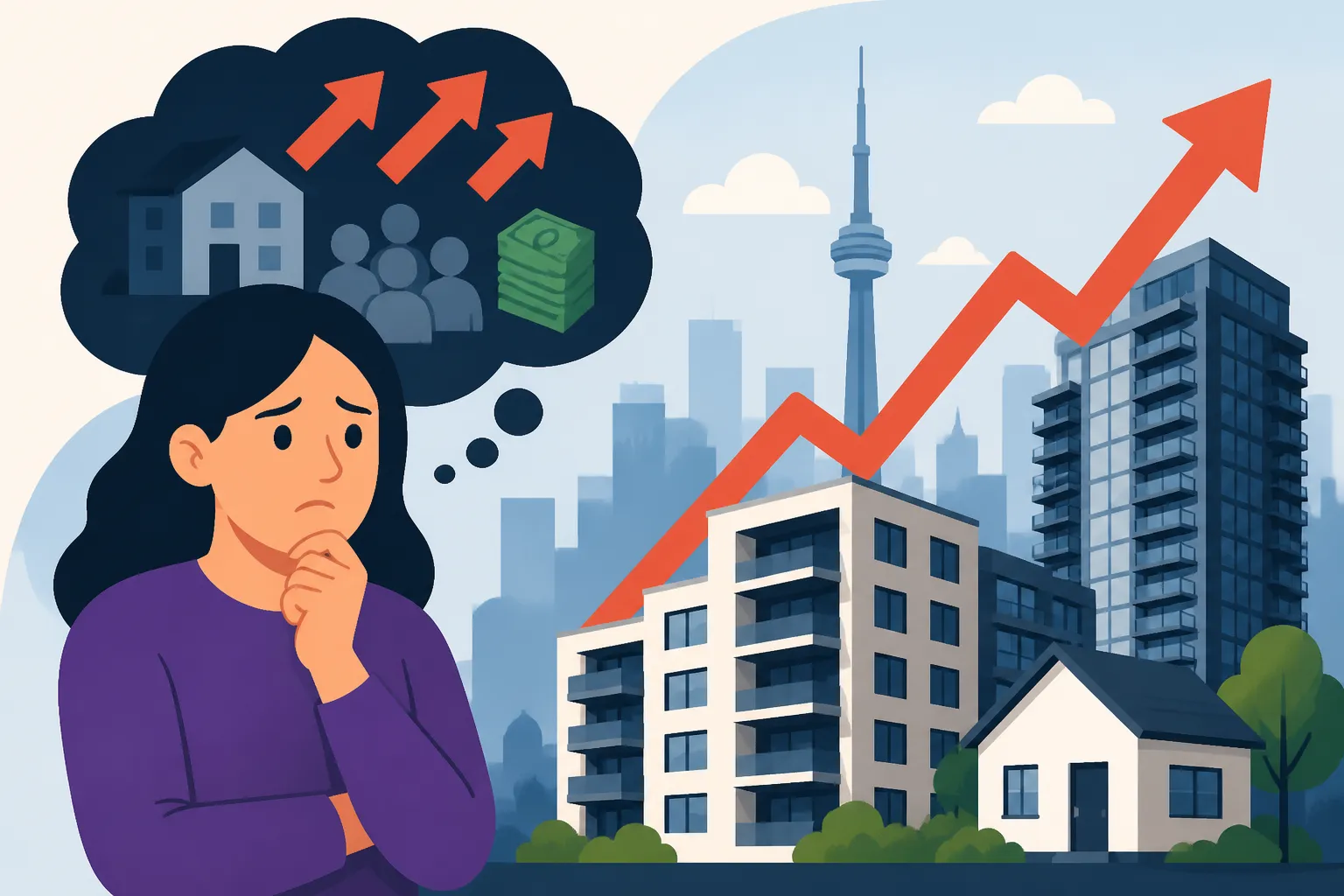
Why Is Rent So Expensive in Toronto?
Let's be real, stepping off the plane into Toronto, full of dreams and ready to embrace Canadian life, only to dive into the rental market here can feel like a punch to the gut. You've heard Canada is expensive, but Toronto rent? It often feels like it's in a league of its own, leaving many newcomers bewildered and frankly, a bit heartbroken. This guide is for you. We're going to peel back the layers and explore exactly why finding an affordable place to live in this vibrant city feels like an Olympic sport, offering a veteran expat's perspective on the forces at play and some practical tips for navigating this challenging landscape.
The Economic Forces Driving Toronto's High Rents
Toronto isn't just a big city; it's a global economic powerhouse, a hub for finance, technology, and culture. But with all that appeal comes a hefty price tag, especially when it comes to housing. The forces at play are complex, a swirling mix of supply, demand, investment, and policy, all interacting to create one of the most competitive rental markets in North America.
Skyrocketing Demand and Population Growth
One of the most significant factors pushing up rent prices in Toronto is simply overwhelming demand. This city is a magnet, attracting people from all corners of the globe and from across Canada. Think about it: every year, thousands of new immigrants choose Toronto as their first home in Canada, drawn by the diverse job market, world-class educational institutions, and a generally welcoming, multicultural atmosphere. This influx of people, coupled with inter-provincial migration as Canadians move for work or lifestyle, means there's a constant, surging need for housing.
When you're competing with so many other eager renters, whether they're international students just arriving, young professionals starting their careers, or families looking for a fresh start, landlords have their pick of the litter. This intense competition drives up prices because there are always more people looking for homes than there are homes available, particularly in desirable areas. It's a classic economic squeeze where high demand, without a matching increase in supply, invariably leads to escalating costs. You might find yourself in bidding wars or needing to act within hours of a listing going live, which can be incredibly stressful when you're still adjusting to a new country and trying to Find a Job in Toronto as a Newcomer.
Limited Housing Supply and Construction Challenges
While demand has been soaring, the supply of new rental housing in Toronto simply hasn't kept pace. It's not for lack of trying, but building in a dense, established city like Toronto comes with a unique set of challenges. Land is precious and expensive, construction costs are high, and the approval processes for new developments can be notoriously slow and complicated. Zoning restrictions also play a significant role, often limiting the type and density of housing that can be built in certain areas.
Many new developments tend to be condominiums, which often cater to investors or owner-occupiers rather than solely expanding the dedicated rental housing stock. While some condo units do end up on the rental market, they're often pricier and subject to the whims of individual owners. The result is a persistent shortage of purpose-built rental buildings, especially those offering a range of affordability. This scarcity means that landlords can charge higher rents because, well, where else are people going to go? It's a tough reality for anyone trying to put down roots here, and it’s a big reason why the cost of living feels so out of whack.
The Impact of Investor Activity and Speculation
Toronto's real estate market has long been attractive to investors, both domestic and international. For years, buying property in Toronto was seen as a safe and lucrative investment, with home values consistently appreciating. This encouraged speculation, where people bought properties not necessarily to live in them, but to rent them out at a profit or simply to hold onto them, expecting future price increases.
While the market has cooled somewhat in recent times due to higher interest rates, the legacy of this investment activity still impacts rental prices. When property values are high, landlords often feel pressured to charge rents that cover their mortgage payments, property taxes, and other operating costs, all of which have also increased. This dynamic can create a ripple effect, where even if you're not looking to buy, the investment market's health directly influences how much you pay in rent. The government has tried to curb this with policies like the Understanding Property Ownership and the Foreign Buyer Ban in Canada, but the effects on the rental market are complex and take time to materialize.
Local Realities: Toronto's Unique Rental Landscape
Beyond the broad economic strokes, Toronto itself presents specific challenges that contribute to its expensive rental market. From the fierce competition in desirable neighbourhoods to the complexities of negotiating leases, understanding these local realities is crucial for any newcomer.
Neighbourhood Desirability and Accessibility
Toronto is a city of distinct neighbourhoods, each with its own character, amenities, and price tag. Areas like downtown, Liberty Village, and the Annex are incredibly popular due to their proximity to employment centres, universities, vibrant nightlife, and excellent public transit. Everyone wants to live there, and landlords know it. The demand for these prime locations is astronomical, pushing rents to exorbitant levels.
Even neighbourhoods further out, but still well-connected by the TTC (Toronto Transit Commission), experience high demand. Being able to get to work or school without a car is a huge plus in Toronto, where traffic can be legendary. This means that if a neighbourhood has good access to subway lines or major streetcar routes, you can bet the rents will reflect that convenience. When you're searching for a place, you'll notice how quickly listings in accessible areas vanish. It can be a real challenge to balance your budget with your commute, and sometimes you have to make tough choices about how far you're willing to live from the city core to find something affordable. This is where understanding How to Find an Apartment Near Transit in Toronto becomes vital.
The Scarcity of Dedicated Rental Buildings
Unlike some European cities or even parts of the U.S., Toronto has historically seen less development of large, purpose-built rental apartment buildings. For decades, much of the new housing stock has been in the form of condominiums, which, as mentioned, are often owned by individual investors who then rent them out. While this does add to the rental pool, it doesn't create the kind of stable, professionally managed rental housing that can sometimes offer more competitive pricing or long-term tenancy benefits.
Dedicated rental buildings, when they are built, often command higher rents to recoup the significant development costs. The relative scarcity means less choice for renters and less pressure on landlords to keep prices down. It's a structural issue that has been years in the making and isn't easily solved. When you’re trying to understand The Complete Guide to Renting an Apartment in Canada, you’ll quickly realize how much the condo market influences the overall rental landscape here.
The Role of Rent Control (and its Loopholes)
Rent control in Ontario is a complex beast, and its application significantly impacts rental prices. Essentially, buildings occupied before November 15, 2018, are subject to annual rent increase guidelines set by the province. This means landlords of older buildings can only raise rent by a certain percentage each year for existing tenants. For example, in 2024, the guideline was 2.5%. This provides some stability for long-term tenants in older units.
However, any new buildings or units first occupied after November 15, 2018, are exempt from rent control. This creates a dual market: older, potentially more affordable units with stable rent increases, and newer, often pricier units where landlords can set the initial rent at whatever the market will bear, and then increase it by any amount year-over-year if they sign new tenants. This exemption was intended to encourage new construction, but it has also contributed to higher rents in the newer segment of the market, which is often what newcomers encounter first. It's a critical detail that shapes the rental market's affordability, and it's why you might see vastly different prices for similar-looking units depending on their age.
Here's a quick look at average rents for different unit types in Toronto as of early 2024, keeping in mind these are averages and vary wildly by neighbourhood and building age:
| Unit Type | Average Monthly Rent (Downtown/Core) | Average Monthly Rent (Mid-Range Neighbourhoods) | Average Monthly Rent (Outlying Areas) |
|---|---|---|---|
| Studio | $2,000 – $2,500 | $1,700 – $2,200 | $1,500 – $1,900 |
| 1-Bedroom | $2,300 – $2,800 | $2,000 – $2,500 | $1,800 – $2,200 |
| 2-Bedroom | $3,000 – $3,800 | $2,600 – $3,300 | $2,200 – $2,800 |
| 3-Bedroom+ | $4,000+ | $3,500+ | $3,000+ |
| Please note: These figures are estimates and fluctuate based on market conditions, exact location, and unit specifics. |
The Cost of Being a Landlord in Toronto
It's easy to point fingers at landlords for high rents, but it's important to understand that they, too, face significant costs and pressures in Toronto's market. These expenses are often passed on to tenants, contributing to the overall high rental prices.
High Property Taxes and Operating Expenses
Owning property in Toronto means paying substantial property taxes, which are among the highest in Canada for major cities relative to property values. These taxes are a fixed cost for landlords, and they increase over time. Add to that the rising costs of maintenance (repairs, cleaning, landscaping), utilities (if included in rent), insurance, and sometimes even condo fees if they own a unit in a shared building. All these operating expenses eat into a landlord's profit margins.
When you factor in the general inflation of goods and services, the cost of keeping a rental property in good condition, up to code, and appealing to tenants is not insignificant. Landlords are running a business, and to make that business viable, they need to ensure their rental income covers these ever-increasing costs. This reality directly influences the rent they need to charge to break even, let alone make a profit, and unfortunately, it means higher rent for you.
Mortgage Costs and Interest Rate Hikes
Many rental properties in Toronto are financed with mortgages. When interest rates rise, as they have significantly in recent years, a landlord's monthly mortgage payments can jump dramatically, sometimes by hundreds or even thousands of dollars. For landlords with variable-rate mortgages, or those needing to renew fixed-rate mortgages at higher rates, this creates immense financial pressure.
While there are regulations around rent increases for existing tenants in older buildings, landlords of non-rent-controlled units or new rentals will adjust their prices to account for these higher borrowing costs. They might also decide to sell the property if it becomes too expensive to hold, further reducing the already limited rental supply. It's a vicious cycle where economic policy aimed at curbing inflation can inadvertently make the housing crisis even tougher for renters.
Navigating Toronto's Rental Market as a Newcomer
All this information can feel daunting, but don't despair! While Toronto's rental market is undoubtedly challenging, there are strategies you can employ to increase your chances of finding a place that fits your needs and budget.
Research and Be Prepared
Before you even start looking, do your homework. Research average rents in different Toronto neighbourhoods, not just the ones you initially considered. Look at areas slightly outside the city core but with good transit connections. Websites like Rentals.ca and Zumper can give you a good idea of current prices. Remember, the figures from the table above are averages; actual prices will vary.
When you do find a place, you need to be ready to act fast. Landlords in Toronto are often inundated with applications. Have all your documents ready: your employment letter, proof of income, a Canadian credit score (if you have one, if not, prepare to offer alternative proofs of financial stability like bank statements), and references from previous landlords if possible. Many newcomers find themselves without a Canadian credit history, which can be a hurdle. You might need to offer a larger deposit (within legal limits) or find a guarantor. Consider how to Build a Credit Score as a Newcomer in Canada from day one. You'll be making calls, scheduling viewings, and navigating Toronto's sprawling neighbourhoods, so having a reliable data plan is non-negotiable. Services like Airalo can be a lifesaver for getting connected immediately without the hassle of a traditional SIM, ensuring you don't miss that crucial call back from a landlord.
Explore Alternatives and Broaden Your Search
Don't limit your search to independent apartments. Consider looking for rooms in shared houses, basement apartments, or co-living arrangements, especially for your initial few months in Canada. These options can be significantly more affordable and provide a soft landing while you get acquainted with the city and build your local network. Websites like Kijiji, Facebook Marketplace, and local expat groups are great places to find these types of listings.
Also, be open to expanding your geographical search. While downtown Toronto is appealing, areas like Scarborough, North York, Etobicoke, and even neighbouring cities like Mississauga or Brampton often offer more affordable rents. Just make sure to factor in commute times and transportation costs. You can learn more about finding the right fit in The Best Places to Live in Canada for Newcomers: A Complete Guide (2027). The goal isn't just to find a cheap place, but a sustainable place that works with your overall The Complete Guide to Cost of Living in Canada for Newcomers (2026) budget.
Understand Your Rights and Seek Guidance
The rental market can be confusing, and as a newcomer, you might not be familiar with Understanding Tenant and Landlord Rights by Province in Canada. It’s crucial to educate yourself to avoid potential scams or unfair practices. In Ontario, the Residential Tenancies Act outlines the rights and responsibilities of both tenants and landlords. Always insist on a written lease agreement and understand every clause before you sign.
If something feels off or too good to be true, it probably is. There are community legal clinics and tenant advocacy groups in Toronto that can offer free advice and support. Don't hesitate to reach out if you have questions or concerns. And when it comes time to move your precious belongings, whether it’s from another country or just across the city, reliable moving services are key. Platforms like Sirelo can help you compare quotes and find movers who understand the unique challenges of navigating city moves, ensuring your transition is as smooth as possible. Knowing your rights and having reliable resources at your fingertips can make a huge difference in this stressful process.
Disclaimer
The information provided in this guide is for general informational purposes only and does not constitute legal, financial, or professional advice. While we strive to provide accurate and up-to-date information, the Canadian housing market and immigration policies are subject to change. Always consult with qualified professionals for advice tailored to your specific situation.