What Are the Requirements for Canadian Citizenship?
So, you've made Canada your home, navigated the twists and turns of settling in, and now that dream of becoming a Canadian citizen is really starting to feel within reach. It's an incredibly exciting prospect, but let's be honest, the path to get there can sometimes feel like trying to solve a Rubik's Cube blindfolded. This guide is here to walk you through the essential requirements for Canadian citizenship, demystifying the official jargon and giving you a clear roadmap to becoming a true blue Canadian.
Your Foundation: Becoming a Permanent Resident First
Before you can even begin to dream about holding that coveted Canadian passport, there's a crucial first step: you must be a permanent resident (PR) of Canada. This isn't just a formality; it's the fundamental building block for your citizenship application. Without valid PR status, you cannot apply to become a citizen. Many of us arrived here on various visas, worked hard, and eventually achieved our PR status. It's a journey, not a sprint!
The Journey to Permanent Residence
Getting your permanent residence can feel like a marathon, and it often is. There are numerous pathways, from Express Entry to Provincial Nominee Programs, and each has its own set of rules and requirements. You might have come here as an international student, then transitioned to a post-graduation work permit, and eventually qualified for PR through a skilled worker stream. Or perhaps you were sponsored by a family member already here. Whatever your route, having that "confirmation of permanent residence" is your golden ticket to the next stage.
It’s easy to get overwhelmed by all the different programs and criteria. You might recall the extensive documentation you needed, the language tests, and the educational credential assessments. It's a testament to your perseverance that you made it through! If you're still working towards this goal, you might find a lot of helpful information in articles like How Express Entry Works for Permanent Residence in Canada (2027) or The Complete Guide to Getting Permanent Residence in Canada (2027). Just remember, keep your PR card valid and make sure you understand Understanding Permanent Resident Status and the PR Card in Canada because this status is absolutely non-negotiable for citizenship.
Maintaining Your PR Status
Being a permanent resident isn't a "one and done" deal; there are residency obligations you need to meet to maintain your status. Generally, you must be physically present in Canada for at least 730 days (two years) out of every five-year period. While this is primarily for maintaining your PR status, it sets a good precedent for the citizenship residency requirement, which we’ll dive into next. Think of it as practice for the big leagues!
For many of us who moved from other countries, perhaps with the help of international relocation services like Sirelo, ensuring all our documents were in order and our initial arrival was smooth was a huge undertaking. Keeping track of your physical presence is just as important, so hold onto those travel documents, boarding passes, and anything that proves your time spent on Canadian soil.
The Core Pillars: Key Requirements for Canadian Citizenship
Once you're a permanent resident, you can start looking at the specific criteria for citizenship. Immigration, Refugees and Citizenship Canada (IRCC) sets these requirements, and they are quite detailed. Let's break down the main ones.
Physical Presence in Canada
This is often the trickiest part for many newcomers. To be eligible for Canadian citizenship, you must have been physically present in Canada for at least 1,095 days during the five years immediately before the date you sign your application. That's three full years!
- Counting Your Days: This isn't just a simple calculation. Every day you were physically present in Canada as a permanent resident counts as one day. However, if you spent time in Canada as a temporary resident (on a work permit, study permit, or visitor record) before becoming a PR, those days can sometimes count as half-days, up to a maximum of 365 days. So, if you were here for two years on a study permit and then three years as a PR, you might have a good head start. But be very precise with your calculations – mistakes here can lead to delays or even refusal. Keep a meticulous log of your travel dates!
- Absences from Canada: Any time you spend outside of Canada, even for short trips or holidays, does not count towards your physical presence. This can be a real bummer, especially if you have family abroad or travel for work. It means you need to plan your trips carefully in the years leading up to your application. If you’re often back and forth, it can feel like you’re constantly checking a calendar.
- Understanding the Residency Requirement: The concept of "physical presence" is quite strict and different from the "residency obligation" for maintaining your PR status. For citizenship, it's about being on Canadian soil. Period. For a deeper dive, check out Understanding the Residency Requirement for Canadian Citizenship.
Filing Income Taxes
Another crucial, often overlooked, requirement is your tax compliance. You must have filed your income taxes in Canada for at least three out of the five taxation years immediately before the date you apply for citizenship.
- Why This Matters: The Canadian government wants to ensure you're contributing to society and adhering to your financial responsibilities. It's not just about paying taxes, but demonstrating you understand the system and participate in it. For those coming from countries with different tax systems, this can be a steep learning curve.
- Keeping Your Records: Hold onto your Notices of Assessment (NOA) from the Canada Revenue Agency (CRA) – these are vital proof. If you've been a permanent resident for several years, you should have a good stack of these. If you're self-employed or have complex tax situations, it's even more important to be diligent. If you need a refresher on Canadian taxes, our guide on The Complete Guide to Taxes in Canada for Newcomers (2027) can be incredibly helpful.
- CRA My Account: If you haven't already, sign up for a CRA My Account. This online portal allows you to access your tax information, check your filing history, and get your NOAs. It's an indispensable tool for managing your tax affairs and proving compliance for your citizenship application. Understanding CRA My Account and Online Tax Filing in Canada has more details on this.
Language Ability
Unless you're under 18 or 55 and over, you'll need to demonstrate adequate knowledge of one of Canada's official languages: English or French.
- What "Adequate" Means: This isn't about being fluent enough to write a novel; it's about being able to have a basic conversation, understand simple instructions, and communicate effectively in everyday situations. IRCC generally looks for a Canadian Language Benchmark (CLB) level of 4 or higher in listening and speaking.
- Proving Your Language Skills: You can prove your language ability in a few ways:
- Approved Language Test Results: The most common and straightforward method. You'll need to take an approved test like CELPIP or IELTS (for English) or TEF or TCF (for French) and submit the results with your application. These tests can be pricey and nerve-wracking, but they are definitive proof.
- Educational Credentials: If you completed a secondary or post-secondary education in English or French in Canada or in a designated institution abroad, this might be accepted. You'll need transcripts.
- Previous IRCC Language Test: If you submitted language test results for your permanent residence application that are still valid (less than two years old at the time of your citizenship application), you might be able to use them again.
- Preparing for the Test: Many newcomers find this challenging, especially if they haven't been in a formal academic setting for a while. There are plenty of resources available, from online courses to community language classes. Don't underestimate this requirement; practice makes perfect!
Knowledge of Canada
This is where your inner Canadian historian (or rather, civics student) comes out! Applicants between 18 and 54 years old must pass a citizenship test.
- What the Test Covers: The test assesses your knowledge of Canada's history, geography, economy, government, laws, and the rights and responsibilities of Canadian citizenship. It's not just trivia; it's about understanding the fabric of Canadian society.
- The Study Guide: The official study guide, "Discover Canada: The Rights and Responsibilities of Citizenship," is your bible. It's available online for free in both English and French. Every question on the test comes directly from this guide. Read it, reread it, and then test yourself.
- Test Format: The test is usually multiple-choice, though sometimes there are true/false questions. It typically lasts about 30 minutes, and you need to answer a certain number of questions correctly to pass. If you don't pass the first time, you usually get a second chance. In some cases, if there are concerns about your knowledge or language, you might be invited for an interview with a citizenship official instead.
- Common Mistakes: Many people underestimate the test, assuming their general knowledge is enough. It's not. The guide has specific facts and dates you need to know. Take it seriously and prepare thoroughly.
Prohibitions
While less common, it's important to be aware of certain circumstances that could make you ineligible for citizenship, even if you meet all the other requirements. These include:
- Criminality: Having been convicted of a criminal offense in or outside Canada, or being under investigation for one. This is a serious red flag.
- Security Concerns: Being deemed a security risk to Canada.
- Ordered Deportation: Being under a deportation order.
- False Representation: Having misrepresented yourself or provided false information in your immigration or citizenship applications.
- Prison/Parole: Being incarcerated, on parole, or probation.
This is not an exhaustive list, and IRCC reviews each case individually. Transparency and honesty throughout your immigration journey are paramount.
Here’s a quick summary of the key eligibility criteria:
| Requirement | Details | Age Range Affected |
|---|---|---|
| Permanent Resident | Must have valid PR status. | All applicants |
| Physical Presence | 1,095 days in Canada during the 5 years before applying. Temporary resident days count as half (max 365). | All applicants |
| Tax Filing | Filed income taxes for 3 out of the 5 years before applying. | All applicants |
| Language Ability | CLB 4 or higher in listening/speaking (English or French). | Ages 18-54 |
| Knowledge of Canada | Pass a citizenship test on Canada's history, values, etc. | Ages 18-54 |
| Prohibitions | No criminal record, security issues, etc. | All applicants (can affect eligibility regardless of age) |
Understanding the Application Process
So, you’ve checked all the boxes for eligibility – congratulations! Now comes the paperwork. The application process itself, while seemingly straightforward, requires meticulous attention to detail.
Gathering Your Documents
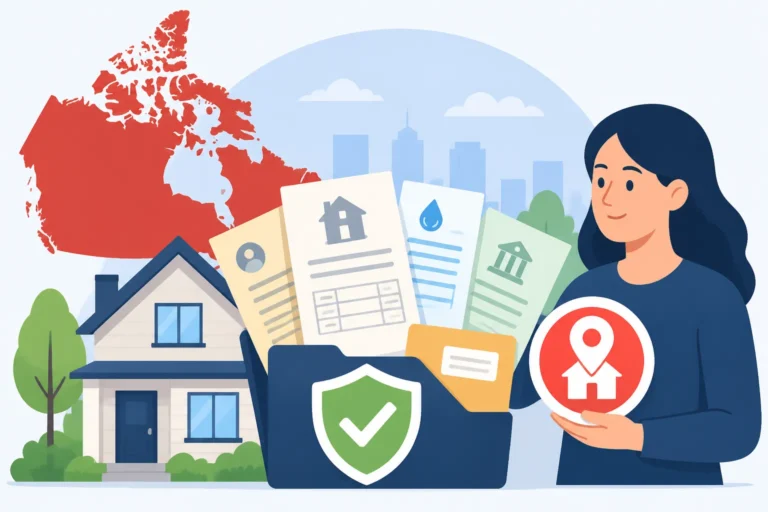
This is where all your diligent record-keeping pays off. You'll need to submit a variety of documents to support your application, including:
- Application Forms: The specific forms provided by IRCC, filled out completely and accurately.
- Proof of Permanent Resident Status: Your PR card, Record of Landing (IMM 1000), or Confirmation of Permanent Residence (IMM 5292 or IMM 5688).
- Proof of Physical Presence: This can include copies of your passport pages (showing entry/exit stamps), travel history documents from IRCC, and any other evidence of your time in Canada.
- Proof of Tax Filing: Your Notices of Assessment (NOA) from the CRA for the required years.
- Proof of Language Ability: Official language test results or educational transcripts.
- Photocopies of Identification: Passport, driver's license, etc.
- Photos: Specific passport-style photos meeting IRCC requirements.
The exact checklist might vary slightly, so always refer to the official IRCC application guide. Missing documents or incorrect information is the number one cause of delays or returned applications. Think of it as your final administrative hurdle – the one where accuracy is everything!
Application Fees
Yes, there are fees involved. As of my last check, the total fee for an adult application for citizenship is CAD $630. This includes a processing fee and a right of citizenship fee. Fees can change, so always verify the current amounts on the official IRCC website. This fee is non-refundable, even if your application is refused. So make sure you are truly eligible before you pay and submit!
Submitting Your Application
You typically submit your application package by mail or online, depending on the current IRCC guidelines. Ensure everything is correctly organized, signed where required, and that the payment is included. It’s a good idea to make a copy of your entire application for your own records before sending it off.
After submission, IRCC will review your application for completeness. If anything is missing or incorrect, they’ll send it back, and you'll have to resubmit, losing valuable processing time. This is where patience truly becomes a virtue.
Processing Times
This is the big question for everyone. How long will it take? Processing times for Canadian citizenship applications can vary significantly. They depend on factors like the volume of applications, the complexity of your case, and whether you’ve submitted everything correctly. Historically, it can take anywhere from 12 to 24 months, sometimes even longer.
You can check estimated processing times on the IRCC website. Just keep in mind these are estimates, not guarantees. It’s a waiting game, but knowing you’ve done your part by submitting a thorough and accurate application can make the wait a little less stressful.
What Happens After You Apply?
Once your application is in, the journey isn't over. There are a few more steps before you can proudly call yourself a Canadian citizen.
Biometrics (If Required)
Depending on where you submitted your PR application or if IRCC requires new biometrics for citizenship, you might receive a letter asking you to provide your fingerprints and a photo at a designated service point. This usually happens early in the process.
The Citizenship Test (If Applicable)
If you are between 18 and 54 years old, you will be scheduled to write the citizenship test. This is usually done online or in person at an IRCC office. You'll receive a notice with the date, time, and location (or instructions for the online test). This is your chance to shine and show off all that Canadian knowledge you've diligently acquired!
The Interview (If Applicable)
Some applicants may be called for an interview with a citizenship official. This could be to clarify information in your application, assess your language abilities, or review your knowledge of Canada. Don't panic if you get an interview request; it's not always a bad sign. Just be honest and prepared to answer questions about your application and your life in Canada.
The Oath of Citizenship
This is the moment you've been dreaming of! After successfully completing all the steps, you'll be invited to a citizenship ceremony where you will take the Oath of Citizenship.
- The Ceremony: Citizenship ceremonies are truly special events. They can be held in person or sometimes virtually. You'll join other successful applicants, often with family and friends watching, to pledge your allegiance to Canada. It’s a wonderfully diverse and moving experience, presided over by a citizenship judge.
- Becoming a Citizen: Once you take the oath, you officially become a Canadian citizen! You’ll receive your citizenship certificate, which is your proof of citizenship. This is typically the final step.
- Applying for a Passport: With your citizenship certificate in hand, you can then apply for your very first Canadian passport. This feels like the ultimate symbol of your new status and opens up a whole new world of travel possibilities!
The journey to Canadian citizenship is a significant one, fraught with its own unique challenges and administrative hurdles, but it's incredibly rewarding. Each step, from obtaining your Social Insurance Number to learning about How to Apply for Your Provincial Health Card in Canada (2027), and even considering options like Cigna Global for comprehensive private health coverage during transition periods, builds towards this ultimate goal. You've navigated so much already as a newcomer in Canada – getting your citizenship is the final, glorious chapter in that incredible story.
Disclaimer
The information provided in this guide is intended for general informational purposes only and does not constitute legal advice. While we strive to keep the information accurate and up-to-date, immigration laws and policies in Canada can change frequently. It is always recommended to consult with an authorized immigration consultant or lawyer, or to refer directly to the official website of Immigration, Refugees and Citizenship Canada (IRCC) for the most current and specific requirements applicable to your individual situation.