How Much Is Land Transfer Tax in Toronto?
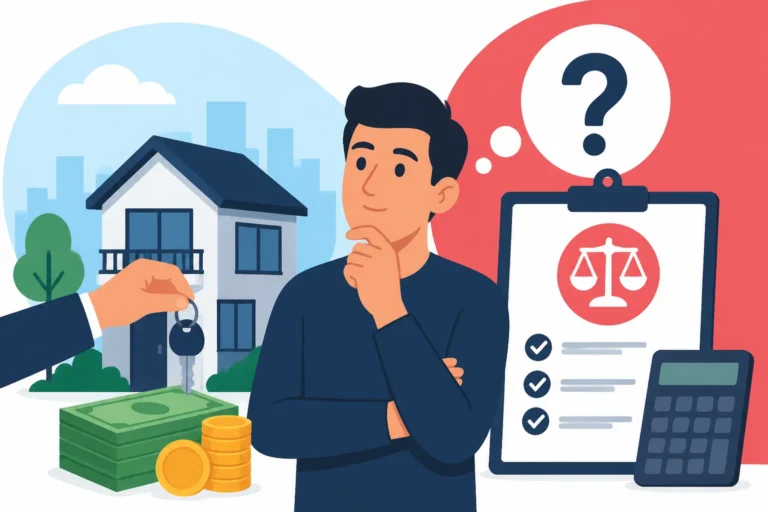
Moving to Canada, especially to a vibrant city like Toronto, comes with a whole host of exciting opportunities and, let's be honest, a fair share of financial surprises. One of the biggest shocks newcomers and even long-time residents buying their first home here often face is the "double whammy" of land transfer taxes. This guide is here to unravel the complexities of how much Land Transfer Tax you'll truly pay in Toronto, offering clear, step-by-step explanations and shedding light on potential relief for first-time buyers.
Understanding the Double Whammy: Ontario and Toronto Land Transfer Taxes
When you decide to purchase a home in Toronto, you're not just dealing with one layer of land transfer tax, but two. This is often a significant source of frustration and confusion, and honestly, it's completely understandable why it feels that way! Most other cities in Canada only have a provincial land transfer tax. Toronto, however, levies its own municipal land transfer tax (MLTT) on top of the provincial one. This makes Toronto one of the most expensive places in the country to buy property, purely from a tax perspective on the transaction itself.
What Exactly is Land Transfer Tax?
At its core, Land Transfer Tax (LTT) is a tax levied by provincial governments (and in Toronto's unique case, the municipal government too) on the transfer of ownership of land. It's not a tax on the property itself, like property tax, but rather a one-time tax on the transaction of buying land or property. Think of it as a fee for the privilege of transferring the title of a property into your name.
For newcomers, this can feel like an unexpected lump sum expense on top of your down payment, legal fees, and other closing costs. It’s crucial to factor this into your budget right from the start. You've probably heard friends lamenting about it, or perhaps you've even seen real estate listings subtly reminding buyers of the dual tax burden. It's a reality of buying property in this specific market.
The Two Tiers of Toronto's Land Transfer Tax
Let's break down these two layers. First, there's the Ontario Land Transfer Tax (OLTT), which applies to every property purchase across the province. This is a progressive tax, meaning the higher the purchase price, the higher the tax rate on portions of that price.
Second, if you're buying within the city limits of Toronto, you're also on the hook for the Municipal Land Transfer Tax (MLTT). The City of Toronto introduced this in 2008, and it follows a very similar progressive rate structure to the provincial tax. This is where the "double whammy" truly comes into play. You essentially pay two separate land transfer taxes, calculated almost identically, on the same property purchase. It can feel like paying twice for the same service, but it's a non-negotiable part of the Toronto real estate landscape.
For example, imagine you've just found your dream condo in downtown Toronto. When it comes time to close the deal, your lawyer will be calculating both the OLTT and the MLTT based on your agreed-upon purchase price. It’s a significant cost, often thousands of dollars, that needs to be settled before you get the keys. Understanding these layers is the first step in preparing your finances for buying a home here.
Calculating Your Land Transfer Tax Burden in Toronto
Now, let's get down to the nitty-gritty: how these taxes are actually calculated. Both the Ontario and Toronto land transfer taxes use a tiered system, which means different portions of your property's purchase price are taxed at different rates. This isn't a simple flat percentage, which can make it a bit tricky to calculate without a tool or professional help. But don't worry, we'll walk through it.
Ontario Land Transfer Tax Rates
The Provincial Land Transfer Tax (OLTT) applies to the entire value of the consideration for the transfer, which is usually the purchase price. Here's a breakdown of the current tiers for OLTT:
- 0.5% on the portion of the value up to and including $55,000
- 1.0% on the portion of the value exceeding $55,000 up to and including $250,000
- 1.5% on the portion of the value exceeding $250,000 up to and including $400,000
- 2.0% on the portion of the value exceeding $400,000 up to and including $2,000,000
- 2.5% on the portion of the value exceeding $2,000,000
Let's use an example. Say you purchase a home for $750,000 in Mississauga (which only pays OLTT).
- $55,000 x 0.5% = $275
- ($250,000 – $55,000) x 1.0% = $195,000 x 1.0% = $1,950
- ($400,000 – $250,000) x 1.5% = $150,000 x 1.5% = $2,250
- ($750,000 – $400,000) x 2.0% = $350,000 x 2.0% = $7,000
- Total OLTT = $275 + $1,950 + $2,250 + $7,000 = $11,475
Toronto Municipal Land Transfer Tax Rates
Now, if that same $750,000 home were in Toronto, you'd also pay the Municipal Land Transfer Tax (MLTT). The MLTT rates are structured very similarly to the provincial rates, making the calculations parallel.
- 0.5% on the portion of the value up to and including $55,000
- 1.0% on the portion of the value exceeding $55,000 up to and including $250,000
- 1.5% on the portion of the value exceeding $250,000 up to and including $400,000
- 2.0% on the portion of the value exceeding $400,000 up to and including $2,000,000
- 2.5% on the portion of the value exceeding $2,000,000
Using our $750,000 example for a Toronto home:
- $55,000 x 0.5% = $275
- ($250,000 – $55,000) x 1.0% = $195,000 x 1.0% = $1,950
- ($400,000 – $250,000) x 1.5% = $150,000 x 1.5% = $2,250
- ($750,000 – $400,000) x 2.0% = $350,000 x 2.0% = $7,000
- Total MLTT = $275 + $1,950 + $2,250 + $7,000 = $11,475
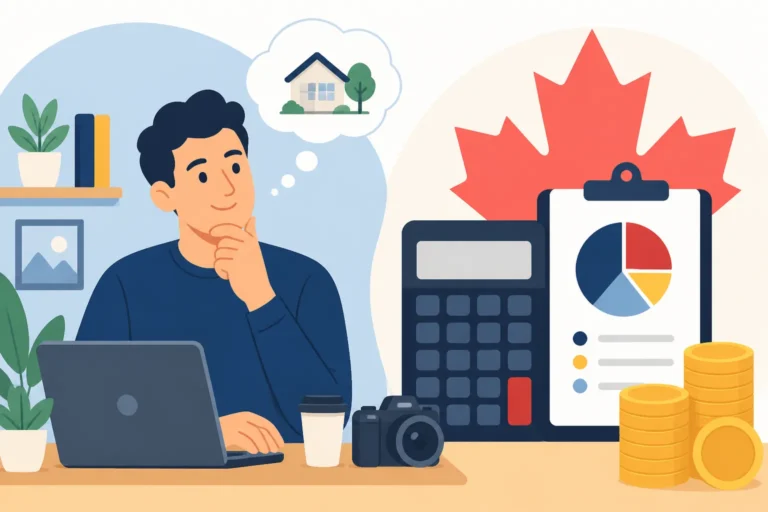
So, for that $750,000 home in Toronto, your total Land Transfer Tax burden would be the OLTT ($11,475) + MLTT ($11,475) = $22,950. That’s a substantial amount of money that needs to be ready at closing, and it illustrates why it’s so important to be aware of this unique Toronto burden. For those bringing funds from overseas, remember that managing these large transfers effectively, perhaps through services like Wise, can help you save on exchange rates and hidden fees.
Simplified Tax Calculation Table for Toronto Homes
To give you a clearer picture, here's a table summarizing the approximate total (Provincial + Municipal) Land Transfer Tax you could expect to pay for various property values in Toronto, before any rebates for first-time buyers.
| Property Value | Ontario LTT (Approx.) | Toronto LTT (Approx.) | Total LTT (Approx.) |
|---|---|---|---|
| $400,000 | $4,475 | $4,475 | $8,950 |
| $500,000 | $6,475 | $6,475 | $12,950 |
| $750,000 | $11,475 | $11,475 | $22,950 |
| $1,000,000 | $16,475 | $16,475 | $32,950 |
| $1,500,000 | $26,475 | $26,475 | $52,950 |
| $2,000,000 | $36,475 | $36,475 | $72,950 |
| $2,500,000 | $48,975 | $48,975 | $97,950 |
Note: These are approximate calculations. Always verify with an official LTT calculator or a real estate lawyer.
This table really highlights how quickly these costs add up, especially in Toronto's higher-priced market. It's a significant portion of your overall closing costs, sometimes even more than your legal fees. If you're pondering How Much Does It Cost to Buy a House in Calgary?, you'll notice a distinct difference because Calgary only has the provincial tax equivalent.
Navigating the Rebates and Exemptions: A Lifeline for First-Time Buyers
Alright, after looking at those numbers, you might be feeling a bit disheartened. But here's some good news, especially for many newcomers! Both the Provincial and Municipal governments offer a rebate for eligible first-time homebuyers. This can significantly reduce the sting of the land transfer taxes, making homeownership a bit more accessible.
Ontario First-Time Homebuyer Rebate
The Provincial Land Transfer Tax (LTT) offers a rebate of up to $4,000 for eligible first-time homebuyers. This means that if your calculated provincial LTT is $4,000 or less, you might pay nothing at all for the provincial portion. If it's more than $4,000, you'll simply pay the difference.
To qualify for the provincial rebate, you (and your spouse, if applicable) must:
- Be at least 18 years old.
- Occupy the home as your principal residence within nine months of buying it.
- Have never owned a home anywhere in the world. This is a big one for newcomers. If you owned property in your home country, even if you sold it before coming to Canada, you might not qualify. This detail can be a real sticking point for many.
- If you have a spouse, and they have owned a home previously, you will not be eligible for the full rebate; only your portion will be eligible. This often means a reduced rebate.
It's vital to be honest and thorough with your lawyer about your previous property ownership history, both in Canada and abroad, to avoid issues later.
Toronto First-Time Homebuyer Rebate
In addition to the provincial rebate, the City of Toronto also offers its own rebate for first-time homebuyers, providing up to $4,475. This rebate effectively covers the entire MLTT on a home priced up to $400,000, as the MLTT on $400,000 is exactly $4,475. For homes priced above that, you'll receive the maximum rebate of $4,475 and pay the remaining MLTT balance.
The eligibility criteria for the Toronto MLTT rebate are very similar to the provincial one:
- You must be at least 18 years old.
- You must occupy the home as your principal residence.
- You (and your spouse, if applicable) must not have owned a home anywhere in the world.
- If you have a spouse who has previously owned a home, similar to the provincial rebate, the rebate may be reduced or not applicable to their share.
This dual rebate can make a significant difference. For instance, if you bought that $750,000 home and qualified as a first-time buyer, your total LTT would drop from $22,950 to $22,950 – $4,000 (OLTT rebate) – $4,475 (MLTT rebate) = $14,475. Still a hefty sum, but certainly less painful. It's worth exploring if you're eligible for the What Is the Land Transfer Tax Rebate for First-Time Buyers in Canada? to save some serious cash.
How to Claim the Rebate
Usually, your real estate lawyer will handle the application for these rebates at the time of closing, effectively reducing the amount of land transfer tax you need to pay upfront. You’ll just need to sign a declaration confirming your eligibility. However, if for some reason the rebate isn't applied at closing, you can apply for it directly to the provincial Ministry of Finance or the City of Toronto within 18 months of the property transfer. Always keep all your documentation in order!
Remember, understanding The Newcomer Waiting Period for Provincial Health Coverage in Canada (2027) or other administrative processes can be confusing, and the same goes for financial benefits. Don't hesitate to lean on your lawyer for clarity on these rebates.
The Practicalities: When and How to Pay Your Land Transfer Tax
So, you've done the calculations, you know about the rebates, and you're ready to proceed with your home purchase. Now, let's talk about the practical side of actually paying these taxes. It's not something you do directly with the government as an individual; it's handled during the closing process.
The Role of Your Real Estate Lawyer
When you purchase a home in Canada, a real estate lawyer is an indispensable part of the process. They handle all the legal aspects of transferring ownership, including calculating and remitting the Land Transfer Tax on your behalf. This tax is typically due on the day the property legally changes hands, known as the closing date.
Before the closing date, your lawyer will provide you with a detailed Statement of Adjustments, which outlines all the funds required to close the deal. This statement will include your remaining down payment, legal fees, title insurance, property tax adjustments, and, of course, the full amount of both the Ontario and Toronto Land Transfer Taxes (minus any first-time buyer rebates you qualify for). You'll typically need to transfer these funds to your lawyer's trust account a few days before closing to ensure everything is ready. This is where services like Wise can be incredibly useful for larger international transfers, as they often offer better exchange rates and lower fees compared to traditional banks, ensuring more of your hard-earned money goes towards your new home.
Other Associated Closing Costs to Consider
Land Transfer Tax, while significant, is just one piece of the financial puzzle when buying a home. There are several other closing costs that you absolutely need to budget for. Ignoring these can lead to nasty surprises right when you thought you had everything covered.
Here are a few other costs you should anticipate:
- Legal Fees: Your lawyer will charge for their services in preparing and registering documents, conducting title searches, and generally overseeing the closing. These fees can vary but are typically a few thousand dollars.
- Title Insurance: This protects you and your lender against losses related to the property's title, such as unknown liens, encroachments, or errors in public records. It's usually a one-time fee paid at closing.
- Property Survey: While not always required (especially for condos), if you're buying a detached home, your lender might request an updated survey.
- Appraisal Fee: Your lender might require a property appraisal to confirm its value before approving your mortgage.
- Home Inspection: Highly recommended to uncover any potential issues with the property before you commit.
- Adjustments: These are costs prepaid by the seller, like property taxes or utility bills, that you'll reimburse them for from the closing date onwards.
- Mortgage Insurance Premiums: If your down payment is less than 20% of the purchase price, you'll need mortgage default insurance (from CMHC, Sagen, or Canada Guaranty). While often added to your mortgage principal, there's a provincial sales tax on this premium that's due at closing.
As you can see, the expenses quickly add up. For a more exhaustive breakdown, check out How Much Are the Closing Costs to Buy a House in Canada?. Preparing a detailed budget that includes all these costs is crucial for a smooth home-buying experience. Don't forget that if you're concerned about how buying property impacts your overall financial situation, especially regarding international assets or income, resources like Taxes for Expats can help clarify complex tax scenarios that might arise from such a large investment.
Property Taxes vs. Land Transfer Taxes
It's easy to confuse these two, especially as a newcomer, but they are distinctly different. Land Transfer Tax is a one-time transaction tax, as we've discussed. Property Taxes, on the other hand, are ongoing taxes levied by the municipal government (like the City of Toronto) based on the assessed value of your property. These are typically paid annually or in installments and fund local services such as schools, roads, and emergency services. Your land transfer tax bill is a one-and-done deal (unless you buy another property, of course!), while property taxes will be a recurring expense for as long as you own the home. It’s important to budget for both, but understand their different natures. You can learn more about this in The Complete Guide to Property Taxes and Land Transfer Tax in Canada (2027).
Moving to a new country and buying a home is a massive undertaking. From navigating How Do I Get a Mortgage to Buy a Home in Canada? to understanding various tax implications, every step requires careful consideration. While the Land Transfer Tax in Toronto can feel daunting, being informed and prepared is your best defense.
Disclaimer
The information provided in this article is for general guidance only and does not constitute financial, legal, or tax advice. Land transfer tax rates, rules, and rebate programs can change, and individual circumstances vary. Always consult with a qualified real estate lawyer, financial advisor, or tax professional in Canada for advice tailored to your specific situation before making any property purchase decisions.