How Much Are the Closing Costs to Buy a House in Canada?
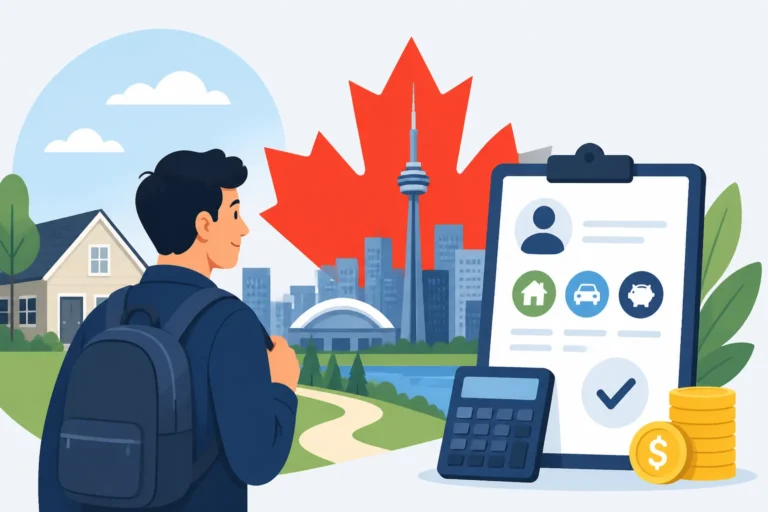
So, you've taken the leap, you've fallen in love with a place, and you're ready to buy a home in Canada. It's an incredibly exciting step, a true milestone for many newcomers. You've scrimped and saved for that down payment, perhaps even spent countless hours online browsing listings from Vancouver's bustling streets to the quiet charm of Nova Scotia. But just when you think you've got a handle on the finances, a new term pops up: "closing costs." For many expats, this phrase is often accompanied by a deer-in-headlights moment, a sudden realization that the initial budget might just be the tip of the iceberg. This guide is here to pull back the curtain on these often-overlooked expenses, explaining precisely how much you can expect to pay in closing costs when buying a house in Canada, why they exist, and how to prepare for them without any last-minute financial panic.
What Exactly Are Closing Costs When Buying a Home in Canada?
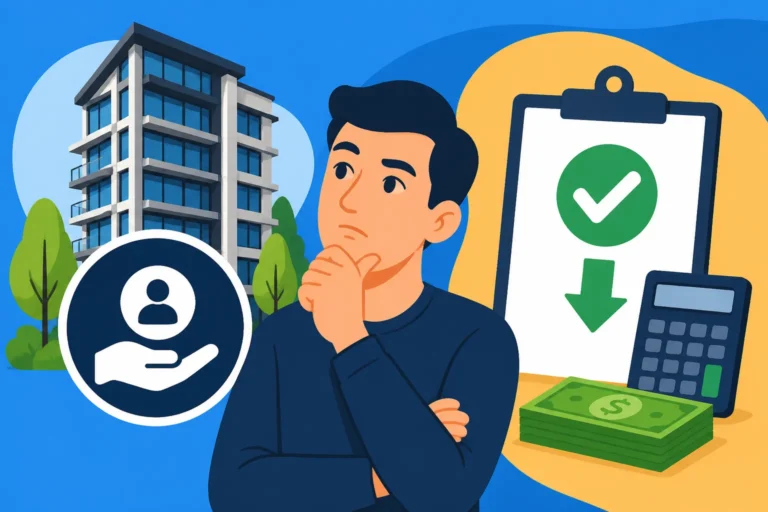
Let's face it, buying a home in a new country is intimidating. You're learning a new system, new terminology, and often, new financial rules. The sticker shock of a property's price is usually enough, but then you hear about "closing costs," and your brain starts doing acrobatics. Don't worry, you're not alone in feeling this way. Many newcomers, and even long-time Canadians, are often surprised by the total sum required on closing day.
Beyond the Down Payment: The Hidden Expenses
When you're told a house costs, say, $600,000, and you need a 20% down payment, your mind immediately goes to that $120,000 figure. What often isn't immediately clear is that on top of that down payment, there's another significant chunk of change required to actually finalize the purchase and transfer ownership. These are your closing costs. They are essentially all the administrative, legal, and tax-related fees that must be paid to complete the real estate transaction.
Think of it like buying a new car. The advertised price is one thing, but then you have taxes, registration, dealership fees, and so on. Housing is no different, just on a much grander scale. These costs aren't uniform across the country, nor are they negligible. They can range anywhere from 1.5% to 4% (or sometimes even more, especially in certain high-demand cities or provinces) of the total purchase price. For that $600,000 home, that could mean an additional $9,000 to $24,000. It's a substantial sum that absolutely needs to be factored into your overall budget from day one. Many newcomers have had to scramble to gather these funds, which can add unnecessary stress to an already high-stress situation.
Who Pays What? Understanding Buyer vs. Seller Responsibilities
In Canada, generally speaking, the lion's share of closing costs falls on the buyer. Sellers certainly have their own expenses to contend with, such as real estate agent commissions (which can be considerable), legal fees, and sometimes mortgage discharge fees, but those are separate from what you, as the buyer, will need to bring to the table. This guide focuses entirely on the costs you, the aspiring homeowner, will be responsible for. Knowing this distinction early on helps you prepare your finances more effectively, so there are no nasty surprises when your lawyer presents the final statement.
A Deep Dive into Common Closing Costs for Canadian Homebuyers
Alright, let's get into the nitty-gritty of what actually makes up these "closing costs." It’s a bit of a laundry list, but understanding each component will empower you to budget wisely and ask the right questions.
Legal Fees and Disbursements: The Paperwork Price Tag
You absolutely, unequivocally, need a real estate lawyer when buying a home in Canada. This isn't just a suggestion; it's a critical part of the process that protects your interests. Your lawyer will handle a multitude of tasks, ensuring everything is above board.
Their fees cover things like:
- Conducting a title search: They verify that the seller legally owns the property and that there are no outstanding claims or encumbrances (like unpaid liens or previous mortgages) that could affect your ownership. This step is crucial for peace of mind.
- Drafting and reviewing all legal documents: From the agreement of purchase and sale to the mortgage documents and the deed transferring ownership, your lawyer ensures all paperwork is correct and legally binding.
- Registering the mortgage and transfer of title: These are official registrations with the provincial land registry office, making your ownership and the bank's security (your mortgage) legally recognized.
- Handling the financial aspects: Your lawyer manages the transfer of funds between you, the seller, and the lender, ensuring all payments are correctly distributed on closing day.
On top of the lawyer's professional fees, you'll pay for "disbursements." These are out-of-pocket expenses that your lawyer incurs on your behalf. They can include land registration fees, courier charges, photocopying, and various property searches (like zoning, tax, and utility searches) to ensure there are no surprises about the property's legal status or outstanding bills. Typically, you can expect legal fees and disbursements to run anywhere from $1,500 to $3,000 or more, depending on the complexity of the transaction and where you're buying. For instance, a property in downtown Toronto might incur higher search costs than one in a rural area.
Land Transfer Taxes: The Big Provincial and Municipal Hit
This is often the single largest closing cost, and it's where newcomers often experience significant sticker shock. A land transfer tax (LTT) is a provincial tax levied on the transfer of ownership of property. Every province in Canada, except Alberta and Saskatchewan (which have much lower property registration fees instead), has some form of this tax. The amount you pay is usually calculated on a sliding scale based on the purchase price of the home. The higher the price, the higher the tax rate for certain portions.
To give you a glimpse of the impact, let's look at Ontario, where the LTT can be quite substantial. For example, on a $700,000 home in Ontario, you could be looking at a provincial LTT of over $10,000. But wait, there's more! If you're buying a home in the city of Toronto, you'll also be subject to a Municipal Land Transfer Tax (MLTT) on top of the provincial one. Yes, that's a double whammy! This means the LTT for a property in Toronto can effectively be double what it would be just outside the city limits. This is a common point of frustration for those looking to buy in the Greater Toronto Area. Understanding Land Transfer Tax When Buying Property in Canada is crucial.
Property Tax Adjustments: Fair Share for the Taxman
Property taxes are typically paid to the municipal government on a periodic basis, often quarterly or even annually. On closing day, your lawyer will make an adjustment to ensure that both you and the seller pay your fair share of property taxes for the current year. For instance, if the seller has already paid the property taxes for the entire year, but you're taking possession halfway through, you'll need to reimburse the seller for the portion of the taxes that covers your period of ownership. Conversely, if the seller hasn't paid, they might be credited, and you'll be responsible for the full payment when due. It's all about prorating the costs so everyone pays for the time they actually owned the property. This is part of the broader conversation about Understanding Property Tax for Homeowners in Canada.
Mortgage-Related Fees: Appraisal, Survey, and CMHC/Sagen Premiums
There are a few costs tied directly to your mortgage, some of which you pay upfront:
- Appraisal Fee: Your mortgage lender will almost always require a professional appraisal of the property to confirm its market value. This is to ensure that the loan amount is justified and that they're not lending you more than the property is worth. This fee, usually between $300 and $500, is typically paid by the buyer.
- Survey Fee: A land survey confirms the boundaries of the property and identifies any encroachments. If the seller doesn't have a recent survey (or a Certificate of Location in Quebec) that the lender accepts, you might need to get a new one, which can cost anywhere from $1,000 to $2,000. However, in many cases, especially for established properties, an existing survey or title insurance might suffice, or the lender may waive the requirement.
- High-Ratio Mortgage Insurance (PST Portion): This is a huge one, and a frequent source of confusion. If your down payment is less than 20% of the home's purchase price, Canadian regulations mandate that you must get mortgage default insurance. This protects the lender, not you, in case you default on your mortgage. The premiums for this insurance (from providers like CMHC, Sagen, or Canada Guaranty) are typically added to your mortgage principal, which means you don't pay it upfront in cash. However, here's the kicker: the provincial sales tax (PST) on this premium is payable as a closing cost. So, while the bulk of the insurance is financed, you'll still have an upfront cost for the sales tax on that premium. This is why it's so important to truly understand How to Get a Mortgage to Buy a Home in Canada and all its nuances.
Other Potential Costs: Home Inspection, Utilities, and More
Beyond the big ones, several other costs can crop up:
- Home Inspection Fee: While not legally mandatory, a home inspection is highly recommended. It's your chance to uncover any hidden structural issues, plumbing problems, electrical faults, or major repairs that the property might need. Paying $400-$800 for an inspector now could save you thousands in unexpected repairs later. Many purchase agreements are conditional on a satisfactory home inspection report, giving you an out if major issues are found.
- Utility Adjustments/Deposits: Similar to property taxes, any pre-paid utility bills (like electricity, natural gas, or water) will be prorated and adjusted on closing. Additionally, as a new account holder, some utility companies might require a security deposit before they connect services in your name. This is a good time to remember how to handle How to Set Up Hydro (Electricity) in Your Canadian Home and other essential services.
- Condo Status Certificate (for condominiums): If you're buying a condo, your lawyer will review a Status Certificate (also called an Estoppel Certificate in some provinces). This document, provided by the condo corporation for a fee (typically $100-$200), provides vital information about the condo's financial health, outstanding common element fees, any special assessments, and the rules and regulations of the building. It's crucial for understanding your responsibilities and the condo's overall stability.
- Property Insurance: Before your mortgage can close, your lender will require proof that you have secured property insurance (often called homeowner's insurance) for the full replacement value of the home. You'll need to pay the first year's premium by closing day.
- Moving Costs: While not a "closing cost" in the legal sense, don't forget to budget for the actual physical move! Hiring movers, renting a truck, buying packing supplies – these add up quickly.
Budgeting for Closing Costs: No Surprises (Well, Fewer Surprises!)
Now that you know what's coming, let's talk about how to prepare your wallet so that closing day is exciting, not terrifying.
The 1.5% to 4% Rule of Thumb (and When it's Higher)
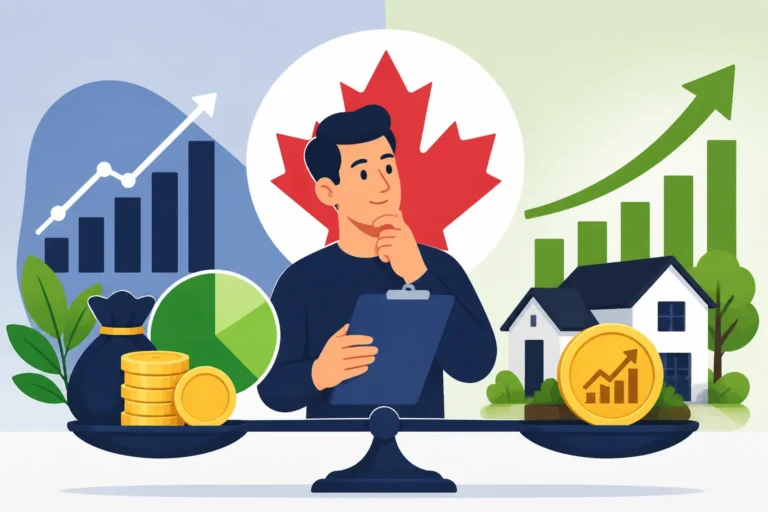
As a general guideline, you should always anticipate that closing costs will add an extra 1.5% to 4% to the purchase price of your home. This is the amount you need to have readily available in cash, separate from your down payment. In provinces like Ontario or British Columbia, where land transfer taxes are higher, and especially in cities like Toronto with its municipal land transfer tax, that percentage can quickly climb towards the higher end of the spectrum, sometimes even exceeding 4%.
So, if you're eyeing that $850,000 dream home in Toronto, you could be looking at anywhere from $12,750 to $34,000 (or more) in additional costs. It’s absolutely essential to get a detailed breakdown from your real estate lawyer and mortgage broker as early as possible in the process. They can give you a much more accurate estimate tailored to your specific situation and property.
First-Time Home Buyer Rebates and Exemptions
The good news is that Canada offers some relief for first-time homebuyers. Many provinces provide rebates or exemptions on their provincial land transfer tax. For example, in Ontario, eligible first-time buyers can receive a rebate of up to $4,000 on the provincial LTT. If you're buying in Toronto, you might also qualify for a similar rebate on the municipal LTT.
However, there are usually strict criteria to qualify for these rebates: you must generally be a Canadian citizen or permanent resident, you must intend to occupy the home as your principal residence, and neither you nor your spouse can have ever owned a home anywhere in the world. It’s worth checking the specific eligibility requirements for your province and municipality.
Beyond the LTT rebates, Canada also has federal programs like the Home Buyers' Plan (HBP) and the newer First Home Savings Account (FHSA). While these don't directly reduce closing costs, they can help you gather the funds for your down payment (and implicitly, free up cash for closing costs). The HBP allows you to withdraw funds from your Registered Retirement Savings Plan (RRSP) tax-free to buy or build a first home, which you then pay back over time. The First Home Savings Account (FHSA) in Canada is a new registered plan designed to help first-time homebuyers save for their first home tax-free, combining features of an RRSP and a TFSA. These tools can be incredibly helpful in making homeownership more accessible.
Funding Your Closing Costs: Plan Ahead
This is perhaps the most critical takeaway: these funds must be in addition to your down payment, and they need to be readily accessible by closing day. This isn't the time for illiquid investments or hoping a distant relative sends money at the last minute. Your lawyer will require these funds, often via a bank draft or wire transfer, usually a few days before the actual closing date.
For newcomers, especially, this means planning your finances well in advance. If you're bringing funds from your home country, consider the timeline for international transfers and any associated fees. Services like Wise (formerly TransferWise) have become incredibly popular among expats for their transparent exchange rates and often lower fees compared to traditional banks when moving large sums of money internationally. They can help you manage your funds effectively for things like your down payment and these crucial closing costs. Be sure to explore options for How to Transfer Money Into and Out of Canada as a Newcomer.
Practical Tips and Resources for Newcomers Navigating Closing Costs
Buying a home is a marathon, not a sprint, and having the right support system and information makes all the difference.
Building Your Team: Lawyer, Agent, and Mortgage Broker
Navigating the Canadian real estate market as a newcomer means you need a strong, reliable team in your corner.
- Real Estate Agent: Find an agent who understands the unique challenges and questions newcomers face. They can guide you through the property search, help you understand local market conditions, and negotiate on your behalf.
- Mortgage Broker: A good mortgage broker is invaluable. They work for you, not a specific bank, and can shop around for the best mortgage rates and terms tailored to your financial situation. Crucially, they can help you calculate all the funds you'll need on closing day, including the various fees, and explain the intricacies of How to Get a Mortgage to Buy a Home in Canada. They'll be your best resource for understanding the true cost of your mortgage.
- Real Estate Lawyer: As mentioned, your lawyer is non-negotiable. Choose one who is experienced, communicative, and can clearly explain all the legal jargon and costs. Don't hesitate to ask for a detailed estimate of their fees and disbursements upfront.
Don't Forget Future Tax Implications
While closing costs are an upfront expense, the financial responsibilities of homeownership extend far beyond closing day. Property taxes are an ongoing cost, and if you have international income, investments, or plans to rent out part of your property, your tax situation can become complex. It's vital to consider all aspects of The Complete Guide to Taxes in Canada for Newcomers (2027). For those with income or assets in multiple countries, services like Taxes for Expats can provide specialized advice to ensure you're compliant with both Canadian and international tax laws, preventing any future headaches. You'll want to be familiar with Understanding CRA My Account and Online Tax Filing in Canada for managing your tax affairs.
Leveraging Digital Tools and Calculators
The internet is your friend here! Many Canadian banks, real estate websites, and even provincial government sites offer online closing cost calculators. These tools allow you to input the potential purchase price, down payment amount, and province/city to get an estimated breakdown of your closing costs.
Use these calculators as a starting point, but always verify the figures with your mortgage broker and lawyer as you get closer to making an offer. They can factor in specific details that a generic calculator might miss. These tools are fantastic for initial budgeting and understanding the financial scope of your home-buying journey.
Buying a house in Canada as a newcomer is a momentous achievement. By being prepared for the closing costs, you can navigate this exciting journey with confidence, knowing that you've accounted for every financial detail.
Disclaimer
The information provided in this guide is intended for general informational purposes only and does not constitute financial, legal, or professional advice. Real estate laws, tax regulations, and market conditions in Canada can change rapidly and vary by province and municipality. It is crucial to consult with qualified Canadian professionals, such as a real estate lawyer, mortgage broker, and financial advisor, who can provide advice tailored to your specific situation before making any decisions related to buying a home. We strive for accuracy, but cannot guarantee that all information is current or applicable to your individual circumstances.