The Newcomer Guide to Opening a Bank Account in Canada
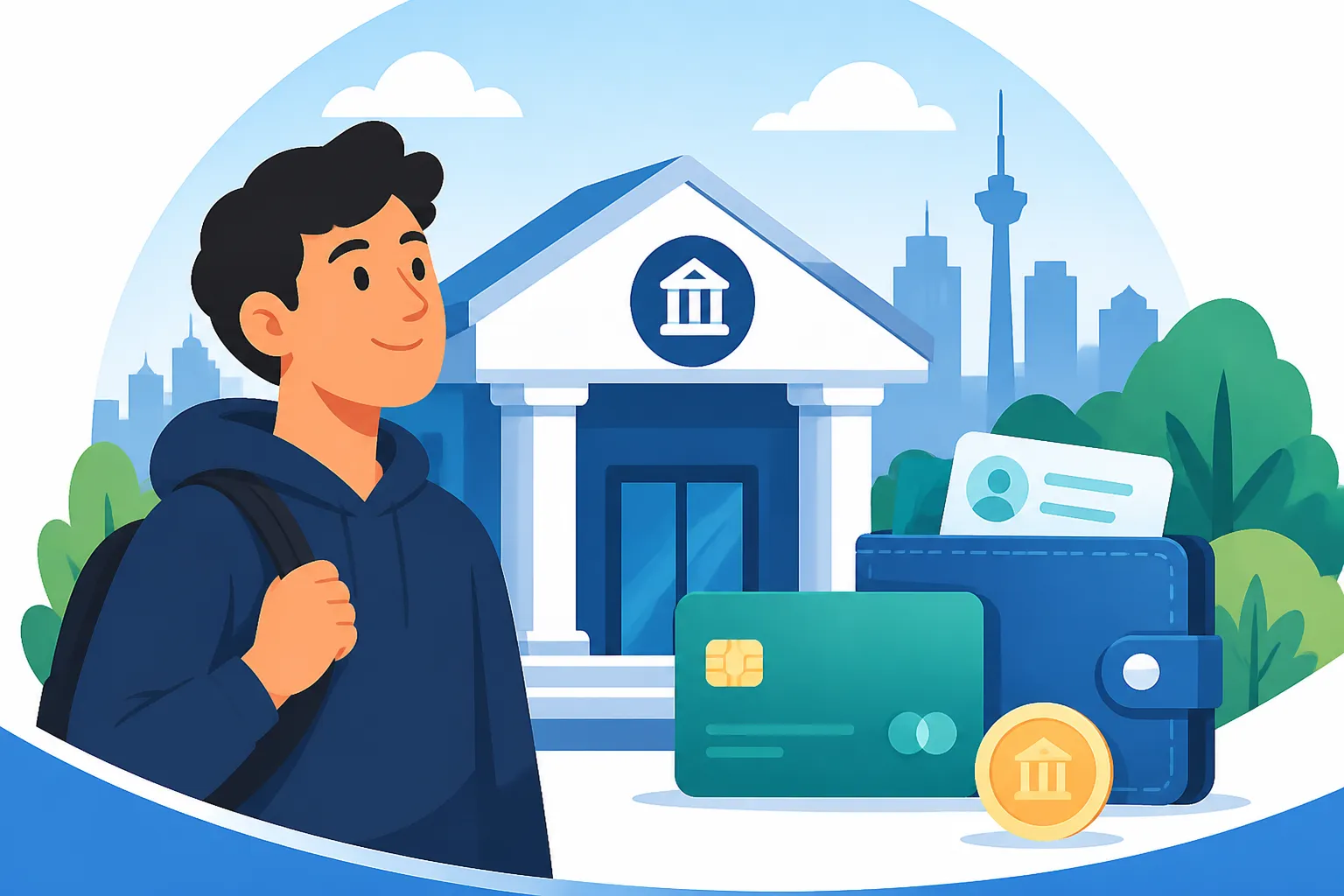
Moving to a new country like Canada is exhilarating, but let's be honest, sorting out your finances can feel like navigating a maze blindfolded. From understanding unfamiliar terms to gathering a mountain of documents, opening a bank account here as a newcomer can be surprisingly complex and, yes, a bit frustrating. This comprehensive guide is designed by an expat for expats, walking you through every single step to set up your banking life in Canada, validating your struggles along the way.
Why You Absolutely Need a Canadian Bank Account as a Newcomer
Believe me, I get it. When you first land, you're juggling so many things: finding a place to live, starting a job, getting kids settled, or enrolling in school. Your home country's bank account might feel "good enough" for a while. But trust a seasoned expat: delaying the setup of a local Canadian bank account is just inviting more headaches down the road. It’s not just a convenience; it’s a foundational piece of your new life here.
Seamless Financial Integration into Your New Life
Think about all the financial touchpoints you'll encounter daily or weekly. Your employer needs a Canadian account to deposit your salary – direct deposit is the norm, and cheques are becoming increasingly rare. Your landlord will want rent paid from a local account, likely via Interac e-Transfer or pre-authorized debit. Even buying groceries or a coffee will eventually feel smoother with a local debit card, avoiding those pesky foreign transaction fees. Without a Canadian bank account, every single financial transaction becomes an awkward, costly, and time-consuming workaround. You'll be spending precious time and energy on things that should be simple, when you could be exploring your new city or settling into your routine.
Essential for Everyday Transactions and Bill Payments
Beyond your salary and rent, practically every bill you receive in Canada will expect payment from a Canadian account. Utility bills for hydro, gas, and internet, your mobile phone bill, student tuition fees, and even many subscription services are all geared towards Canadian banking. Imagine trying to pay your internet bill from an international account, dealing with exchange rates, transfer fees, and potential delays. It's a logistical nightmare that quickly drains your patience and your wallet. Setting up pre-authorized payments directly from your Canadian chequing account is the norm here, making life incredibly convenient once it's established. It's about reducing friction in your everyday life so you can focus on the exciting parts of being a newcomer.
Laying the Groundwork for Your Financial Future in Canada
Your Canadian bank account isn't just for day-to-day spending; it's the bedrock of your long-term financial health in this country. From building a credit history, which is essential for everything from getting a mobile phone plan without a huge deposit to eventually securing a mortgage, to saving for big life goals, it all starts here. Without a local account, you can't easily contribute to tax-advantaged savings plans like a TFSA (Tax-Free Savings Account) or an RRSP (Registered Retirement Savings Plan), which are crucial for long-term financial planning. This is where you start to create your financial identity in Canada, showing stability and reliability, which opens doors to further financial products and opportunities down the line.
Demystifying the Canadian Banking Landscape
Before you even step foot in a bank, it helps to know what you're walking into. Canada's banking system might look similar to what you're used to, but there are nuances. Understanding the key players and the types of accounts on offer will empower you to make informed decisions, rather than just taking the first offer thrown your way.
Canada's "Big Five" and Other Key Players
When you think of Canadian banking, you'll inevitably hear about the "Big Five":
- Royal Bank of Canada (RBC)
- Toronto-Dominion Bank (TD Bank)
- Bank of Nova Scotia (Scotiabank)
- Bank of Montreal (BMO)
- Canadian Imperial Bank of Commerce (CIBC)
These are the titans, omnipresent across the country with branches in almost every town and city. They offer a full spectrum of services, from personal banking to investments and mortgages, and generally have robust online and mobile banking platforms. For newcomers, they often have dedicated "newcomer banking packages" designed to entice you with fee waivers and initial perks. Beyond these giants, you'll also find other national banks like National Bank of Canada (strong presence in Quebec) and smaller, regionally focused banks. Each has its pros and cons, but the Big Five are often the easiest entry point due to their widespread accessibility and tailored newcomer offerings.
Chequing Accounts: Your Daily Operations Hub
A chequing account (often called a "checking account" in other parts of the world) is your primary transactional account. This is where your salary will be deposited, and from where you'll pay your bills, make purchases with your debit card, and withdraw cash. Unlike some countries where current accounts might come with interest, Canadian chequing accounts typically offer very little to no interest on your balance. The main thing to look for is the monthly fee structure and the number of transactions included. Many accounts have a flat monthly fee, but this is often waived if you maintain a minimum balance or, importantly for newcomers, if you opt for a special newcomer package. Don't underestimate the importance of understanding these fees; they can quickly add up if you're not careful. This account is truly the central nervous system of your daily Canadian finances.
Savings Accounts: Growing Your Nest Egg
While your chequing account handles the comings and goings, a savings account is designed for just that: saving money and earning a bit of interest on it. Typically, savings accounts offer higher interest rates than chequing accounts, but they often come with limitations on the number of free transactions per month. If you exceed these, you'll pay a fee. For instance, you might get one free debit transaction or e-Transfer per month from a savings account, but everything else incurs a charge. The goal here is to encourage you to leave your money untouched to accumulate interest. Many newcomers find it helpful to link their chequing and savings accounts for easy transfers between the two, allowing them to stash away funds not immediately needed for expenses. Comparing interest rates among different banks and looking for promotional offers is always a good idea, especially for high-interest savings accounts.
Understanding Credit Unions: A Different Banking Experience
Beyond the big banks, Canada has a robust network of credit unions. These are financial co-operatives owned by their members, rather than shareholders. What does this mean for you? Often, it translates to a more community-focused approach, potentially lower fees, and sometimes better interest rates on savings. You might find credit unions to be more flexible, especially if you're facing initial challenges like a very short credit history. They often pride themselves on personalized service. The downside is that their branch network might be less extensive than the Big Five, and their online banking platforms, while generally good, might not always be as cutting-edge. However, for many, the benefits of a member-centric institution outweigh these minor inconveniences. If you're looking for a personalized touch and a focus on local community, exploring credit unions like Vancity in British Columbia or Alterna Savings in Ontario could be a smart move.
Gathering Your Documents: The (Sometimes Frustrating) Essentials
Alright, let's talk about the paperwork. This is often where newcomers hit their first real wall. You've just arrived, you might not have all the "Canadian" documents yet, and the bank needs proof for everything. It can feel like a bureaucratic dance, but knowing what's typically required beforehand will save you a lot of grief and repeat trips. Banks are legally obligated to verify your identity and residency, so while it feels like a chore, it's a necessary step.
Primary and Secondary Identification: Proving Who You Are
When opening a bank account in Canada, you'll typically need to present at least two pieces of identification, and usually one of them must be a primary piece of photo ID.
- Primary ID (Photo Required): This usually includes your passport, a Canadian Permanent Resident card, a Canadian driver's licence, or an official Canadian identification card. If you're fresh off the plane, your valid passport is your best friend here.
- Secondary ID (Often Non-Photo, but can be): This can be your Social Insurance Number (SIN) confirmation letter, your Canadian work or study permit, a credit card (from your home country might work, but Canadian is better if you have one), or a provincial health card (though some provinces like Ontario prohibit its use as ID for non-health-related services, so check provincial rules).
The key here is that the names on all your documents must match perfectly. Any discrepancy, even a middle initial, can cause delays. Make sure your passport is up-to-date and easily readable. It’s always a good idea to bring more documents than you think you need, just in case.
Proof of Canadian Address: The Rental Agreement Riddle
This is often the trickiest part for newcomers, and a significant source of frustration. How do you prove your Canadian address when you've just arrived and might be staying in temporary accommodation? Banks need this to comply with regulations and to mail you your bank card and statements.
Acceptable documents usually include:
- A utility bill (hydro, gas, internet, landline phone – but how do you get this without an account?)
- A rental or lease agreement with your name and address (often the most straightforward for a new apartment)
- A pay stub or employment letter with your Canadian address
- A letter from a government agency (like your SIN confirmation letter or a letter from Immigration, Refugees and Citizenship Canada)
- A property tax bill (unlikely for a newcomer, but for future reference)
If you're in temporary accommodation like an Airbnb or hotel, this can be challenging. Some banks might accept a letter from a landlord or even a hotel if it's on official letterhead, stating you reside there. For those renting an apartment, your signed lease agreement is usually sufficient. Remember, consistency is key: the address on your ID should ideally match the address you're providing as proof. Planning ahead to secure a more permanent address or at least a formal rental agreement before your bank appointment can make this step much smoother. For tips on finding housing, check out our guide on The Complete Guide to Renting an Apartment in Canada (2027).
Immigration Status Documents: Your Right to Be Here
Banks need to verify your legal status in Canada to ensure you're eligible to open an account. This is usually straightforward if you have your official documents in hand.
You'll need to present:
- Your Permanent Resident Card
- Your Work Permit
- Your Study Permit
- For those awaiting PR status, your Confirmation of Permanent Residence (COPR) document is usually accepted.
Ensure these documents are valid and not expired. The bank will often make photocopies for their records. Having all these readily accessible will streamline your appointment. It proves that you have the legal right to reside and conduct financial activities in Canada, which is a non-negotiable for any financial institution.
The Indispensable Social Insurance Number (SIN)
Your Social Insurance Number (SIN) is a 9-digit number issued by the Canadian government to administer various government programs, including employment insurance, Canada Pension Plan, and income tax. You absolutely need one to work in Canada and to file taxes, but it's also crucial for banking. While you can technically open a bank account without a SIN, providing it is highly recommended. It allows the bank to report interest earned on your accounts to the Canada Revenue Agency (CRA) and is often a prerequisite for accessing certain services like credit cards or investment accounts down the line. Most banks will ask for it during the account opening process. Getting your SIN is one of your first administrative tasks as a newcomer, and you can learn exactly How to Apply for a Social Insurance Number (SIN) in Canada in our dedicated article.
The Step-by-Step Walkthrough: Opening Your Account
So, you've got your documents (or at least a good idea of what you need). Now for the actual process of opening the account. It might sound daunting, but breaking it down makes it manageable. From research to your first debit card swipe, here's how it generally works.
Pre-Arrival Research and Choosing the Right Bank
Before you even land, dedicate some time to researching Canadian banks. Look at their newcomer packages – these often include waived monthly fees for a certain period (e.g., 6 months to a year), free e-Transfers, and sometimes even a small cash bonus or credit card offer to help you How to Build a Credit Score as a Newcomer in Canada. Each of the Big Five banks (RBC, TD, Scotiabank, BMO, CIBC) has offerings, and they often compete fiercely for newcomer business. Consider:
- Branch accessibility: Are there branches near where you plan to live or work?
- ATM network: How easy is it to access cash without fees?
- Online and mobile banking: How intuitive and robust are their digital platforms? Read reviews.
- Multilingual support: Do they offer services in your native language if English or French is not your first language?
- Specific newcomer benefits: Compare the fee waivers, transaction limits, and initial credit offers.
Don't feel pressured to go with the first bank your friend recommends. What works for them might not work for you. Take your time to compare and contrast before making a choice. For a quick reference, we have an article on Which Bank Is Best for Newcomers in Canada?.
Scheduling and Attending Your Bank Appointment
Once you've narrowed down your choices, it's usually best to schedule an appointment with a banking advisor, especially if you're utilizing a newcomer package. While walk-ins are sometimes possible, an appointment guarantees dedicated time and ensures you speak with someone who can thoroughly explain the options and process for newcomers. Many banks allow you to book online or over the phone.
When you go to the bank:
- Dress neatly: It's a professional interaction.
- Bring ALL your documents: Even if you think you only need two pieces of ID, bring everything you have for identification, proof of address, and immigration status.
- Be prepared to answer questions: They'll ask about your employment, income, and why you need an account.
Be patient. These appointments can sometimes take an hour or more, especially if you have complex questions or unique circumstances. It's their job to ensure everything is above board, and it's your opportunity to ask every question you have about fees, online banking, debit cards, and anything else that concerns you.
Navigating the Account Opening Conversation
During your appointment, the banking advisor will guide you through the process. They'll review your documents, explain the different account types, and typically recommend a newcomer package. This is your chance to ask about:
- Monthly fees and how to waive them: What's the minimum balance? Is it waived with direct deposit?
- Transaction limits: How many debit transactions, e-Transfers, or ATM withdrawals are included? What are the fees if you go over?
- Debit card features: Does it have tap-to-pay? Can it be used for online purchases?
- Online and mobile banking: How do you set it up? Are there any specific features you should know about?
- Interac e-Transfer limits: How much can you send or receive daily/weekly?
- Cheques: Do you need a chequing account with physical cheques? (Most people rarely use them anymore, but some landlords or services still require them.)
- Credit card applications: Many newcomer packages offer a basic credit card (often secured, meaning you put down a deposit). Ask about this to start building your credit history.
Don't be afraid to ask for clarification on anything you don't understand. Remember, this is your money, and you have a right to full transparency. Once you agree, you'll sign some paperwork, and your account will be opened!
Getting Your Debit Card and Activating Online Banking
Immediately after opening your account, you'll usually be given a temporary debit card or your permanent card will be mailed to your Canadian address within 5-10 business days. They will also help you set up your Personal Identification Number (PIN) for your debit card.
Crucially, ensure you set up your online banking access right away, before leaving the branch if possible. The advisor can walk you through the initial login, setting up your password, and showing you how to navigate the platform. This is vital because you'll use online banking for pretty much everything: checking balances, paying bills, transferring money, and more. Download the bank's mobile app to your smartphone; it will become your most frequent way of interacting with your bank. Make sure you understand how to use Interac e-Transfer and Local Payments in Canada as this is a very common method of payment here.
Leveraging Newcomer Banking Packages and Special Offers
Canadian banks are keenly aware that newcomers represent a significant growth market. As such, most major banks offer specialized banking packages designed to attract you. These aren't just generic accounts; they come with specific benefits intended to ease your transition into the Canadian financial system. It's smart to take advantage of these.
Understanding Fee Waivers and Promotional Benefits
The most attractive feature of newcomer banking packages is often the waiver of monthly account fees. Typically, these fees can range from $10 to $30 per month for standard accounts, but with a newcomer package, they're often waived for a period of 6 months to a year, sometimes even longer if you maintain certain conditions, like a minimum balance. This can save you a significant amount of money in your first year when every dollar counts. Beyond fee waivers, these packages might include:
- Unlimited transactions: Free debit purchases, bill payments, and Interac e-Transfers.
- Free cheque books: While less common now, some packages still offer a free book of cheques.
- Small cash bonuses: Some banks offer a small cash incentive (e.g., $100-$300) when you open an account and set up direct deposit.
- Discounts on other services: Reduced rates on safety deposit boxes, travel insurance, or investment products.
Always read the fine print. Understand when the fee waiver period ends and what conditions you need to meet to continue having fees waived (e.g., maintaining a minimum balance, setting up direct deposit from your employer). Don't just sign up blindly; make sure you understand the terms and how they might change after the promotional period. Our guide on Understanding Newcomer Banking Packages and Free Accounts in Canada delves deeper into these offerings.
Kickstarting Your Credit History with Secured Options
A major hurdle for many newcomers is the lack of a Canadian credit history. Without it, getting a mobile phone plan, renting an apartment, or applying for a car loan can be incredibly difficult. Many newcomer banking packages include an option to apply for a "secured credit card."
- How it works: You provide a deposit (e.g., $500-$1,000) to the bank, which becomes your credit limit. This deposit acts as collateral, minimizing the bank's risk.
- Why it's great: By using this card responsibly – making small purchases and paying off the full balance every month before the due date – you start building a positive credit history in Canada. After 12-18 months of responsible use, banks often graduate you to an unsecured credit card and return your deposit.
This is a critical stepping stone to financial independence in Canada. Don't underestimate the importance of building credit from day one. It's not about spending money you don't have, but about demonstrating financial responsibility.
Accessing Multilingual Support: Bridging the Language Gap
One of Canada's greatest strengths is its multiculturalism, and major banks often reflect this. Many banks offer multilingual support, with staff who can assist you in various languages beyond English and French. Some even have dedicated newcomer advisors who specialize in helping immigrants navigate the banking system.
Don't hesitate to ask if a banking advisor is available who speaks your language, especially if you're not fully comfortable discussing complex financial terms in English or French. This can make the account opening process much less stressful and ensure you fully understand all the terms and conditions. Feeling understood and being able to communicate clearly can make a world of difference when setting up something as important as your finances.
Tackling Common Challenges and Expert Tips for Newcomers
No matter how well you prepare, you're bound to run into a few bumps in the road as a newcomer. The Canadian financial system, while robust, has its quirks. Let's look at some common challenges and how to navigate them with a bit of expat wisdom.
The Credit History Conundrum: Starting from Scratch
This is arguably the biggest headache for most newcomers. You've had a perfectly good credit score in your home country for years, but here, you're a blank slate. Banks and other institutions have no way of knowing your financial reliability, so they treat you as a high-risk individual. This means:
- Difficulty getting a standard credit card.
- High deposits for mobile phone contracts, internet services, or utilities.
- Challenges in securing loans for cars or homes.
The Solution:
- Secured Credit Card: As mentioned, this is your primary tool. Use it, pay it off.
- Newcomer Loan Programs: Some banks offer small loans specifically for newcomers to help build credit, often with a secured component.
- Utility Payments: Make sure all your utility bills (hydro, internet, mobile) are paid on time. While not direct credit building, a history of consistent payments helps.
- Authorized User: If you have a spouse or trusted family member who already has Canadian credit, they might be able to add you as an authorized user on their credit card. This allows their positive history to reflect on your credit file.
Building credit is a marathon, not a sprint. Be patient, be diligent, and celebrate every small step. You can dive deeper into this topic with our guide on How to Build a Credit Score as a Newcomer in Canada.
Efficiently Transferring Funds from Overseas
Moving to Canada often means needing to transfer a substantial amount of money from your home country. Traditional bank wire transfers can be slow, costly, and subject to unfavorable exchange rates. This is where services like Wise (formerly TransferWise) shine.
- Lower Fees: Companies like Wise typically offer significantly lower transaction fees compared to traditional banks.
- Better Exchange Rates: They often use the mid-market exchange rate, meaning you get more Canadian dollars for your foreign currency.
- Speed: Transfers can often arrive within hours or a few business days, much faster than some traditional bank transfers.
Before transferring a large sum, always compare exchange rates and fees across several services. While your Canadian bank can facilitate incoming international wires, using a specialized money transfer service usually provides better value. Also, be aware of any reporting requirements for large sums of money entering Canada. While there's no limit to how much money you can bring in, amounts over CAD $10,000 must be declared at customs. For a comprehensive look at this, read How to Transfer Money Into and Out of Canada as a Newcomer.
Decoding Banking Fees and Avoiding Unexpected Charges
Canadian banking, especially without a newcomer package or minimum balance, can be rife with fees. These aren't always obvious and can erode your savings if you're not careful.
- Monthly Account Fees: We've covered this – understand how to waive them.
- Transaction Fees: Going over your allotted free transactions can incur charges per debit, e-Transfer, or bill payment.
- ATM Fees: Using an ATM that isn't part of your bank's network will often incur two fees: one from your bank and one from the ATM owner. Stick to your bank's ATMs.
- Interac e-Transfer Fees: Some basic accounts charge for each e-Transfer. Newcomer packages usually offer unlimited free ones.
- Non-Sufficient Funds (NSF) Fees: If you try to make a payment or withdrawal without enough money in your account, you'll be hit with a hefty NSF fee (often $45+), and potentially a fee from the payee. Avoid this at all costs by monitoring your balance carefully.
- Foreign Exchange Fees: Using your Canadian debit or credit card for purchases in another currency can incur a 2.5% foreign exchange fee on top of the exchange rate.
Always review your monthly bank statement for any unexpected charges. If you see something you don't understand, call your bank for an explanation. It's much easier to clarify things proactively than to deal with a buildup of fees.
Managing Foreign Assets and Cross-Border Tax Implications
For many expats, leaving assets or income streams in their home country is common. However, moving to Canada means becoming a Canadian tax resident, and this brings obligations related to your worldwide income and assets.
- Worldwide Income: Canada taxes its residents on their worldwide income, meaning any income earned globally must be reported to the Canada Revenue Agency (CRA).
- Foreign Property Reporting: If you hold "specified foreign property" with a total cost of over CAD $100,000 at any point during the year (this includes foreign bank accounts, investments, and real estate), you must report it on Form T1135. Failing to do so can result in severe penalties.
- Tax Treaties: Canada has tax treaties with many countries to prevent double taxation, but you still need to report everything.
This can be complex, and getting it wrong can lead to serious issues with the CRA. It's often advisable to consult with an accountant who specializes in cross-border taxation or services like Taxes for Expats to ensure you're compliant with all Canadian tax laws from day one. Understanding your tax residency is paramount; our guide on Understanding Tax Residency Rules and Residential Ties in Canada is a great resource. You'll also want to familiarize yourself with How to File Your First Tax Return After Moving to Canada.
Beyond the Basics: Long-Term Financial Management in Canada
Opening your bank account is just the first step. To truly thrive financially in Canada, you need to think long-term. This involves efficient money management, safeguarding your accounts, and planning for your future.
Setting Up Automated Payments and Transfers
Once your Canadian bank account is active, automate as much as possible. This reduces stress, ensures bills are paid on time, and helps you stick to a budget.
- Direct Deposit for Salary: Provide your employer with your bank details for direct deposit. This is standard and ensures your pay is in your account on time, every time.
- Pre-Authorized Debits (PADs) for Bills: Set up PADs for recurring bills like rent, utilities (hydro, gas, internet), and mobile phone. This allows the service provider to automatically withdraw the payment from your account on the due date. This saves you from forgetting payments and incurring late fees. Learn more about setting up your utility bills in our guide How to Set Up Hydro (Electricity) in Your Canadian Home.
- Automated Savings Transfers: Set up a recurring transfer from your chequing account to your savings account right after payday. Even a small amount adds up over time and helps build your emergency fund or savings goals. It’s the easiest way to ensure you actually save.
Automation is your best friend for financial peace of mind.
Protecting Your Account and Financial Identity
In today's digital world, protecting your financial information is critical. Fraudsters target everyone, including newcomers who might be less familiar with local scams.
- Strong Passwords: Use unique, complex passwords for your online banking and change them regularly. Don't reuse passwords from other sites.
- Two-Factor Authentication (2FA): Enable 2FA whenever possible. This usually means a code sent to your phone or email, adding an extra layer of security.
- Beware of Phishing: Be highly suspicious of emails or texts asking for your bank details, PIN, or passwords. Banks will never ask for this information via unprompted email or text. Always verify the sender and, if in doubt, contact your bank directly using a number from their official website, not from the suspicious communication.
- Monitor Your Statements: Regularly check your bank statements and credit card activity for any unauthorized transactions. Report anything suspicious immediately.
- Shred Sensitive Documents: Don't just throw away old bank statements or documents with personal information. Shred them to prevent identity theft.
- Protect Your SIN: Your SIN is sensitive information. Only provide it when legally required (e.g., for employment, taxes, or specific government programs). Avoid carrying your SIN card unless absolutely necessary.
Vigilance is your strongest defense against financial fraud.
Exploring Investments and Retirement Savings for the Future
Once you're settled and have a handle on your day-to-day finances, it's time to think about growing your wealth in Canada. The two most common tax-advantaged accounts are:
- Tax-Free Savings Account (TFSA): This is incredibly flexible. You can contribute money, and any investment income (interest, dividends, capital gains) earned within the TFSA is completely tax-free, even when you withdraw it. It's excellent for short-to-medium-term savings goals or even long-term investments. There's an annual contribution limit, and unused contribution room carries forward.
- Registered Retirement Savings Plan (RRSP): This is designed specifically for retirement savings. Contributions are tax-deductible (reducing your taxable income in the year you contribute), and investments grow tax-deferred until you withdraw them in retirement. You'll pay tax on withdrawals, but ideally, you'll be in a lower tax bracket in retirement.
Understanding the difference between an RRSP and a TFSA is crucial for optimizing your savings strategy. Beyond these, you might also consider non-registered investment accounts, but always consult a financial advisor to create a plan that aligns with your goals and risk tolerance. For more details, explore our guide on Understanding RRSP Contributions and Deductions in Canada and Understanding the Difference Between RRSP and TFSA in Canada.
Choosing Your Canadian Banking Partner: A Comparative Glance
Deciding which bank to entrust with your finances is a big decision, especially when you're starting fresh in a new country. While many newcomer packages seem similar on the surface, the devil is often in the details and in the overall banking experience.
Key Considerations When Selecting a Bank
As a newcomer, your banking needs might be a bit different from someone who's lived here their whole life. Here’s what to prioritize:
- Newcomer-Specific Programs: Look for banks that actively promote dedicated newcomer packages with waived fees, special credit card offers, and potentially lower rates on initial loans.
- Accessibility: Consider both physical branch locations (especially important if you prefer in-person service or need to deposit cash frequently) and the quality of their online and mobile banking platforms. Do they have extensive ATM networks?
- Customer Service: How easy is it to reach a human? Do they offer support in multiple languages? Read online reviews or ask other expats about their experiences.
- Product Range: Do they offer a full suite of services you might need in the future, such as mortgages, investments, and insurance, or will you need to go to different institutions?
- Digital Tools: How user-friendly is their app for bill payments, e-Transfers, and budgeting? Are there any innovative features that appeal to you?
- Fees Beyond the Newcomer Package: What happens after the promotional period ends? What are the standard fees for various transactions and services?
Don't just jump at the first offer. Compare, ask questions, and choose the bank that aligns best with your immediate needs and long-term financial goals in Canada.
Overview of Major Banks' Newcomer Offerings
Here's a brief, general overview of what some of Canada's major banks often offer to newcomers. Please note that these offerings can change, so always verify directly with the bank.
| Bank | Typical Newcomer Features | Pros for Newcomers | Cons for Newcomers |
|---|---|---|---|
| RBC | Fee-waived chequing account (1 year+), secured credit card option, cash bonus, multi-currency accounts. | Extensive branch/ATM network, strong digital banking, good multi-currency options. | Might require a minimum deposit for certain perks. |
| TD Bank | Fee-waived chequing account (1 year), secured credit card, no-fee direct deposit. | Wide accessibility, popular online/mobile platform, often flexible with documents. | Standard fees can be high after the waiver period if minimum balance not met. |
| Scotiabank | Fee-waived chequing account (1 year), secured credit card, access to international money transfer services. | Strong international presence (useful for some expats), good credit-building focus. | Smaller ATM network than RBC/TD in some areas. |
| BMO | Fee-waived chequing account (1 year), secured credit card, up to $300 cash bonus. | Competitive cash bonuses, good range of financial products, easy online setup. | Customer service can be inconsistent based on branch. |
| CIBC | Fee-waived chequing account (1 year), secured credit card, no-fee international money transfers. | Strong digital banking, often good for cross-border banking if you frequently send money abroad. | Fewer branches than RBC/TD in some regions. |
(This table is for illustrative purposes only. Specific offers and terms change regularly. Always check the bank's official website or speak with a banking advisor for the most current information.)
Many of these banks also have dedicated resources online, like Scotiabank's StartRight Program or RBC's Newcomer Banking offers, which are specifically tailored to help new arrivals.
The Benefits of a Local Credit Union for Community Connection
While the big banks offer convenience and extensive reach, don't overlook local credit unions. As member-owned financial institutions, they can offer a different, often more personalized, experience.
- Community Focus: Credit unions are deeply rooted in their local communities, often offering programs and services tailored to local needs, including newcomer support.
- Potentially Lower Fees/Better Rates: As they're not driven by shareholder profits, credit unions can sometimes offer lower account fees, higher interest rates on savings, or more flexible loan terms.
- Personalized Service: Many members report a more personal, less corporate feel, with staff who take the time to understand your individual situation. This can be invaluable when navigating a new financial system.
If you value local support and a member-centric approach, exploring credit unions in your specific province or city could be a rewarding option. They often provide a welcoming environment for newcomers, especially those who might feel a bit lost in the vastness of the larger institutions.
Disclaimer
The information provided in this guide is for general informational purposes only and does not constitute financial, legal, or professional advice. While we strive to provide accurate and up-to-date information, banking products, policies, and regulations in Canada are subject to change. Always consult with a qualified financial advisor, tax professional, or banking institution for advice tailored to your specific situation. Reliance on any information in this guide is solely at your own risk.