Can I Get a Telehealth Appointment in Canada?
Let’s face it, moving to a new country like Canada, you expect some administrative hurdles. But when it comes to healthcare, the process of finding a doctor or even just getting an appointment can feel like navigating a maze blindfolded. Thankfully, the world of telehealth has opened up a truly convenient pathway for many of us expats and newcomers to connect with medical professionals without the endless waiting room sagas or the stress of navigating a new city while feeling unwell. This guide will walk you through everything you need to know about accessing telehealth appointments in Canada.
What Exactly is Telehealth in Canada?
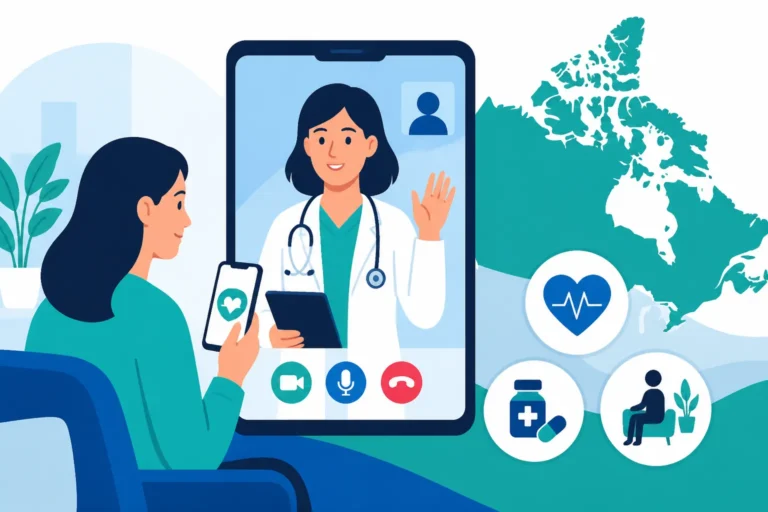
Back in my early days here, if you wanted to see a doctor, you had to physically go to their office or a walk-in clinic. Simple as that. But oh, how times have changed! Telehealth, or virtual care, has become a real game-changer, especially after the experiences of recent years. It essentially means getting healthcare services remotely, using technology like video calls, phone calls, or secure messaging. For many of us, it's become a lifeline for quick consultations, follow-ups, and advice without the hassle of a physical visit.
The Evolution of Virtual Care in Canada
Before 2020, virtual care was certainly around, but it was often seen as a niche service, mostly used for people in remote areas or for very specific types of consultations. Then, the pandemic hit, and suddenly, everyone, including the government and healthcare providers, realized just how vital it was to offer care safely and efficiently from a distance. This seismic shift accelerated the adoption of telehealth across all provinces and territories. Now, whether you're in a bustling city like Toronto or a quieter town in rural Saskatchewan, virtual care platforms are readily available, integrated into the provincial healthcare system. It's not just a temporary fix anymore; it’s a permanent, and frankly, indispensable part of how healthcare works here.
This evolution has been particularly beneficial for newcomers. Imagine you've just arrived and haven't quite figured out the transit system, or you're still waiting for your provincial health card. The thought of finding a walk-in clinic, figuring out their hours, and then waiting for hours, all while feeling under the weather, can be incredibly daunting. Virtual care bypasses many of these immediate logistical nightmares, offering a sense of relief and accessibility that was simply unheard of a decade ago. It helps bridge that initial gap, allowing you to address pressing health concerns from the comfort of your new home.
Common Services Offered Through Telehealth
So, what exactly can you get done via a virtual appointment? Quite a lot, actually! Telehealth isn't for every single medical need, of course—you won't be getting an X-ray over a video call—but it covers a broad range of common healthcare requirements. Think of it as your first point of contact for many non-emergency issues.
Many platforms allow you to get a consultation for minor ailments like colds, flu symptoms, rashes, allergies, or urinary tract infections. You can often discuss chronic disease management, ask for prescription renewals (though some medications might require an in-person assessment), or receive advice on managing ongoing health conditions. Mental health support has also seen a huge boost through telehealth, with many therapists and counsellors offering virtual sessions, making access to these crucial services much more discreet and convenient. It’s also a fantastic way to get quick referrals to specialists if a virtual doctor determines you need one.
For example, if you wake up with a nasty eye infection, instead of trekking to a clinic, you could potentially have a video call with a doctor, describe your symptoms, and even show them the affected eye. They might be able to diagnose it and send a prescription to your nearest pharmacy right then and there. It streamlines care for everyday health concerns and reduces the burden on emergency rooms and in-person clinics, allowing them to focus on more complex cases.
How Telehealth Complements In-Person Care
It's really important to understand that telehealth isn't designed to replace traditional in-person care. Instead, it acts as a powerful complement, expanding access and providing flexibility. For many initial assessments, follow-ups, and routine check-ins, it's perfect. But for anything requiring a physical examination, diagnostic tests like blood work, or emergency interventions, you'll still need to see a doctor or specialist in person.
Think of it this way: your family doctor might use telehealth for your annual check-up discussion, but then ask you to come in for a blood pressure reading or a physical exam. If you've got a cut that needs stitches or a suspected broken bone, that's definitely an in-person, likely emergency room, situation. Telehealth is fantastic for screening and managing less severe conditions, providing that essential layer of primary care that can be so hard to access in Canada, especially when you're just starting out. It can also be invaluable in helping you navigate the Canadian healthcare system: A Newcomer's Roadmap (2026) by providing initial guidance.
Accessing Telehealth Services with Your Provincial Health Coverage
The good news is that if you're eligible for and have your provincial health coverage, most telehealth services are covered, just like an in-person doctor's visit. This is where the truly "free at the point of use" aspect of Canadian healthcare comes in. However, like everything else in Canada, the specifics can vary a bit from one province to another.
Provincial Variations in Telehealth Coverage
Each province and territory manages its own healthcare system, and that includes virtual care. While the overarching goal is the same—to provide accessible care—the platforms and processes can differ. For instance, in Ontario, you might use services connected to Health Connect Ontario (formerly Telehealth Ontario) or access virtual appointments directly through platforms your family doctor uses, or through online walk-in clinics that bill OHIP. Similarly, in British Columbia, many doctors offer virtual appointments that are covered by MSP, and there are provincial resources like HealthLink BC. Quebec has its own system with platforms that are covered by RAMQ.
It's crucial to check what's available and covered in your specific province. If you're wondering how to apply for OHIP, MSP, RAMQ or AHCIP When You Arrive in Canada, remember that once you have your provincial health card, you unlock access to these virtually covered services. For example, if you're in Alberta, you'd look into services covered by AHCIP. The general idea is consistent: once you're in the provincial system, virtual doctor visits are typically part of your comprehensive care, making them incredibly convenient and cost-effective.
The Registration Process
Getting set up for a virtual appointment is usually pretty straightforward, especially on the major platforms. First, you'll need to find a service provider. Many family doctors now offer virtual appointments, so if you've already managed to How to Find and Register with a Family Doctor in Canada, that's a great place to start. If you haven't, or if you need a quicker appointment, you can look for online walk-in clinics. These are essentially virtual versions of traditional walk-in clinics.
Typically, you'll visit their website or download their app. You'll then register, providing some basic personal information and, crucially, your provincial health card number. This is how they bill the provincial government on your behalf. Once registered, you can usually browse available doctors or appointment times and book your slot. Some popular platforms include Telus Health MyCare, Maple, and Rocket Doctor, though availability and provincial coverage for these can vary, with some offering both publicly funded and private options. The process usually takes just a few minutes, setting you up for your virtual consultation.
Preparing for Your Virtual Appointment
To make the most of your telehealth appointment, a little preparation goes a long way. Think of it like a regular doctor's visit, but with your computer or phone as the examination room. First, ensure you have a stable internet connection and a private, quiet space where you won't be interrupted. This allows you to speak freely and clearly with the doctor.
Next, have any relevant information handy. This includes a list of your symptoms, how long you've had them, any medications you're currently taking (including over-the-counter ones), and a brief medical history. If it’s a follow-up, remind yourself of what was discussed last time. If you have a visible symptom, like a rash, make sure you have good lighting to show it clearly on camera. Don't be afraid to take notes during the call, or ask the doctor to repeat something if you don't understand. Remember, communication is key, and taking these steps will help the doctor make an accurate assessment and provide the best advice.
What if You Don't Have Provincial Coverage? (Or Need Extra Support)
This is a really common scenario for newcomers, especially during that dreaded "waiting period" that some provinces impose before your provincial health coverage kicks in. It's a frustrating reality for many, and it's where private options, including robust travel insurance, become not just useful, but absolutely essential. Understanding the three-month waiting period for health coverage in Canada is vital, and preparing for it can save you a lot of stress and money.
Private Telehealth Options for Newcomers and Visitors
If you're not yet eligible for provincial coverage, or if you're a visitor or tourist in Canada, you're not out of luck. There are numerous private telehealth platforms that you can use. These services typically operate on a pay-per-use model, meaning you'll pay a fee for each consultation. The benefit, of course, is immediate access to care without needing a provincial health card.
Many of the platforms mentioned earlier, like Maple and Telus Health MyCare, offer private options alongside their provincially covered services. You simply select the private pay option, and you're good to go. This can be a lifesaver if you find yourself feeling unwell during the waiting period or if you’re here on a visitor visa and need medical advice without incurring massive costs for a physical clinic visit. For individuals who are concerned about unforeseen medical events during this period, or simply want comprehensive coverage, considering private health insurance is a smart move. Providers like SafetyWing offer travel medical insurance that can cover virtual doctor consultations, alongside other emergency medical expenses, which is incredibly helpful for short-term visitors or those waiting for provincial plans. It’s peace of mind wrapped up in a policy.
The Cost of Private Virtual Care
Let's talk money, because that's often the biggest concern when you're without provincial coverage. The cost of a private virtual care appointment can vary, but generally, you can expect to pay anywhere from $50 to $150 per consultation. This fee typically covers a full consultation with a licensed Canadian doctor, who can diagnose, offer advice, and issue prescriptions or referrals if needed. While this might seem like a lot, it's significantly less than what an in-person walk-in clinic or, heaven forbid, an emergency room visit would cost if you're paying out-of-pocket.
It's important to weigh these costs against the alternatives. A single visit to an Emergency Medical Care in Canada: What Every Newcomer Needs to Know without coverage could easily run into hundreds or even thousands of dollars. Private telehealth, therefore, offers a much more affordable and accessible solution for non-emergency issues. Plus, if you have private health insurance, like a plan from SafetyWing, these costs might be reimbursed or directly covered, depending on your policy terms. Always check your insurance details carefully to understand your coverage limits and claim processes. Knowing How Much Private Health Insurance Cost in Canada in 2026? can help you budget effectively.
Bridging the Gap: Telehealth During the Waiting Period
The waiting period for provincial health coverage in Canada can be a stressful time. Depending on the province, it could be up to three months before you're fully covered. During this time, getting sick can lead to significant financial strain. This is where telehealth truly shines as a critical bridge. Rather than avoiding necessary medical attention due to cost fears, you can access virtual care relatively affordably, either by paying out-of-pocket or, ideally, through a private insurance plan you purchased before or upon arrival.
Many newcomers prioritize finding a place to live and a job, and healthcare can sometimes fall by the wayside until an issue arises. But proactive planning is key. Consider private insurance options that specifically cover medical expenses, including virtual doctor visits, during your initial weeks or months in Canada. Products like SafetyWing are designed with digital nomads and international travellers in mind, providing flexible and comprehensive coverage for those critical early stages. Having this safety net means you don't have to suffer in silence or delay care, which can prevent minor issues from escalating into major, more expensive problems. Remember, Do I Need Private Health Insurance When I First Arrive in Canada? The answer is often a resounding yes.
Here’s a quick comparison of general telehealth coverage:
| Feature | Provincial Health Coverage (e.g., OHIP, MSP, RAMQ) | Private Telehealth (e.g., Maple, Telus Health MyCare – private option) |
|---|---|---|
| Eligibility | Provincial resident with valid health card | Anyone (newcomers, visitors, those in waiting period) |
| Cost | Usually $0 per visit (covered by taxes) | $50-$150+ per visit (out-of-pocket or private insurance claimable) |
| Services Covered | Consultations, prescriptions, referrals for many common issues | Similar range of services, often including mental health |
| Primary Use Case | Routine care, minor ailments, follow-ups | Urgent non-emergency care, bridging waiting periods, convenience |
| Required Documents | Provincial health card number | Credit card for payment, sometimes a private insurance policy number |
| Example Use | Flu symptoms, prescription refill, rash, mental health intake | Sudden illness during waiting period, visitor needing quick advice |
Pros and Cons of Telehealth Appointments in Canada
Like any service, telehealth comes with its own set of advantages and disadvantages. As someone who's seen the healthcare system evolve here, I can tell you it's not a silver bullet, but it's a mighty useful tool in our healthcare arsenal.
The Upsides: Convenience, Accessibility, Time-Saving
The biggest win for telehealth is undeniably its convenience. Imagine you have a busy day, or you're stuck at home with a sick child. With virtual care, you don't have to factor in travel time to a clinic, find parking, or spend hours in a waiting room exposed to other people's germs. You can often get an appointment within hours, sometimes even minutes, from the comfort of your own living room. This is especially true for those with chronic conditions who need regular check-ins or for busy professionals who find it hard to squeeze a doctor’s visit into their work schedule.
Beyond convenience, accessibility is a huge factor. For people living in remote areas where doctors are scarce, or for those with mobility issues, telehealth removes significant barriers to care. It also means you might be able to access specialists or doctors with specific expertise more easily, regardless of their physical location. It's truly revolutionary in expanding who can get care, and how quickly. For newcomers still figuring out their way around, this level of accessibility can be truly comforting. Being able to quickly consult a doctor for a common cold or a persistent cough without needing to understand the local transit system or the layout of a hospital is invaluable.
Lastly, it’s a massive time-saver. Time is money, and waiting in a clinic for hours isn't just inconvenient, it's a loss of productivity. With telehealth, you book an appointment, join the call, get your advice, and you’re often back to your day within 15-30 minutes. This efficiency is a game-changer for many, helping to ease the pressure on an already strained healthcare system while offering quick relief to patients. It’s also a way to avoid going to an Understanding the Role of Walk-In Clinics in Canada if your issue isn't urgent.
The Downsides: Limitations for Physical Exams, Technology Barriers, Continuity of Care Issues
While telehealth is wonderful, it's not without its limitations. The most obvious one is the inability to conduct a physical examination. A doctor can't listen to your heart and lungs, feel for swollen glands, or properly examine a sprained ankle over a video call. This means that for certain conditions, or if the virtual doctor deems it necessary, you'll still be referred for an in-person visit. Sometimes, what starts as a quick virtual chat might end with you needing to find an in-person clinic, which can feel like an extra step.
Technology can also be a barrier. Not everyone has reliable internet access, a smartphone, or a computer. Technical glitches, poor video quality, or dropped calls can disrupt appointments and lead to frustration for both patients and doctors. Language barriers can also be amplified in a virtual setting if there's any lag or sound issues. It also relies on you, the patient, being able to accurately describe your symptoms and sometimes even demonstrate them, which isn't always easy or effective.
Finally, there's the issue of continuity of care. While convenient, using different virtual walk-in clinics can mean you see a different doctor every time. This can make it difficult to build a relationship with a healthcare provider who knows your medical history well, which is often a cornerstone of good long-term care. While provinces are trying to integrate virtual care more seamlessly, finding a dedicated family doctor and having regular check-ups with them, whether in-person or virtually, is still the ideal. However, for immediate needs, telehealth is an excellent stop-gap measure. It can even assist in understanding Understanding Prescription Drug Coverage and Pharmacare in Canada, or offer initial guidance for How to Access Mental Health Services in Canada as a Newcomer, even if follow-up will be in-person.
Disclaimer
The information provided in this article is for general guidance only and does not constitute medical, legal, or professional advice. Healthcare policies, eligibility, and costs can change rapidly and vary significantly by province and individual circumstances. Always consult with a qualified healthcare professional, immigration consultant, or financial advisor for advice tailored to your specific situation.