Can I Study in Canada on a Visitor Visa?
It’s a common dream, isn't it? You’ve fallen in love with Canada on a visit, or maybe you've heard amazing things from afar, and now you’re wondering if you can just slide into studying while you’re here on a visitor visa. You see the vibrant campuses, the bustling cities, or the serene wilderness, and the idea of extending your stay to learn something new feels perfectly natural. However, as many of us expats quickly learn, Canada's immigration rules, while fair, are often far from intuitive, and trying to blend a visitor visa with a desire to study can be a real head-scratcher. This guide will walk you through the realities, the exceptions, and the proper pathways to pursue your educational aspirations in Canada.
The Hard Truth: Visitor Visas Aren't for Studying Generally
Let’s get this out of the way upfront, because it’s where many newcomers get tripped up. A visitor visa, or an Electronic Travel Authorization (eTA) for visa-exempt countries, is designed for exactly that: visiting. It's for tourism, seeing family and friends, or short business trips. It is not intended for you to enroll in a full-time academic program or embark on a long-term course of study. I know, it feels like a bit of a bureaucratic buzzkill when you’re just trying to enjoy the country and improve yourself, but there’s a clear distinction in Canadian immigration law.
Understanding the Purpose of a Visitor Visa
When you apply for a visitor visa or receive an eTA, you are essentially telling the Canadian government, "My intention is to come, spend some time, and then leave." The purpose is temporary. Think of it as a temporary pass, not a permanent resident card in disguise or a stepping stone to something else without proper application. Immigration officers are trained to assess your true intentions. If they suspect you plan to study long-term without the proper authorization, you could face difficulties entering the country or even have your visa revoked.
This isn't about being mean-spirited; it's about maintaining the integrity of the immigration system. Each type of visa and permit has specific criteria and purposes. Trying to use a visitor visa for a different purpose can lead to serious headaches down the line, including future visa refusals. So, while you might be here enjoying the sights of Vancouver or exploring the history in Quebec City, if a university program suddenly sparks your interest, you need to understand that your visitor status won't cover it without a change of plans and a new application.
The Legalities: Why You Can't Just "Switch" Your Status
The idea of simply "switching" from a visitor visa to a study permit while already in Canada is a common misconception. For most, it's simply not possible. Your visitor status is temporary resident status, and you generally cannot change your immigration category (e.g., from visitor to student) from within Canada without meeting very specific and limited criteria. These exceptions usually apply to people who already qualify for a study permit but were granted visitor status at the border, or certain family members of foreign workers or students. For the vast majority of aspiring international students, the process requires applying for a study permit from outside Canada.
This means if you're already here on a visitor visa and decide you want to pursue a degree at, say, the University of Toronto, you'll likely need to leave Canada, apply for a study permit, and then re-enter once it's approved. This can be frustrating, especially if you’ve just settled in and don’t want to pack up and leave. But understanding this fundamental rule early on can save you immense disappointment and wasted effort. It’s crucial to respect the legal framework and follow the designated channels. The process can be cumbersome, but it's the right way to secure your future in Canada.
What You Can Do: Short Courses and Language Learning
Now, don't despair completely! While you can't enroll in a multi-year degree program on a visitor visa, there are indeed some exceptions and short-term educational opportunities you can pursue without needing a formal study permit. This is where the nuance of Canadian immigration law really comes into play. It's not a blanket "no studying ever," but rather a "no long-term studying without a permit."
Short-Term Study Exemptions
The key here is the duration and type of study. If you're looking to take a short course or engage in some light language learning, you might be in luck. Canadian immigration regulations state that you do not need a study permit if your course or program of study is six months or less in duration. This is a fantastic option for visitors who want to add a skill, brush up on their English or French, or simply experience Canadian education in a short burst.
Imagine you're here visiting Montreal and decide you want to improve your French. You could enroll in an intensive French language program that lasts three months. Or maybe you're in Calgary and want to take a professional development workshop on a specific software that's only two months long. These types of programs are generally permissible on a visitor visa. Just ensure that the program's official length, from start to finish, is truly under six months. If the course calendar indicates it’s 7 months, even if you only plan to attend 5, it might still be considered a program requiring a permit. It's always best to get confirmation from the educational institution itself and, if in doubt, consult with an immigration professional. This exemption opens up a lot of doors for cultural immersion and personal growth while you’re already enjoying your time in Canada.
Exploring Designated Learning Institutions (DLIs) for Future Study
If your aspirations are beyond a short-term course, and you’re now seriously considering a full-fledged academic program, your next step is to research Designated Learning Institutions (DLIs). These are the only educational institutions in Canada approved by a provincial or territorial government to host international students. If an institution isn't on the DLI list, you won't be able to get a study permit for it. Period. You can find the comprehensive list on the Immigration, Refugees and Citizenship Canada (IRCC) website.
Exploring DLIs while you're on a visitor visa can be incredibly valuable. You can visit campuses, talk to admissions officers, attend information sessions, and get a feel for the academic and social environment. This first-hand experience can help you make an informed decision about where you want to apply for a study permit later. Think of your visitor visa period as a reconnaissance mission for your future academic journey. This hands-on research will give you a significant advantage when you apply, as you'll have a much clearer understanding of your chosen institution and program. Remember, even if you’re physically present in Canada doing this research, the actual application for a study permit must still generally be made from outside the country. This preparatory work can really streamline the process of how to apply to a Canadian university as an international student once you return home.
The Path Forward: Applying for a Study Permit
Okay, so you've determined that your educational goals extend beyond a six-month language course, and you're ready to commit to studying in Canada properly. This means you need a study permit. The good news is that millions of international students come to Canada every year, and the system, while complex, is well-established.
Eligibility Requirements for a Study Permit
Applying for a study permit is a significant step, and you need to meet several key requirements to be eligible:
- Acceptance from a DLI: This is non-negotiable. You must have an acceptance letter from a Designated Learning Institution for a full-time program. This letter is your golden ticket.
- Proof of Funds: Canada wants to ensure you can support yourself financially without relying on Canadian public funds. You'll need to demonstrate you have enough money to pay your tuition, living expenses (for yourself and any accompanying family members), and return transportation. As of 2024, the living expenses requirement for a single student is roughly $20,635 per year in addition to tuition, though this can vary by province.
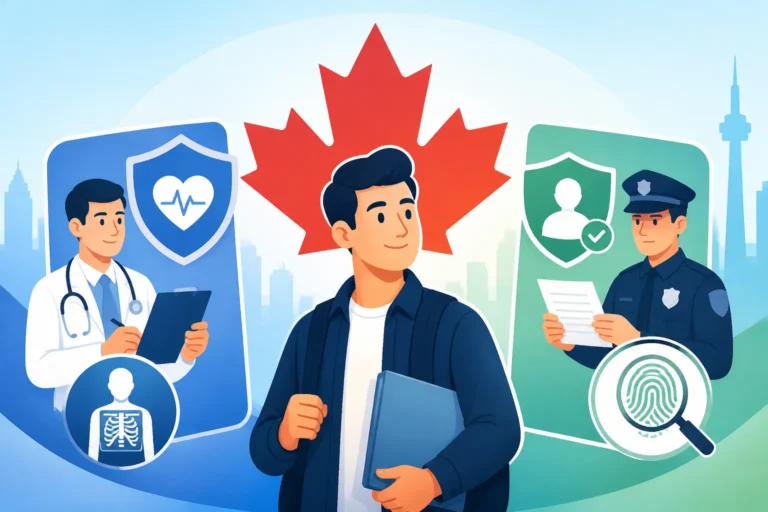
- Clean Record: You’ll need to prove you have no criminal record. This usually involves providing police certificates from any country you’ve lived in for six months or more since turning 18.
- Good Health: A medical exam may be required, especially if you’ve lived in certain countries or are applying for specific types of jobs that involve public health interaction (e.g., healthcare).
- Intent to Leave: Despite wanting to study here, you must convince the immigration officer that you will leave Canada when your study permit expires. This is often demonstrated through ties to your home country, such as property ownership, family commitments, or a job offer to return to.
Meeting these criteria can feel like assembling a giant puzzle, but each piece is vital. Being thorough and honest in your application is absolutely paramount. Don't try to cut corners or misrepresent your situation, as this can lead to refusal and complications for any future applications.
The Application Process: Step-by-Step
Navigating the application process for a study permit can feel overwhelming, especially with the IRCC website's sometimes dizzying array of information. Here's a simplified breakdown of the general steps:
- Get Accepted by a DLI: Apply to your chosen university or college. Once accepted, you'll receive a Letter of Acceptance (LOA).
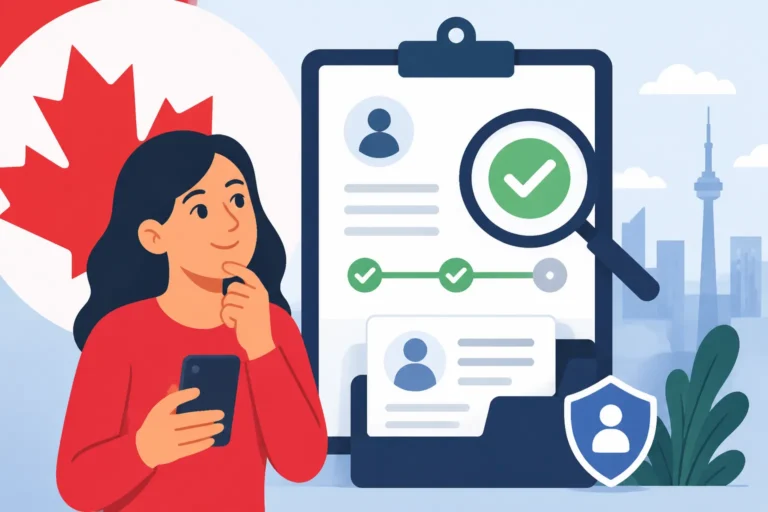
- Gather Your Documents: This is the most time-consuming part. You'll need your LOA, proof of identity (passport), proof of financial support, letters of explanation (detailing your study plan and intent to leave), police certificates, and potentially medical exam results. It's a good idea to create a checklist and gather everything meticulously.
- Complete the Online Application: You'll typically apply online through the IRCC portal. This involves filling out forms, uploading your documents, and paying the application fees. Make sure every field is correctly filled out and all required documents are uploaded.
- Biometrics: After submitting your application, you'll receive instructions to provide your biometrics (fingerprints and photo) at a designated collection service point in your home country or current location.
- Wait for a Decision: This is often the hardest part—the waiting game. Processing times can vary significantly depending on your country of origin and the time of year. You can check estimated processing times on the IRCC website.
- Receive Your Letter of Introduction: If your application is approved, you’ll get a Letter of Introduction (often called a Port of Entry Letter of Introduction). This isn't your study permit itself but confirms your approval.
- Enter Canada and Get Your Permit: When you arrive at a Canadian port of entry (airport or land border), present your Letter of Introduction, passport, and original supporting documents to a border services officer. They will then issue your actual study permit.
I've seen so many hopeful students get stressed during this phase. My advice is always to start early, be organized, and if you can, consider getting help from an immigration consultant specializing in student visas. Remember that once you have your study permit, you might also be eligible for a Post-Graduation Work Permit (PGWP) after completing your studies, which can be a path towards permanent residence. So, the effort you put in now really sets you up for the future! You can find a deeper dive into this topic in our article, How to Get a Study Permit for Canada: The Full Guide.
Protecting Yourself: Health Insurance and Planning Your Move
While planning your academic journey, it's easy to overlook crucial practicalities like health coverage and relocation logistics. However, these elements are absolutely vital for a smooth transition and a stress-free experience.
The Critical Role of Health Insurance
One of the biggest misconceptions newcomers have about Canada is that healthcare is immediately "free" for everyone. This is not true for international students, at least not initially. Most provinces have a waiting period for provincial health coverage, which can be up to three months after you establish residency. During this period, if you get sick or have an accident, you could be facing astronomical medical bills out of pocket. I've heard too many stories of newcomers ending up in financial distress because they didn't have adequate coverage.
It's absolutely non-negotiable to have robust private health insurance, especially if you're not yet eligible for a provincial plan. Providers like Cigna Global offer comprehensive packages specifically designed for expats and international students, covering everything from emergency room visits to doctor appointments and even prescription medications. Many Canadian universities also mandate that international students purchase their institutional health insurance plan, which often covers the provincial waiting period and extends beyond basic provincial coverage. Make sure you understand your university’s requirements and, if necessary, supplement it with additional private coverage. Even after you become eligible for provincial health coverage, understanding what provincial health plans do and don't cover in Canada is vital, as dental, vision, and many prescription drugs are often not covered. You might need additional private plans for these. Planning this crucial aspect is as important as choosing your program; do not skimp on it. This foresight can literally save your life and your bank account. For more information, check out How to Get Private Health Insurance to Cover the Waiting Period in Canada.
Planning Your Logistics for a Longer Stay
If you’re moving to Canada for studies, whether it's a short course or a longer degree, you’re not just packing a suitcase; you’re relocating your life, at least temporarily. This involves several logistical considerations:
- Accommodation: You’ll need to arrange housing before you arrive. Many universities offer on-campus residences, especially for first-year students, which can be a great way to ease into Canadian life. Off-campus housing requires more research, but resources are available.
- Banking: Setting up a Canadian bank account is one of the first things you should do. This makes managing tuition payments, living expenses, and receiving any income much simpler. Most major banks, like RBC or TD, offer newcomer banking packages.
- Packing and Shipping: Depending on how long you plan to stay and how much you're bringing, you might need to look into international shipping options. If you're thinking of a more permanent move after securing your study permit, companies like Sirelo can help you navigate international shipping and compare quotes from various moving companies, ensuring your belongings arrive safely.
- Budgeting: Canada can be an expensive place, especially in major cities like Toronto or Vancouver. Creating a realistic budget for tuition, rent, groceries, transportation, and entertainment is critical. Understanding the complete guide to cost of living in Canada for newcomers will be incredibly helpful.
| Feature | Visitor Visa & Short-Term Study (<6 months) | Study Permit (Longer than 6 months) |
|---|---|---|
| Purpose | Tourism, visiting, short-term learning, business | Primary purpose is full-time education |
| Required Permit | No study permit needed if course is <6 months | Required for any course/program >6 months |
| Application | Apply for eTA/Visitor Visa (if needed); often granted at border | Apply for study permit from outside Canada (generally) |
| Institution | Can attend any educational institution | Must be accepted by a Designated Learning Institution (DLI) |
| Work Rights | Generally no work rights (unless specific open work permit for spouse) | May be eligible to work part-time on campus or off-campus if conditions met |
| Health Coverage | Private travel/health insurance absolutely essential | Private health insurance initially, then provincial coverage after waiting period |
| Duration | Up to 6 months study; total stay typically 6 months (can apply to extend) | Valid for duration of program plus 90 days |
| Family | Family can visit on their own visitor visas | Spouses may be eligible for open work permits; minor children can study without separate permit |
Getting your ducks in a row for these practical aspects will dramatically reduce stress and allow you to focus on what you came here to do: learn and experience Canada. From how much private health insurance costs in Canada in 2026 to navigating your first few months, having a plan is your best friend.
Disclaimer
The information provided in this article is for general guidance only and does not constitute legal, financial, or immigration advice. While we strive to keep the information up-to-date and accurate, regulations and policies can change rapidly. For personalized advice regarding your specific situation, please consult with a Regulated Canadian Immigration Consultant (RCIC) or a qualified legal professional. Always refer to official government sources like Immigration, Refugees and Citizenship Canada (IRCC) for the most current information.