How Do I Set Up Heating for My Canadian Home?
Oh, Canada! Land of breathtaking landscapes, friendly people, and winters that will, shall we say, test your mettle. When you first arrive, getting your head around things like healthcare, banking, and finding a place to live is enough to make anyone's head spin. But then, there's the heating. It's not just about turning on a thermostat; it's about understanding different systems, fuel sources, utility providers, and frankly, how to keep your wallet from freezing solid along with your toes. Trust me, I’ve been there. This guide is going to walk you through everything you need to know to set up and manage the heating in your Canadian home, ensuring you stay toasty warm without getting a nasty shock when the bill arrives.
Understanding Canada's Heating Landscape: More Than Just a Furnace
When you move to Canada, the sheer variety of heating systems can be a bit bewildering. Back home, you might have had one standard setup, but here, it really depends on where you live, the age of your building, and even the local fuel availability. It's a steep learning curve, and it’s okay to feel a bit lost at first!
Common Heating Systems You'll Encounter
Let's break down the main contenders you're likely to come across when you're settling into your new Canadian abode. Each has its own quirks, benefits, and drawbacks, especially when you factor in our notoriously cold winters.
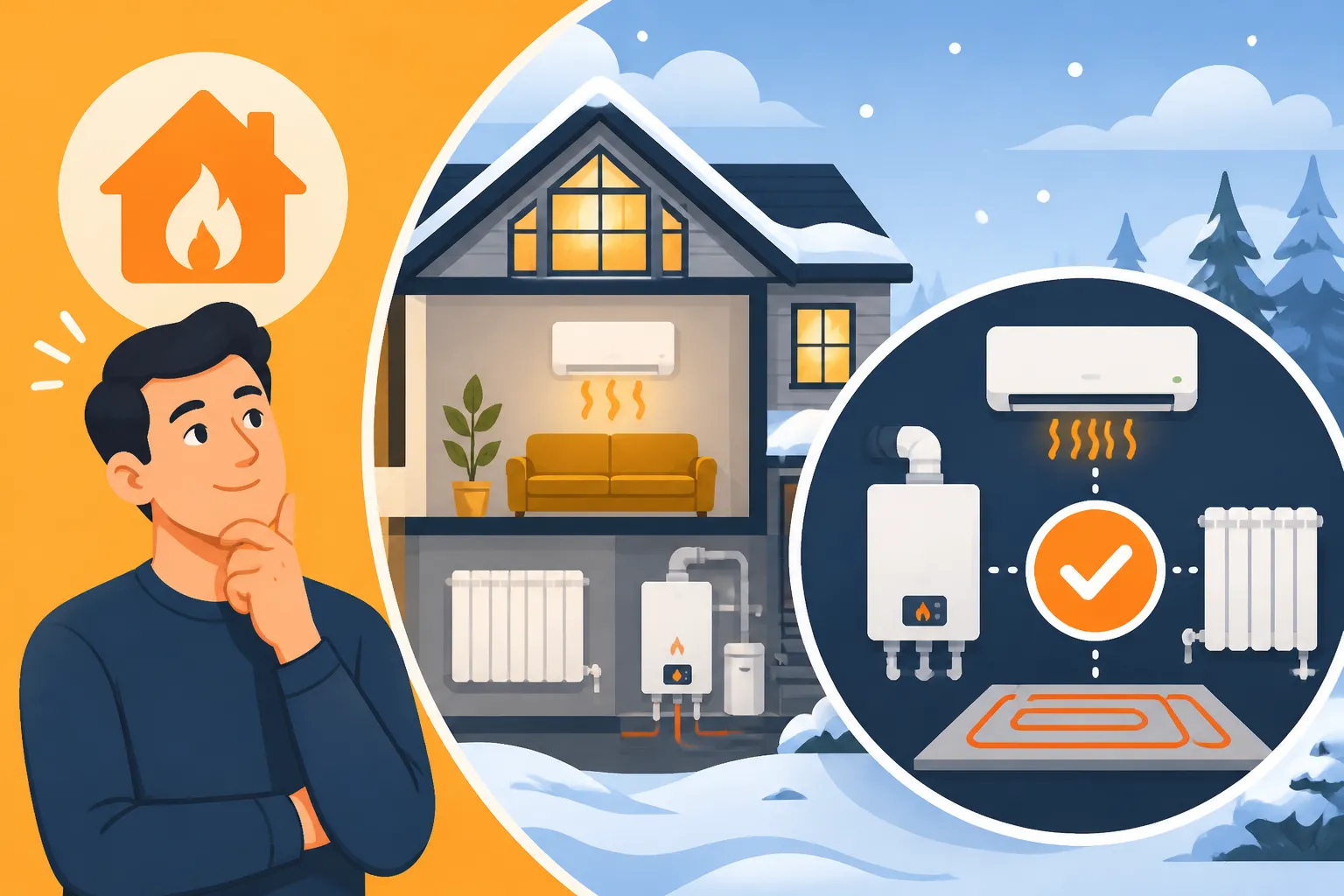
The most widespread system, especially in newer homes and many detached houses, is the forced-air furnace. This system works by heating air in a central furnace unit and then distributing it throughout the house via ducts and vents. You'll typically find these powered by natural gas, which is generally the most economical option in areas where it's available, but electric and propane-fueled versions also exist. One of the perks of a forced-air system is that the same ductwork can often be used for central air conditioning in the summer, offering a complete climate control solution. However, they can be a bit noisy, and if not properly maintained, the air can feel dry, and dust can circulate more easily.
Then there are boilers and radiant heating systems, often found in older homes, particularly in the eastern provinces and more established urban centres like Toronto or Montreal. These systems heat water or steam, which then circulates through radiators or radiant floor tubing to warm your home. The heat from these systems is often described as a more "even" and "comfortable" warmth, as it radiates from surfaces rather than blowing through vents. It's also usually much quieter than forced air. The downside can be slower response times if you want to quickly adjust the temperature, and installation costs for radiant floor heating can be substantial for new builds. If you're looking at a charming, older home, chances are you'll be dealing with a boiler system, and it's worth understanding how it works and what its maintenance needs are.
For many apartments and condos, especially those built in the mid to late 20th century, electric baseboard heaters are a common sight. These are individual units mounted along the base of walls that generate heat directly from electricity. They're incredibly simple to operate – usually just a dial on each unit or a wall thermostat controlling a zone – and allow for room-by-room temperature control. However, the operational cost can be significantly higher than natural gas, particularly in provinces where electricity rates are steep. While they're easy to install and require minimal maintenance, relying solely on electric baseboard heating during a deep freeze can make your utility bill skyrocket, so it's a trade-off between installation cost and running expenses.
Finally, we're seeing a growing trend towards heat pumps, which are becoming increasingly popular due to their energy efficiency and environmental benefits. Heat pumps work by transferring heat rather than generating it, meaning they can both heat and cool your home. In winter, they extract heat from the outside air (even in very cold temperatures!) or from the ground (geothermal heat pumps) and transfer it indoors. In summer, they reverse the process. They're much more efficient than traditional electric furnaces or baseboard heaters, and many provincial and federal governments offer incentives and rebates to encourage their adoption. While the upfront cost can be higher, the long-term savings on energy bills and the reduced carbon footprint make them an attractive option, especially for new builds or major renovations. You’ll often find these paired with a backup electric furnace for those truly extreme cold snaps, just to be safe.
Fuel Sources: What Powers Your Warmth?
Understanding your heating system also means understanding its fuel source. This isn't just a technical detail; it directly impacts your monthly bills, your environmental footprint, and sometimes even your supply reliability.
Natural gas is, without a doubt, the most common and often the most cost-effective heating fuel in Canada, particularly in densely populated areas. Major utility companies like Enbridge Gas in Ontario or FortisBC in British Columbia distribute natural gas through underground pipelines directly to homes. If your home is connected to a natural gas line, you'll benefit from consistent supply and generally lower operating costs compared to electricity or propane. Setting up your natural gas account is usually straightforward, involving a call to the local utility provider to transfer or open a new account. You'll want to do this as soon as you move in, especially if you're arriving in the colder months, because no one wants a freezing house on move-in day!
Electricity is another prevalent energy source, powering everything from electric furnaces and baseboard heaters to the increasingly popular heat pumps. Every home in Canada has access to electricity, making it a reliable option, but the cost can fluctuate significantly depending on your province and even the time of day if your utility offers time-of-use rates. Provinces like Quebec, with abundant hydroelectric power, often have lower electricity rates, making electric heating more viable there. In contrast, provinces relying more on other energy sources might find electricity a pricier option for primary heating. You'll typically set up your electricity account with your provincial hydro provider, like Hydro One in Ontario or BC Hydro in British Columbia.
For those living in rural areas or properties not connected to natural gas lines, propane often steps in as an alternative. Propane is stored in large tanks on your property and delivered periodically by a local supplier. This means you'll need to monitor your tank levels and schedule deliveries, which adds a layer of management compared to pipeline-delivered natural gas. The cost of propane can also be more volatile, influenced by global markets and delivery logistics. While it offers a powerful and efficient heat source, it requires a bit more foresight and planning to ensure you don't run out mid-blizzard.
Finally, heating oil is a less common but still present fuel source, primarily found in older homes, particularly in Atlantic Canada and some parts of Quebec. Similar to propane, heating oil is stored in a tank (either above or below ground) and delivered by a supplier. However, its use is declining due to environmental concerns and the rising popularity of natural gas and more efficient electric options. If you find yourself in a home heated by oil, it's worth understanding the system's age, efficiency, and the local availability of reputable suppliers. Moving into a home with an oil tank might also mean dealing with specific insurance or environmental regulations, so definitely do your homework!
Getting Your Heating System Set Up: The Practical Steps
The thought of setting up utilities can be daunting, especially when you're new to Canada and still trying to figure out where the closest grocery store is. But getting your heating connected is absolutely critical – you don't want to be caught off guard when the temperatures drop.
Connecting with Utility Providers
This is probably one of the most immediate and crucial tasks on your "newcomer to-do" list. Once you have an address, contacting the local utility companies to set up your accounts is paramount. The names of these providers will vary by province and even by city, so a quick online search for "[Your City/Province] gas utility" and "[Your City/Province] electricity utility" will usually point you in the right direction. For instance, if you're in Ontario, you'll likely be dealing with Enbridge Gas for natural gas and Hydro One or your local municipal electricity provider (like Toronto Hydro) for electricity. In British Columbia, it's typically FortisBC for gas and BC Hydro for electricity.
When you call or go online to set up your account, be prepared to provide personal identification (often your Social Insurance Number, or SIN, and sometimes your immigration documents), your new address, and the desired start date for services. Many utility companies will require a security deposit from new customers, especially those without a Canadian credit history. This can be a bit frustrating, but it's a common practice. This deposit is usually held for a year or two and then returned with interest, provided you've paid your bills on time. Don't forget to ask about options like equalized billing, which can help smooth out your monthly payments by averaging your annual usage, avoiding those massive spikes in winter bills. As a newcomer, you’re already juggling so much, and equalized billing can be a lifesaver for budgeting.
Speaking of communication, in those hectic first few days or weeks, having reliable phone service is a godsend. Whether you're calling utility companies, coordinating with moving services like those you might find through Sirelo, or just keeping in touch with family, staying connected is vital. Services like Airalo can be incredibly useful for getting immediate mobile data access upon arrival, allowing you to handle these crucial setup calls and online registrations without the stress of finding local SIM cards or Wi-Fi right away. It's a small detail that makes a big difference when you're trying to set up everything from your heating to your internet. Remember, these things take time, so don't leave it until the last minute before the frost truly bites! For more insights into broader utility setup, you can check out this guide on The Newcomer Guide to Setting Up Utilities Hydro Gas Internet in Canada.
Navigating Leased vs. Owned Equipment
When you move into a home in Canada, whether you're renting or buying, you might encounter a situation where some of the major appliances, including your furnace or water heater, are leased rather than owned outright. This is a common arrangement, and it's essential to understand what it means for you.
If you're renting, the landlord is typically responsible for the heating system, its maintenance, and the costs associated with any leased equipment. Your lease agreement should explicitly state what utilities you are responsible for paying. However, it's still a good idea to clarify with your landlord whether the furnace or water heater is leased or owned. If it's leased, they usually handle the transfer of the lease agreement or account with the rental company (e.g., Enercare or Reliance Home Comfort). You might not even notice it beyond a line item on your utility bill, but it's good to be aware. Make sure you know who to call if something goes wrong with the furnace – you don't want to be stuck in a cold house waiting for clarification!
For new homeowners, this becomes even more critical. Many homes, particularly older ones, come with existing lease agreements for water heaters, furnaces, or even air conditioners. When you purchase a home, these leases are often transferred to you as the new owner. While a leased furnace might seem like an extra monthly expense, it often includes maintenance and repair services, which can provide peace of mind and save you from unexpected large bills. However, these leases can be long-term contracts, and buying out the equipment can sometimes be quite expensive. It's crucial that your real estate agent and lawyer thoroughly review all existing contracts during the home purchase process. You need to know if you're inheriting a monthly payment and what your options are. In some cases, it might be more cost-effective in the long run to buy out the lease and own the equipment outright, especially if you plan to stay in the home for a long time. For more on navigating the housing market, this article on How to Choose Between Renting and Buying in Canada? offers valuable perspectives.
Managing Heating Costs and Staying Cozy on a Budget
Canadian winters are no joke, and neither are the heating bills that come with them. Especially as a newcomer, seeing those first few winter utility statements can be a real eye-opener. But fear not, there are plenty of strategies to keep your home warm and your expenses manageable.
Smart Thermostats and Energy Efficiency Upgrades
One of the easiest and most impactful ways to gain control over your heating costs is through your thermostat. Forget the old dial-and-slider models; modern smart thermostats are game-changers. Brands like Nest, Ecobee, and Honeywell offer programmable thermostats that learn your habits, can be controlled remotely via your phone, and even integrate with smart home systems. Imagine being able to turn up the heat on your commute home so you arrive to a perfectly warm house, or lowering it when you forget to do so after leaving for work. Many utility companies even offer rebates for installing these devices, recognizing their energy-saving potential. By precisely scheduling your heating and not wasting energy when you're out or asleep, you can see significant savings over the winter months.
Beyond smart gadgets, don't underestimate the power of basic energy efficiency upgrades. These aren't just for homeowners; many can be implemented in rental units with your landlord's permission, or are simple DIY fixes.
- Insulation: Ensure your attic and walls are adequately insulated. This is a major factor in heat retention. If you own your home, a professional energy audit can identify weak spots.
- Weatherstripping and Draft Stoppers: Cold air infiltration around windows and doors is a huge heat loss culprit. Installing weatherstripping around door frames and window sashes, and using draft stoppers (those long fabric tubes) at the bottom of doors can make a surprising difference.
- Window Films and Heavy Curtains: Clear plastic window film kits, available at any hardware store (e.g., Canadian Tire, Home Depot), create an insulating layer on older, drafty windows. Heavy, insulated curtains or blinds can also trap heat inside, especially at night. Open them during the day to let in passive solar heat, and close them as the sun goes down.
- Seal Cracks: Use caulk to seal any visible cracks or gaps around window frames, electrical outlets, and plumbing penetrations on exterior walls.
These small investments and habits can collectively shave a considerable amount off your heating bill, which means more money in your pocket for other essentials, or perhaps to experience more of what Canada has to offer. For more ideas, read up on Understanding How to Prepare Your Home for Winter in Canada.
Understanding Your Bills and Seasonal Adjustments
Decoding utility bills in a new country can feel like solving a complex puzzle. Canadian heating bills, especially for natural gas and electricity, often include several components beyond just your consumption, making them seem opaque at first glance. You'll typically see charges for the actual energy consumed (measured in kilowatt-hours for electricity or gigajoules for gas), delivery charges (the cost of getting the energy to your home), regulatory charges, and sometimes carbon levies. These can vary depending on your province and even your specific utility provider. It's truly a maze sometimes, but understanding these components helps you pinpoint where your money is going.
Many utility providers offer budget billing or equalized payment plans, which are fantastic for newcomers and anyone on a fixed budget. Instead of having massive bills in the peak winter months and tiny ones in the summer, these plans average your estimated annual consumption into 12 equal monthly payments. This helps avoid the financial shock of a $400 heating bill in January when you were expecting something closer to $150. It's a lifesaver for budgeting and mental peace, as you'll have a predictable expense each month. After a year, the utility company will review your actual usage and adjust the payments for the next year, either crediting you for overpayment or adding a small adjustment for underpayment. It's a very common and highly recommended option for newcomers trying to get a handle on the true The Complete Guide to Cost of Living in Canada for Newcomers 2026.
Finally, it’s vital to be aware of seasonal adjustments in your usage. It sounds obvious, but you’d be surprised how many people are shocked by their first winter bill. Your heating system will work significantly harder when it's -20°C outside than when it's -5°C. Monitoring your energy consumption through your utility provider's online portal (most offer detailed usage graphs) can help you correlate outside temperatures with your energy use and identify patterns or inefficiencies. Some provinces also have tiered pricing or time-of-use rates for electricity, meaning electricity costs more during peak demand hours (e.g., weekday mornings and evenings) and less during off-peak hours. Adjusting your habits, like running dishwashers or laundry during off-peak times, can help further reduce your overall energy expenses. Understanding these nuances is key to managing your heating costs effectively. For a deeper dive into these charges, check out Understanding Heating, Gas and Utility Bills in Canada.
| Heating System | Primary Fuel Source | Pros | Cons | Typical Usage Scenario |
|---|---|---|---|---|
| Forced-Air Furnace | Natural Gas, Propane, Electric | Quick heating, central air compatible, generally efficient for gas. | Can be noisy, air can be dry, ducts require cleaning. | Most common in detached and semi-detached homes, new builds. |
| Boiler/Radiant | Natural Gas, Oil, Electric | Even, comfortable heat, quiet operation, good for allergy sufferers. | Slower response time, installation costly for radiant floors, older systems can be inefficient. | Older homes, custom builds seeking premium comfort. |
| Electric Baseboard | Electricity | Easy installation, zone control, low maintenance. | High running cost in many provinces, less efficient for whole-home heating. | Apartments, condos, supplemental heating, or small spaces. |
| Heat Pump | Electricity | Highly energy-efficient, acts as AC, reduces carbon footprint. | Higher upfront cost, performance decreases in extreme cold (may need backup). | New builds, energy-conscious homeowners, areas with mild winters or energy incentives. |
Disclaimer
The information provided in this article is intended for general guidance and informational purposes only, and does not constitute professional advice. While we strive to keep the information up-to-date and accurate, specific regulations, costs, and availability of services in Canada can vary significantly by province, municipality, and individual circumstances. It is highly recommended that you consult with relevant utility providers, government agencies, and qualified professionals (e.g., HVAC technicians, real estate agents, lawyers) for advice tailored to your specific situation before making any decisions related to your home heating and utility setup. We assume no responsibility for any errors or omissions, or for the results obtained from the use of this information.