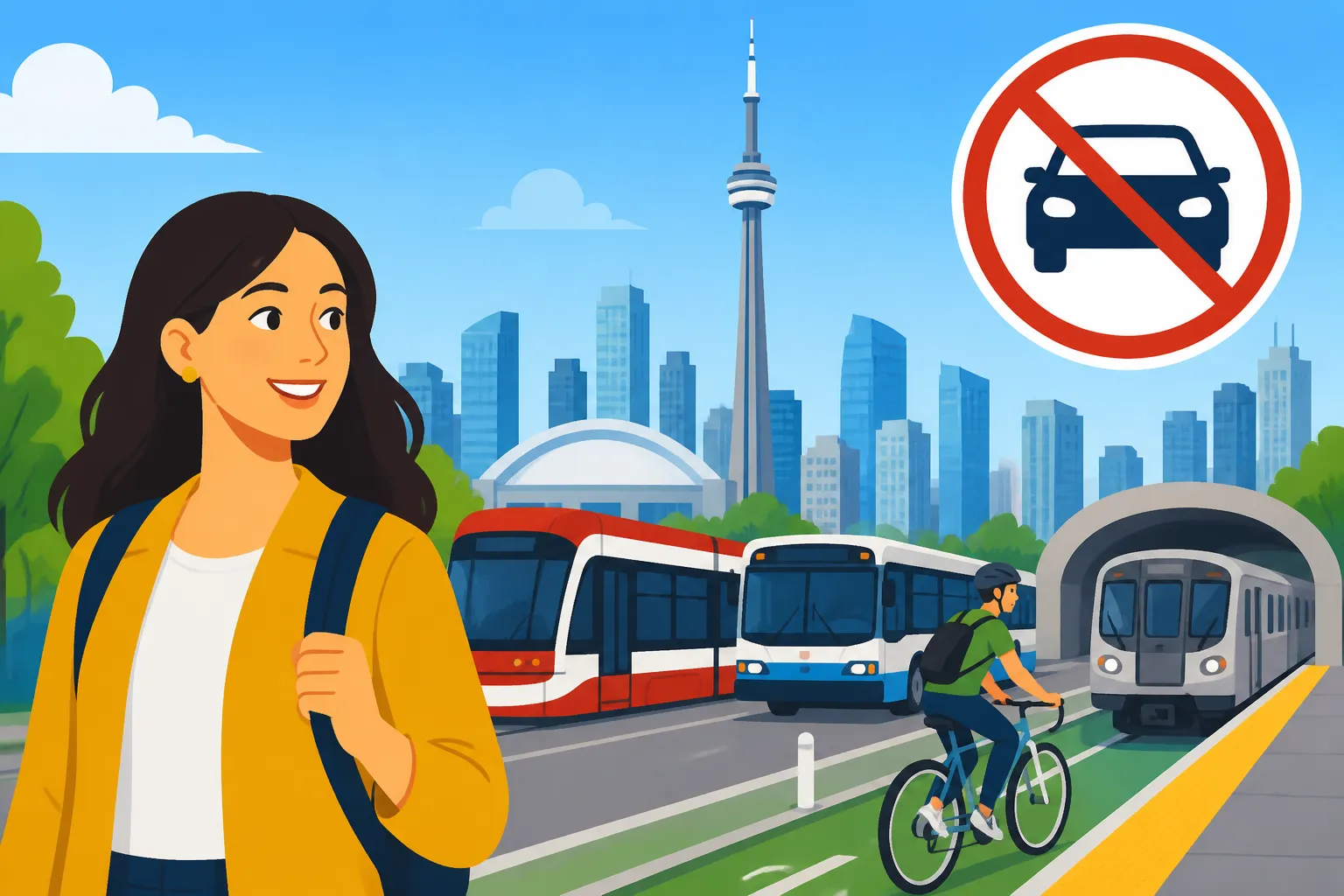
What Is the Best Way to Get Around Toronto Without a Car?
Arriving in a sprawling, vibrant city like Toronto without your own set of wheels can feel daunting, like you’ve landed in a whole new world where everyone else seems to know the secret pathways. Believe me, I’ve been there, staring at a giant transit map wondering if I’d ever truly understand it. But let me assure you, navigating Toronto efficiently and comfortably without owning a car is not just possible, it’s often the preferred way for many of us who call this incredible city home. This guide will walk you through all the ins and outs of getting around Toronto, from mastering the public transit system to embracing alternative modes of transport, ensuring you feel confident and connected from day one.
Mastering Toronto’s Public Transit: The TTC Experience
When you think about getting around Toronto, the first thing that probably comes to mind is the Toronto Transit Commission, or as we all affectionately call it, the TTC. It’s the backbone of city movement, a vast network of subways, streetcars, and buses that can take you pretty much anywhere you need to go within the city limits. Initially, it might seem a bit overwhelming, especially during rush hour, but once you get the hang of it, it becomes second nature. Think of it as your personal chariot, albeit one shared with thousands of other Torontonians.
Understanding the TTC System: Subways, Streetcars, Buses
The TTC network is surprisingly comprehensive, even if it sometimes feels a bit stretched. The subway lines are your fastest bet for north-south and east-west travel across larger distances. The main arteries are Line 1 (Yonge-University line), which forms a giant 'U' shape, and Line 2 (Bloor-Danforth line), which runs horizontally across the city. There's also Line 3 (Scarborough RT) and Line 4 (Sheppard line), though these cover smaller areas. Subways are generally reliable, but delays do happen, especially during peak times. A pro tip: avoid the Yonge line during morning and evening commutes if you can, as it can get incredibly packed.
Then you have the streetcars, an iconic part of Toronto's landscape. These run along major downtown streets like Queen, King, and Spadina, offering a charming, if sometimes slower, way to see the city. They’re excellent for getting around the downtown core and connecting to subway stations. The buses, on the other hand, fill in all the gaps, reaching residential neighbourhoods and commercial areas that the subways and streetcars don’t cover. They’re crucial for local travel, especially in the outer boroughs. Sometimes, getting around means a combination of all three – a bus to a subway, then a streetcar to your final destination. It’s a dance you learn.
Navigating Fares and Payment with Your Presto Card
Gone are the days of fumbling for tokens! The Presto Card is your absolute best friend when it comes to TTC fares. This reloadable card works across various transit systems in the Greater Toronto Area (GTA), making transfers seamless. You can buy a Presto Card at subway stations, Shoppers Drug Mart locations, or online. Loading money onto it is easy: either add a specific cash value or purchase a monthly pass if you plan on using transit frequently. For newcomers, I can’t stress enough how important it is to How Do I Use the Presto Card in Toronto?. Tapping your card when you enter a subway station or board a bus/streetcar is all it takes. Just remember to tap off only when using GO Transit or if required by specific regional transit systems; for the TTC, a single tap-on is usually enough for a 2-hour transfer window.
The fare structure is pretty straightforward. A single adult fare on the TTC is currently $3.30 with a Presto card. If you pay with cash, it's $3.35, but you won't get a transfer, so always opt for Presto if you can. Monthly passes offer unlimited travel within a calendar month, which can be a huge cost saver if you commute daily. You can find detailed fare information on the TTC's official website. Understanding these nuances will save you a lot of hassle and a few dollars.
Connecting to Regional Transit: GO Transit
While the TTC handles inner-city travel, if you plan on venturing beyond Toronto's municipal borders – perhaps to visit Niagara Falls, explore other GTA cities like Mississauga or Hamilton, or commute from a suburb – you'll be relying on GO Transit. GO Transit operates a network of commuter trains and buses that serve a much wider region. It’s a fantastic service for day trips or for those who choose to live in more affordable areas outside the city and commute in. The Presto Card also works with GO Transit, which is incredibly convenient. Just remember to tap on and tap off for GO trips, as fares are calculated based on distance.
The GO trains are particularly popular for commuters, offering a more comfortable and generally faster ride than battling highway traffic. For example, if you're headed from downtown Toronto to places like Burlington or Oshawa, the Lakeshore lines are frequent and reliable. The buses connect to areas not served by the trains, expanding your reach even further. Planning trips on GO Transit often requires checking their schedules carefully, as frequency can vary significantly depending on the time of day and line. It’s a different beast than the TTC, but equally essential for anyone exploring beyond Toronto’s core. It's truly a testament to Understanding the TTC, GO Transit and City Transit Networks in Canada.
Exploring Alternative Mobility Options
While the TTC and GO Transit are your primary modes of transport, Toronto offers a diverse range of other ways to get around, many of which can enhance your car-free lifestyle and often provide a more scenic or flexible experience. From two wheels to four-wheeled rides-for-hire, these options add layers of convenience and adventure to your urban navigation. Living without a car here opens up a world of possibilities beyond just public transport.
Embracing Cycling and Bike Shares
Toronto has been steadily expanding its network of bike lanes, making cycling an increasingly viable and enjoyable way to traverse the city, especially in the warmer months. For short to medium distances, a bicycle can often be faster than a car stuck in traffic or a crowded streetcar. Cycling offers the added benefits of exercise and fresh air, and it's a fantastic way to discover hidden gems in different neighbourhoods. If you're considering a bike, remember that Toronto traffic can be intense, so always wear a helmet, follow traffic laws, and be aware of your surroundings.
If you’re not ready to commit to buying your own bike, Toronto’s Bike Share program is an excellent alternative. With docking stations scattered throughout the downtown core and surrounding areas, you can pick up a bike from one station and drop it off at another. It’s perfect for those spontaneous rides or for covering the "last mile" from a transit stop to your final destination. Memberships are available for various durations, from single rides to annual passes. During the summer, you'll see Torontonians zipping around on these bikes everywhere. Just remember to keep an eye on the clock for rental periods to avoid extra fees.
Ride-Sharing and Taxis: When to Use Them
For those times when public transit isn't running late at night, you're carrying heavy groceries, or you simply need to get somewhere quickly and directly, ride-sharing services like Uber and Lyft are readily available and widely used in Toronto. They operate much like they do in other major cities – simply open the app, request a ride, and a driver will pick you up. Prices vary based on demand (surge pricing is real!), distance, and time of day, so it’s always a good idea to check the estimated fare before confirming. They're definitely more expensive than a TTC fare but can be a lifesaver in specific situations.
Traditional taxis are also an option, though they are generally more expensive than ride-sharing services. You can hail them on the street, find them at designated taxi stands (common near hotels and major attractions), or call a dispatch service. While ride-sharing has certainly changed the landscape, taxis still offer a reliable service, particularly for those who prefer not to use apps or in areas where ride-share availability might be lower. It's all about knowing your options and choosing the most suitable one for the moment.
The Power of Your Own Two Feet: Walking in Toronto
Toronto is, at its heart, a very walkable city, especially downtown and in many of its vibrant neighbourhoods. Many areas are designed for pedestrians, with wide sidewalks, charming storefronts, and plenty of green spaces to explore. Walking allows you to truly immerse yourself in the city's atmosphere, discovering quaint cafes, unique shops, and beautiful architecture you might miss from a bus or car. For many, a significant portion of daily commutes or errands involve a healthy amount of walking, whether it’s to the nearest subway station or from the streetcar stop to the office.
Embrace walking as a primary mode of transit for shorter distances. You'll not only save money but also get a fantastic workout and a real sense of connection to your surroundings. Neighbourhoods like Kensington Market, the Distillery District, and Queen West are best experienced on foot. Even in winter, with the right gear, a brisk walk can be incredibly invigorating. The PATH system, an extensive underground network of walkways connecting downtown buildings, subway stations, and shopping centres, is a godsend during inclement weather, allowing you to walk for miles without ever stepping outside. It's a key part of how many downtown dwellers navigate the colder months.
Planning Your Journey and Essential Tools for a Car-Free Life
Successfully navigating Toronto without a car isn't just about knowing your transport options; it's also about smart planning and leveraging the right tools. From handy apps that predict arrival times to staying connected while on the move, a bit of preparation goes a long way in making your car-free experience smooth and stress-free. Trust me, these digital helpers become indispensable very quickly.
Must-Have Apps for Toronto Transit
In today's digital age, your smartphone is your ultimate travel companion. For navigating Toronto’s public transit, there are a few apps you absolutely must download. Google Maps is a no-brainer; its transit feature provides real-time TTC schedules, calculates travel times, and offers step-by-step directions for buses, streetcars, and subways. It's incredibly accurate and will even tell you if there are delays on your route. Another local favourite is Transit App, which aggregates data from the TTC, GO Transit, and Bike Share Toronto, offering live updates, predictions, and even the ability to plan multimodal trips. For example, it might suggest walking to a streetcar, then taking the subway.
For those who frequently use GO Transit, the official GO Transit app provides schedules, service updates, and fare information specific to their network. Having these apps on hand means you’re never guessing when the next bus is coming or if your subway line is experiencing a delay. They empower you to make informed decisions on the fly, which is crucial when you're relying on public transport to get where you need to be. These apps are also invaluable when you're trying to figure out How Do I Find an Apartment Near Transit in Toronto? – you can easily map out your commute from potential new homes.
Staying Connected on the Go
Living a car-free life often means spending more time on the move, whether waiting at a bus stop, riding the subway, or walking between destinations. Staying connected is therefore paramount, not just for planning your next move but for general communication, entertainment, and safety. Having a reliable mobile data plan is key. When you first arrive in Canada, getting a local SIM card can take a moment, but you still need connectivity. This is where a service like Airalo can be a real game-changer. Airalo offers eSIMs that you can activate almost instantly, giving you access to data as soon as you land, which is perfect for navigating your first few days before you even set up a traditional mobile plan. It means you can use those essential transit apps without hunting for Wi-Fi.
Once you’re settled, you'll want to explore options for a more permanent How Do I Set Up a Mobile Phone Plan in Canada?. There are many providers like Rogers, Bell, Telus, and their sub-brands like Fido, Koodo, and Virgin Plus, offering various plans. Choosing the right one depends on your data needs and budget. Having continuous internet access on your phone will greatly enhance your car-free experience, allowing you to access maps, check transit updates, or simply stay entertained during your commute.
Considering Long-Distance and Moving Logistics
Even if you’re committed to being car-free within Toronto, there might come a time when you need to move apartments, head out of the city for a longer trip, or even consider a bigger move within Canada. Planning these logistics without a car requires a different approach. For moving within the city, you might rent a small moving truck for a few hours, hire movers who provide their own vehicle, or rely on services that connect you with individuals offering van-with-driver services. For long-distance travel, Canada’s extensive bus networks (like Greyhound or Megabus) and VIA Rail train services connect major cities. These are excellent alternatives to driving yourself, offering scenic routes and a comfortable journey.
If you’re planning a larger relocation to or from Canada and need to move your belongings without a personal vehicle, finding reliable moving services is crucial. This is where platforms like Sirelo come in handy. Sirelo can help you compare quotes from various international and local moving companies, ensuring you find a service that fits your budget and needs, whether you're shipping just a few boxes or an entire household. It takes the stress out of coordinating complex logistics when you don’t have a car to haul things yourself, allowing you to focus on the journey rather than the transport of your possessions. It’s all about leveraging the right resources to make a car-free life work for you, even for big life events.
Living Car-Free: The Reality and Benefits in Toronto
Making the choice to live car-free in Toronto is more than just a logistical decision; it's a lifestyle. It comes with its own set of challenges, sure, but the benefits often far outweigh them, especially in a city as well-equipped for public transport and alternative mobility as Toronto. Many newcomers, myself included, quickly realize that owning a car here can be more of a burden than a convenience.
The Pros and Cons of Ditching the Car
Let’s be realistic: a car-free life isn’t always sunshine and roses. On the 'con' side, you’re beholden to transit schedules, which means waiting in the cold or rain sometimes. Public transit can be crowded, especially during rush hour, and occasional delays or disruptions can throw a wrench in your plans. Getting to very specific, out-of-the-way locations might involve longer journeys with multiple transfers. If you have a family with young children, carrying groceries or sports equipment can also be a juggle. And let's not forget the sheer joy of a spontaneous road trip, which requires planning when you don't own a car.
However, the 'pros' are substantial. Firstly, freedom from the financial drain of car ownership. No car payments, no astronomical insurance premiums, no gas costs, no maintenance, and crucially in Toronto, no parking fees! These savings alone can significantly impact your The Complete Guide to Cost of Living in Canada for Newcomers (2026). Secondly, environmental benefits. Reducing your carbon footprint is a big plus. Thirdly, the convenience: no fighting traffic, no endless circling for parking spots, no dealing with snow clearing off your vehicle in winter. You can read, listen to podcasts, or simply relax during your commute. Finally, it encourages a more active lifestyle through walking and cycling, which is great for your health.
Cost Savings and Environmental Impact
The financial burden of car ownership in a major city like Toronto is staggering. Beyond the initial purchase price, annual car insurance rates in Ontario are among the highest in Canada, often costing thousands of dollars per year, particularly for new drivers or those without a long Canadian driving history. Add to that gas, parking (which can be exorbitant downtown), maintenance, and potential depreciation, and you’re looking at a significant chunk of your income disappearing. By choosing to forego a car, you free up a substantial amount of money that can be put towards housing, travel, savings, or simply enjoying the city’s vibrant life.
From an environmental perspective, every car-free trip contributes to a greener city. Fewer cars on the road mean less air pollution, reduced traffic congestion, and a quieter urban environment. Toronto is actively working towards becoming more sustainable, and choosing public transit, cycling, or walking aligns perfectly with these efforts. It’s a conscious choice that benefits not only your wallet but also the planet and the community you live in. Considering Driving in Canada: Licences, Registration and Rules for Newcomers (2027) will further highlight the costs involved with car ownership.
Practical Tips for a Car-Free Lifestyle
Embracing a car-free lifestyle requires a bit of savvy and adjustment, but it quickly becomes second nature. Here are a few final tips:
- Embrace Layers: Toronto weather can be unpredictable. Be prepared for all seasons when commuting by dressing in layers. A good waterproof jacket, comfortable walking shoes, and warm accessories for winter are non-negotiable.
- Master Your Route: Spend some time exploring your usual routes, trying different transit options. Get to know the transfer points and alternative lines. The more familiar you are, the less stressful unexpected delays will be. Remember, The Newcomer Guide to Public Transit in Canada can offer deeper insights.
- Grocery Strategy: For groceries, consider smaller, more frequent trips or using grocery delivery services. Many major grocery chains offer home delivery, which can be a lifesaver when you don't have a car to haul bulk items.
- Community Matters: Living close to transit hubs or within walkable neighbourhoods significantly eases a car-free life. When looking for a place to live, always consider your proximity to essential services and transit lines. This is a critical factor when trying to decide How Much Does It Cost to Rent an Apartment in Toronto in 2026?.
- Stay Informed: Follow the TTC on social media or sign up for alerts to stay updated on service changes, delays, and planned maintenance. Knowledge is power when you're relying on public transport.
- Don't Be Afraid to Ask: Torontonians are generally helpful. If you’re lost or unsure about a route, don't hesitate to ask a local for directions.
By integrating these strategies, you'll discover that living without a car in Toronto is not just feasible but can be incredibly liberating. It forces you to engage with the city in a more intimate way, revealing its hidden corners and rhythms.
Here's a quick comparison of popular car-free transportation methods in Toronto:
| Mode of Transport | Cost (Single Ride/Approx.) | Convenience/Flexibility | Speed (Typical) | Best For | Pros | Cons |
|---|---|---|---|---|---|---|
| TTC (Subway) | $3.30 (Presto) | High (fixed routes) | Fast (long distances) | Crossing city quickly N/S, E/W | Avoids traffic, reliable schedules (mostly) | Can be crowded, limited stops, does not cover all areas |
| TTC (Streetcar) | $3.30 (Presto) | Medium (fixed routes) | Medium (traffic dependent) | Downtown core, scenic routes | Iconic Toronto experience, frequent stops downtown | Can get stuck in traffic, slower than subway, less coverage |
| TTC (Bus) | $3.30 (Presto) | High (extensive network) | Medium (traffic dependent) | Local trips, connecting to subway/streetcar | Covers vast areas, good for neighbourhoods | Slower, subject to traffic, less comfortable during peak hours |
| Bike Share Toronto | ~$4.25 (30-min pass) | High (docking stations) | Fast (short-medium distances) | Short trips, last-mile connections, recreation | Healthy, eco-friendly, flexible routes, no parking worries | Weather dependent, limited to docking stations, can be tiring |
| Uber/Lyft | Variable ($10-$50+) | Very High (door-to-door) | Fast (traffic dependent) | Late nights, heavy luggage, specific addresses | Convenient, private, quick when needed | Expensive, surge pricing, contributes to traffic, not always available |
| Walking | Free | Very High (anywhere) | Slow | Short distances, exploring neighbourhoods | Free, healthy, eco-friendly, allows for discovery, no vehicle needed | Time-consuming for longer distances, weather dependent |
| GO Transit | Variable (distance-based) | Medium (fixed routes) | Fast (regional) | Commuting from suburbs, inter-city travel | Comfortable, wider reach outside Toronto, avoids highway traffic | Less frequent than TTC, higher cost for longer distances |
Disclaimer
The information provided in this guide is intended for general informational purposes only and does not constitute professional advice. While we strive to keep the information up-to-date and accurate, transportation systems, fares, and regulations in Canada are subject to change. Readers are encouraged to verify details with official sources such as the Toronto Transit Commission (TTC), GO Transit, and relevant municipal authorities.