How to Register and Plate a Vehicle in Canada
Ah, Canada! It's a land of incredible beauty and opportunity, but let's be honest, the moment you land, it can feel like you've walked into a labyrinth of bureaucracy, especially when it comes to something as fundamental as getting around. Trying to register and plate a vehicle here can be a truly bewildering experience for newcomers, as each province has its own unique set of rules and requirements, making a seemingly simple task feel like an Olympic sport. This guide is here to untangle that knot for you, walking you through the ins and outs of vehicle registration and plating across Canada, from understanding provincial quirks to navigating inspections and insurance, so you can hit the road with confidence, not confusion.
Understanding the Provincial Maze of Vehicle Registration
One of the first things you'll learn as an expat in Canada is that while it's one country, it operates much like a collection of distinct states, especially when it comes to provincial services. Vehicle registration and plating are prime examples of this. What's perfectly acceptable in Ontario might get you a blank stare in British Columbia, and don't even get me started on Quebec's distinct system. This isn't just a minor difference; it's a fundamental divergence that can add layers of complexity to your move if you're not prepared.
The Decentralized Nature of Canadian Vehicle Services
Unlike some countries where vehicle registration is a federal process, Canada delegates this responsibility to its provinces and territories. This means that each of the ten provinces and three territories has its own motor vehicle department, its own forms, its own fee structures, and often, its own unique set of rules for new residents. It's not a "one-size-fits-all" scenario at all. You'll hear names like ServiceOntario (Ontario), ICBC (Insurance Corporation of British Columbia), SAAQ (Société de l'assurance automobile du Québec), Service Alberta (Alberta), and so on. Each of these agencies is your gateway to getting your vehicle legally on the road in that specific jurisdiction.
For example, if you're settling in Vancouver, British Columbia, you'll be dealing exclusively with ICBC for your vehicle registration, licensing, and insurance. They’re a crown corporation and have a monopoly on basic auto insurance in the province. But if your new home is in Toronto, Ontario, you'll go through ServiceOntario for registration and plates, and then choose from a competitive market of private insurance companies for your vehicle insurance. This provincial variation can be a real headache if you're moving between provinces or if you initially settle somewhere and then decide to move again. It means you have to essentially relearn the process each time.
Why Provincial Differences Matter for Newcomers
These provincial differences aren't just bureaucratic quirks; they have real-world implications for your timeline, budget, and peace of mind. For instance, the documents required can vary significantly. Some provinces might require a specific type of safety inspection certificate that others don't, or they might have different grace periods for registering an out-of-province or imported vehicle. The fees, too, can differ substantially, from the cost of the plates themselves to annual registration renewals.
Moreover, if you're planning on purchasing a vehicle shortly after arrival, understanding these distinctions will guide your entire process. Will you need a driver's license first? Is there a waiting period? Do you need to obtain insurance before registration, or vice versa? The sequence of operations is critical. For instance, in many provinces, you cannot register a vehicle without valid insurance already in place. It's a classic chicken-and-egg scenario that newcomers often get caught in. Doing your homework on the specific province you're moving to is not just recommended; it's absolutely essential to avoid frustrating delays and unexpected costs. Before you even start thinking about car shopping, make sure you know the lay of the land for your specific province or territory. You can learn more about the broader rules and requirements by reading about Driving in Canada: Licences, Registration and Rules for Newcomers (2027).
Getting Your Vehicle Ready for Canadian Roads
Before you can even think about slapping a shiny new Canadian license plate on your vehicle, there are a few critical steps that demand your attention. These aren't just suggestions; they're legal necessities that ensure your vehicle is safe, properly owned, and, crucially, insured to hit the diverse and sometimes challenging Canadian roads. For many newcomers, this stage can feel like the biggest hurdle, especially understanding the intricacies of vehicle insurance in a new country.
Vehicle Inspections and Safety Certificates
First things first: safety. Most Canadian provinces require a vehicle to pass a safety inspection before it can be registered, especially if it's being imported from outside the province or from another country, or if it's an older vehicle being sold. This inspection is typically performed by a licensed mechanic and ensures that your vehicle meets provincial safety standards. What exactly does a safety inspection entail? It's a thorough check of the vehicle's structural integrity, brakes, tires, lights, steering, suspension, exhaust system, and more. Essentially, they're looking to make sure your car isn't a hazard on the road.
The specific type of safety certificate and where you can obtain it varies. In Ontario, for instance, you'll need a "Safety Standards Certificate" which can be issued by any licensed motor vehicle inspection station. In Alberta, a "Vehicle Inspection Report" is required for out-of-province or imported vehicles. British Columbia, on the other hand, might require a "Structural Inspection" for some imported vehicles, beyond a basic mechanical one. The cost of these inspections isn't usually covered by the provincial government, so you'll need to budget for it, typically ranging from $100 to $200, but it can be more for complex or imported vehicles that require more extensive checks. Make sure the mechanic performing the inspection is licensed by the province to issue the necessary certificate, otherwise, you'll be wasting your time and money. For further details on specific requirements, you might want to look into How Do I Get a Safety Inspection for My Car in Canada?.
Securing Vehicle Insurance in Canada
Now, this is a big one, perhaps the biggest hurdle for many newcomers. In Canada, you absolutely cannot legally drive a vehicle on public roads without valid insurance. Period. And unlike some other countries where basic liability insurance is bundled with registration, here, you typically secure insurance from a separate provider. The exception, as mentioned, is British Columbia and Manitoba, where the provincial government (ICBC and MPI respectively) handles basic insurance.
For the rest of Canada, you'll need to approach private insurance companies. This is where newcomers often face a "Canadian experience" conundrum. Without a Canadian driving history or established credit, insurance premiums can be shockingly high. Companies like Aviva, TD Insurance, Desjardins, or Intact Financial are major players you might encounter. It's crucial to shop around and get multiple quotes. Don't just settle for the first one you get. You'll need to provide details about your driving history from your home country, and while some insurers might consider it, many will treat you as a brand new driver, which, unfortunately, translates to higher rates.
Here’s a tip: gather as much documentation as you can from your previous insurers abroad, including letters proving your claims history and years of driving experience. Even then, prepare for sticker shock. This isn't just about paying a bill; it's a foundational requirement for registration. No insurance, no plates, no driving. It's also worth understanding what provincial health plans do and don't cover in Canada, especially concerning accident-related injuries, which your auto insurance might supplement. A good resource for understanding these costs is How Much Is Car Insurance in Canada?.
Title Transfer and Proof of Ownership
Whether you're importing your own vehicle or purchasing one in Canada, you'll need to establish legal ownership before registration. If you're buying a used car from a private seller, you'll receive a bill of sale and the vehicle's existing registration permit, which the seller must sign over to you. For new cars from a dealership, they usually handle much of the initial paperwork for you, but you'll still be presented with documents proving your purchase.
For imported vehicles, the process is a bit more involved. You'll need to provide proof that you legitimately own the vehicle, usually through your original title or registration documents from your home country. This might also involve paying import duties or taxes at the border if applicable. The Canadian Border Services Agency (CBSA) plays a key role here, and you'll typically need to declare your vehicle upon entry. Many newcomers find the process of physically moving their belongings, including vehicles, to Canada quite complex. Companies like Sirelo can often help with the logistics of international moves, making sure your vehicle arrives safely and legally at the border, though the provincial registration will still be your responsibility. Ensure all your documentation is in order, as any discrepancy can cause significant delays at the provincial motor vehicle office.
The Step-by-Step Process to Plate Your Vehicle
Once you've navigated the provincial differences, got your vehicle inspected, and secured that all-important insurance, you're finally ready for the actual plating and registration! This is the moment where all that paperwork starts to pay off, and you can almost taste the freedom of the open road. However, just like everything else, this process has its own specific steps and demands a keen eye for detail.
Gathering Essential Documents
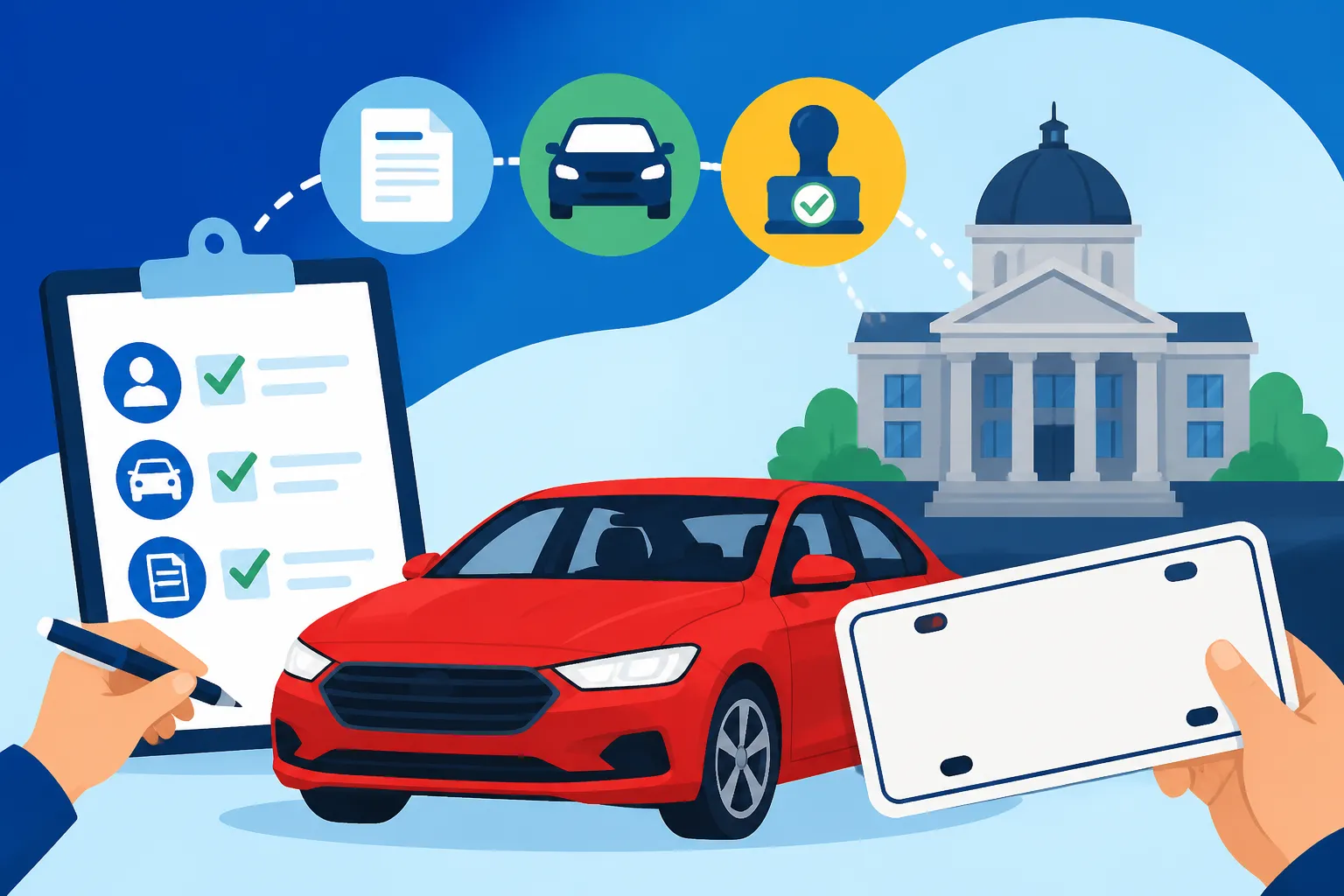
This is where the infamous Canadian paperwork mountain truly reveals itself. To register and plate your vehicle, you'll need a precise collection of documents. Missing even one can send you back to square one, which, trust me, is not where you want to be after waiting in line. While the exact list can vary slightly by province, here's a general rundown of what you'll almost certainly need:
- Proof of Identity and Residency: Your Canadian driver's licence (or, in some cases, your foreign license along with proof you've applied for a provincial one), and documents showing your address in Canada (e.g., utility bill, lease agreement). For many newcomers, obtaining your Canadian driver's licence is one of the first and most critical steps, so definitely look into How to Exchange a Foreign Driver's Licence in Canada.
- Proof of Vehicle Ownership: This could be the original vehicle ownership permit (if buying locally), a bill of sale, or import documents and original title if you've brought your car from another country.
- Safety Standards Certificate: The valid certificate from your mechanic, confirming your vehicle passed inspection.
- Proof of Insurance: Your insurance policy pink card or certificate, indicating active coverage for the vehicle you wish to register. Remember, no insurance, no registration.
- Customs Clearance Form (for imported vehicles): If you brought your car into Canada, you'll need the form (e.g., Form 1) from the Canadian Border Services Agency (CBSA) showing that the vehicle has been cleared for import and any duties have been paid.
- Odometer Reading: Be prepared to provide the current odometer reading of your vehicle.
- Payment for Fees: You'll need to pay registration and plate fees. These vary by province and vehicle type.
Always, always check the specific provincial motor vehicle department's website (e.g., ServiceOntario, ICBC, SAAQ) before you head out. Print out their checklist if they have one, and double-check everything.
Visiting Your Provincial Motor Vehicle Office
With your stack of perfectly organized documents in hand, your next step is to visit your provincial motor vehicle office. In Ontario, this means a ServiceOntario centre. In British Columbia, it's an ICBC driver licensing office (where some transactions can be done through authorized brokers). In Quebec, it’s the SAAQ. These offices can be busy, especially during peak hours, so try to go early in the morning or later in the afternoon if possible. You might find yourself waiting for a while, so bring something to read or make sure your phone battery is charged – perhaps with an Airalo eSIM so you don't chew through your main data plan while waiting in line!
When your number is called (or it's your turn at the counter), present all your documents to the clerk. They will review everything, enter your vehicle's information into their system, and process the necessary fees. This is also where you'll receive your new Canadian license plates and a registration permit. The registration permit is a critically important document, acting as your proof of registration. It typically includes information about your vehicle (make, model, VIN), your name and address, and the expiry date of the registration. Keep this in your vehicle at all times, as law enforcement may ask for it during a stop.
Understanding Fees and Renewals
The costs associated with registering and plating a vehicle are not a one-time thing. There's an initial fee for the plates themselves and the first year of registration. This varies significantly by province and by vehicle type. For example, in Ontario, the plate fee might be around $59, plus an annual registration renewal fee of around $120 for passenger vehicles, but these fees have seen changes recently, with some provinces eliminating annual plate sticker fees. Always verify current fees directly with the provincial authority.
Here's a quick overview of potential costs you might encounter:
| Item | Typical Cost Range (CAD) | Notes |
|---|---|---|
| Safety Inspection | $100 – $200+ | Varies by mechanic and province. Essential for imported/used vehicles. |
| License Plates & Initial Registration | $60 – $250+ | Varies significantly by province and vehicle type. Some provinces have phased out annual sticker renewal fees, but initial plate fees remain. |
| Annual Registration Renewal | $0 – $180+ | Varies by province. Some provinces (like Ontario for passenger vehicles) no longer charge for renewals, but others do. Always check for your specific province. |
| Emissions Test (where applicable) | $0 – $50+ | Required only in certain areas (e.g., Greater Toronto Area historically), but most provinces have discontinued these. Check local regulations. |
| Sales Tax (PST/HST) | Varies by purchase price | Applied when buying a vehicle, whether new or used from a dealership. In private sales, PST often applies to the vehicle's "book value" in provinces with PST (e.g., BC, Manitoba). Ontario has HST. |
| Driver's Licence Conversion | $80 – $100+ | Fee for exchanging your foreign licence for a provincial one. Covered in more detail in How to Exchange a Foreign Driver's Licence in Canada. |
You'll also need to consider annual renewals. Your vehicle registration is not permanent; it has an expiry date (usually one or two years from the initial registration). You'll typically receive a renewal notice in the mail or by email. In many provinces, you can renew your registration online, at a self-service kiosk, or in person at a motor vehicle office. Make sure to renew before the expiry date to avoid fines or penalties. Understanding these ongoing responsibilities is key to hassle-free driving in Canada.
Special Considerations for Newcomers and Imported Vehicles
Moving to a new country and bringing your life with you is already a massive undertaking. Adding a vehicle to the mix, especially if it's your cherished car from back home, introduces a whole new layer of complexities. Canadian authorities have specific processes and requirements for vehicles imported by newcomers, and understanding these can save you a world of grief, delays, and unexpected costs. It's truly a different ball game than simply buying a car locally.
Importing Your Vehicle from Another Country
If you're planning to bring your vehicle with you to Canada, you're looking at a multi-stage process that starts even before you cross the border. First, you need to determine if your vehicle is even admissible to Canada. The Registrar of Imported Vehicles (RIV) program, managed by the Canada Border Services Agency (CBSA) and Transport Canada, sets out the rules. Not all vehicles meet Canadian safety and emission standards, and some might require costly modifications to become compliant. You'll need to check the RIV website well in advance to see if your specific make, model, and year is eligible for import.
Upon arrival at the Canadian border, you must declare your vehicle. You'll be asked to present your original vehicle title, registration, and a completed Form 1 (Vehicle Import Form). The CBSA will stamp this form, which is crucial for later steps. You might also have to pay import duties and taxes at this point, depending on the vehicle's origin and your immigration status. After border clearance, your vehicle will enter the RIV program. This typically involves paying a RIV inspection fee and completing certain modifications (if required) within a specified timeframe. Once modifications are done, you'll need to get an RIV inspection at a designated facility to confirm compliance. Only after all RIV requirements are met will you receive a Canadian RIV inspection form, which you'll need for provincial registration. For newcomers, the entire process of importing a vehicle can be quite daunting, but organizations like Sirelo often provide valuable resources or connect you with services that can help navigate the shipping and initial import documentation, although the RIV process itself is a federal and provincial responsibility.
Buying a Vehicle as a Newcomer in Canada
For many newcomers, the path of least resistance is to buy a vehicle after arriving in Canada. This bypasses the entire RIV program and the potential headaches of international shipping and customs clearance. However, buying a car as a newcomer also has its own set of challenges, particularly when it comes to financing and insurance.
If you're buying a new vehicle from a dealership, they can often simplify the registration process for you. They will typically handle the initial registration, obtain temporary plates, and collect sales tax (HST/GST/PST) on your behalf. They might even help you connect with insurance providers, though always shop around for the best rates yourself.
Buying a used vehicle from a private seller requires more diligence on your part. You'll need to arrange for the safety inspection yourself, and ensure you complete a proper bill of sale. In some provinces, you might also be required to pay provincial sales tax (PST) on the depreciated value of the vehicle, even in a private sale. For instance, in British Columbia, you pay PST on the greater of the purchase price or the wholesale value of the vehicle. This is distinct from HST (Harmonized Sales Tax) which applies in other provinces to new vehicle purchases and sometimes to used vehicles from dealerships. Always remember to check the vehicle history report (e.g., CarFax) before buying a used car; this can reveal accident history, lien status, and odometer discrepancies. For a detailed guide on purchasing vehicles, consult How to Buy a Car as a Newcomer in Canada.
Obtaining a Driver's Licence as a Newcomer
Regardless of whether you import your car or buy one locally, one of the most fundamental requirements for legally driving in Canada is obtaining a valid provincial driver's licence. Your foreign licence might be valid for a short grace period (e.g., 60 to 90 days), but after that, you must convert it to a Canadian one. The process for this varies greatly by province and by your country of origin. Some countries have reciprocal agreements, allowing you to simply exchange your licence for a Canadian one after passing a vision test. Others might require you to take a written knowledge test and one or more road tests.
It's absolutely critical to address your driver's licence early on. Not only is it a legal requirement for driving beyond the grace period, but it's also often needed as a primary form of identification for many other administrative tasks, including vehicle registration. Without a valid Canadian driver's licence, getting vehicle insurance can also be significantly more difficult and expensive. Make sure you understand the provincial requirements for converting your licence and prepare for any tests that might be necessary. This also directly impacts your ability to even register a vehicle. You can find comprehensive information on this topic in How Do I Get a Driver's Licence in Canada?. Staying connected during this time to book appointments and confirm details can be made easier with a portable Wi-Fi device or an Airalo eSIM for reliable internet access on the go.
Maintaining Your Vehicle Registration and Beyond
Getting your vehicle registered and plated is a significant milestone, but the journey doesn't end there. Like many administrative processes in Canada, vehicle ownership comes with ongoing responsibilities. Keeping your registration current, understanding the rules, and planning for the future are all part of being a responsible driver and newcomer in this beautiful country.
Annual Renewals and Staying Compliant
As we touched upon earlier, vehicle registration is not a one-and-done affair. It requires regular renewal, usually annually or every two years. Even if your province has eliminated the physical sticker or its associated fees (like Ontario recently did for passenger vehicles), you still need to renew your registration to ensure your vehicle's information is up-to-date with the provincial authority. Failing to renew, even if it's free, means your registration is expired, and driving with an expired registration can lead to fines, impoundment, or other penalties.
You'll typically receive reminders via mail or email when your renewal is due. Many provinces offer convenient online renewal portals, allowing you to update your information and pay any applicable fees from the comfort of your home. You can also renew in person at a motor vehicle office or at designated kiosks. Always ensure your vehicle insurance is current before renewing your registration, as the provincial systems often cross-reference this information. Staying on top of these deadlines is a small task that prevents big headaches down the road.
Understanding Changes to Your Vehicle or Personal Information
Life happens, and things change. When they do, especially concerning your vehicle or personal details, you have a responsibility to inform the provincial motor vehicle authority. This includes:
- Change of Address: If you move to a new address within the same province, you must update your address on your vehicle registration. This ensures you receive important notices, like renewal reminders, and that official records are accurate. You can usually do this online, over the phone, or in person.
- Change of Vehicle Ownership: If you sell your vehicle, you must complete the transfer of ownership paperwork correctly to avoid liability for any future incidents involving that vehicle. Conversely, if you purchase a new vehicle, you'll go through the new registration process.
- Modifications to Your Vehicle: While minor cosmetic changes might not require notification, significant structural modifications or changes that impact safety or emissions could require re-inspection and notification to the provincial authority. It’s best to err on the side of caution and check with your provincial motor vehicle department if you're making substantial alterations.
Keeping your information accurate isn't just a formality; it protects you legally and ensures you remain in good standing with the provincial authorities. This is also important for other administrative tasks you'll encounter as a newcomer, so it's a good habit to update all your official documents like your health card or SIN at the same time.
Vehicle Insurance Renewals and Considerations
Just like your vehicle registration, your car insurance policy is also subject to regular renewals, typically on an annual basis. It's crucial to renew your insurance well before its expiry date, as even a lapse of a single day can leave you uninsured and illegally driving. When it's time to renew, use it as an opportunity to shop around again. Your circumstances might have changed—you might have accumulated more Canadian driving experience, your credit score might have improved, or you might have found a different insurer offering better rates.
It's also a good idea to periodically review your coverage to ensure it still meets your needs. Have you installed winter tires? Some insurers offer discounts. Has your daily commute changed? Are there new drivers in your household? All these factors can influence your premiums and coverage requirements. Understanding How to Use Private Health Insurance and Employer Benefits in Canada can also sometimes tie into your auto insurance, especially regarding supplementary injury benefits not fully covered by your provincial plan. Being proactive with your insurance ensures you're always protected and potentially saves you money in the long run.
Disclaimer
The information provided in this guide is intended for general informational purposes only and does not constitute legal, financial, or professional advice. While we strive to keep the information up-to-date and accurate, vehicle registration, insurance, and import regulations in Canada are complex and subject to change by federal, provincial, and territorial governments. Newcomers are strongly advised to consult official government websites (such as Transport Canada, the CBSA, and specific provincial motor vehicle departments like ServiceOntario, ICBC, or SAAQ) or seek advice from qualified professionals (e.g., licensed insurance brokers, certified mechanics, immigration consultants) for personalized guidance pertaining to their specific circumstances. We do not accept any liability for any loss or damage incurred as a result of relying on the information presented herein.