How to Choose the Best Bank for Newcomers in Canada
Stepping foot in a new country like Canada means a fresh start, but let's be honest, it also means a mountain of administrative tasks that can feel utterly overwhelming. One of the first things you'll need to sort out is your finances, and choosing the right bank can feel like picking a needle from a haystack. This guide is here to cut through the confusion, offering a comprehensive walkthrough on how to navigate the Canadian banking system and select the best bank for your needs as a newcomer.
Understanding the Canadian Banking Landscape for Newcomers
When you arrive in Canada, you’re not just looking for a place to stash your cash; you're seeking a financial partner who understands your unique situation. The Canadian banking system is robust, but it can operate quite differently from what you’re used to back home. From account types to credit building, there's a lot to unpack, and it’s important to find a bank that caters specifically to newcomers.
The "Big Five" and Beyond
Canada's banking scene is largely dominated by what are affectionately known as the "Big Five" banks: Royal Bank of Canada (RBC), Toronto-Dominion Bank (TD), Bank of Nova Scotia (Scotiabank), Bank of Montreal (BMO), and Canadian Imperial Bank of Commerce (CIBC). These institutions are massive, with extensive branch networks, a wide range of services, and significant digital presences. They're often the go-to for newcomers because they have dedicated programs designed to help you get started.
However, it's not just about the big players. You also have access to smaller national banks like National Bank of Canada (predominantly in Quebec), regional banks, credit unions, and increasingly, online-only banks. Credit unions, for instance, are member-owned financial cooperatives that often offer more personalized service and sometimes slightly different fee structures. Online banks, while lacking physical branches, can provide very competitive rates and low fees, appealing to those who are comfortable with digital-first banking. Choosing between them depends on your personal preference for in-person service versus lower costs and digital convenience.
The Unique Challenges Newcomers Face
As a newcomer, you're likely arriving without a Canadian credit history, which is a major hurdle for many financial services, from getting a phone plan to renting an apartment, let alone securing a loan or a credit card. Banks understand this, to varying degrees. Many have created specific "newcomer banking packages" that bypass the credit history requirement for essential services. These often include a no-fee bank account for the first year, a basic credit card, and even lines of credit or small loans based on your immigration status rather than a credit score.
Another common challenge is the need to transfer funds from your home country. You might have savings you need to bring over, or family who will be sending you money. Traditional bank wire transfers can be expensive and slow, with unfavourable exchange rates. This is where you'll want to look at a bank's international transfer options or consider third-party services like Wise, which specialize in faster, cheaper cross-border transactions. Having a good strategy for your international money transfers is crucial in those early months.
Key Factors for Newcomers When Choosing a Bank
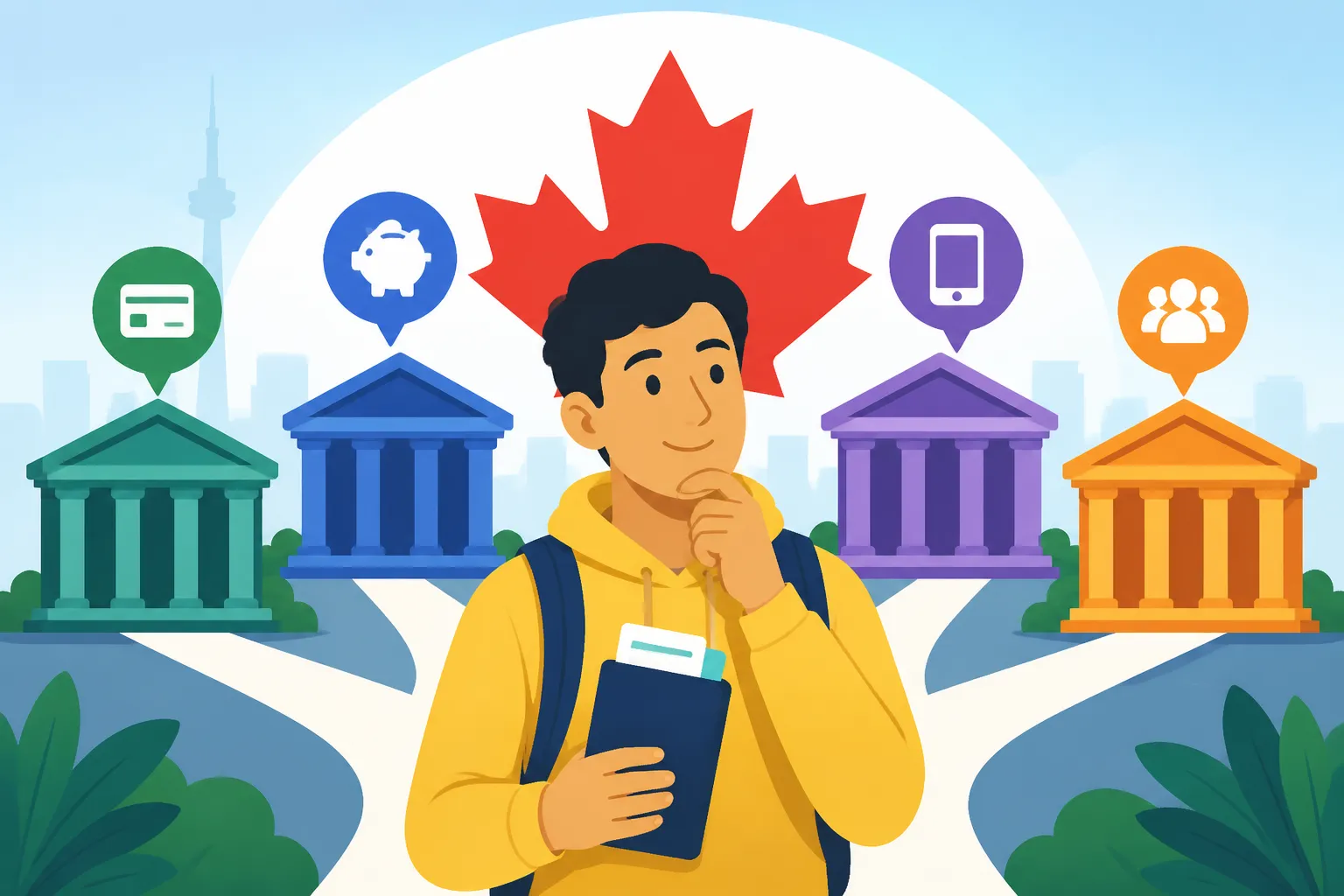
So, you're standing at the crossroads, wondering which bank door to walk through. It's more than just the logo; it's about finding a financial partner that genuinely supports your journey. Let's break down the essential factors you should consider.
Newcomer Banking Programs and Incentives
This is probably the most critical factor for most people arriving in Canada. The "Big Five" banks are particularly competitive in this area, each offering tailored packages for newcomers. For example, Scotiabank's StartRight Program is well-known, offering solutions for banking, credit cards, and even loans without a credit history. RBC's Newcomer Advantage Program also provides similar benefits, often including a chequing account with no monthly fees for a year, unlimited transactions, and sometimes even a secure credit card.
These programs often include perks like:
- No-fee banking for the first year: This saves you money right off the bat when every dollar counts.
- Access to a credit card: Crucial for building your Canadian credit history, often secured by a deposit if you have no credit.
- Multilingual staff: Many branches in diverse cities like Toronto, Vancouver, or Montreal will have staff who speak various languages, which can be incredibly helpful when discussing complex financial matters.
- Financial advice: Some programs offer complimentary financial advice sessions to help you understand budgeting, taxes, and investing in Canada.
When you're comparing banks, don't just look at the headline offer. Dig into the details. What are the fees after the introductory period? What specific documents do you need to open the account? Are there any hidden costs? This is where understanding what you need for everyday banking vs. what you might need long-term really comes into play. You’ll also want to look into services that help you understand things like the Canada Child Benefit and GST/HST Credit, which can significantly impact your family's finances.
Fees, Account Types, and Transaction Limits
Once the initial newcomer incentives expire, you'll be subject to standard account fees. Canadian bank accounts typically come with monthly fees, ranging from a few dollars to upwards of $30, depending on the number of transactions included and other benefits. However, most banks offer ways to waive these fees, such as maintaining a minimum balance in your account, having a certain number of direct deposits, or holding other products with the bank (like a credit card or investment account).
Different account types cater to different needs:
- Chequing accounts are for daily transactions, bill payments, and debit card purchases. Look at the number of free transactions included. Unlimited transactions are ideal if you use your debit card frequently.
- Savings accounts are for holding money you don't need immediately, often earning a small amount of interest. Some offer higher interest rates but might have transaction limits.
- Combined accounts offer features of both, often bundling them for a lower overall fee.
It's vital to assess your banking habits. Do you mostly use your debit card, or do you prefer to pay with cash? Do you make frequent inter-bank transfers? Understanding these habits will help you choose an account package that doesn't rack up unexpected fees. For those who prioritize minimal fees, looking at some of the smaller credit unions or online-only banks might be beneficial, as they often have more competitive fee structures for basic services.
Branch Network, ATM Access, and Digital Banking Capabilities
While digital banking is increasingly popular, having access to physical branches and ATMs can still be important, especially for initial setup, depositing cash, or when you need in-person assistance. If you're settling in a smaller town, check if your chosen bank has a local branch. Even in big cities like Vancouver or Montreal, proximity to your home or workplace can be a deciding factor.
On the flip side, strong digital banking is non-negotiable in today's world. Look for:
- User-friendly mobile apps: Can you easily check balances, pay bills, and transfer money on the go?
- Online banking portals: Are they intuitive and secure?
- Interac e-Transfer: This is Canada's ubiquitous person-to-person money transfer service. Ensure your bank supports it, and check if there are fees per transfer (many unlimited plans include free e-Transfers).
- Virtual assistants/chat support: For quick queries without needing to call or visit a branch.
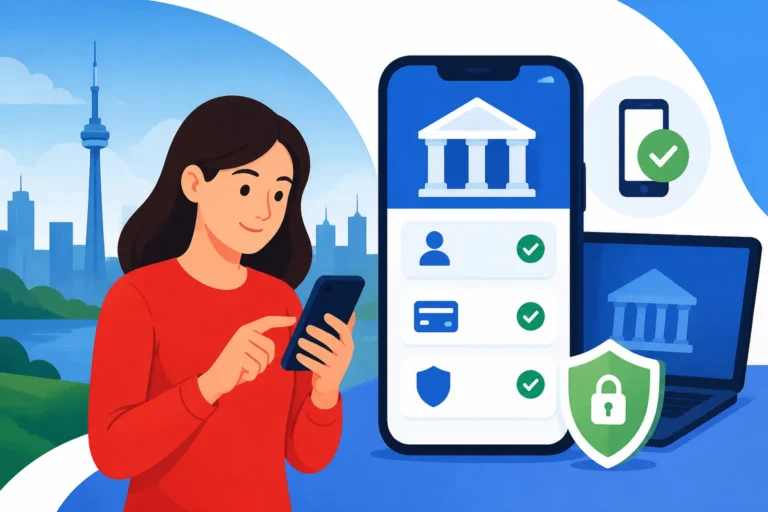
For many newcomers, managing finances from afar or even just getting accustomed to a new country means relying heavily on digital tools. A bank with a robust and reliable online platform can make your life significantly easier. You’ll want to be able to set up online and mobile banking in Canada as soon as possible.
Multilingual Support and International Money Transfer Services
Canada is a multicultural country, and major banks recognize this by offering services in multiple languages. If English or French isn't your first language, having access to banking services in your native tongue can ease the stress of setting up your financial life. Don't hesitate to ask if they have staff or resources available in your preferred language.
For international money transfers, comparing options is essential. If you frequently send money back home to family or receive funds from abroad, you'll want a bank that offers competitive exchange rates and reasonable transfer fees. As mentioned earlier, while major banks do offer international wire transfers, their rates and fees can sometimes be less favourable than specialized services. Tools like Wise (formerly TransferWise) offer transparent fees and real exchange rates, often making them a more cost-effective choice for sending money into and out of Canada. Some banks have also partnered with these services or offer their own competitive solutions, so it’s worth asking. This service is particularly important for newcomers who are managing their finances across multiple countries.
Major Banks and Their Newcomer Offerings in Canada
Let’s dive into some of the specific programs offered by Canada's "Big Five" banks, keeping in mind that these programs can evolve. It's always best to check their official websites for the most current details.
RBC's Newcomer Advantage Program
Royal Bank of Canada (RBC) is Canada’s largest bank and offers a comprehensive Newcomer Advantage program. It's designed to help new permanent residents, temporary foreign workers, and international students. Their program typically includes:
- A chequing account with no monthly fees for the first year, offering unlimited debit transactions and Interac e-Transfers. This is a huge benefit for daily financial management.
- Access to a no-annual-fee credit card (often secured initially) to help you start building your credit history. This is vital because a good credit score is fundamental for many aspects of Canadian life.
- Savings account options.
- International money transfer solutions, including a partnership with Wise for competitive rates on overseas transfers, which can be invaluable when you're moving your life savings or sending support back home.
- Mortgage and investment advice, helping you plan for the long term once you're settled. They often have dedicated multicultural banking teams to assist in multiple languages.
TD's International Student & Newcomer Banking
TD Canada Trust is another massive bank, known for its extensive ATM network and Sunday banking hours in many branches. Their newcomer offerings are quite robust, aiming to provide a smooth transition. They often feature:
- A chequing account with waived monthly fees for the first year, providing unlimited transactions.
- A credit card without a credit history, typically with a lower credit limit to start, focused on helping you establish your financial footing.
- Tailored advice for international students, which includes specific tools and resources to help manage tuition fees and living expenses.
- Multilingual customer service is available, and their physical presence makes in-person queries convenient.
- Options for various types of savings accounts, including Tax-Free Savings Accounts (TFSAs) once you're eligible, which can be a great way to save money tax-free in the future.
Scotiabank's StartRight Program
Scotiabank has long been recognized for its StartRight Program, specifically tailored for newcomers and international students. It’s one of the most visible and well-advertised programs out there. Key features often include:
- A no-fee bank account for the first year, offering unlimited transactions to manage your daily finances without worrying about extra costs.
- A credit card with a credit limit up to $5,000 (subject to approval and immigration status) without requiring a credit history, which is a significant advantage for building credit quickly.
- Access to loans and mortgages without a Canadian credit history, based on your confirmed income and immigration status, which can be crucial for larger purchases or housing needs.
- Special rates on international money transfers, including services through their partners, ensuring you get decent value when moving funds across borders.
- Financial advice and resources to help you understand the Canadian financial system.
CIBC and BMO: Other Strong Contenders
CIBC and BMO also offer competitive newcomer packages that are worth exploring.
- CIBC's Newcomer Program typically provides a chequing account with no monthly fees for up to a year, a credit card (often secured or with a lower limit), and access to a line of credit or small loan based on your immigration status. They also focus on offering advice on setting up your finances and understanding investment options.
- BMO's NewStart Program often includes a no-fee bank account for the first year, a credit card (sometimes secured), and support for international money transfers. BMO emphasizes personalized financial advice, aiming to set you up for long-term success in Canada.
When you're deciding between these, think about what matters most to you. Is it the highest credit card limit? The best international transfer rates? The most convenient branch location? Or perhaps the most comprehensive financial planning support? It’s a very personal choice, and it's worth sitting down with representatives from a couple of banks (virtually or in person) to compare their current offers. Don't forget to ask about specific documents needed to open a bank account in Canada.
Here's a quick comparison table to help you visualize some common features of newcomer banking programs:
| Feature | RBC Newcomer Advantage | TD Newcomer Banking | Scotiabank StartRight | CIBC Newcomer Program | BMO NewStart Program |
|---|---|---|---|---|---|
| No Monthly Fee Chequing | Up to 1 year | Up to 1 year | Up to 1 year | Up to 1 year | Up to 1 year |
| Credit Card w/o Credit History | Yes (secured option) | Yes (basic options) | Yes (up to $5k limit) | Yes (secured option) | Yes (secured option) |
| International Money Transfers | Competitive via partners (e.g., Wise) | Bank services available | Special rates/partners | Bank services available | Bank services available |
| Multilingual Support | Yes | Yes | Yes | Yes | Yes |
| Loans/Mortgages without credit history | Potential, immigration status-based | Potential | Yes | Potential | Potential |
| Financial Advice | Yes | Yes | Yes | Yes | Yes |
Note: Specific features and terms can change. Always verify directly with the bank.
Alternative Banking Options and Services
While the Big Five are often the first stop, Canada's financial landscape offers more choices, especially if you're looking for different types of services or a more personalized experience. Don't limit your horizons!
Credit Unions: Community-Focused Banking
Credit unions are member-owned financial institutions, meaning their profits are often reinvested into the community or returned to members through lower fees and better rates. They offer many of the same services as traditional banks: chequing and savings accounts, loans, mortgages, and investment products. The main difference is their structure and often a more localized, personalized approach to customer service.
For newcomers, credit unions can be an excellent option, especially if you prefer building a relationship with your financial institution. They might be more flexible with their policies, particularly concerning credit building for those without a Canadian history. However, their branch and ATM networks might not be as extensive as the major banks, especially if you're travelling across provinces. Examples include Vancity in British Columbia or Meridian Credit Union in Ontario. Check if there's a credit union in your local community, as they often have strong ties to local immigrant support organizations.
Online-Only Banks and Digital Solutions
The rise of digital banking has brought about a new wave of online-only banks that operate without physical branches. These banks often boast lower overheads, which they pass on to customers in the form of higher interest rates on savings accounts and lower (or no) fees on chequing accounts. Examples in Canada include EQ Bank, Simplii Financial (a division of CIBC), and Tangerine (a subsidiary of Scotiabank).
For newcomers who are digitally savvy and comfortable managing their finances entirely online, these can be fantastic choices. They often offer:
- High-interest savings accounts: Significantly better rates than traditional banks.
- No-fee chequing accounts: Truly free daily banking.
- Easy-to-use mobile apps and online platforms: Designed for a seamless digital experience.
The main drawback, of course, is the lack of physical branches. If you need to deposit cash frequently, you might have to rely on partner ATMs or services (Simplii uses CIBC ATMs, Tangerine uses Scotiabank ATMs). For international money transfers, these digital banks often integrate competitive services, similar to what you’d find with Wise. If you're someone who is primarily doing everything through your phone or computer, these options could save you a significant amount in banking fees over time.
Foreign Exchange and International Transfer Services
Beyond traditional banks, there are numerous specialized services for foreign exchange and international money transfers. As an expat, you'll likely need to transfer money into and out of Canada regularly. While Canadian banks offer wire transfers, they can sometimes be expensive with less favourable exchange rates.
Dedicated services like Wise (formerly TransferWise) have revolutionized this space. They offer:
- Mid-market exchange rates: Giving you the real exchange rate you see on Google, with transparent, low fees.
- Fast transfers: Often reaching the recipient within hours or a day.
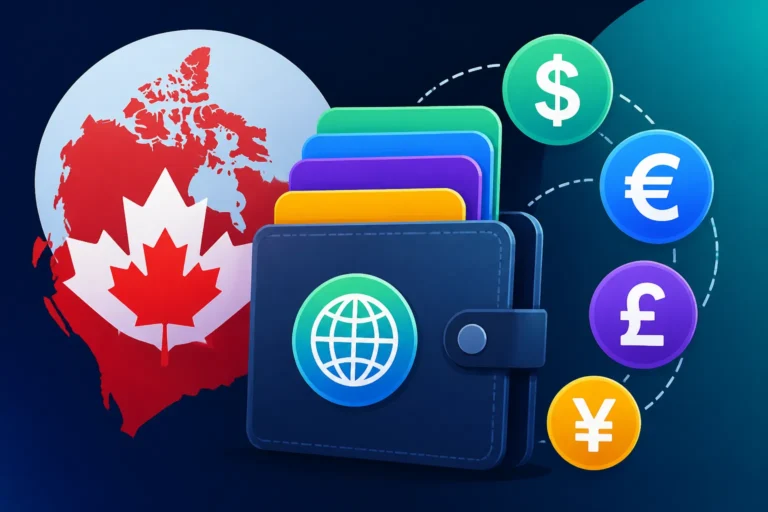
- Multi-currency accounts: Allowing you to hold and manage money in different currencies, which can be incredibly useful for newcomers maintaining ties with their home country.
Using these services can save you a substantial amount of money compared to traditional bank transfers, especially for larger sums. When you’re setting up your bank account in Canada, consider how you’ll handle these international transactions. It's not just about cost; it's about convenience and transparency, too.
Steps to Open Your First Bank Account in Canada
Opening a bank account in Canada as a newcomer is generally straightforward, thanks to regulations designed to prevent financial exclusion. However, knowing the process and having your documents ready will save you a lot of hassle.
Essential Documents You'll Need
While specific requirements can vary slightly between banks and provinces, generally, you'll need two pieces of identification, one of which must be government-issued and include your photograph. For newcomers, this usually means:
-
Primary ID (Photo ID):
- Your valid passport
- Your Permanent Resident Card (PR Card)
- Canadian driver's license (if you've already obtained one)
- Work permit or study permit issued by Immigration, Refugees and Citizenship Canada (IRCC)
-
Secondary ID (Proof of Residence/Other ID):
- Your Social Insurance Number (SIN) confirmation letter (you'll definitely need to know How to Apply for a Social Insurance Number (SIN) in Canada if you haven't already)
- A utility bill (hydro, gas, internet) in your name at your Canadian address
- A lease agreement or rental contract
- A credit card from your home country (though not always accepted as proof of ID)
- A foreign driver's license (can sometimes count as a secondary ID, but not usually primary photo ID for banking purposes)
It's always a good idea to bring extra documents, just in case. A common frustration for newcomers is being told they need something they didn't bring. Having your Confirmation of Permanent Residence (COPR) document, even if you have your PR card, can be helpful. Remember, the goal is to prove who you are and that you legally reside in Canada. You can find more details in our guide on What Documents Do I Need to Open a Bank Account in Canada?
The Account Opening Process
Once you have your documents in hand, the process typically involves:
- Visiting a branch (or starting online): While some banks allow you to begin the application online, most newcomers find it easier to visit a branch in person, especially for the initial setup. This allows you to speak with a banking specialist who can explain the newcomer programs and answer your questions directly. It's often recommended to make an appointment to avoid long wait times.
- Meeting with a banking representative: They will review your documents, explain the different account types, and walk you through the various newcomer packages. This is your chance to ask about fees, transaction limits, credit card options, and international money transfer services.
- Filling out paperwork: You'll sign account agreements and disclosure forms.
- Receiving your debit card and setting up online access: In most cases, you'll receive a temporary debit card on the spot, or your personalized card will be mailed to you within a week. The representative will also help you set up your online banking portal and mobile app.
- Initial deposit: You’ll likely need to make an initial deposit to activate your account. This can be cash, a cheque, or an international transfer.
Many banks are very accommodating for newcomers. They understand you might not have all the typical Canadian documents right away. Be honest about your situation and ask if they have specific solutions for you. Take your time, ask questions, and don't feel pressured to sign up for anything you don't fully understand. This is your financial foundation, so get it right! Our comprehensive guide to Banking in Canada: A Complete Guide for Newcomers (2027) provides even more detail on this process.
Managing Your Finances and Building Credit in Canada
Opening a bank account is just the first step. To thrive financially in Canada, you need a solid plan for managing your money and, crucially, building a strong credit history. These two aspects are deeply intertwined and will impact almost every other financial decision you make.
Budgeting and Daily Money Management
Once your bank account is active, your focus should shift to effective money management. Canada has a unique cost of living that varies greatly by city and province. It's easy to overspend in the initial months, especially with all the new expenses.
- Create a budget: Track your income and expenses rigorously. Many banking apps offer budgeting tools, or you can use third-party apps. Understand where your money is going.
- Understand Canadian expenses: From taxes to housing costs, everything might be different. Learn about the federal and provincial tax brackets, sales taxes (GST/HST/PST), and how they affect your purchases.
- Automate savings: Set up automatic transfers from your chequing account to a separate savings account each payday. Even small amounts add up.
- Use online tools: Leverage your bank's online and mobile banking features to pay bills, transfer funds, and monitor your spending. This helps you stay on top of your finances without constant manual checks.
For expats, it’s also important to understand the tax implications of having foreign income or assets once you become a Canadian tax resident. While this article focuses on choosing a bank, managing your overall tax situation as a newcomer is a critical part of your financial health. Resources like Taxes for Expats can provide specialized guidance on navigating cross-border tax complexities, ensuring you comply with both Canadian and your home country's regulations.
Building Your Canadian Credit History
Having "no credit history" is one of the biggest headaches for newcomers. In Canada, your credit score and report are like your financial passport. Landlords, employers, insurance companies, and lenders all check it.
- Get a secured credit card: This is often the easiest first step. You deposit money (e.g., $500), and the bank issues you a credit card with that as your limit. Use it for small purchases and pay the full balance on time, every month. This shows financial responsibility.
- Apply for a regular credit card through a newcomer program: As discussed, many banks offer a credit card based on your immigration status, bypassing the need for an existing credit history.
- Pay all your bills on time: This includes utility bills (hydro, gas, internet), phone bills, and rent. While not all of these report to credit bureaus directly, consistently paying them shows reliability to future landlords or service providers who might ask for payment history.
- Avoid carrying a balance: Try to pay off your credit card in full each month. If you carry a balance, you'll be charged high interest, and it can negatively impact your credit score.
- Limit new credit applications: Don't apply for multiple credit cards or loans simultaneously in a short period, as this can temporarily lower your score.
Building good credit takes time and discipline, typically 6-12 months to see a noticeable difference. But it's an investment that will pay off hugely in the long run. Our detailed guide on How to Build a Credit Score as a Newcomer in Canada can provide even more insights into this crucial process. And if you're curious about Understanding Newcomer Banking Packages and Free Accounts in Canada, that's another great resource to explore.
Long-Term Financial Planning
Once you're settled, start thinking about your financial future in Canada. This might include:
- Investing: Exploring options like TFSAs and RRSPs (Registered Retirement Savings Plans) to save for retirement or other goals.
- Homeownership: If you dream of buying a home, start saving for a down payment and learn about mortgages for newcomers.
- Insurance: Health insurance, car insurance, and possibly life insurance.
- Retirement planning: Understanding the Canada Pension Plan (CPP) and other retirement savings strategies.
Your chosen bank can be a key partner in this journey, offering advice and products to help you achieve these goals. Don't be afraid to utilize the financial advisors available through your bank, especially after the initial newcomer phase. They can provide valuable insights into the Canadian financial system and help you tailor a plan that works for you. Remember, the journey of financial stability in a new country is a marathon, not a sprint, and having the right banking partner can make all the difference.
Disclaimer
The information provided in this article is for general guidance only and does not constitute financial or legal advice. Banking products, services, and eligibility criteria for newcomers can change frequently. It is essential to consult with the specific financial institutions and official government resources for the most up-to-date and personalized information before making any financial decisions.