How Do I Apply for a Credit Card as a Newcomer in Canada?
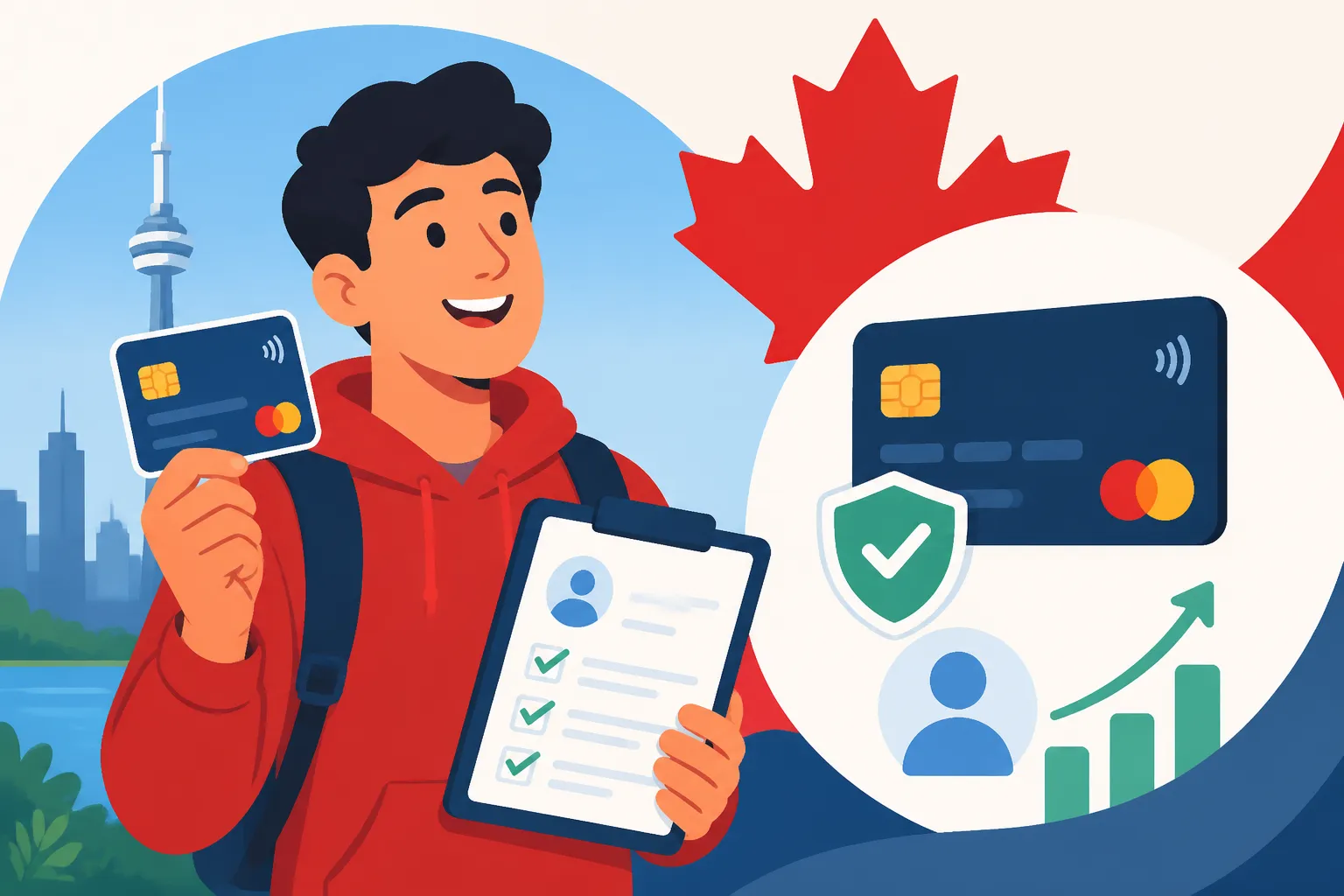
One of the most frustrating realities for many newcomers arriving in Canada is the sudden, bewildering disappearance of their credit history. You might have had impeccable credit back home, a solid financial track record spanning years, only to arrive here and be treated as if you’ve never managed money in your life. It’s a classic Catch-22: you need a credit card to build credit, but you need credit to get a credit card. This guide will walk you through exactly how to navigate this uniquely Canadian challenge and successfully apply for your first credit card as a newcomer.
The Credit Card Catch-22 for Newcomers
Landing in Canada, full of hope and ready to start fresh, only to discover your financial past means nothing here can be a real punch to the gut. I remember feeling completely deflated when I was told my perfect credit score from another country was essentially invisible to Canadian lenders. It’s not a reflection of your financial responsibility; it’s just how the system works. Canadian financial institutions operate within their own credit reporting ecosystem, and generally, they don't have access to your credit history from abroad.
Understanding the Canadian Credit System
Canada’s credit system relies primarily on two major credit bureaus: Equifax and TransUnion. These bureaus collect data on your borrowing and repayment habits within Canada. Every time you apply for a loan, a credit card, or even some rental agreements, these bureaus record it. They also track how consistently you pay your bills, how much credit you use, and how long your accounts have been open. This information is then compiled into a credit report, and a credit score is generated, typically ranging from 300 to 900. A higher score indicates lower risk to lenders.
For newcomers, the challenge is simple: these bureaus have no data on you. Even if you've diligently paid off mortgages and car loans in your home country for decades, that information isn't automatically transferred. This means you start with a blank slate, a "no credit history" status, which is often treated with the same caution as "bad credit history" by many automated systems. It's a bureaucratic hurdle, not a personal failing.
Why a Credit Card is Crucial for Building Your Life
While it might feel like an unfair obstacle, establishing credit in Canada is genuinely crucial for almost every aspect of your new life here. Think of it as a financial passport that unlocks various opportunities. Without a Canadian credit history, getting approved for things like an apartment lease, a car loan, or even a cell phone plan can be difficult, sometimes requiring larger upfront deposits or co-signers.
The ability to access loans for major purchases, like buying a home, also hinges entirely on your credit score. Lenders will scrutinize your credit report to assess your financial reliability before offering a mortgage. Even if you have significant savings, your credit history demonstrates your capacity to manage debt over time. Building good credit isn't just about getting a loan; it's about proving your financial stability and trustworthiness within the Canadian system. For more on this, you might find our guide on How Do I Build Credit as a Newcomer in Canada? incredibly helpful.
Types of Credit Cards Available to Newcomers
Navigating the world of Canadian credit cards can feel a bit overwhelming when you first arrive. You might walk into a bank, bright-eyed and ready to apply for that flashy travel rewards card, only to be politely, or sometimes not-so-politely, redirected. But don’t despair! There are specific pathways designed for newcomers, and understanding them is your first step to success.
Secured Credit Cards
For many newcomers, a secured credit card is the most common and often the easiest entry point into the Canadian credit system. How does it work? It's pretty straightforward: you provide a security deposit to the bank, which typically matches your credit limit. So, if you deposit $500, your credit limit will be $500. This deposit acts as collateral, significantly reducing the risk for the lender, which makes it much easier for them to approve your application even with no credit history.
The beauty of a secured credit card is that it functions exactly like a regular credit card. You use it for purchases, you make your payments on time, and these actions are reported to the credit bureaus. Over time, usually 12-18 months of responsible use, you'll build a solid credit history. Many major Canadian banks, like RBC, CIBC, Scotiabank, BMO, and TD, offer secured credit card options. Once you've established good credit, you can often "graduate" to an unsecured card, and your deposit will be returned to you. It's a stepping stone, but a very effective one.
Newcomer-Specific Credit Cards and Banking Packages
Recognizing the unique challenges faced by immigrants, many of Canada's big banks have actually created special banking packages and credit card programs specifically for newcomers. These are often designed to help you get your financial footing quickly. These programs might waive certain fees for a period, offer higher credit limits than a typical secured card without a massive deposit, or even provide a small, unsecured credit card right off the bat if you meet certain criteria.
For instance, some banks will offer an unsecured credit card (meaning no deposit required) to new permanent residents or those on specific work permits, especially if you can demonstrate a steady income or have a good job offer. It's always worth asking about these specific newcomer offers when you set up your initial bank account. They often understand that you have a financial life outside of Canada, even if they can't directly access your credit score. Be sure to explore options like these, as they can bypass the need for a secured card entirely for some individuals. A good starting point is to investigate options when you are looking into Which Bank Is Best for Newcomers in Canada? or exploring Understanding Newcomer Banking Packages and Free Accounts in Canada.
Department Store or Retail Credit Cards
Another, albeit less ideal, option for building credit is to apply for a department store or retail credit card. These cards are generally easier to get approved for than traditional bank credit cards, even with a limited credit history. Think about cards offered by major retailers like Canadian Tire, The Bay (Hudson's Bay Company), or other large chain stores.
The main drawback here is that these cards usually come with much higher interest rates, and their utility is often limited to purchases within that specific store or family of stores. While they can help you build credit by demonstrating responsible payment behaviour, they aren't as versatile or beneficial as a general-purpose credit card from a bank. However, if all other options prove difficult, a retail card can serve as a temporary bridge to start building that essential credit history. Just be mindful of the high interest rates and make sure to pay your balance in full every month to avoid costly interest charges.
The Application Process: Step-by-Step for Newcomers
Applying for a credit card in a new country can feel like navigating a maze, especially with language barriers or unfamiliar terminology. But it doesn't have to be. With the right approach and a clear understanding of what’s required, you can make the process much smoother. Remember, the key is to be prepared and realistic about your initial options.
Gathering Your Essential Documents
Before you even step foot into a bank or start an online application, make sure you have all your ducks in a row. Canadian financial institutions are sticklers for documentation, and for newcomers, this list is even more important. You will absolutely need your Social Insurance Number (SIN), which is critical for all financial transactions and tax purposes in Canada. If you haven’t applied for one yet, check out our guide on How to Apply for a Social Insurance Number (SIN) in Canada.
Beyond your SIN, you’ll need valid government-issued photo identification, like your passport or Canadian driver’s license. Proof of address is also crucial – this could be a utility bill, a rental agreement, or a letter from your employer. Don't forget proof of income, which might include employment letters, recent pay stubs, or even bank statements showing regular deposits if you’re self-employed. Finally, have your immigration documents (Permanent Resident card, work permit, study permit) readily available, as these confirm your status in Canada. Having these documents organized will save you a lot of time and frustration during your application. For a general overview of documents needed for banking, read What Documents Do I Need to Open a Bank Account in Canada?.
Approaching the Right Institutions
When it comes to actually applying, don't just walk into the first bank you see. Your best bet is to start with the bank where you’ve already opened your primary chequing and savings accounts. They already have some of your information and might be more inclined to help you establish your credit profile. Many newcomers find success with the major Canadian banks (RBC, TD, Scotiabank, CIBC, BMO) as they often have dedicated newcomer programs and staff who are familiar with the challenges you face. They are more likely to offer secured cards or even specific unsecured newcomer credit card products.
When discussing secured credit cards, be prepared to show proof of funds for your deposit. This is where services like Wise can come in handy if you're transferring money from your home country to fund your Canadian bank account. Having those funds readily available in your Canadian account demonstrates your ability to make the required deposit for a secured card. Remember to inquire specifically about their "newcomer" or "immigrant" credit card programs, as these are often different from their standard offerings.
What to Expect During the Application
The application process for a newcomer credit card will be slightly different from what an established Canadian might experience. You won't typically undergo a traditional credit check if you have no history. Instead, the bank will focus on your ability to make the security deposit (for a secured card) or your current income and employment stability (for unsecured newcomer cards). They will ask about your income, your monthly expenses, and possibly your assets.
Be honest and upfront about your financial situation. The bank representative will explain the terms and conditions, including interest rates, annual fees (some secured cards have them, others don't), and payment due dates. It's a good time to ask any questions you have. Don't feel pressured to sign anything you don't understand. Take the time to read through the agreement, especially noting the grace period for payments and any fees. Understanding these details from the start will help you use your card responsibly and avoid any unwelcome surprises.
Building and Maintaining Your Credit Responsibly
Getting that first credit card is a huge win, a significant step forward in establishing your financial life in Canada. But the journey doesn't end there. The real work begins now: using that card wisely to build a strong credit history. This isn't just about paying bills; it's about forming good financial habits that will serve you well for years to come.
The Golden Rules of Credit Card Use
Think of your credit card as a tool, not free money. The absolute golden rule for building good credit is to pay your bill on time, every single month. Even one late payment can have a significant negative impact on your credit score. Set up automatic payments if you can, or mark your calendar with reminders. Secondly, try to keep your credit utilization low. This means don't max out your card. If you have a $500 limit, try to keep your balance below $150-$200 (30-40% utilization) at all times. Lenders see high utilization as a sign of financial distress, even if you pay in full.
Another crucial tip is to pay your balance in full whenever possible. While paying just the minimum might seem okay, carrying a balance means you'll pay high interest, which wastes your hard-earned money. Paying in full shows financial discipline. Finally, don't close old credit accounts once you get better cards. The length of your credit history is a factor in your score, so keeping older, well-managed accounts open (even if you rarely use them) helps establish a longer positive history. These habits will contribute directly to a healthy credit score over time, helping you achieve your future financial goals like buying a house.
Monitoring Your Credit Score
You wouldn't drive a car without a speedometer, so why manage your finances without knowing your credit score? Regularly monitoring your credit score and report is a smart move. In Canada, you can obtain a free copy of your credit report from Equifax and TransUnion once a year. Some banks and financial apps also offer free credit score monitoring as part of their services. For example, many Canadian banks offer this feature directly within their online banking platforms.
Checking your credit report allows you to spot any errors or fraudulent activity that could negatively impact your score. It also gives you a clear picture of your progress as you build credit. Seeing your score gradually increase over time can be incredibly motivating and confirms that your responsible credit card use is paying off. Remember, your credit score is dynamic, so consistent good habits are key.
Beyond Credit Cards: Other Ways to Build Credit
While a credit card is a primary tool, it's not the only way to build credit in Canada. Other financial products and services can also contribute to your credit history. For example, ensuring you pay your cell phone bills and utility bills on time, even if they don't always report to credit bureaus directly, can sometimes indirectly demonstrate financial responsibility to lenders when applying for other products. Some companies, like certain car loan providers or landlords, might even offer programs specifically designed to report your on-time payments, giving you an extra boost.
Another avenue is a small, secured loan, sometimes called a "credit builder loan," offered by some credit unions. You borrow a small amount, which is held by the institution, and you make regular payments. Once paid off, you get the funds, and your responsible payments have been reported. It's all about demonstrating a pattern of timely payments on various forms of credit. As you get more settled, understanding your overall financial picture, including tax obligations, is also vital. Resources like Taxes for Expats can help you navigate complex financial planning, ensuring that all aspects of your financial life contribute positively to your standing in Canada.
Disclaimer
The information provided in this guide is for general informational purposes only and does not constitute financial, legal, or professional advice. While we strive to offer accurate and up-to-date content, circumstances can vary, and financial regulations may change. It is always recommended to consult with a qualified financial advisor, tax professional, or banking expert for advice tailored to your specific situation as a newcomer in Canada.