Can I Pay My Hydro and Utility Bills by Pre-Authorized Debit in Canada?
One of the first things that hits you when you move to Canada, after the initial euphoria of a new beginning, is the sheer volume of new administrative hurdles. Among these, figuring out how to pay your regular bills, especially for essentials like hydro and utilities, can feel like a maze. This guide is here to untangle the process for you, specifically focusing on how you can conveniently pay your hydro and utility bills using pre-authorized debits (PADs) in Canada, making your financial life a little smoother.
Understanding Pre-Authorized Debits (PADs) in Canada
When you first arrive, understanding the payment landscape for your daily expenses can be daunting. You're used to a certain way of doing things, and suddenly, everything is different. One of the most common and often easiest ways to manage recurring bills in Canada is through something called a Pre-Authorized Debit, or PAD. It’s a bit of a mouthful, but it's essentially a set-it-and-forget-it system that many Canadians rely on.
What Exactly is a PAD?
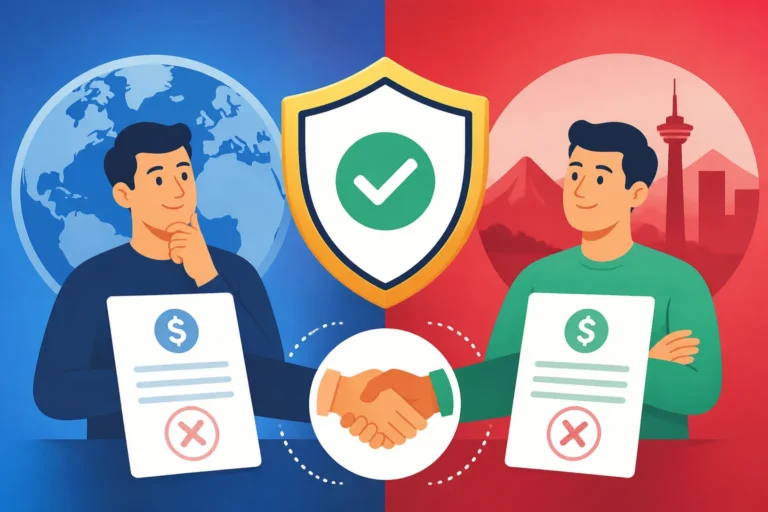
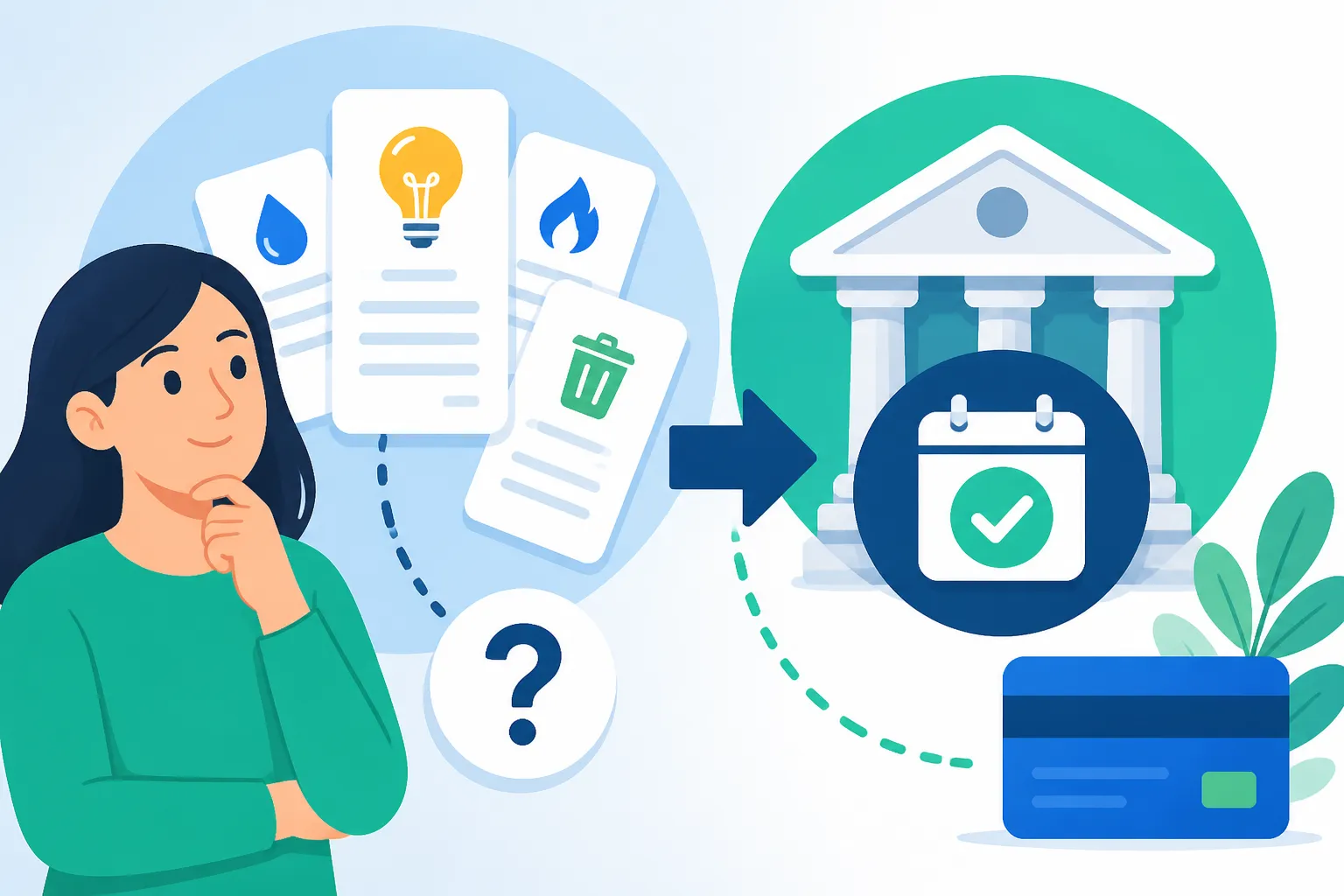
At its core, a Pre-Authorized Debit (PAD) is an agreement you make with a company, like your hydro provider or internet service, allowing them to pull funds directly from your bank account on a specific date. Think of it as giving them permission to automatically take what's owed, rather than you having to remember to send it to them each month. This isn't just a casual agreement; it's a formal authorization, usually signed or agreed to electronically, which details the amount (or how it will be calculated), the frequency, and the specific bank account it will be debited from.
This differs from a "direct deposit," which is when money is put into your account, like your salary. A PAD is money taken out of your account. For newcomers, understanding these distinctions is vital for managing cash flow. Imagine you're new to Toronto and juggling a new job, finding your bearings, and suddenly a hydro bill arrives. Forgetting to pay it on time could lead to late fees or even service interruptions, which is the last thing you need. Setting up a PAD means one less thing to worry about in your busy new life.
Why PADs Are So Popular for Utility Bills Here
PADs have become incredibly popular in Canada, especially for utility bills, for one simple reason: convenience. In a country as vast as Canada, with different provinces and municipalities often having their own utility providers, remembering due dates can be a real headache. Whether you’re with Hydro One in Ontario, BC Hydro in British Columbia, or a local provider like Enbridge Gas, they all offer PAD options because it simplifies things for both you and them.
From your perspective, it ensures that your bills are paid on time, every time, without you lifting a finger. This is a huge benefit, especially for those of us who have a lot on our plates – and let's face it, as newcomers, we all have a lot on our plates. It helps you avoid late payment charges, which can quickly add up and eat into your budget. For the utility companies, it reduces administrative costs, ensures a steady revenue stream, and minimizes the hassle of chasing late payments. It's a win-win, allowing you to focus on adapting to Canadian life rather than constantly checking your calendar for bill due dates.
The Pros and Cons of Using PADs for Your Bills
While incredibly convenient, PADs aren't without their nuances. It's important to weigh the good against the less good to decide if this payment method is right for you.
Pros:
- Convenience: This is the big one. Once set up, you don't need to remember due dates, write cheques, or manually process payments. It’s truly hands-off.
- Avoid Late Fees: Never miss a payment again, ensuring you don't incur those irritating extra charges that often apply to overdue utility bills. This is a huge stress reliever.
- Budgeting: For many variable bills like hydro, utility companies often offer an "equal billing" option with PADs. This means they'll estimate your annual usage and divide it into 12 equal monthly payments, smoothing out your budget and avoiding huge spikes in winter heating or summer cooling costs. This can be a godsend for predictable financial planning, especially for those new to Canada's climate extremes.
- Builds Trust: Consistently paying your bills on time, even if not directly reported to credit bureaus for utilities, generally contributes to a positive financial history with service providers. This can be helpful if you ever need to negotiate or request services.
Cons:
- Loss of Immediate Control: The biggest downside is that you are giving a company permission to take money from your account. If there's an error on a bill, the payment might go through before you can dispute it. You'd then have to seek a refund, which can be a hassle.
- Risk of Overdraft: If you don't have sufficient funds in your account when a PAD is processed, your bank might charge you a hefty Non-Sufficient Funds (NSF) fee. This can be a real sting, especially if you're still getting the hang of your monthly budget. Make sure you understand how to manage your bank balance effectively.
- Difficulty Tracking if Not Monitored: While "set it and forget it" is a pro, it can also be a con if you truly forget. You might not notice if a bill amount changes significantly or if there's an error if you're not regularly reviewing your bank statements.
- Cancellation Procedures: While cancelling a PAD is your right, it's not always instantaneous and sometimes requires following specific steps with both your bank and the service provider, which can feel like another administrative hoop to jump through.
For many, the convenience far outweighs the cons, but it's crucial to be aware of the potential downsides and manage your bank account diligently.
How to Set Up PADs for Your Hydro and Utility Bills
Alright, so you've decided PADs sound like a good plan. Now, how do you actually get this thing going? It's pretty straightforward, but like many things in Canada, it involves a few steps and documents. Don't worry, I'll walk you through it.
Gathering Your Documents and Account Information
Before you even think about calling your utility company, you'll need a couple of things close at hand. This is where having your Canadian banking sorted out really pays off. If you're still figuring that out, check out this guide on How to Open a Bank Account at a Canadian Bank as a Newcomer.
Here's what you'll typically need:
- Your Canadian Bank Account Information:
- Financial Institution Number (or Bank Number): This is a 3-digit code identifying your bank. For example, RBC is 003, TD Canada Trust is 004, CIBC is 010.
- Branch Transit Number: This is a 5-digit code identifying the specific branch where your account was opened.
- Account Number: This is typically 7-12 digits, unique to your personal account.
You can usually find these three numbers on a void cheque, your online banking portal, or by asking your bank directly. Many utility companies will specifically ask for a "void cheque" or a "PAD form" from your bank, which pre-fills these details for you, so it's a good idea to have one ready.
- Your Utility Account Information: You'll need your account number with the specific utility provider (e.g., your BC Hydro account number, your Enbridge Gas account number, or your internet provider's account number). This will be on any bill they've sent you.
- Personal Identification: Sometimes, they might ask for basic ID to confirm it's you, especially if you're setting this up over the phone.
Having all this ready will save you a lot of time and frustration. Trust me, I've been there, fumbling for my banking details while on hold with a utility company!
Step-by-Step: Setting Up PADs with Your Utility Providers
Once you have your ducks in a row, the process is usually quite simple. Each utility company might have slightly different portals or forms, but the general steps remain consistent across Canada. For instance, when you're ready to set up your electricity, you might consult a guide like How Do I Set Up Hydro After Moving to Canada?.
- Contact Your Utility Provider:
- Online: Many companies like Hydro One, FortisBC, and Telus allow you to set up PADs directly through your online account portal. Look for sections like "Payment Options," "My Account," or "Pre-Authorized Payments." This is often the quickest way.
- Phone: Call their customer service line. Be prepared for a wait, but a representative can walk you through it. They will ask for your utility account number, banking details, and confirm your authorization.
- Mail/Fax: Less common these days, but some still offer a printable form you can fill out, attach a void cheque, and send in.
- Fill Out the Authorization Form: Whether online or on paper, you'll complete a form that authorizes the utility company to debit your account. This form will detail:
- Your name and utility account number.
- Your bank's name, transit number, and your account number.
- The frequency of payments (e.g., monthly).
- The amount (either the full bill amount, or if you opt for equal billing, the agreed-upon monthly sum).
- The effective date for the PADs to begin.
- Provide a Void Cheque (if requested): If you're setting it up in person or by mail, they might ask for a void cheque. This simply verifies your banking information. Just write "VOID" across a blank cheque so it can't be used for anything else, and submit it.
- Confirmation: Once everything is submitted, the utility company will typically send you a confirmation, either by email or mail, stating that your PADs have been successfully set up and when the first payment will occur. Keep this confirmation for your records!
It's a really good idea to set up all your utilities as soon as you move into your new home. This includes your internet and mobile phone bills too, as many providers also offer PADs. For more general advice on setting up your home, check out The Newcomer Guide to Setting Up Utilities (Hydro, Gas, Internet) in Canada.
What to Watch Out For: Common Pitfalls and Tips
While PADs are generally smooth sailing, there are a few common pitfalls that newcomers (and even seasoned Canadians!) can fall into. Being aware of these can save you a lot of hassle.
- NSF Fees: As mentioned, if there isn't enough money in your account on the payment date, your bank will hit you with an NSF fee, which can be anywhere from $45 to $50. Your utility company might also charge a fee for the returned payment. Always ensure you have enough funds. If you know a payment is coming and your balance is low, consider transferring money from another account or using a service like Wise to bring funds from abroad in time.
- Payment Date vs. Due Date: Sometimes the PAD payment date is a few days before the actual bill due date. Be sure to note this on your confirmation. Don't assume it's the last day of the month!
- Checking Your First Bill: After setting up a PAD, always double-check your first bill to ensure it reflects the new payment method and that the amount is correct. It’s rare, but errors can happen.
- Changing Bank Accounts: If you change banks or even account numbers within the same bank, you must update your PAD information with all your utility providers. Forgetting this is a common reason for missed payments and fees.
- Moving Homes: When you move, you'll need to cancel the PADs for your old address and set up new ones for your new address. Don't assume they transfer automatically. This is especially important if you're moving between provinces, where new providers will come into play.
By keeping an eye on these things, you'll find PADs to be an incredibly convenient way to handle your recurring bills in Canada.
Managing and Cancelling Your Pre-Authorized Debits
Setting up PADs is just the first step; managing them effectively is crucial to maintaining good financial health and avoiding unexpected surprises. It's not a truly "set it and forget it" system unless you also have a system for monitoring.
Monitoring Your Payments and Bank Statements
The key to successful PAD management is regular monitoring. You might have given permission for automatic payments, but that doesn't mean you should become complacent. Make it a habit to check your bank statements regularly. Many Canadian banks offer excellent online and mobile banking platforms, making this quite easy. If you haven't yet, you should definitely set up your How to Set Up Online and Mobile Banking in Canada.
When you review your statements, look for:
- The correct amount: Does the amount debited match your utility bill?
- The correct date: Was the payment processed on the expected day?
- The correct payee: Is the payment going to the right utility company?
This proactive approach helps you catch errors quickly. If you spot anything amiss, contact your utility provider immediately. You have rights under Canadian banking regulations to dispute unauthorized debits, but acting quickly makes the process much smoother. For example, if you notice an unusually high charge for your monthly electricity bill from a provider like Hydro Quebec, you'd want to investigate that right away.
The Process of Changing or Cancelling a PAD
Life happens, and sometimes you need to change or cancel a PAD. Maybe you’re switching utility providers, or perhaps you've decided to manage payments manually. Whatever the reason, you have the right to revoke your authorization at any time.
- Contact the Utility Provider First: This is generally the best first step. Most companies prefer you inform them directly if you wish to change banking details or cancel a PAD. They can guide you through their specific process, which might involve an online form, a phone call, or a written request.
- Notify Your Bank: Even if you've told the utility company, it's a good practice to notify your bank as well, especially if you're cancelling a PAD entirely. Under Canadian payment rules, you can directly instruct your bank to stop a PAD, usually by submitting a written request. This provides an extra layer of security and ensures the payment definitely won't go through. Give your bank ample notice, ideally a few business days before the scheduled payment.
- Confirm Changes: Always get confirmation, in writing if possible, from both your utility provider and your bank that the PAD has been cancelled or modified. Keep these confirmations.
Remember, simply stopping a PAD doesn't mean you don't owe the money for your utility services. It just means you'll need to arrange an alternative payment method to avoid late fees and service interruptions.
Alternatives to PADs for Bill Payment
If PADs don't quite suit your style, or if you just prefer more hands-on control, Canada offers several other ways to pay your utility bills.
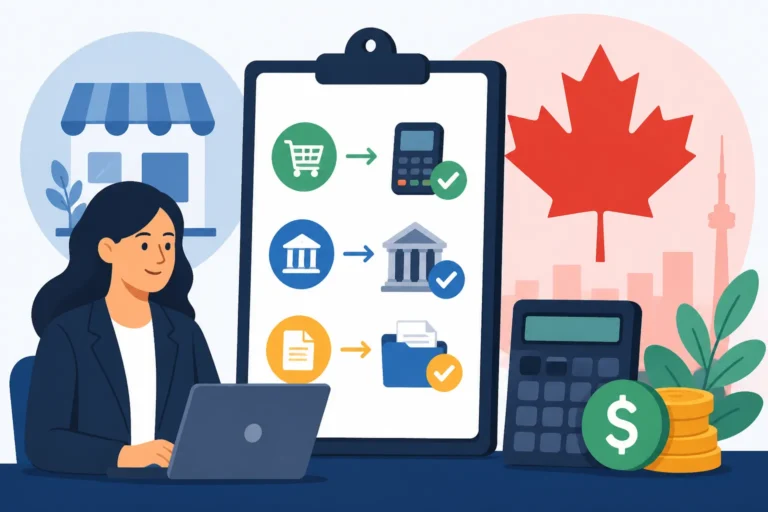
- Online Banking (Bill Pay): This is another extremely popular method. Through your bank's online portal, you can set up your utility providers as "payees" and then manually send payments each month. You control the amount and the date. You can even schedule future payments, which gives you some of the convenience of a PAD without the direct debit authorization. This is an essential tool for managing your money in Canada, and understanding all its facets can be very helpful.
- Credit Card: Many utility companies now accept credit card payments, either online or over the phone. This can be great for earning rewards points, but be aware that some providers charge a small convenience fee (often 1-2%) for credit card payments, which can add up. Ensure you know How to Build a Credit Score as a Newcomer in Canada if you plan on using credit cards regularly.
- In-Person Payments: You can often pay your utility bills at your bank branch or at certain Canada Post outlets. Some smaller municipal utility providers might even have their own payment offices. This is good if you prefer cash or need a physical receipt.
- Cheque by Mail: The old-fashioned way! You can still write a cheque and mail it to your utility provider. Just remember to account for mail delivery times, especially if you're sending it from a remote area or during peak mailing seasons.
Each method has its pros and cons, but the most important thing is finding a system that works for you and ensures your bills are paid on time. For a deeper dive, consider reading How to Pay Your Utility Bills Online in Canada.
Final Thoughts and Staying Organized
Navigating bills and payments in a new country can feel like a full-time job at first. Believe me, I remember the days of receiving my first utility bills and scratching my head at the different charges and payment options. But with a bit of organization and understanding, it becomes second nature.
Hyper-Local Details: Specific Utility Companies and How They Handle PADs
Canada’s utility landscape is quite fragmented, with different providers depending on your province and even your city. However, the good news is that almost all major providers across the country offer pre-authorized debit options.
- Ontario: Providers like Hydro One (electricity for rural/smaller communities) and Toronto Hydro (electricity for Toronto) universally offer PADs. For natural gas, Enbridge Gas is the main provider for much of Ontario and also provides extensive PAD options, including equal billing plans.
- British Columbia: BC Hydro (electricity) and FortisBC (natural gas) are the dominant players and both have robust online systems for setting up PADs.
- Alberta: Companies like ATCO Gas and various electricity retailers (e.g., Enmax in Calgary, Epcor in Edmonton) provide clear instructions for PAD setup through their customer portals.
- Quebec: Hydro-Québec is the main electricity provider and offers several automatic payment methods, including PAD.
- Atlantic Provinces: Providers such as Nova Scotia Power, NB Power, and Maritime Electric also offer similar pre-authorized payment services, often allowing for flexible payment dates.
Regardless of where you land, you'll find similar processes for setting up your PADs. Always visit your specific utility provider's website, as they'll have the most up-to-date and accurate instructions for their services.
Importance of a Canadian Bank Account and Credit Score for Utilities
Having a proper Canadian bank account is absolutely fundamental for setting up PADs. Without it, you simply cannot use this method of payment. It's the cornerstone of all your financial transactions here, from receiving your salary to paying your bills. If you're managing international funds, remember that services like Wise can be incredibly helpful for transferring money to your Canadian bank account efficiently, ensuring you always have enough for those PADs.
While utility payments generally don't directly impact your credit score unless you miss payments (which can negatively affect it), consistently paying your bills on time fosters a good financial reputation. Over time, as you establish more financial relationships in Canada, you’ll also be looking to build your credit. While utilities don't always report to credit bureaus, securing other forms of credit and repaying them diligently is key to building a strong How to Build a Credit Score as a Newcomer in Canada. A good credit history is essential for renting apartments, getting loans, or even getting better rates on car insurance down the line.
Think of managing your utility bills as part of a larger financial picture. While you're busy setting up your life and getting these practical matters sorted, don't lose sight of the bigger financial planning. This includes understanding your tax obligations as an expat in Canada. For comprehensive guidance on that complex area, resources like Taxes for Expats can be incredibly valuable to ensure you're compliant with both Canadian and your home country's tax laws.
Managing your hydro and utility bills via pre-authorized debits is one of the easiest ways to streamline your financial life in Canada. It removes the stress of remembering due dates and frees up your mental energy for more exciting aspects of your new adventure. Just remember to set it up carefully, monitor your accounts, and don't hesitate to reach out to your providers if you have any questions. You've got this!
Comparison of Utility Payment Methods
| Payment Method | Pros | Cons | Ideal For |
|---|---|---|---|
| Pre-Authorized Debit | Automatic, no late fees, convenient for budgeting (equal billing). | Less immediate control, risk of NSF fees if funds are low, requires bank account. | Those who prefer hands-off bill management, stable income, want to avoid late fees. |
| Online Banking Bill Pay | High control over payment amount and date, no fees, secure. | Requires manual action each month, risk of forgetting due dates, needs consistent monitoring. | Those who prefer active control over payments, good at remembering due dates, regular bank account users. |
| Credit Card | Earn rewards, convenient, can delay payment (until credit card due date). | May incur convenience fees, can lead to debt if not paid off, direct impact on credit if not managed responsibly. | Those looking for rewards, prefer single monthly payment for multiple bills, disciplined credit card users. |
| In-Person (Bank/Post Office) | Cash payments possible, physical receipt, personal interaction. | Time-consuming, limited locations, may have longer processing times. | Those who prefer cash, don't use online banking, need physical proof of payment. |
| Cheque by Mail | Simple, physical record. | Slow processing, can get lost in mail, requires postage, not environmentally friendly, requires manual effort. | Those who prefer traditional methods, have limited digital access, not in a rush. |
Disclaimer
The information provided in this guide is for general informational purposes only and does not constitute financial, legal, or professional advice. While we strive to provide accurate and up-to-date information, circumstances can change, and individual situations may vary. Always consult with the relevant utility providers, your financial institution, or a qualified professional for advice tailored to your specific needs. Payment terms, fees, and regulations can differ by province and provider.