Can I Pay My Canadian Taxes from Abroad?
It's a common question that pops into the mind of every Canadian living abroad: "Do I still have to deal with the Canada Revenue Agency (CRA)?" The short answer is, very likely, yes, and figuring out how to manage your tax obligations from a different time zone with different banking systems can feel like navigating a maze. This comprehensive guide is here to walk you through the ins and outs of paying your Canadian taxes while you’re living outside of Canada, demystifying the process and offering practical solutions.
Understanding Your Canadian Tax Residency Status While Abroad
One of the biggest misconceptions newcomers and even long-time Canadians living abroad often have is that simply moving out of the country severs all tax ties. Oh, if only it were that simple! Canada's tax system, unlike some, doesn't automatically cut you loose just because you've crossed a border. Your tax obligations are primarily determined by your residency status, which can be a bit of a grey area, especially in the initial years.
Factual Residency vs. Deemed Residency
The CRA differentiates between what they call "factual residency" and "deemed residency." Most people fall under factual residency, which means the CRA looks at your connections to Canada to determine if you're still a resident for tax purposes. These connections are known as "residential ties." They look at primary ties like having a home in Canada, a spouse or common-law partner who still lives here, or dependents (children) who remain in the country. Then there are secondary ties, such as having a Canadian driver's license, provincial health insurance, bank accounts, credit cards, or a Canadian passport. Even membership in Canadian clubs or professional organizations can count.
If you maintain significant residential ties, even if you spend most of your time physically outside Canada, the CRA might still consider you a factual resident. This means you’re taxed on your worldwide income, just as if you still lived right here in Winnipeg or Halifax. It's a rude awakening for many expats who thought they were done with Canadian taxes. On the other hand, you might be considered a "deemed resident" if you're not a factual resident but spend a certain amount of time in Canada (typically 183 days or more in a year), or if you're a government employee posted abroad. The rules can be intricate, and the consequences of getting it wrong can be costly. For a deeper dive into this, you might find our article on Tax Residency in Canada: A Definitive Guide for Newcomers (2027) particularly helpful, even if you’re an old hand.
The Importance of Severing Ties
If you genuinely intend to cease being a tax resident of Canada, you need to actively sever as many residential ties as possible. This isn't just about packing your bags; it's about making a deliberate break from your life in Canada. Selling your principal residence, cancelling your provincial health card, closing Canadian bank accounts, notifying your Canadian investment institutions of your non-resident status, and getting an international driver's license are all steps you should consider. If your spouse or common-law partner and dependents are also leaving Canada with you, that strengthens your case for non-residency.
The CRA takes a holistic view, so there's no single magic bullet. It's the overall pattern of your ties that counts. For instance, if you keep a furnished home here "just in case," or your spouse still lives in Canada, it's very difficult to convince the CRA you've truly become a non-resident. This is where many expats trip up, assuming that simply living elsewhere means no more tax forms. Not so fast, my friend! It’s crucial to understand these nuances to avoid unwelcome tax surprises down the road.
The Impact of Tax Treaties
Even if the CRA considers you a factual resident of Canada, a tax treaty between Canada and the country you're living in might override Canada's domestic tax laws. These treaties are designed to prevent "double taxation" – meaning you don't pay tax on the same income in two different countries. Most treaties have "tie-breaker rules" that determine which country has the primary right to tax you. These rules usually look at factors like where you have a permanent home, your centre of vital interests (personal and economic ties), and your habitual abode.
If a treaty determines you're a resident of the other country, you would typically be considered a "deemed non-resident" of Canada. This means Canada would only tax you on Canadian-sourced income, such as rental income from Canadian properties or employment income earned in Canada. Navigating tax treaties can be incredibly complex, as each treaty is unique, and their interpretation requires specialized knowledge. This is often where services like Taxes for Expats can be invaluable, as they specialize in untangling these international tax situations. They can help you understand if a tax treaty applies to your situation and how to properly report your income to both tax authorities. For a comprehensive overview of how such agreements work, our guide on Understanding Tax Treaties and Foreign Tax Credits in Canada provides excellent context.
How to File Your Canadian Tax Return from Outside Canada
So, you've determined you still need to file a Canadian tax return. Now what? The process isn't dramatically different from filing domestically, but there are a few extra considerations, particularly around getting your hands on documents and choosing your filing method.
Gathering Your Documents
Just like filing from within Canada, you'll need all your relevant tax slips and information. This could include:
- T4 slips: If you still have Canadian employment income.
- T4A slips: For pension or other income.
- T3 slips: For Canadian investment income.
- T5 slips: For Canadian interest and dividend income.
- T2202A: For Canadian tuition fees.
- Statements from foreign income sources: If you're still a factual resident, you'll need to report your worldwide income.
- Rental income and expense statements: If you own property in Canada.
The challenge here often lies in receiving these slips if you've changed your mailing address. Make sure your former employers, banks, and investment firms have your updated contact information, preferably an email address or a reliable international mailing address. Many institutions offer online portals where you can access your slips digitally, which is a lifesaver when you're living oceans away.
Online Filing Options for Non-Residents
The CRA prefers electronic filing, and for most non-residents, this is the most convenient option. You typically have two main avenues for online filing:
- NETFILE: This allows you to file your return using certified tax software. Many popular Canadian tax software options, like TurboTax or Wealthsimple Tax, are NETFILE certified. However, there's a catch: if you're filing as a non-resident, or if your tax situation is more complex (e.g., claiming certain types of foreign tax credits), not all NETFILE-certified software will support your specific needs. You'll need to double-check the software's capabilities for non-resident returns. If you are uncertain about navigating the software, or if your situation is complex due to various international income streams, an accountant specialized in expat taxes, like those at Taxes for Expats, can be a great resource. They often use EFILE.
- EFILE: This is used by professional tax preparers to file returns on behalf of their clients. If you choose to hire a Canadian tax accountant who specializes in non-resident taxation, they will use EFILE. This can be a huge relief, as they'll ensure everything is filed correctly and that you're taking advantage of any applicable deductions or treaty provisions.
Before attempting to file online, ensure your CRA My Account is accessible. This can be tricky from abroad due to two-factor authentication, which often relies on Canadian phone numbers. If you run into issues, you may need to call the CRA directly or opt for paper filing. Our guide on Filing Your Tax Return with the CRA in Canada: The Complete Walkthrough (2027) offers a step-by-step approach that is largely applicable, though some specific non-resident considerations will vary.
Paper Filing if All Else Fails
If online filing proves impossible due to technical glitches, a complex tax situation not supported by software, or difficulties accessing your CRA My Account, paper filing remains an option. You can download the necessary tax forms from the CRA website, fill them out, and mail them to the appropriate international tax services office. The specific mailing address will depend on your residency status and the type of return you're filing.
Be aware that paper filing takes significantly longer to process than electronic filing. If you anticipate a refund, prepare for a longer wait. Also, ensure you use a reliable international shipping service with tracking, as lost mail is the last thing you want when dealing with the tax authorities. Always keep copies of everything you send. Remember, even if you’re living abroad, the deadlines are still the same for your Canadian tax return, usually April 30th. Our article How to File Your Income Tax Return (T1) in Canada explains the general process, but always cross-reference with CRA's non-resident specific instructions.
Paying Your Canadian Tax Bill from Overseas
Okay, so you've filed your return, and alas, you owe some money to the CRA. How do you actually get those Canadian dollars from your foreign bank account into the government's coffers without incurring exorbitant fees or massive headaches? This is where many expats feel the pinch.
Accepted Payment Methods
The CRA offers several ways to pay, but not all are equally convenient for someone living abroad:
- CRA My Account: If you have access to your online account, you can pay directly through the "My Account" portal using a Canadian debit card or setting up a pre-authorized debit from a Canadian bank account. This is ideal if you've maintained a Canadian bank account.
- Online banking: Most Canadian financial institutions allow you to pay the CRA as a bill payee. If you still have a Canadian bank account, you can log into your online banking and add "CRA (Revenue Canada)" as a payee, then make your payment.
- Third-party service providers: Some third-party services, often those specializing in cross-border payments, might facilitate payments to the CRA. However, always verify their legitimacy and fees.
- Mail a cheque or money order: This is generally not recommended for international payments due to currency conversion issues, potentially high bank fees for international drafts, and the risk of delays or loss.
The challenge, of course, is if you no longer have a Canadian bank account. Using your foreign bank to send money directly to the CRA's specified account often involves wire transfer fees and potentially unfavourable exchange rates. This is where you need a smarter solution.
International Money Transfers
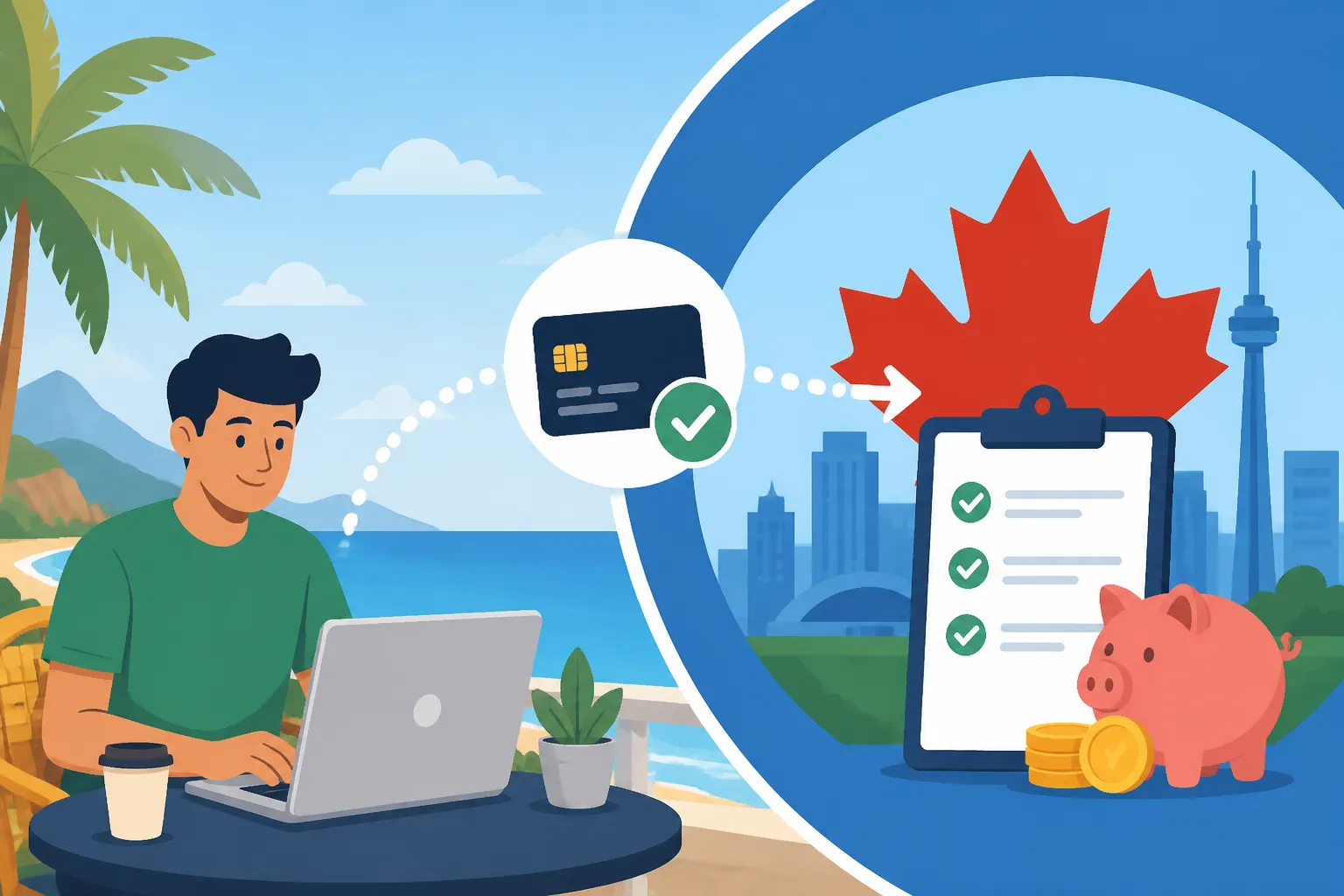
For those without an active Canadian bank account, an international money transfer service is usually the most efficient and cost-effective way to pay your Canadian tax bill. This is where a service like Wise (formerly TransferWise) truly shines. You can typically set up a transfer from your local currency bank account to a Canadian dollar recipient account (in this case, the CRA's payment details). Wise offers competitive exchange rates and transparent, often lower, fees compared to traditional bank wire transfers.
Here's a general idea of how it works:
- Set up an account: If you don't already have one, create an account with Wise.
- Initiate a transfer: Select the currency you're sending from and Canadian dollars as the receiving currency. Enter the amount you owe the CRA.
- Enter recipient details: You'll need the CRA's banking information for direct deposit payments. The CRA provides specific payment instructions for non-residents on their website, often through financial institutions like CIBC or RBC. Make sure you include your Canadian tax identification number (Social Insurance Number or Individual Tax Number) in the reference field so the CRA can correctly apply your payment.
- Fund your transfer: Pay Wise using your local bank account.
- Wise converts and sends: Wise converts your funds at a mid-market rate and sends the Canadian dollars to the CRA's account.
This method bypasses the need for a Canadian bank account and helps you avoid nasty surprises with exchange rates or hidden bank fees. For more information on moving money across borders, check out our guide on How to Transfer Money Into and Out of Canada as a Newcomer.
| Payment Method | Pros | Cons | Ideal For |
|---|---|---|---|
| CRA My Account (PAD) | Convenient, direct, no fees. | Requires active Canadian bank account and CRA My Account access (can be tricky abroad). | Expats with active Canadian bank accounts and CRA My Account access. |
| Online Banking (Canada) | Easy if you have a Canadian bank account. | Requires active Canadian bank account; potential for foreign transaction fees if funded from abroad. | Expats with active Canadian bank accounts. |
| International Transfer | Cost-effective exchange rates, lower fees (e.g., Wise). | Requires setting up a separate service; need accurate CRA payment details; might take a few days. | Expats without Canadian bank accounts or those seeking best exchange rates. |
| Mail Cheque/Money Order | Last resort if other options fail. | Slow, high risk of loss, currency conversion issues, high bank fees, not recommended. | Extremely limited circumstances where no other digital option is viable. |
Avoiding Penalties and Interest
The CRA is pretty strict about deadlines. Even if you're living abroad, you're expected to file your return and pay any taxes owed by the deadlines. For most individuals, the filing deadline is April 30th, and the payment deadline is also April 30th. If you miss these, you could face penalties and interest charges.
- Late-filing penalty: This is usually 5% of your balance owing, plus an additional 1% for each full month your return is late, up to a maximum of 12 months. If you've been charged a late-filing penalty in any of the three previous tax years, the penalty might be even higher.
- Interest: The CRA charges interest on overdue amounts, compounded daily. This interest rate can change, so it's always best to pay on time to avoid this additional cost.
If you know you're going to miss a deadline, it's always better to file your return on time (even if you can't pay immediately) to avoid the late-filing penalty. You can then try to arrange a payment plan with the CRA, but interest will still accrue. Don't bury your head in the sand; the CRA has a long memory and international reach.
Navigating Common Challenges and Seeking Support
Dealing with Canadian taxes from abroad comes with its own unique set of frustrations, beyond just understanding the rules. Distance, time zones, and communication hurdles can turn a simple task into a monumental one.
Keeping Your CRA My Account Active
Ah, the beloved CRA My Account – a powerful tool when it works, and a source of utter despair when it doesn't. Many expats face issues accessing their accounts because they no longer have a Canadian phone number for two-factor authentication. While the CRA does offer alternative verification methods (like postal codes), these can be slow or require mailing letters, which adds time and complexity when you're abroad.
It's a good practice to try and keep a Canadian phone number active, even if it's just a prepaid SIM card that you top up occasionally, to receive those crucial verification codes. Alternatively, consider setting up email or postal code verification as your primary method before you leave Canada, or if you still have access to a Canadian address where mail can be reliably received. If you're locked out, prepare for potentially long waits on the phone with the CRA's international tax services line. Having your Social Insurance Number (SIN) and previous tax return information handy will be essential. This access is vital for services like Understanding CRA My Account and Online Tax Filing in Canada.
Getting Professional Tax Advice
Unless your tax situation is extremely straightforward (e.g., you are a clear non-resident with only a single Canadian rental property), getting professional tax advice is highly recommended. International tax law is a niche area, and a general accountant might not have the expertise to navigate tax treaties, foreign income reporting, or residency determinations effectively.
Look for a Canadian tax professional who specifically advertises services for non-residents or expats. They can help you:
- Determine your correct residency status.
- Understand your obligations under any applicable tax treaties.
- Properly report foreign income and claim foreign tax credits.
- Ensure all necessary forms (like Form NR73, Determination of Residency Status (Exit Form)) are filed correctly.
- Communicate with the CRA on your behalf.
The investment in professional advice can save you significant money in the long run by ensuring compliance and avoiding penalties. Services like Taxes for Expats are specifically designed to cater to these complex situations, providing peace of mind to many Canadians living overseas. You might wonder, Can I Use an Accountant to Help File My Tax Return in Canada?, and the answer is a resounding yes, especially in your situation.
Dealing with Different Time Zones and Communication
One of the most frustrating aspects of dealing with Canadian government agencies from abroad is the time difference. Calling the CRA's international tax services line often means waking up at an ungodly hour or staying up late, all while hoping you get through before hold times become unbearable.
- Plan ahead: Try to schedule your calls during off-peak Canadian hours if possible.
- Be patient: You'll likely encounter wait times. Have all your information ready before you call.
- Email communication: While not always available for specific case inquiries, some general inquiries or document requests might be facilitated via email, which sidesteps the time zone issue.
Remember, the people on the other end of the line are there to help, but they are also bound by protocols. Politeness and patience go a long way. Keeping meticulous records of all your interactions with the CRA, including dates, times, and the names of the agents you speak with, is always a smart move. And don't forget to keep a detailed record of your What Tax Records Do I Need to Keep in Canada?
Disclaimer
The information provided in this article is intended for general guidance and informational purposes only, and does not constitute professional tax or legal advice. Tax laws and regulations are complex and subject to change, and your individual circumstances may vary. We strongly recommend consulting with a qualified Canadian tax professional or the Canada Revenue Agency (CRA) directly for advice tailored to your specific situation when dealing with Canadian tax obligations from abroad.