Can I Use My Foreign Bank Card in Canada?
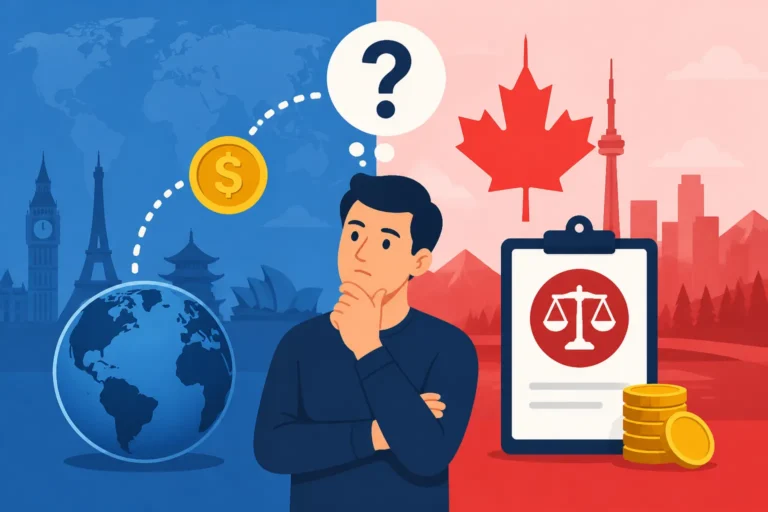
Landing in Canada, whether for a visit or a brand new life, brings a whirlwind of excitement and a fair share of financial jitters. One of the first things on everyone's mind is, "Can I actually use my foreign bank card here, or am I going to be stranded without cash?" Trust me, that feeling of uncertainty at the checkout or ATM is all too real. This comprehensive guide will walk you through everything you need to know about using your foreign bank cards in Canada, shedding light on the conveniences and the often-hidden costs, and helping you navigate your early financial days with confidence.
Understanding How Foreign Bank Cards Work in Canada
When you first arrive, the good news is that Canada is generally very card-friendly. You won't find yourself in a situation where your foreign card is universally rejected, especially if it's from a major network. However, there are definitely nuances to be aware of.
Acceptance of Major Card Networks
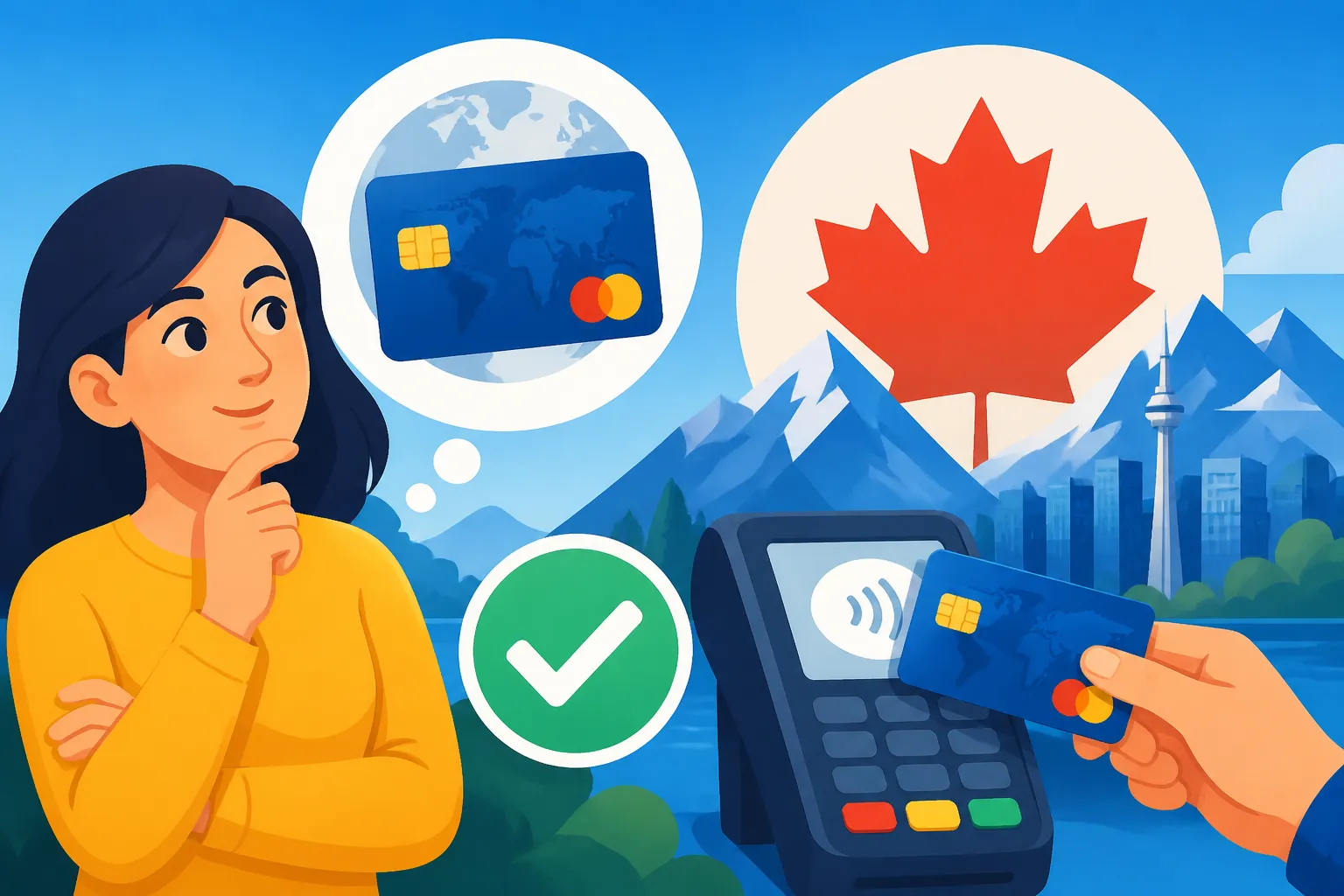
Canada’s payment landscape is dominated by a few key players, and chances are, your card from home will be recognized by at least one of them. The vast majority of Canadian businesses, from large supermarkets like Loblaws, Sobeys, and Metro, to small independent shops, restaurants, and online retailers, readily accept Visa and Mastercard. These two are truly ubiquitous here. American Express is also widely accepted, particularly in larger establishments, hotels, and tourist-heavy areas, but you might occasionally find smaller local businesses or some specific chains that don't take it due to higher transaction fees for merchants. Discover and Diners Club are less common but still accepted in many places, though it's always wise to have a backup.
When it comes to debit cards, things get a little more specific. Canada has its own highly efficient domestic debit card network called Interac. Most Canadian debit cards operate on this network, allowing direct bank account withdrawals at point-of-sale (POS) terminals without significant fees. Your foreign debit card, however, won't typically run as an Interac debit card. Instead, it will likely process as a credit card transaction if it carries a Visa or Mastercard logo (e.g., a Visa Debit or Mastercard Debit card). This is a crucial distinction, as it can sometimes incur different fees than if it were processing through your home country's domestic debit network. Always keep an eye on how your card is being processed – some terminals will ask if it's "Debit" or "Credit," even if it's a foreign debit card. Choosing "Credit" is usually the way to go for foreign debit cards with Visa/Mastercard logos.
Debit vs. Credit Functionality
This can be a bit confusing, especially for those new to Canada. Many foreign debit cards now come with Visa or Mastercard branding. When you use one of these at a Canadian payment terminal, it will often process the transaction as if it were a credit card. You’ll typically select "Credit" on the terminal, and the funds will be debited directly from your bank account back home, much like a debit transaction. The main difference is the network through which the transaction is routed, which can affect the fees you incur.
For actual foreign credit cards, the functionality is straightforward: they work just like they do at home. You make a purchase, and it's added to your credit card balance. The real catch with both foreign debit cards (processed as credit) and foreign credit cards comes down to the fees and exchange rates, which we'll dive into next. It’s also worth noting that some older or less sophisticated terminals might not recognize your foreign card’s chip or contactless function, requiring you to swipe and sign. While less common now, it still happens, particularly in smaller, more rural areas or with older payment systems.
The Hidden Costs of Using Foreign Cards: What You Need to Know
While using your foreign bank card in Canada is certainly possible and convenient, it's not always the most cost-effective option. Those little transactions can add up faster than a Canadian winter chill if you're not careful. Understanding the "hidden" costs is essential for managing your budget.
Foreign Transaction Fees
Ah, the foreign transaction fee. This is often the biggest culprit for newcomers. Most banks, both your home bank and potentially the Canadian bank processing the transaction, will charge a fee for converting your home currency to Canadian dollars (CAD). Typically, this fee ranges from 1% to 3% of the transaction amount. Let's say you're buying groceries for $100 CAD. A 2.5% foreign transaction fee would mean an extra $2.50. Doesn't sound like much, right? But if you're using your card for every coffee, every bus ticket, every meal, that 2.5% starts to become a significant drain on your funds over weeks or months.
Imagine picking up a few essentials at a local Shoppers Drug Mart – a snack, a drink, maybe a transit pass. Each tap of your foreign card means another small fee. These aren't always explicitly itemized on your receipt from the Canadian merchant, but they will show up on your home bank statement. Sometimes, even if your own bank doesn't charge a foreign transaction fee, the intermediary networks or the Canadian acquiring bank might still sneak one in. It's a tricky landscape, and one that many newcomers lament as they see their initial budget quickly dwindle. It’s why newcomers are often encouraged to establish local banking as soon as possible, as detailed in our guide on How to Open a Bank Account at a Canadian Bank as a Newcomer.
ATM Withdrawal Fees
This is another area where you'll face a double whammy of fees. First, your home bank might charge you a fee for using an ATM outside its network, often a flat fee (e.g., $5-$10 USD/GBP/EUR) plus a foreign transaction percentage. Second, the Canadian bank that owns the ATM will almost certainly charge you a service fee. This ATM fee typically ranges from $2.50 to $5.00 CAD per transaction. So, for a single withdrawal of, say, $200 CAD, you could be looking at $7.50 CAD (assuming a $5 CAD ATM fee and a $2.50 CAD equivalent home bank fee) or more just to get your own money out!
This means if you make frequent, small cash withdrawals, you’re essentially throwing money away with each transaction. Consider withdrawing larger amounts less frequently to minimize these charges, if you absolutely need cash. Major banks like RBC, TD Bank, Scotiabank, CIBC, and BMO all have extensive ATM networks, and while their fees are standard, it’s worth noting that smaller, independent ATMs in convenience stores or bars often have even higher fees. This situation alone is a huge motivator for people to quickly learn How to Apply for a Social Insurance Number (SIN) in Canada so they can open a local bank account and avoid these escalating costs.
Unfavourable Exchange Rates
Beyond the explicit fees, you also need to contend with exchange rates. When you use your foreign card, the currency conversion from your home currency to Canadian dollars happens at a rate set by your card network (Visa, Mastercard, Amex) or your bank. While these rates are usually close to the interbank rate, they are rarely the absolute best. They often include a small markup that benefits the card network or your bank. This isn't a "hidden" fee in the same way, but it means you're getting slightly less Canadian currency for your home currency than if you were to exchange it at the absolute best rate.
A particular pitfall here is Dynamic Currency Conversion (DCC). You might encounter this at a payment terminal where the merchant offers you the "choice" to pay in your home currency (e.g., USD, GBP) instead of Canadian dollars. While it might seem convenient to see the charge in a familiar currency, always, always decline this option and choose to pay in CAD. When you opt for DCC, the merchant's bank sets the exchange rate, and these rates are notoriously worse than the rates provided by Visa or Mastercard. It's an easy way for them to make a little extra, and for you to lose out. So, if a terminal ever asks, "Pay in USD?" or "Pay in GBP?", hit that button that says "Pay in CAD." Your wallet will thank you.
Practical Tips for Using Your Foreign Card in Canada
Navigating your finances in a new country can feel like a maze. While getting a Canadian bank account is the ultimate goal for most newcomers, your foreign card will be your lifeline in the interim. Here are some seasoned expat tips to help you use it smartly and avoid unnecessary stress.
Notify Your Home Bank
This is a step many forget, and it can lead to immediate headaches. Before you even set foot on Canadian soil, make sure to call your home bank and let them know your travel plans. Tell them you'll be in Canada, the dates you'll be there, and ideally, which provinces you plan to visit. If you don't do this, your bank's fraud detection system might see charges from a foreign country as suspicious activity and promptly block your card.
Imagine this scenario: you've just landed after a long flight, you're starving, and you try to buy a coffee and a pastry at a Tim Hortons, only for your card to be declined. Now you're jet-lagged, hungry, and dealing with a blocked card, trying to call your bank during what might be the middle of the night in your home country. It’s a completely avoidable frustration! A quick phone call or online notification before you leave can save you a lot of hassle and ensure your card works seamlessly when you need it most. This also buys you time before you can fully commit to The Newcomer Guide to Opening a Bank Account in Canada.
Always Pay in Canadian Dollars (CAD)
We touched on this earlier, but it's worth reiterating and putting at the top of your "must-do" list. When a payment terminal offers you the choice between paying in your home currency or Canadian Dollars, always choose CAD. This common practice, known as Dynamic Currency Conversion (DCC), might seem helpful because you see the charge in a familiar currency, but it almost always comes with a worse exchange rate. The merchant's bank or payment processor sets this rate, and it will inevitably have a higher markup than the rate your own card network (Visa, Mastercard) or bank would provide.
For example, if you're buying a souvenir for $50 CAD and the terminal gives you the option to pay in USD, and you choose USD, you might end up paying $38 USD based on their unfavourable rate, whereas if you had chosen CAD, your bank might convert it to $36.50 USD. It's free money for them, and an unnecessary cost for you. Make it a habit: if you see the option, always select "CAD."
Carry Cash for Emergencies and Small Vendors
While Canada is largely a cashless society, relying solely on your foreign card can leave you in a pickle sometimes. It’s a smart move to always have some Canadian cash on hand. Small, independent vendors, like those at farmers' markets, street festivals, or tiny corner shops, might only accept cash or Interac Debit (Canada's domestic debit network, which your foreign card won't use). Some places might have minimum card purchase amounts. Also, in a rare power outage or system glitch, cash is king.
You don't need to carry hundreds of dollars, but having $50 to $100 CAD in small denominations can be a lifesaver. This avoids those awkward moments where your card is declined, or you realize a vendor doesn't accept foreign credit cards. It also means you can avoid the double fees of a last-minute ATM withdrawal in an emergency. For tips on managing your broader finances, including how your income affects your budget, you might want to consider resources like Taxes for Expats, especially as you begin earning Canadian income and navigating your tax obligations in two countries.
When to Transition to Canadian Banking: A Newcomer's Perspective
While foreign cards are a great stop-gap, they are just that – a stop-gap. For anyone planning to stay in Canada long-term, transitioning to Canadian banking isn't just a good idea; it's essential for financial stability and ease of living.
Advantages of a Canadian Bank Account
Opening a Canadian bank account brings a wealth of advantages that truly streamline your life here. First and foremost, you'll eliminate those pesky foreign transaction fees and ATM withdrawal fees that have been eating into your budget. Imagine not having to worry about an extra 2.5% every time you buy groceries or pay for transit! This alone can save you hundreds of dollars over the course of a year.
Beyond saving money, a Canadian bank account simplifies so many aspects of daily life. Your employer can deposit your wages directly, which is crucial for managing your income efficiently. Paying rent, utilities, and other bills becomes incredibly easy with online banking, pre-authorized debits, or Interac e-Transfers – a Canadian favourite for sending money quickly and securely. These local payment methods are virtually free and instant between Canadian bank accounts. Moreover, establishing a banking relationship here is the first critical step toward building a Canadian credit score, which you’ll absolutely need for everything from getting a mobile phone contract to renting an apartment, and eventually, if you choose, buying a home. This makes it much easier to eventually How to Get a Mortgage to Buy a Home in Canada.
The Process of Opening a Canadian Bank Account
The good news is that Canadian banks are generally very welcoming to newcomers. They understand that you’re just starting out and might not have a full suite of Canadian documents yet. Most major banks, including RBC, TD, Scotiabank, CIBC, and BMO, offer dedicated "newcomer banking packages" designed to make the process smoother. These often come with perks like waived monthly fees for the first year, free transactions, and even small credit limits to help you start building credit.
To open an account, you'll typically need your passport, your Social Insurance Number (SIN) (though some banks allow you to open a basic account and provide your SIN later, often within 90 days), and proof of your Canadian address. Sometimes, your work or study permit will also be required. It’s often best to make an appointment rather than just walking in, so they can dedicate time to explaining all the options. You can find more detailed information on documents and procedures in our guide: What Documents Do I Need to Open a Bank Account in Canada?. The quicker you sort this out, the faster you can integrate into the Canadian financial system and save yourself from unnecessary fees.
Alternatives for Sending Money and Managing Finances
Once you have a Canadian bank account, you’ll likely need to transfer funds from your home country to Canada. Traditional bank wire transfers can be expensive and slow, with unfavourable exchange rates. This is where services like Wise (formerly TransferWise) truly shine. Wise specializes in international money transfers, often offering significantly better exchange rates and lower fees than traditional banks. You can send money from your home bank account to your new Canadian account quickly and transparently, ensuring more of your hard-earned cash makes it across the border. Many newcomers use Wise for their initial lump sum transfers or for regular remittances from overseas family. It's a lifesaver for avoiding those hefty bank markups.
Beyond transfers, managing your overall financial situation as an expat or newcomer in Canada often involves more than just banking. You might have investments back home, diverse income streams, or complex tax situations involving both your home country and Canada. For these more intricate financial matters, specialized services can be incredibly valuable. Companies like Taxes for Expats, for instance, cater to the unique tax needs of individuals with international financial ties, helping you navigate potential double taxation issues or reporting obligations in different jurisdictions. They understand the complexities of expatriate finances, which can provide immense peace of mind as you settle into your new Canadian life and move from simply using your foreign card to building a robust financial future here.
Understanding Your Financial Footprint as a Newcomer
As you get settled, your financial needs will evolve. Moving beyond simply using your foreign card means understanding the broader Canadian financial landscape, from building credit to understanding the local payment ecosystem.
Building Credit and Financial History
One of the biggest challenges for newcomers is the lack of a Canadian credit history. Your excellent credit score from your home country unfortunately doesn't magically transfer over. This makes it difficult to secure loans, get certain types of insurance, or even sign up for post-paid mobile phone plans. Opening a Canadian bank account is the first step, but actively building credit requires more. Consider applying for a secured credit card, which requires a deposit but reports your payment history to credit bureaus, or a credit card specifically designed for newcomers, often offered through your bank's newcomer package.
Paying your bills on time, especially utilities and rent (if your landlord reports to a credit bureau, which is rare but increasing), will also contribute positively. Over time, consistent responsible financial behaviour will establish your Canadian creditworthiness. Without it, you might find yourself facing higher deposits for services or being denied certain financial products. We have a dedicated guide on How to Build a Credit Score as a Newcomer in Canada that goes into much more detail.
Interac E-Transfers and Canadian Payment Systems
Once you have a Canadian bank account, you'll quickly become familiar with Interac e-Transfers. This is a secure and incredibly popular way to send money instantly from one Canadian bank account to another, typically for free or a very small fee (often free with most banking packages). Need to split a restaurant bill with a friend? Interac e-Transfer. Paying your share of the rent? Interac e-Transfer. Buying something off Kijiji or Facebook Marketplace? You guessed it.
Understanding this system is key to navigating everyday financial interactions in Canada. It's far more common for personal transactions than services like PayPal or Venmo are in some other countries. Learning how to send and receive these transfers will make your life much easier and is a hallmark of being financially integrated into Canadian society. You'll also encounter other payment systems, like bill pay directly through your bank for utilities and other services, and tap-to-pay (contactless) for in-store purchases, which is widely adopted across the country. Check out How to Set Up Online and Mobile Banking in Canada for more details.
Choosing the Best Financial Path for Your Stay
The duration and nature of your stay in Canada will heavily influence your optimal financial strategy. Whether you're a short-term visitor or a permanent resident, there's a best practice for managing your money.
Short-Term Visitors vs. Long-Term Newcomers
For short-term visitors or tourists, primarily relying on your foreign credit card is often the most practical approach, especially if your card offers no foreign transaction fees. While the exchange rate might not always be perfect, the convenience outweighs the effort of setting up a temporary Canadian account. You might still want to withdraw a small amount of cash from an ATM upon arrival, keeping in mind the fees, for those small purchases or emergencies. Just remember to notify your bank about your travel plans!
For long-term newcomers, however, the strategy quickly shifts towards full integration. Your foreign card is your temporary crutch, but your priority should be to open a Canadian bank account, get a Canadian debit card, and start building local credit. The cumulative fees from foreign transactions and ATM withdrawals will quickly dwarf any perceived convenience, and without a local financial footprint, many aspects of Canadian life remain unnecessarily challenging. Think of it as a sprint: use your foreign card to get off the starting blocks, but then immediately transition to the Canadian financial marathon. Our comprehensive guide, The Complete Guide to Banking in Canada for Newcomers (2026), covers this in immense detail.
Comparing Foreign vs. Canadian Card Usage
To give you a clearer picture, here’s a quick comparison of the pros and cons:
| Feature/Aspect | Using a Foreign Bank Card in Canada | Using a Canadian Bank Card in Canada |
|---|---|---|
| Acceptance | Widely accepted (Visa, MC, Amex), but some small vendors may not. | Universally accepted (Interac, Visa, MC, Amex). |
| Transaction Fees | High (1-3% foreign transaction fees, plus ATM fees). | Generally none for daily purchases; flat fees for some ATM withdrawals outside network. |
| Exchange Rate | Market rate with a bank/network markup; risk of DCC. | N/A (local currency). |
| Convenience | Immediate access to funds upon arrival. | Seamless daily transactions, easy bill payments, e-Transfers. |
| Credit Building | None for Canadian credit history. | Essential for building Canadian credit score. |
| Security | Rely on home bank's fraud protection. | Canadian bank's fraud protection; easier to resolve local issues. |
| Integration | Poor integration with local payment systems. | Full integration with Interac, online banking, payroll. |
Final Thoughts on Managing Your Money
Remember that initial feeling of excitement mixed with financial anxiety? By understanding how your foreign bank card works, being aware of the costs, and knowing when and how to transition to Canadian banking, you're already taking huge steps to alleviate that stress. Canada is a fantastic place, and while the financial learning curve can feel steep at times, countless resources and helpful people are here to guide you. Embrace the learning process, ask questions, and don't hesitate to seek out specialized advice for areas like taxes, especially if you have complex financial situations across borders. This will ensure your money works for you, not against you, as you build your new life in Canada. For more information on your tax obligations, you might find our guide The Complete Guide to Taxes in Canada for Newcomers (2027) incredibly useful.
Disclaimer
The information provided in this article is intended for general guidance and informational purposes only, and does not constitute financial, legal, or professional advice. While we strive to provide accurate and up-to-date information, rules and regulations regarding banking, fees, and immigration in Canada can change frequently. It is essential to consult with a qualified financial advisor, bank representative, or other relevant professional for advice tailored to your specific situation before making any financial decisions. Reliance on any information in this article is solely at your own risk.