Understanding Provincial Labour Boards and Employment Standards in Canada
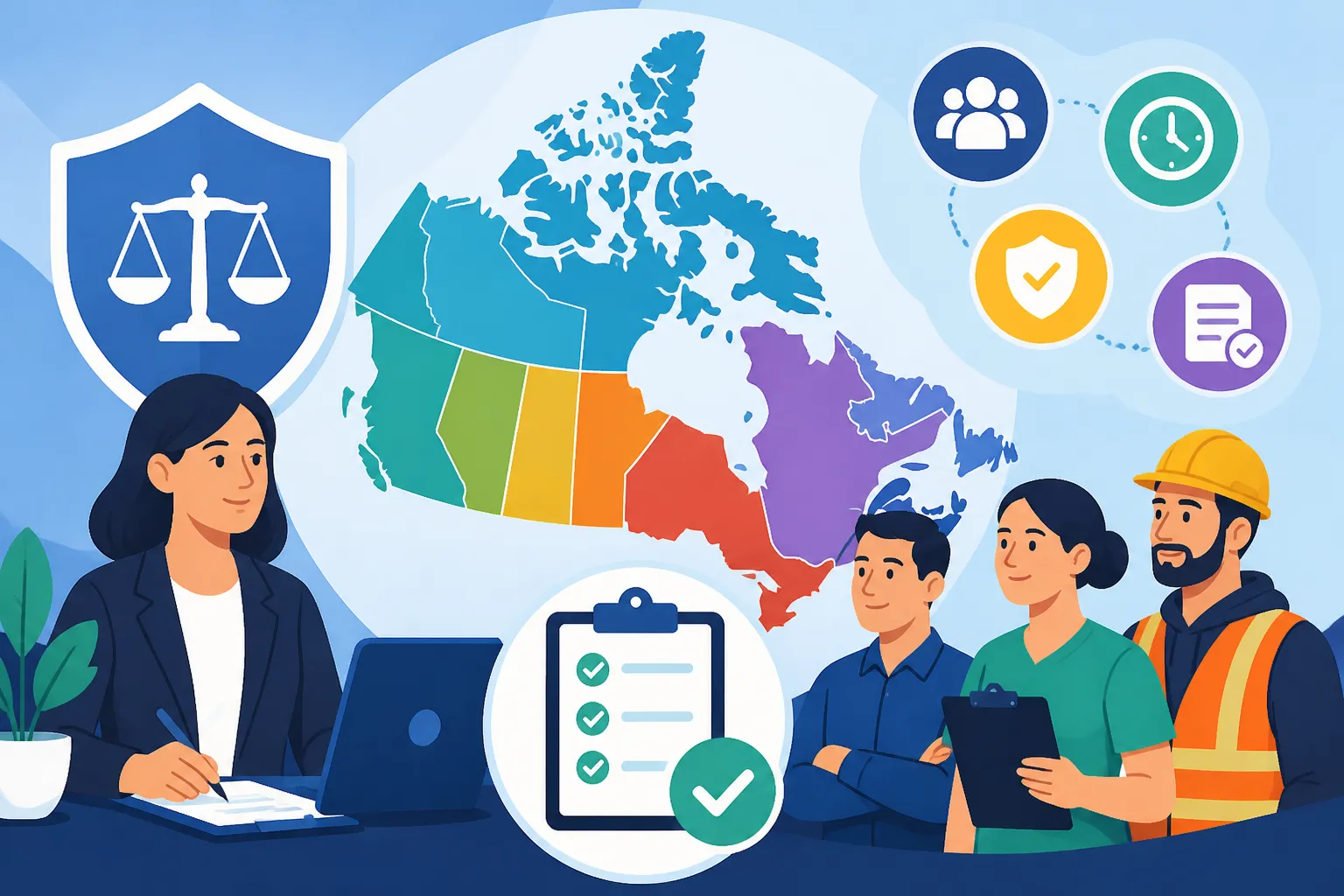
Oh, the joy (and sometimes utter bewilderment!) of navigating Canadian bureaucracy, especially when it comes to something as fundamental as your job. When you first arrive in Canada, you might assume that rules for working are the same everywhere, but believe me, it's a completely different ball game. The reality is that Canada's labour laws are a patchwork, mainly governed by provinces, which means your rights and responsibilities can change significantly just by crossing a provincial border. This guide is here to untangle that complexity, focusing on provincial labour boards and employment standards, so you can stand firm, informed, and confident in your Canadian workplace.
The Labyrinth of Canadian Labour Law: Why It's Not a Single System
It’s easy to feel lost in the maze of Canadian employment law. Many newcomers arrive expecting a single, unified system, similar to what they might be used to in their home countries. However, Canada operates under a federal system where power is divided, and labour law is one of the key areas where this division becomes strikingly apparent. This decentralization often leads to confusion, even for long-time residents, let alone those just settling in. The goal here is to make sense of this intricate web so you understand where to look for the information that applies specifically to you.
Federal vs. Provincial Jurisdiction: Who Makes the Rules?
The very first hurdle you need to clear is understanding who makes the rules for your workplace. It's not always the federal government. In Canada, labour law is predominantly a provincial responsibility. This means that for the vast majority of jobs – think retail, hospitality, manufacturing, healthcare, construction, and most office-based roles – your employment rights and responsibilities are dictated by the laws of the province or territory where you work. Each province and territory has its own set of employment standards legislation, often enforced by a specific department or ministry.
However, there's a federal layer too. A smaller, but significant, number of industries and workplaces fall under federal jurisdiction. This includes sectors like banking, interprovincial transportation (like airlines and railways), telecommunications, and federal Crown corporations. If you're working for a major bank like RBC or TD, a national airline like Air Canada, or a telecom giant like Bell or Rogers, your employer is likely regulated by the Canada Labour Code. For everyone else, it's your provincial employment standards act that holds sway. Knowing which jurisdiction applies to you is the crucial first step in understanding your rights.
The Importance of Knowing Your Province's Standards
Given this dual system, understanding your specific province's employment standards is not just a nice-to-have; it's absolutely essential. The differences aren't trivial either. For example, the minimum wage can vary by several dollars an hour from one province to another. The number of paid sick days an employee is legally entitled to, the rules around public holidays, and the required notice periods for termination can all be vastly different depending on whether you're working in Ontario, British Columbia, Quebec, or Alberta.
Imagine you move from Montreal to Toronto. What you understood about your right to a certain number of sick days in Quebec might not directly translate to Ontario's regulations. Relying on hearsay or general assumptions can leave you vulnerable or prevent you from claiming benefits you're rightfully owed. As a newcomer, you're already juggling so much, and navigating different legal frameworks adds another layer of stress. This is precisely why we're diving deep into the specifics, because being informed is your best defence in any workplace scenario in Canada. You'll want to review the specifics of Understanding the Difference Between Provincial Plans Across Canada as this applies not just to healthcare, but to many other aspects of your life, including employment.
Core Employment Standards: What Every Worker Deserves (and What Varies)
Every worker in Canada has fundamental rights, no matter where they work. These are the bedrock of fair employment practices. However, the precise details and minimum thresholds for these rights often vary from province to province. This section breaks down these core standards, highlighting what you can generally expect and where you'll need to check your specific provincial regulations.
Minimum Wage and Hours of Work: Your Basic Paycheque Rights
Let's start with your paycheque. The concept of a minimum wage is universal across Canada – no employer can pay you less than the legally mandated hourly rate. But here's the kicker: this rate is set by each province and territory, and it often changes annually. What might be considered a fair wage in one region could be significantly higher or lower elsewhere. For instance, as of my last check, provinces like British Columbia and Ontario tend to have higher minimum wages compared to some others, though this is constantly in flux. It's crucial to always check the most current rate for your province.
Beyond the hourly rate, your working hours are also regulated. Most provinces define a "standard workday" and "standard workweek" (often 8 hours a day, 40 hours a week). Any hours worked beyond these thresholds usually qualify for overtime pay, which is typically 1.5 times your regular hourly wage. There are also rules regarding breaks – paid and unpaid – and the maximum number of hours you can work in a day or week. Some provinces, for example, have mandatory meal breaks after a certain number of hours, while others specify rest periods between shifts. It's complex, but vital to know. To get a handle on the specifics, check out guides like Understanding the Minimum Wage by Province in Canada and Understanding Working Hours and Break Rules in Canada.
Here's a snapshot of how minimum wages can vary across Canada (please note these figures are subject to change, always check your provincial government's official website for the most up-to-date information):
| Province/Territory | General Minimum Wage (Example Year 2024-2025) | Notes on Variations |
|---|---|---|
| Alberta | ~$15.00 | No differential for students. |
| British Columbia | ~$17.40 | Annual indexation to inflation. |
| Manitoba | ~$15.30 | Annual indexation. |
| New Brunswick | ~$15.30 | Annual indexation. |
| Newfoundland & Labrador | ~$15.00 | Annual indexation. |
| Nova Scotia | ~$15.20 | Annual indexation. |
| Ontario | ~$16.55 | Annual indexation. Student rate variation. |
| Prince Edward Island | ~$15.40 | Incremental increases throughout the year. |
| Quebec | ~$15.25 | Annual review. |
| Saskatchewan | ~$14.00 | Incremental increases. |
| Northwest Territories | ~$16.70 | Flat rate. |
| Nunavut | ~$16.00 | Flat rate. |
| Yukon | ~$16.77 | Annual indexation. |
Statutory Holidays, Vacation, and Leaves of Absence: Time Off for Life
Life isn't just about work, and Canadian employment standards recognize that by mandating various forms of time off. First up are statutory holidays, often referred to as "stat holidays" or "public holidays." These are specific days throughout the year when most employees are entitled to a day off with pay, or premium pay if they work. Common federal stat holidays include New Year's Day, Good Friday, Canada Day, Labour Day, and Christmas Day. However, provinces also have their own additional holidays, such as Family Day (varying by province), Victoria Day, or Thanksgiving. It can be a bit of a puzzle to keep track of!
Then there's vacation. After completing one year of employment, most employees are legally entitled to a minimum of two weeks of paid vacation, typically calculated at 4% of their gross earnings from the previous year. Some provinces increase this minimum after several years of service, offering three or even four weeks. It's a key benefit that many newcomers might not fully understand initially. For a deeper dive, you can learn more about Understanding Vacation Pay and Statutory Holiday Entitlements in Canada.
Finally, leaves of absence are crucial for personal circumstances. All provinces provide for various protected leaves, meaning your job is safe while you're away. The most common include:
- Sick Leave: While there’s no federal mandate for paid sick leave for most industries, many provinces have introduced or expanded paid sick days. For example, Ontario currently mandates paid sick days, but the exact number and eligibility can change. This is a common area of confusion and frustration, so always check your provincial details.
- Parental and Maternity Leave: These leaves are intertwined with federal Employment Insurance (EI) benefits but are protected under provincial employment standards, ensuring your job security.
- Family Responsibility Leave: This allows employees to take time off to care for family members.
- Bereavement Leave: For grieving the loss of a loved one.
- Jury Duty/Witness Leave: To fulfill civic duties.
The specifics of eligibility, length, and whether these leaves are paid or unpaid vary by province and the type of leave. Understanding these differences is paramount to making informed decisions about your work-life balance and protecting yourself when life inevitably throws a curveball. For more detailed information on taking time off for health reasons, consider reading up on Understanding Sick Leave and Medical Leave in Canada.
Termination, Severance, and Wrongful Dismissal: When Things Go Sideways
It's an unpleasant topic, but one that every worker, especially newcomers, needs to understand: what happens when your employment ends? Being terminated can be a shock, and it's vital to know your rights to ensure you're treated fairly and receive what you're owed. This isn't just about a final paycheque; it involves notice periods, potential severance, and the concept of wrongful dismissal.
Notice Periods and Pay in Lieu of Notice: Protecting Your Income
If your employer decides to terminate your employment "without cause" – meaning it's not due to your misconduct or poor performance, but perhaps a restructuring or economic downturn – they have a legal obligation to provide you with either advance written notice of termination or "pay in lieu of notice." This pay is essentially your regular wages and benefits for the period of notice you should have received. The minimum length of this notice period is set by provincial employment standards acts and is typically based on your length of service. For example, after one year, you might be entitled to one week of notice or pay. These statutory minimums are often quite modest.
However, here's where it gets more complex: Canadian common law (judge-made law, based on past court decisions) often dictates significantly longer notice periods than the statutory minimums, especially for long-term employees, those in senior roles, or older workers. If you're terminated without sufficient common law notice, you might have a claim for "wrongful dismissal." This is why understanding the difference between the Employment Standards Act minimums and common law entitlements is so critical. An employer might meet the Act's requirements but still fall short of their common law obligations. For a deeper dive into this, you'll find Understanding Severance Pay and Employment Standards in Canada very helpful.
What to Do If You're Wrongfully Dismissed
Discovering you've been "wrongfully dismissed" can be incredibly distressing. It essentially means your employer didn't provide adequate notice (or pay in lieu of notice) under common law principles, or they fired you for an illegal reason (e.g., discrimination, reprisal for asserting your rights). If you suspect you've been wrongfully dismissed, your immediate actions are crucial:
- Gather All Documents: Collect your employment contract, offer letter, pay stubs, performance reviews, any correspondence regarding your termination, and records of your hours and duties. Documentation is your armour in these situations.
- Seek Initial Advice: You can contact your provincial labour board's employment standards branch. They can inform you of your minimum statutory entitlements and guide you on filing a complaint if you believe your employer has violated the Employment Standards Act (e.g., unpaid wages, failure to provide statutory notice). While labour boards are excellent for enforcing statutory minimums, they generally cannot award common law wrongful dismissal damages.
- Consult an Employment Lawyer: For claims beyond the statutory minimums, especially those involving common law wrongful dismissal, discrimination, or significant financial loss, it is highly advisable to consult with an employment lawyer. They can assess your specific situation, determine your common law entitlements, and help you negotiate a fair settlement or represent you in court. Many lawyers offer a free initial consultation.
Remember, acting quickly is important, as there are limitation periods for bringing claims. Don't let the stress or confusion stop you from seeking the advice you need.
The Role of Provincial Labour Boards: Your Advocate and Enforcer
So, you've heard about these "labour boards" or "employment standards branches." But what exactly are they, and how can they help you? Think of them as the primary enforcers and advocates for workers' rights concerning the minimum standards set out in provincial law. They are government bodies designed to ensure fair workplaces, and they play a crucial role in protecting employees, especially those who might feel vulnerable.
What a Labour Board Can Do For You
Provincial labour boards, or their equivalent employment standards divisions, have a clear mandate: to administer and enforce the Employment Standards Act (or similar legislation) in their respective province. This means they can step in and help with a range of issues where an employer might not be adhering to the law.
Here are some common situations where a labour board can be your champion:
- Unpaid Wages or Overtime: If your employer owes you wages, vacation pay, statutory holiday pay, or overtime, the labour board can investigate and order the employer to pay up.
- Unlawful Deductions: Employers cannot make deductions from your pay without your explicit written consent or as required by law (like taxes). If they have, the board can intervene.
- Insufficient Notice or Severance (Statutory): If you were terminated and didn't receive the minimum notice or pay in lieu of notice as required by the provincial Act, the board can enforce this.
- Violation of Protected Leaves: If your employer fired you or penalized you for taking a protected leave (like sick leave, parental leave, or bereavement leave), the board can investigate this unfair labour practice.
- Reprisal: If you were disciplined or terminated because you inquired about your rights or filed a complaint, the board can address this "reprisal" by the employer.
They serve as a vital safety net, ensuring that even if you can't afford a lawyer, you have recourse when your basic employment rights are violated.
How to File a Complaint and Navigate the Process
Filing a complaint with a provincial labour board is a structured process, and while it might seem intimidating, it's designed to be accessible. Here's a general outline of what you can expect:
- Initial Contact: Your first step is usually to visit the provincial government's website for employment standards or call their helpline. They can provide initial information and guidance. For example, in Ontario, you'd look for the Ministry of Labour, Immigration, Training and Skills Development. In British Columbia, it's the Employment Standards Branch.
- Filing the Complaint: You'll typically need to submit a formal complaint form, either online or by mail. This form will ask for details about your employer, your employment, the nature of your complaint, and the dates involved. Be as thorough and accurate as possible. Remember what we discussed about documentation? This is where it comes in handy!
- Investigation: An Employment Standards Officer (ESO) will be assigned to your case. They will typically contact you and your employer, review your documentation, and gather information. They might conduct interviews or request additional records.
- Mediation/Settlement: In some cases, especially for wage disputes, the ESO might try to facilitate a settlement between you and your employer. They act as a neutral party to help resolve the issue without a formal ruling.
- Determination/Order: If a settlement isn't reached, the ESO will make a determination based on their investigation. If they find that the employer violated the Act, they can issue an order for the employer to comply, which might include paying you owed wages, reinstatement (though less common), or other remedies.
- Appeals: Both you and your employer usually have the right to appeal the ESO's decision to a higher tribunal or board, such as the Ontario Labour Relations Board or the BC Employment Standards Tribunal.
It's important to understand that this process can take time – sometimes several months – so patience is key. However, for many newcomers, it's an invaluable pathway to uphold their fundamental workplace rights.
Common Pitfalls and How to Protect Yourself as a Newcomer
Moving to a new country and starting a job is exciting, but it also comes with unique challenges, especially when you're trying to figure out a new legal system. It's easy to fall into certain traps or misunderstand critical aspects of employment. Experience shows that a little proactive effort goes a long way in protecting your interests.
Language Barriers and Understanding Your Rights
One of the most significant hurdles for many newcomers is the language barrier, even for those proficient in English or French. Canadian legal and workplace jargon can be dense, full of specific terms and nuances that might not be immediately clear. You might struggle to fully understand your employment contract, a performance review, or even the detailed explanations from a labour board officer. This isn't a reflection of your intelligence; it's simply a reality of navigating complex topics in a new linguistic and cultural context.
This can lead to situations where you unknowingly agree to unfavourable terms, miss critical information about your rights, or struggle to articulate your concerns effectively in a dispute. It's frustrating, I know. My advice? Don't be afraid to ask for clarification, multiple times if needed. Get things in writing. If you're feeling particularly lost with a document, consider using a translation service or asking a trusted, fluent friend to help you review it. For newcomers who want to ensure they can confidently discuss workplace issues, services like iTalki can be incredibly beneficial for honing professional language skills and understanding common Canadian idioms or legal phrasing. The ability to communicate clearly and confidently can make a huge difference in how your workplace issues are resolved.
Documentation is Your Best Friend
I cannot stress this enough: document everything! In Canada, like many legal systems, "if it's not written down, it didn't happen" can often feel true. When you're a newcomer, you might be so eager to secure a job that you overlook the importance of keeping detailed records. This oversight can come back to bite you if a dispute arises.
Here’s a checklist of what you should always keep copies of:
- Your Employment Contract/Offer Letter: Read this carefully, understand all terms (including probationary periods, roles, responsibilities, and termination clauses), and keep a signed copy.
- Pay Stubs/Direct Deposit Statements: Verify that your pay is correct, including hours, hourly rate, overtime, and deductions like CPP, EI, and income tax.
- Records of Hours Worked: Even if your employer tracks it, keep your own log, especially if you work irregular hours, shift work, or claim overtime. This is invaluable if there's a dispute over unpaid wages.
- Communication with Your Employer: Save emails, text messages, or written notes from meetings regarding your job performance, changes in terms, complaints you’ve made, or disciplinary actions.
- Job Description and Performance Reviews: These documents outline your expected duties and how your performance is evaluated.
- Records of Any Incidents: If you experience harassment, discrimination, or an unsafe work environment, document dates, times, witnesses, and what occurred.
These documents provide concrete evidence should you ever need to file a complaint with a labour board, challenge a termination, or seek legal advice. It protects you from "he said, she said" scenarios and gives you solid ground to stand on. This due diligence is part of understanding your overall Understanding Canadian Employment Standards and Worker Rights (2027).
Beyond the Basics: Unionized Workplaces and Specialized Roles
While most of this guide focuses on the general employment standards applicable to non-unionized workers, it’s important to acknowledge that Canada’s labour landscape has other significant facets. Depending on your industry or profession, your rights and responsibilities might be governed by different rules or enhanced by collective agreements.
The Impact of Collective Agreements
If you find yourself working in a unionized environment, much of what we've discussed about provincial employment standards will still form the baseline, but your specific terms and conditions of employment will primarily be dictated by a collective agreement. This is a legally binding contract negotiated between the employer and the union representing the employees.
Collective agreements often go beyond the minimums set by provincial employment standards, offering:
- Higher Wages and Better Benefits: Unions typically negotiate for wages above the provincial minimum, comprehensive health and dental plans, and often more generous pension plans.
- Enhanced Job Security: Collective agreements often include provisions for layoff and recall, grievance procedures, and "just cause" for dismissal, offering more protection against arbitrary termination.
- Standardized Work Rules: Things like shift scheduling, vacation allocation, and promotion processes are often clearly defined in a collective agreement, providing transparency and consistency.
- Grievance Procedure: If you have an issue at work (e.g., unfair discipline, misapplication of the collective agreement), you follow a formal grievance process through your union, rather than directly filing a complaint with the labour board. The union acts as your advocate.
Therefore, if you join a unionized workplace, your first point of reference for understanding your rights isn't just the provincial Employment Standards Act, but also your collective agreement and your union representative. They will be your primary source of information and support. It's a different, often more protective, system for employees.
Special Rules for Specific Professions
While provincial employment standards cover the majority of workers, it's worth noting that certain professions or industries might have specific exemptions or modified rules. These are not common, but they exist. For example:
- Agricultural Workers: In some provinces, certain aspects of employment standards (like minimum wage or hours of work) for agricultural workers might be modified or have specific regulations due to the unique nature of the industry.
- Domestic Workers: Live-in caregivers or domestic workers can sometimes have unique rules regarding accommodation, hours, and pay, again varying by province.
- Commissioned Salespeople: Their pay structures and how minimum wage applies can be different.
- Highly Paid Professionals/Managers: Certain managers or highly skilled professionals might be exempt from overtime provisions in some provinces.
These are generally limited exceptions, and the vast majority of workers fall under the standard provincial regulations. However, if your job falls into one of these more specialized categories, it's always wise to double-check if any specific rules apply to you. This is another situation where understanding the nuances of Understanding What Provincial Health Plans Do and Don't Cover in Canada (albeit for health, the principle of provincial variation applies) and other services is vital.
Additional Resources and Support for Newcomers
Navigating a new country's employment laws can feel like a full-time job in itself, especially when you're also trying to find your footing in the workplace. The good news is, you don't have to do it alone. Canada has a range of resources specifically designed to help newcomers understand their rights and access support when needed.
Government Resources and Helplines
Your first port of call for accurate and up-to-date information should always be the official government channels. Each province and territory has a dedicated department responsible for employment standards. They maintain comprehensive websites and often operate helplines where you can speak directly with an Employment Standards Officer or a knowledgeable representative.
Here’s what to look for, depending on your province:
- Ontario: Ministry of Labour, Immigration, Training and Skills Development
- British Columbia: Employment Standards Branch
- Alberta: Employment Standards (under Alberta Labour and Immigration)
- Quebec: Commission des normes, de l'équité, de la santé et de la sécurité du travail (CNESST)
- Manitoba: Employment Standards (under Manitoba Labour and Immigration)
- Saskatchewan: Labour Relations and Workplace Safety
- Nova Scotia: Labour, Skills and Immigration
- New Brunswick: Department of Post-Secondary Education, Training and Labour
- Newfoundland and Labrador: Digital Government and Service NL (Labour Relations Division)
- Prince Edward Island: Department of Economic Growth, Tourism and Culture (Labour and Industrial Relations)
These websites are goldmines of information, offering detailed guides, FAQs, and often multilingual resources. They can help you understand The Newcomer Guide to Finding a Job in Canada (2027) and provide direct support if you need to file a complaint. Don't be shy about reaching out to them; that's what they're there for.
Seeking Professional Advice
While government resources are excellent for understanding and enforcing statutory minimums, there are times when you might need more personalized or specialized advice.
- Employment Lawyers: As discussed, if your situation involves complex common law entitlements (like wrongful dismissal beyond statutory minimums), discrimination, or significant financial stakes, consulting an employment lawyer is highly recommended. They can offer strategic advice, negotiate on your behalf, and represent you in court if necessary. Many law firms offer initial consultations, sometimes at no cost or a reduced fee.
- Community Legal Clinics and Newcomer Services: Across Canada, there are numerous community legal clinics that offer free or low-cost legal services to eligible individuals, often including advice on employment law. Additionally, settlement agencies and newcomer organizations frequently provide information sessions, workshops, and one-on-one counselling on workplace rights. They can also connect you with other relevant services, including language support or cultural adaptation programs. These organizations understand the unique challenges faced by immigrants and refugees and are invaluable sources of support. This general understanding of your rights is part of The Complete Guide to Working in Canada as a Newcomer (2027).
- Unions: If you are in a unionized workplace, your union representative is your primary source of advice and support for workplace issues. They are experts in your collective agreement and can guide you through grievance procedures.
Remember, the goal is to feel empowered and protected in your Canadian workplace. By knowing where to find information and who to turn to for help, you can navigate the complexities of provincial labour boards and employment standards with much greater confidence. It’s a learning curve, but one that is absolutely worth mastering to secure your future here.
Disclaimer
The information provided in this guide is intended for general informational purposes only and does not constitute legal advice. While we strive to provide accurate and up-to-date information, labour laws and regulations in Canada are complex and constantly evolving, particularly at the provincial and territorial levels. Individual situations vary significantly. Therefore, it is essential to consult with the appropriate provincial employment standards authority or a qualified legal professional for advice tailored to your specific circumstances. Reliance on any information provided in this guide is solely at your own risk.