Can I Apply for a Work Permit as a Single Applicant in Canada?
Moving to a new country, especially one as vast and culturally distinct as Canada, can feel like a monumental task, and if you’re contemplating it as a single person, you might wonder if the system is geared more towards families or couples. It's a valid concern, as often the imagery of immigration features families. However, I'm here to tell you that absolutely, as a single applicant, you can and should apply for a work permit in Canada. This comprehensive guide will walk you through everything you need to know about securing a Canadian work permit as an individual, from understanding the different types of permits to navigating the application process and settling into your new life independently.
The Nuts and Bolts of Canadian Work Permits for Individual Applicants
One of the most common misconceptions I hear from newcomers is that Canada's immigration system heavily favours those with dependents. While family reunification is a strong pillar, the economic streams, particularly for work permits and eventually permanent residence, are very much open to individual applicants. Your marital status simply isn't a barrier to entry. What matters most is your skills, qualifications, and how you can contribute to the Canadian economy.
Understanding Different Work Permit Types for Solo Movers
Before you even think about packing, it's crucial to understand the different kinds of work permits available. Each type has its own set of requirements and implications, and as a single applicant, your focus will largely be on securing one that aligns with your professional background and the Canadian job market needs.
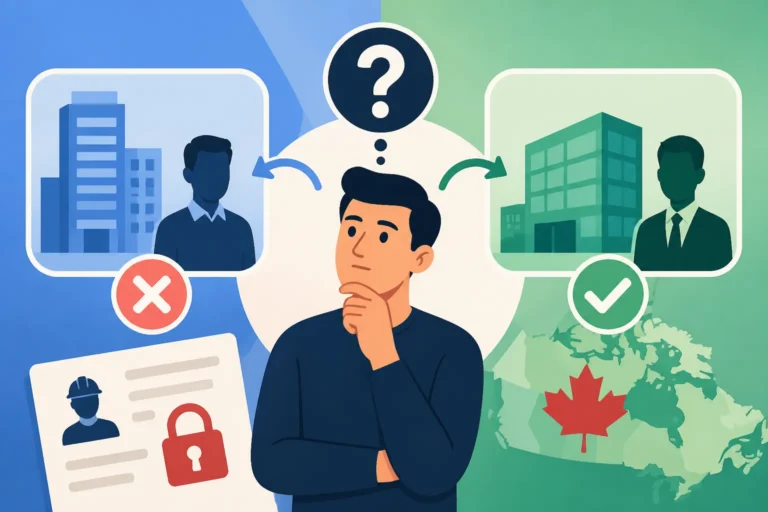
Broadly speaking, Canadian work permits fall into two main categories: employer-specific work permits and open work permits. An employer-specific work permit, as the name suggests, ties you to a specific employer, for a specific job, and in a specific location in Canada. This is the most common type for many skilled workers coming to Canada. To get one of these, your prospective employer usually needs to obtain a Labour Market Impact Assessment (LMIA) from Employment and Social Development Canada (ESDC), which basically confirms that there's no Canadian citizen or permanent resident available to do the job. However, there are also LMIA-exempt work permits, which apply to certain professions, international agreements (like NAFTA or CETA), or situations that benefit Canada (like intra-company transfers or highly-skilled workers). For instance, if you're a professional who falls under an international trade agreement, or if you're transferring within the same multinational company, you might be eligible for an LMIA-exempt permit, simplifying the process considerably. You can learn more about these nuances in our guide, Understanding Canadian Work Permits: LMIA and Exempt Explained (2027).
On the other hand, an open work permit is like a golden ticket for flexibility. It allows you to work for almost any employer in Canada, in almost any occupation, with very few restrictions. Think of it as having the freedom to explore the job market without being tied down to one company. Unfortunately, not everyone is eligible for an open work permit right off the bat. They are typically issued in specific circumstances, such as to international students who have graduated from a Designated Learning Institution in Canada (Post-Graduation Work Permit), to spouses or common-law partners of certain temporary foreign workers or international students, or to those who are permanent resident applicants awaiting a decision. While less common for a first-time single applicant before arriving in Canada, it's important to know these options exist, especially if your circumstances change after you arrive or if you explore other pathways like studying first.
Key Eligibility Requirements for Single Applicants
Regardless of your marital status, the core eligibility for a Canadian work permit revolves around your ability to meet the general immigration criteria and the specific requirements of the permit you're applying for. As a single applicant, you'll need to demonstrate your qualifications and intent even more clearly, as you won't have a spouse or partner to co-support your application.
Firstly, you absolutely must have a valid job offer from a Canadian employer. This is the cornerstone for most work permit applications. The job offer needs to be genuine and, if required, supported by an approved LMIA. This means your employer will have done their part to show that they couldn't find a Canadian to fill the role. Beyond the job offer itself, you'll need to prove you meet the job requirements – think educational qualifications, professional experience, and any necessary certifications. If you have foreign credentials, you might need to get them assessed, which is a key step many newcomers face, as detailed in How to Get Your Foreign Credentials Recognised in Canada. You’ll also need sufficient funds to support yourself and any family members (if applicable, though as a single applicant, this simplifies things) upon arrival in Canada, even if you have a job offer. The Canadian government wants to ensure you won't become a burden on the social system.
Beyond the professional and financial aspects, you'll need to satisfy general admissibility requirements. This includes proving you have no criminal record, passing a medical examination (which is standard for most long-term stays in Canada), and assuring immigration officials that you will leave Canada when your work permit expires. This last point is particularly important for temporary permits. You'll need to show strong ties to your home country or a clear plan for your future in Canada, such as eventually applying for permanent residence through programs like How Express Entry Works for Permanent Residence in Canada (2027). Don't forget, a valid passport and any other travel documents required for your nationality are also non-negotiable.
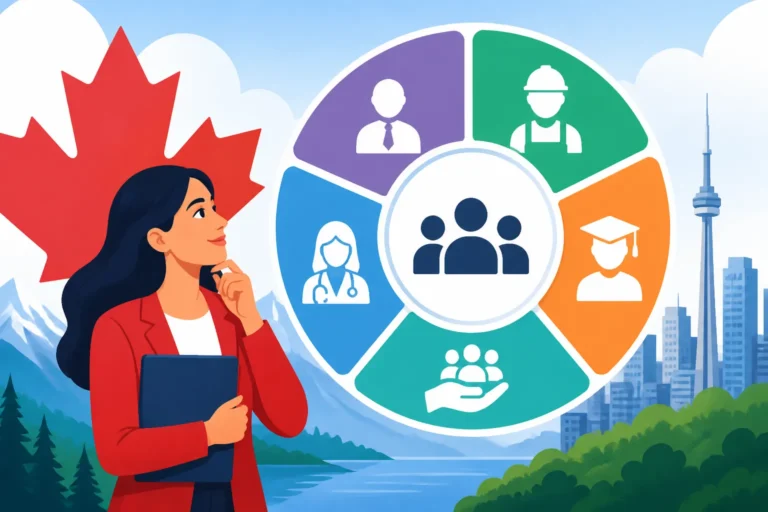
Here's a quick summary of common work permit types for individual applicants:
| Work Permit Type | Requires LMIA? | Employer Specific? | Typical Eligibility for Single Applicant |
|---|---|---|---|
| Employer-Specific | Yes (usually) | Yes | Valid job offer, qualified for role, meet general admissibility |
| LMIA-Exempt | No | Yes (usually) | Valid job offer under specific exemptions (e.g., trade agreements, intra-company transfer), meet general admissibility |
| Post-Graduation (PGWP) | No | No (Open) | Graduated from a Canadian DLI, studied full-time |
| Open Work Permit (Spousal) | No | No (Open) | Spouse/partner of eligible temporary worker or student in Canada |
Note: The PGWP and Spousal Open Work Permit are typically issued after you've already established a temporary status in Canada, either as a student or as a spouse of a temporary resident.
Navigating the Application Process Solo
Applying for a work permit can seem like a bureaucratic maze, and when you're doing it alone, it's easy to feel overwhelmed. But trust me, with a clear understanding of the steps and careful preparation, it's entirely manageable. I've seen countless single individuals successfully navigate this path.
Step-by-Step: Your Work Permit Application Journey
Your journey typically begins before you even submit an application to Immigration, Refugees and Citizenship Canada (IRCC). The very first step, as a single applicant, is to secure a legitimate job offer from a Canadian employer. This isn't just a casual "we'd love to have you" email; it needs to be a formal offer of employment, often on company letterhead, detailing your role, salary, and terms of employment. If the position requires an LMIA, your employer will be responsible for applying for and securing that before you can even think about your work permit application. Our guide How to Apply for a Work Permit With an LMIA in Canada provides detailed insights into this process.
Once you have your job offer and any necessary LMIA, you'll generally apply online through the IRCC portal. You'll create an account, fill out the application forms truthfully and completely, and upload all required supporting documents. This is where attention to detail is paramount. Missing information or incorrect forms can lead to delays or even refusal. After submission, you'll likely receive an acknowledgement of receipt and instructions for biometrics (fingerprints and a photo), which you’ll need to provide at a designated service point, usually a Visa Application Centre (VAC) outside Canada, or a Service Canada office if you're already in Canada and eligible to apply from within. Finally, you'll await a decision. If approved, you'll receive a Letter of Introduction (or Port of Entry Letter) which you'll present to a Border Services Officer upon arrival in Canada, who will then issue your physical work permit.
Gathering Your Documents: The Solo Edition
When you're applying as a single person, you are the sole focus of the application, meaning all the required documents pertain directly to you. This can simplify things in some ways, as you don't need to gather documents for a spouse or children, but it also means you bear the full responsibility for ensuring everything is in order.
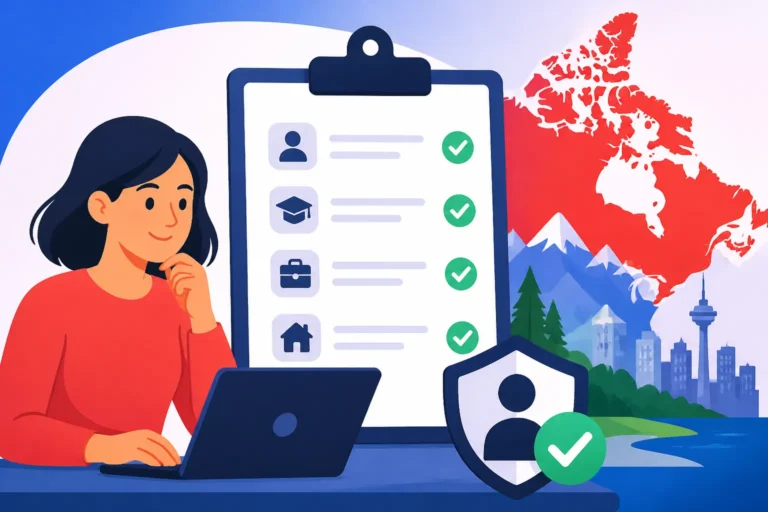
Your essential document checklist will include your valid passport (ensure it has plenty of validity left!), the formal job offer letter, and if applicable, the LMIA confirmation number from your employer. You'll also need proof of your educational qualifications (diplomas, degrees, transcripts) and evidence of your work experience, typically in the form of reference letters from previous employers. These letters should be on company letterhead, signed by a supervisor or HR, and detail your job duties, employment period, and salary. Financial proof is another big one: bank statements showing you have enough funds to support yourself for the initial period, even with a job offer. For instance, if you're bringing belongings, services like Sirelo can help manage the logistics, freeing you to focus on documentation. Don't forget your digital photo, police certificates from any country you've lived in for six months or more since turning 18, and medical exam results if requested. Every document needs to be legible, and if not in English or French, it must be accompanied by a certified translation. Always double-check the specific document checklist provided by IRCC for your application type, as it can vary.
Life as a Single Work Permit Holder in Canada
Stepping into a new life in Canada as a single person is an exciting adventure. You have the freedom to shape your experience exactly how you want it, but it also means you'll be managing all aspects of your relocation and settlement independently.
Planning Your Move and Settling In Alone
Once your work permit is approved, the real planning begins. As a single person, you'll be responsible for all logistics, from booking your flights to securing initial accommodation. Many newcomers opt for short-term rentals or Airbnbs for their first few weeks while they scout for a permanent place. This flexibility is a huge advantage when you don't have to consider the needs of a whole family. Our guide The Complete Guide to Renting an Apartment in Canada (2027) offers invaluable advice for solo renters. When it comes to moving your belongings, whether it’s just a few suitcases or a full container, companies like Sirelo offer comparison services for international moving companies, which can be a lifesaver when you're managing everything yourself.
Upon arrival, your immediate priorities will include getting your Social Insurance Number (SIN), which is absolutely essential for working and accessing government services. You can apply for this at a Service Canada office. Our post, How to Apply for a Social Insurance Number (SIN) in Canada, has all the details. Next, setting up a Canadian bank account is crucial for managing your finances. You'll also want to get a local phone number and start exploring public transit or even considering purchasing a car, depending on where you settle. Remember, while you're alone, there's a huge network of expat groups and community services ready to help you navigate these initial steps and build connections.
Healthcare and Support Systems for Solo Newcomers
One of the most critical considerations for any newcomer, especially those arriving alone, is healthcare. Canada has a publicly funded healthcare system, but there's a provincial waiting period for new residents to become eligible for provincial health coverage, which can be up to three months in some provinces. As a single applicant, you won't have a spouse's employer benefits or a family doctor connection to rely on initially. This waiting period is a significant gap you need to plan for.
During this time, having private health insurance is not just recommended, it's essential. Companies like Cigna Global offer plans specifically designed for expats, providing crucial coverage for emergencies, doctor visits, and even prescription medications during this initial period. Imagine getting sick or having an accident shortly after arriving; without private coverage, you could face hefty medical bills. Our article The Newcomer Waiting Period for Provincial Health Coverage in Canada (2027) provides a detailed breakdown, and How to Get Private Health Insurance to Cover the Waiting Period in Canada offers practical advice. Once you're eligible for provincial coverage, you'll apply for your provincial health card. Don't worry, even as a single person, you'll have full access to Canada's healthcare system once your card is active. For emergencies, calling 911 is always an option, but for non-emergencies, walk-in clinics are a common resource until you can find a family doctor, which can sometimes take a while, especially in larger cities.
Opportunities and Challenges: Making it Work
Arriving as a single work permit holder in Canada opens up a world of opportunities. You have the freedom to immerse yourself fully in your new job, explore different cities, and build a social circle entirely on your own terms. Many single newcomers find community through their workplace, local sports leagues, volunteer organizations, or online expat groups. This independence often fosters rapid personal growth and a deeper connection to your new home.
However, it's also important to acknowledge the unique challenges. There will be moments of loneliness, especially during holidays or when facing administrative hurdles. Without an immediate support system of family, you'll need to be proactive in building friendships and seeking out resources. Things like understanding the local job market beyond your initial offer, as detailed in The Newcomer Guide to Finding a Job in Canada (2027), or budgeting for The Complete Guide to Cost of Living in Canada for Newcomers (2026) become entirely your responsibility. Don't underestimate the power of connecting with other expats who understand exactly what you're going through; their advice and camaraderie can be invaluable. Remember, Canada is a welcoming country, and there are many resources and communities dedicated to helping newcomers thrive, regardless of their marital status. The overall journey of working in Canada as a newcomer is a rich experience, and you're well-equipped to handle it.
Disclaimer
Please note that the information provided in this guide is for general informational purposes only and does not constitute legal, financial, or immigration advice. Immigration policies and procedures in Canada can change frequently. Always consult with a regulated Canadian immigration consultant or lawyer for advice tailored to your specific situation. While we strive to keep our content up-to-date, we cannot guarantee the accuracy or completeness of all information at all times.