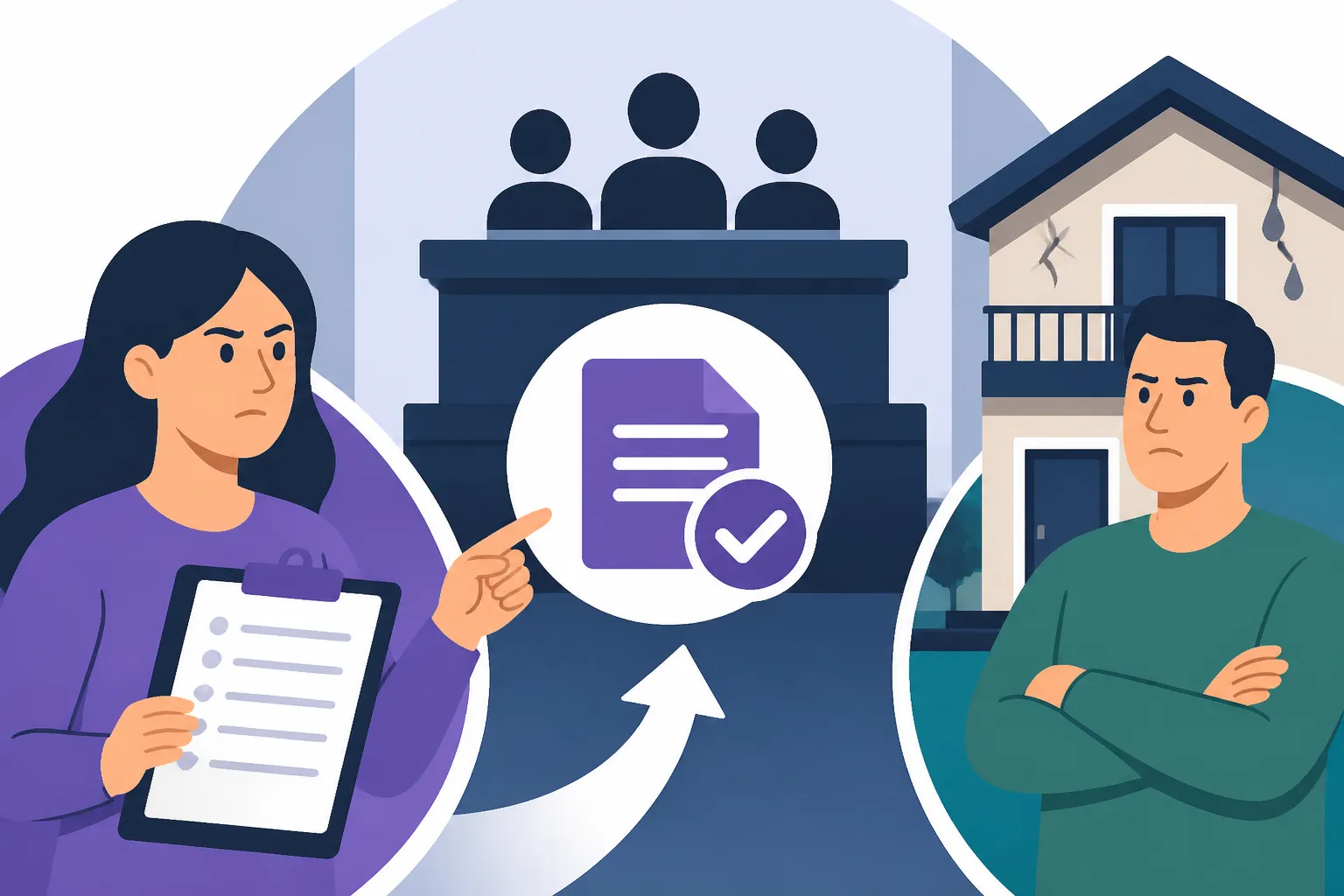
How Do I File a Complaint with the Landlord Tenant Board in Canada?
Navigating a landlord-tenant dispute in a new country can feel like trying to untangle a bowl of spaghetti – confusing, frustrating, and often leaving you wondering where to even begin. Expats in Canada often find that issues with rentals are unfortunately common, whether it's a landlord dragging their feet on repairs or an unexpected rent hike. This guide is here to walk you through the often-intimidating process of how to file a complaint with the Landlord Tenant Board (or its provincial equivalent) in Canada, equipping you with the knowledge to stand up for your tenant rights.
Understanding the Landlord and Tenant Board (LTB) and its Provincial Equivalents
The Landlord and Tenant Board (LTB) in Canada is a quasi-judicial body specifically for the province of Ontario. It’s essentially a court, but dedicated solely to resolving disputes between residential landlords and tenants. This is often where a lot of newcomers get a bit tripped up because Canada, being a massive country, handles these matters provincially. While Ontario has its LTB, other provinces and territories have their own unique systems, though their core function remains the same: mediating and adjudicating disputes based on their respective residential tenancy acts.
What is the LTB and its Role?
In Ontario, the LTB is established under the Residential Tenancies Act (RTA). Its primary role is to provide a forum for resolving disputes, issuing orders, and providing information to landlords and tenants about their rights and responsibilities. This means if you're living in Toronto, Ottawa, or any other part of Ontario and you have a serious issue with your landlord that you can't resolve directly, the LTB is your go-to. They hold hearings, listen to both sides, examine evidence, and then make a legally binding decision.
However, if you're living outside of Ontario, don't fret! You'll have a similar body. For example, in British Columbia, it's called the Residential Tenancy Branch (RTB). In Alberta, it's handled by the Residential Tenancy Dispute Resolution Service (RTDRS) or the courts. Quebec has the Tribunal administratif du logement (formerly Régie du logement), which is a unique beast given Quebec's distinct civil law system. Even smaller provinces like Nova Scotia have a Residential Tenancies Program. The important takeaway is that almost every province has a dedicated body to assist with these issues. The specifics of the forms, fees, and procedures will differ, but the principle of documenting everything and following a formal process is universal.
When Should You Contact the Landlord and Tenant Board (or its equivalent)?
It's tempting to jump straight to a formal complaint when you're feeling frustrated, but generally, the LTB and similar bodies expect you to have tried to resolve the issue directly with your landlord first. Think of it as a last resort for when communication breaks down or when your landlord is simply not adhering to their legal obligations.
Here are some common situations where you might need to file a complaint:
- Illegal Rent Increases: Your landlord can't just raise your rent whenever they feel like it, nor by any amount. In many provinces, there are strict rules about how much rent can be increased and how often. For instance, in Ontario, there's a provincially mandated rent increase guideline, and a landlord typically can only raise the rent once every 12 months with proper 90-day written notice. If your landlord is trying to circumvent these rules, the LTB is where you'd challenge it. You can learn more about Understanding Rent Increases and Rent Control by Province in Canada.
- Maintenance and Repair Issues: Your landlord has a legal obligation to maintain the property to a reasonable standard and keep it in a good state of repair. This includes everything from a leaky roof and broken appliances to pest infestations. If you’ve reported a serious issue in writing and your landlord is ignoring it or taking an unreasonably long time to fix it, you can apply to the LTB to order them to do the repairs and, in some cases, provide you with compensation for the inconvenience or diminished value of your rental.
- Illegal Eviction Notices: Being told to leave your home can be terrifying, especially if you suspect it's not legitimate. Landlords need valid legal reasons to evict a tenant, such as non-payment of rent, consistent late payments, damage to the unit, or if they or a family member genuinely intend to move in. They must also follow strict notice periods and use specific forms. If you receive an eviction notice that seems fishy, or if your landlord tries to evict you without proper procedure, the LTB can intervene.
- Return of Your Security Deposit: This is a big one, especially in provinces where security deposits are allowed (Ontario only allows last month's rent, not a damage deposit, but other provinces do). If your landlord is unfairly withholding your deposit or charging you for damages that weren't your fault, you can file an application to get your money back. Remember to meticulously document the condition of the apartment when you move in and when you leave. Many newcomers find themselves entangled in disputes over deposits, making it crucial to understand the nuances of what can and cannot be charged.
- Privacy Breaches: Landlords generally need to provide 24 hours written notice before entering your unit, unless it's a genuine emergency. If your landlord is repeatedly entering your unit without notice, harassing you, or otherwise interfering with your reasonable enjoyment of the property, the LTB can issue orders to stop this behaviour.
- Utilities Issues: If utilities are included in your rent and the landlord suddenly stops paying them, or if they illegally cut off your utilities, this is a serious breach that the LTB can address. Similarly, disputes over who is responsible for specific utility costs can be brought to the Board.
Before you consider making a formal complaint, make sure you’ve clearly communicated the issue to your landlord in writing, giving them a reasonable opportunity to address it. This written record will be invaluable evidence if you do proceed to the Board.
Preparing Your Complaint: Documentation is Your Strongest Ally
The Canadian legal system, including tribunals like the LTB, operates heavily on evidence. You can't just show up and tell your story; you need to prove it. This is where meticulous documentation becomes your absolute best friend. Tenants sometimes have a legitimate complaint but couldn't back it up with solid proof, and that's a tough spot to be in.
Gathering Your Evidence
When you're dealing with a landlord-tenant dispute, every interaction, every problem, and every payment needs to be recorded. Think of yourself as an investigative journalist building a case.
Here’s a checklist of essential documents and types of evidence you should gather:
- Your Lease Agreement (Tenancy Agreement): This is the foundational document. Make sure you have a signed copy of your most recent lease. It outlines the terms of your tenancy, including rent amount, payment due dates, who is responsible for utilities, and any specific rules or clauses. If you’re not sure about the standard clauses, you can refer to The Complete Guide to Renting an Apartment in Canada.
- Written Communication: This is paramount. Keep copies of all emails, text messages, letters, and even certified mail correspondence with your landlord.
- Emails: Save them, print them, organize them. They provide a clear timestamp and record of what was said.
- Text Messages: Screenshot entire conversations, ensuring the date and sender/recipient are visible. Don't just save snippets; continuity matters.
- Letters: Always send letters via registered mail if possible, or hand-deliver them and have your landlord sign a copy to acknowledge receipt. Keep your copies.
- Dated Notes of Phone Calls/In-Person Conversations: If you have a verbal conversation, follow it up with an email summarizing what was discussed and agreed upon. For example, "Following our call today, I understand you will be sending someone to fix the leaky faucet by Friday. Please confirm." This creates a paper trail for verbal agreements.
- Photographs and Videos: Visual evidence is incredibly powerful.
- Condition of the Unit (Move-in/Move-out): Before you move in, take extensive photos and videos of every room, including appliances, walls, floors, and fixtures. Do the same when you move out. This is crucial for deposit disputes. A thorough record can save you a world of hurt down the line. Many people use tools like those recommended by relocation services like Sirelo to document their belongings and home conditions as they move, which can be adapted for rental purposes.
- Damage/Maintenance Issues: As soon as a problem arises (e.g., a leak, mold, broken appliance), take dated photos and videos. Show the extent of the damage. Include a recognizable object (like a newspaper with the current date, or a timestamp from your phone) to prove when the photos were taken.
- Evidence of Infestations: Photos of pests, droppings, or damaged areas are crucial for these types of complaints.
- Financial Records:
- Rent Receipts: Keep copies of all rent payments – e-transfers, bank statements showing direct deposits, cheques, or actual receipts.
- Utility Bills: If you are responsible for utilities, keep copies of these bills to show payment history or prove landlord-related issues.
- Repair Invoices/Receipts: If you incurred costs due to the landlord's negligence (e.g., you had to pay for a plumber because they wouldn't, and it was an emergency), keep all receipts.
- Witness Statements: If there was someone else present during an incident or who can attest to the condition of the unit or the problem, ask them to write a signed statement detailing what they observed, including the date.
- Bylaw or Inspection Reports: If you contacted municipal bylaw enforcement or a health inspector regarding an issue, any reports they generated are excellent evidence.
Organization is key. Create a folder (digital and/or physical) specifically for your rental documents. Label everything clearly with dates. When you're stressed and trying to prepare for a hearing, having all your ducks in a row will make a huge difference.
Understanding the Relevant Forms and Application Process
This is where the provincial differences really come into play. There isn't a single "Landlord Tenant Board complaint form for Canada." Each province, and sometimes even within a province, has specific application forms tailored to the type of dispute.
Let's use the Ontario LTB as an example, as it's the specific body mentioned in the title. If you're in Ontario, you'll visit the Tribunals Ontario website (the umbrella organization for the LTB). You won't just find one general "complaint form." Instead, you'll be looking for specific "Tenant Applications."
Common LTB tenant applications include:
- T1: Tenant Application for a Rebate of Money the Landlord Owes the Tenant: Used for issues like illegal rent increases, illegal charges, or compensation for a lack of vital services.
- T2: Tenant Application About a Problem Landlord Did Not Fix (Tenant Rights): This is for maintenance issues, harassment, illegal entry, or interference with your reasonable enjoyment of the unit.
- T3: Tenant Application for a Statement About a Problem the Landlord Did Not Fix: This is less common but used if you want an order for the landlord to fix something, but you don't necessarily want monetary compensation.
- T4: Tenant Application for an Order to End a Tenancy and for a Rebate: Used in very serious cases where the landlord’s actions are so egregious that you need to terminate your lease early and potentially seek compensation.
- A1: Application About a Problem with an Agreement: Used for issues related to an invalid tenancy agreement or if you need the LTB to interpret a clause in your lease.
Key Steps for Forms:
- Identify the Correct Form: This is the most critical step. Carefully read the descriptions on your province's tenancy board website to ensure you pick the right one for your specific issue. If you pick the wrong form, your application could be dismissed.
- Fill it Out Accurately and Completely: Provide all requested information. Don't leave blanks. Be clear, concise, and factual when describing the dispute. Use specific dates, times, and details. Attach your evidence as appendices, clearly labeled (e.g., "Exhibit A: Lease Agreement," "Exhibit B: Email from Landlord dated March 1, 2026").
- Calculate Any Money Owed: If you're asking for compensation or a rent rebate, you need to clearly calculate the amount and explain how you arrived at that figure.
- Application Fees: Most tenancy boards charge a fee to file an application. In Ontario, this fee is typically around $200 for tenant applications. Check the current fee schedule on your provincial board's website. You might be able to apply for a fee waiver if you meet certain low-income criteria.
- Service of Documents: This is a vital and often misunderstood part. You must formally "serve" your landlord with a copy of your application and all your evidence. Each province has strict rules on how this must be done (e.g., in-person, registered mail, courier). Simply emailing or texting it might not be considered proper service and could lead to your case being delayed or dismissed. Keep proof of service (e.g., a signed affidavit of service, registered mail receipt).
Remember, while the LTB is a tribunal and not a traditional court, the process is still formal. Treating it with the seriousness it deserves and being meticulously prepared will significantly increase your chances of a favourable outcome. If you are struggling with the forms, many community legal clinics offer free assistance to tenants.
The Step-by-Step Complaint Process (Focus on Ontario LTB)
Once you've diligently prepared your evidence and identified the correct forms, it's time to initiate the formal complaint process. While the precise details vary by province, the overall flow from filing to resolution tends to follow a similar pattern. Let's walk through the steps, using the Ontario Landlord and Tenant Board (LTB) process as our primary example.
Filing Your Application
This is the point where you officially initiate the dispute resolution process.
- Complete the Application Form(s): As discussed, make sure you've filled out the relevant LTB form (T1, T2, etc.) completely and accurately. Double-check all dates, names, addresses, and calculations.
- Prepare Your Evidence Package: Organize all your supporting documents (lease, communications, photos, receipts, witness statements) into a clear, logical order. Create a list of all your exhibits, and ensure each piece of evidence is clearly labelled. It's often helpful to number your pages.
- Pay the Filing Fee: In Ontario, tenant applications generally have a filing fee. As of my last check, it's typically around $200. You can usually pay this online, by mail, or in person at an LTB office. If you have low income, you might qualify for a fee waiver, so check the LTB website for the "Request to Waive an Application Fee" form.
- File Your Application:
- Online: The LTB has an online portal (through Tribunals Ontario) where you can file most applications electronically. This is often the quickest and easiest method. You'll upload your forms and evidence as PDF files.
- By Mail/Courier: You can print out your completed forms and mail or courier them to the nearest LTB office.
- In Person: Some LTB offices still allow in-person filing, but it's always best to check their current operating procedures as these can change.
- Serve the Landlord: This is critical. Once your application is filed with the LTB, you must provide a copy of the entire application package (the forms and all your evidence) to your landlord. The LTB calls this "serving" the documents.
- Method of Service: The LTB has specific rules on how documents must be served. Often, this means personal delivery (handing it directly to the landlord or their agent) or registered mail/courier. Check the "Rules of Procedure" on the LTB website for exact requirements.
- Proof of Service: You absolutely need proof that you served your landlord. If you deliver it personally, ask the landlord to sign and date a copy of the application (or a separate "acknowledgement of service" form) for your records. If using registered mail or a courier, keep the tracking number and delivery confirmation. You may need to complete a "Certificate of Service" form to prove to the LTB that you served the documents properly.
Missing a deadline or failing to serve your landlord correctly can lead to delays or even the dismissal of your application. Don't let all your hard work go to waste at this crucial stage. Remember, consistent communication is key here, and having a reliable phone plan (perhaps even an eSIM solution from a provider like Airalo if you're a newcomer still sorting out local services or moving between regions) ensures you can receive and send important notifications related to your case.
The Hearing Process
After your application is filed and served, the LTB will schedule a hearing. This is where your case is formally presented and decided.
- Notice of Hearing: You and your landlord will receive a "Notice of Hearing" from the LTB, which will state the date, time, and method of your hearing (e.g., telephone, video conference, or in-person). Make sure you mark this date on your calendar and don't miss it!
- Mediation (Optional): At the beginning of many LTB hearings, a mediator may be available to help you and your landlord try to reach a settlement outside of a formal hearing. This is often a good option, as it gives you more control over the outcome and avoids the stress of a full hearing. If you reach an agreement, it will be formalized into a "Consent Order" by the LTB.
- The Formal Hearing: If mediation isn't successful or desired, your case will proceed to a formal hearing before an LTB Adjudicator (similar to a judge).
- Opening Statements: The Adjudicator will typically ask each party to briefly explain their case.
- Presenting Evidence: You will present your evidence and call any witnesses. The Adjudicator will examine your documents and may ask questions. This is where your organized evidence package shines! Stick to the facts and refer to your documents.
- Cross-Examination: Your landlord (or their representative) will have the opportunity to ask you questions about your testimony and evidence, and vice-versa. Remain calm and answer truthfully.
- Closing Statements: Both parties will have a chance to summarize their arguments and reiterate why the Adjudicator should rule in their favour.
- Preparation is Key: Practice what you'll say. Be polite and respectful, even if you're feeling frustrated. Focus on the facts and how they relate to the Residential Tenancies Act. This is not the time for emotional outbursts.
A little tip from experience: hearings can be nerve-wracking. Consider bringing a friend or family member for moral support, even if they aren't speaking on your behalf.
Receiving a Decision and Enforcement
Once the hearing concludes, the Adjudicator will make a decision, which is then formalized into an "Order."
- The Order: The LTB will typically mail you a written Order within a few weeks of the hearing. This document outlines the Adjudicator's decision, including who won, what remedies are granted (e.g., landlord must pay you money, landlord must complete repairs by a certain date, tenancy is terminated), and any specific conditions.
- Enforcement of the Order:
- Monetary Orders: If the LTB orders your landlord to pay you money, and they don't, you can take the LTB Order to Small Claims Court for enforcement. The Small Claims Court can issue writs of seizure and sale or other methods to collect the debt. This can be a lengthy process, but the LTB Order is a powerful tool to begin with.
- Orders for Repairs/Actions: If the landlord is ordered to complete repairs or stop certain actions, and they fail to comply, you can file a new application with the LTB (often called an "L2" application in Ontario for non-compliance with a prior order). This could result in further penalties for the landlord, including financial compensation to you.
- Eviction Orders: If the LTB issues an eviction order (typically initiated by the landlord, but could result from a tenant application in rare, severe cases), it can only be enforced by the Sheriff's office. Landlords cannot evict tenants themselves.
The LTB process can take time, sometimes several months, from filing to receiving an order. Patience and persistence are crucial. While the system aims to be accessible, it is still a formal legal process.
| Provincial Body/Act (Sample) | Province/Territory | Primary Function | Link to Relevant Post (Example) |
|---|---|---|---|
| Landlord and Tenant Board (LTB) | Ontario | Resolves disputes under the Residential Tenancies Act (RTA). | Understanding Tenant and Landlord Rights by Province in Canada |
| Residential Tenancy Branch (RTB) | British Columbia | Administers the Residential Tenancy Act and the Manufactured Home Park Tenancy Act. | The Complete Guide to Renting an Apartment in Canada |
| Tribunal administratif du logement | Quebec | Resolves disputes related to residential leases. | How to Sign a Lease and Pay a Deposit in Canada |
| Residential Tenancies Act (RTDRS) | Alberta | Dispute resolution for residential tenancies (also courts). | How Do I Find an Apartment to Rent in Vancouver? |
| Residential Tenancies Branch (RTB) | Manitoba | Administers The Residential Tenancies Act. | How Much Does It Cost to Rent an Apartment in Toronto in 2026? |
| Residential Tenancies Program | Nova Scotia | Provides information, mediates, and conducts hearings. | Understanding the Deposit and Landlord Tenant Board Process in Canada |
Navigating Challenges and Alternatives
Even with all your ducks in a row, dealing with a dispute can be fraught with challenges. The process isn't always smooth, and it's essential to be aware of potential pitfalls and alternative paths you might consider. As an expat, you might also face additional hurdles, such as language barriers or unfamiliarity with local customs, which can make a stressful situation even more daunting.
Common Pitfalls and How to Avoid Them
Knowing what to watch out for can save you a lot of grief and prevent your case from being derailed.
- Lack of Documentation: This is, without a doubt, the biggest pitfall. As I stressed earlier, if it's not in writing or photographed, it's very hard to prove. People often rely on verbal agreements, but when a dispute arises, it's your word against theirs. Always follow up verbal conversations with a written summary. If you're a newcomer, you might be used to less formal rental agreements in your home country, but Canada is very different. Treat every interaction as if it might one day be scrutinized by a tribunal.
- Missing Deadlines: The LTB and other provincial bodies have strict timelines for filing applications, serving documents, and responding to notices. Missing these deadlines can lead to your application being dismissed or your case being seriously hampered. Pay close attention to all dates on official documents you receive. If you're unsure, ask for clarification.
- Not Understanding the Procedures: The legal jargon and procedural rules can be overwhelming. Don't be afraid to ask for help or clarification from legal aid clinics or tenancy duty counsel (if available at your hearing). Trying to wing it when you don't understand the rules is a recipe for disaster.
- Emotional Responses: Disputes are inherently emotional, but the LTB and adjudicators are looking for facts and legal arguments, not emotional pleas. While your frustrations are valid, presenting your case calmly and factually will always be more effective. Focus on how your landlord's actions violate the Residential Tenancies Act or your lease agreement, rather than simply expressing anger.
- Improper Service of Documents: This is another huge one. You can have the best case in the world, but if you don't properly serve your landlord with the application, the LTB cannot proceed. Each province has very specific rules for service, and you must follow them to the letter. Don't assume an email is enough.
- Not Preparing for the Hearing: Thinking you can just show up and tell your story without having organized your thoughts, evidence, and potential questions for the other side is a mistake. Rehearse what you'll say, anticipate questions, and know exactly where each piece of your evidence is located.
- Falling for Scams: Unfortunately, some unscrupulous individuals prey on newcomers. Be wary of landlords demanding cash payments without receipts, or offering "deals" that sound too good to be true. Stick to legitimate rental platforms and agencies, and always sign a proper lease agreement. Remember, services like Sirelo can help you find trusted moving resources, and a similar mindset applies to vetting landlords and understanding your rights from the get-go.
Alternative Dispute Resolution and Legal Advice
Sometimes, going through a full LTB hearing isn't necessary or even the best first step.
- Direct Negotiation: Before anything else, try to resolve the issue directly with your landlord. Document these attempts. Send a clear, written request outlining the problem, what you expect to be done, and a reasonable timeframe. Sometimes, a firm but polite letter, clearly referencing sections of the Residential Tenancies Act, is enough to get a landlord to act.
- Mediation Services: Many provinces offer free or low-cost mediation services for landlord-tenant disputes, sometimes even before an application is formally filed. Mediation involves a neutral third party helping both sides communicate and reach a mutually agreeable solution. This can be faster, less stressful, and less adversarial than a formal hearing.
- Community Legal Clinics and Pro Bono Services: If you're a newcomer and/or low-income, Canada has a robust network of community legal clinics that offer free legal advice and representation for tenants. They can help you understand your rights, fill out forms, gather evidence, and even represent you at a hearing. Do a quick online search for "tenant legal aid [your city/province]" or "community legal clinic [your city/province]". This resource can be invaluable, especially if English or French isn't your first language, or if you're feeling overwhelmed by the bureaucracy.
- Duty Counsel: In some LTB or provincial tenancy board locations, there might be "duty counsel" available on the day of your hearing. These are lawyers or paralegals who can provide free, on-the-spot advice and sometimes even brief representation. They can be a lifesaver if you're feeling lost moments before your case.
- Private Legal Advice: For complex cases or if you can afford it, consulting a lawyer or a licensed paralegal who specializes in landlord-tenant law is always an option. They can provide comprehensive advice, represent you, and ensure all procedures are correctly followed. While there's a cost involved, for significant disputes, this investment might be worthwhile.
Remember, you don't have to navigate these challenging situations alone. There are resources available in Canada designed to help tenants, especially those who may be unfamiliar with the system. Your rights as a tenant are protected, but it's up to you to know them and utilize the avenues available for their enforcement.
Disclaimer
This article is for general informational purposes only and does not constitute professional advice. Laws, prices and regulations vary by location and change over time. Consult a qualified professional for guidance on your specific situation.