How Do I Get a Safety Inspection for My Car in Canada?
Navigating vehicle ownership in Canada can feel like a labyrinth, especially when you encounter terms like "safety inspection" that might have different meanings or frequencies than what you're used to back home. It's easy to get overwhelmed trying to figure out if your car needs one, where to get it, and what exactly they're looking for. This guide is here to cut through the confusion and walk you through everything you need to know about getting a safety inspection for your car in Canada, ensuring you're ready for the road ahead.
Understanding the Canadian Safety Standards Certificate (SSC)
When you first arrive in Canada and start to sort out your life, the rules and regulations around vehicles can be quite different from what you've experienced before. One of the terms you'll hear is "Safety Standards Certificate," or SSC. It’s a crucial document in many scenarios, but it's often misunderstood, causing unnecessary stress for newcomers.
Why You Need an SSC in Canada
Unlike some countries where an annual vehicle inspection is a mandatory part of life, like clockwork, Canada generally approaches safety inspections a bit differently. This can be a huge source of confusion for expats who are accustomed to yearly checks. In most Canadian provinces, a Safety Standards Certificate isn't something you need to renew every single year just to keep your car on the road. Instead, it typically comes into play during specific transactions or events.
The most common reason you'll need an SSC is if you're buying a used car, especially from a private seller. Imagine you've just found a fantastic deal on a pre-owned vehicle, perfect for exploring your new surroundings. Before you can officially register that car in your name, the province often requires proof that it meets basic safety standards at the time of transfer. This is to protect both the buyer and the seller, ensuring the vehicle isn't a hazard on the roads. Without a valid SSC, the provincial licensing office won't process the ownership transfer, leaving you with a car you can't legally drive.
Another significant scenario where an SSC is required is when you're registering a vehicle that's been imported into a province. This could mean bringing your car from another Canadian province, or perhaps you’ve decided to ship your beloved vehicle from your home country. If you're bringing in personal goods and your car from abroad, logistics companies like Sirelo might have been instrumental in getting it here, but once it lands, the provincial authorities will want to ensure it’s safe for Canadian roads. This inspection is a critical step in the import and registration process, confirming that even though the vehicle passed safety standards elsewhere, it still adheres to Canadian regulations.
Provincial Variations: It's Not One-Size-Fits-All
Now, here's where things get a bit more "Canadian"—meaning, it varies by province! Just like many other aspects of life here, from healthcare to liquor laws, vehicle regulations are largely a provincial responsibility. This means that the rules around safety inspections, when they're needed, and what they entail, can differ significantly depending on whether you're living in British Columbia, Ontario, Quebec, or Alberta. There isn't one universal "Canadian car inspection rule."
Take Ontario, for example. If you're buying a used vehicle from anyone other than your spouse, you absolutely need a valid Safety Standards Certificate to register it at ServiceOntario. This is a non-negotiable step to complete the transfer of ownership. The certificate confirms that the vehicle met minimum safety requirements on the day of the inspection. However, once you've registered it, you generally don't need another safety inspection unless you sell it again or significantly modify it.
Contrast that with British Columbia, where the Insurance Corporation of British Columbia (ICBC) oversees vehicle registration. If you're bringing a vehicle into B.C. from another province or country, it will almost certainly require an out-of-province inspection. This is more comprehensive than a typical SSC and ensures the vehicle is compliant with B.C.'s specific standards before it can be insured and registered. In Alberta, safety inspections are also primarily required for out-of-province vehicles or salvage vehicles, but generally not for regular used car sales within the province unless specified. Quebec has its own set of rules managed by the Société de l'assurance automobile du Québec (SAAQ), often focusing on heavy vehicles or those that have been rebuilt after a serious incident, with lighter requirements for private passenger vehicle transfers.
It's vital that you check the specific requirements for the province you're in or are moving to. A quick visit to the provincial Ministry of Transportation website (like Ontario's MTO, B.C.'s ICBC, or Quebec's SAAQ) is usually the best place to get the most accurate and up-to-date information. Understanding these nuances upfront can save you a lot of headaches and unexpected expenses down the line, especially as you navigate the process of How to Register and Plate a Vehicle in Canada.
Finding a Certified Inspection Station and What to Expect
Once you understand why you might need an SSC, the next logical step is figuring out where to get one and what the inspection actually involves. This isn't just a casual check-up; it's a formal process that can only be performed by approved facilities.
How to Locate an Approved Inspection Facility
You can't simply roll your car into any mechanic's shop and ask for a safety inspection. In Canada, only government-licensed and approved inspection stations are authorized to perform these checks and issue a Safety Standards Certificate. These facilities have met specific provincial criteria, have certified technicians, and use calibrated equipment to ensure a fair and thorough assessment. This system is in place to maintain consistent safety standards across all inspections.
Finding one of these approved facilities is usually quite straightforward, thankfully. Most provincial Ministry of Transportation websites offer a search tool or a list of licensed inspection stations. For instance, if you're in Ontario, the MTO website has a searchable database where you can input your location and find nearby approved garages. These facilities will often display prominent signage indicating they are a "Licensed Inspection Station" or "Safety Inspection Centre."
Beyond government websites, you can also ask for recommendations from local friends, colleagues, or expat groups. Word-of-mouth referrals often lead to trustworthy establishments. Reputable, larger mechanic chains like Canadian Tire Auto Service, Kal Tire, or Mr. Lube also frequently have licensed technicians who can perform these inspections. When choosing a shop, it's always a good idea to check online reviews or ratings to ensure they have a good reputation for honesty and quality service. This is particularly important for newcomers, as you're in a new environment and might be more vulnerable to unscrupulous practices.
The Inspection Process: What Mechanics Check
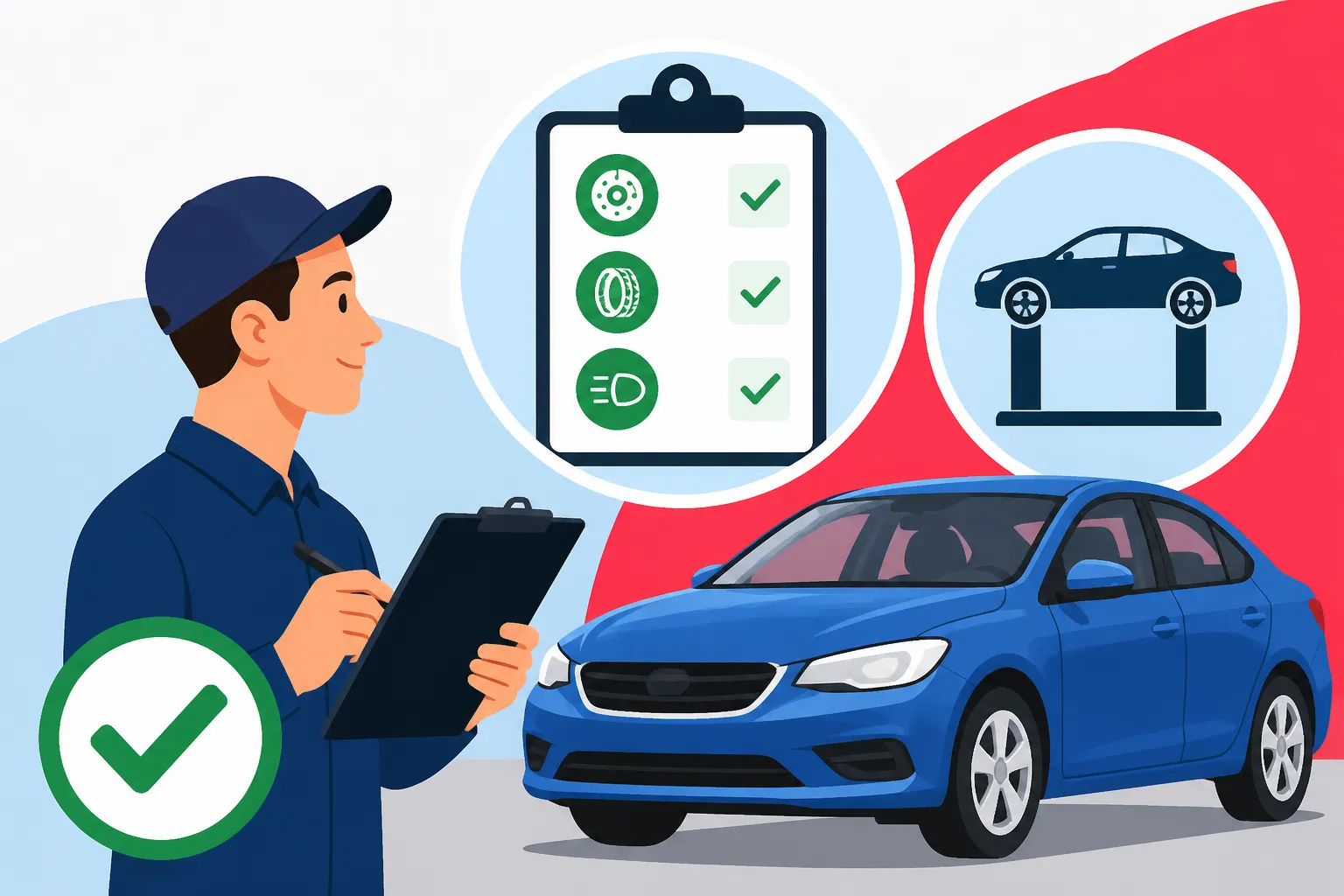
When your car goes in for a safety inspection, the mechanic isn't just giving it a once-over. It's a comprehensive, systematic check of all the essential safety components to ensure your vehicle meets the provincial minimum safety standards. Think of it as a detailed health check-up focusing specifically on whether your car is safe to operate on public roads. They're not looking for perfection, but rather for compliance with a baseline of operational safety.
Here’s a breakdown of the major components they'll meticulously examine:
- Brakes: This is paramount. They'll check the brake lines, calipers, pads, rotors, and emergency brake system to ensure they're all in proper working order and meet thickness specifications.
- Steering and Suspension: They'll inspect the steering linkage, power steering system, shocks, struts, and wheel bearings for any excessive wear or play that could compromise control.
- Tires: Tread depth, tire pressure, and overall condition (no cracks, bulges, or uneven wear) are thoroughly checked. Tires that are too worn or damaged will lead to a failure.
- Lights: Every light on the vehicle, from headlights (including high and low beams) and taillights to turn signals, brake lights, and hazard lights, must be functional.
- Wipers and Washer Fluid: Your ability to see clearly is critical, so the windshield wipers must work effectively, and the washer fluid system needs to be operational.
- Horn: A working horn is a basic safety requirement for alerting others.
- Exhaust System: They'll check for leaks or damage that could allow harmful fumes into the cabin or create excessive noise.
- Seatbelts: All seatbelts must be present, fully functional, and free from cuts or damage.
- Frame and Body: The structural integrity of the vehicle's frame and body is assessed for rust, cracks, or damage that could compromise safety.
- Fuel System: The fuel tank, lines, and connections are inspected for leaks.
- Electrical System: Basic wiring and components related to safety features are checked.
What they won't typically check are cosmetic issues, non-safety-related accessories, or overall engine performance (unless a major engine fault, like a persistent check engine light, indicates a safety concern or significant emissions issue). The goal is purely about roadworthiness and safety. For instance, a small dent in your bumper won't cause a failure, but a cracked windshield or excessively worn tire treads definitely will. It’s a very thorough process designed to identify genuine safety risks, which is why it's so important when you're buying a used car or importing one to Canada.
Understanding the Cost and Potential Repairs
The thought of a car inspection often brings with it a bit of anxiety, not just about passing, but about the potential costs. Let's be real, vehicle maintenance can be expensive, and a safety inspection isn't always a one-and-done deal.
First, there's the fee for the inspection itself. This is a service charge for the mechanic's time and expertise in performing the detailed check. The cost for an SSC can vary, but generally, you can expect to pay anywhere from $100 to $200, depending on the province and the specific shop. This fee is usually paid whether your vehicle passes or fails. It’s important to clarify the inspection cost upfront before you commit.
The real cost, however, often comes into play if your vehicle doesn't pass the initial inspection. This is a common occurrence, especially with older or less-maintained used cars. If your car fails, the mechanic will provide you with a detailed report outlining all the deficiencies that need to be addressed to meet safety standards. These could range from relatively minor issues like a burnt-out headlight or worn windshield wipers, to more significant (and expensive) repairs like brake system overhauls, suspension component replacements, or exhaust system repairs. For many newcomers, this can be a daunting and unexpected expense right after moving and getting settled.
You’ll then have a specific timeframe (often around 10 to 14 days, though this varies by province) to complete the necessary repairs. Once the repairs are done, you'll bring the vehicle back for a re-inspection. This re-inspection usually focuses only on the items that failed previously, which might incur a smaller fee or, in some cases, be included in the original inspection fee if done within the specified timeframe at the same shop. It's crucial to get these repairs done by a qualified technician. While you might be tempted to save money, compromising on safety repairs is never a good idea. Always get a written estimate for any recommended repairs and don't feel pressured to have the work done at the inspection station itself. You have the right to take your vehicle to another repair shop and then return for the re-inspection, which might be a good idea if the repair list seems overly extensive or expensive. This gives you the chance to compare quotes and ensures you're getting a fair deal.
After the Inspection: Passing, Failing, and Next Steps
Once the mechanic has poked, prodded, and assessed every safety component of your vehicle, you'll finally get the verdict. What happens next depends on whether your car passed with flying colours or needs a bit more attention.
Receiving Your Safety Standards Certificate (SSC)
If your vehicle meets all the required provincial safety standards, congratulations! This means your car is deemed roadworthy at the time of inspection, and you’ll be issued a physical Safety Standards Certificate (SSC). This is the golden ticket you need for your vehicle registration.
The certificate itself will detail the vehicle information and confirm that it passed the inspection. It's important to note that this certificate isn't valid indefinitely. In provinces like Ontario, an SSC is typically valid for 36 days from the date of inspection, specifically for the purpose of transferring vehicle ownership. This means you need to take your certificate to the provincial licensing office (e.g., ServiceOntario) and complete the registration process within that timeframe. If you miss the window, you might have to go through the inspection process all over again.
Once you have your SSC, make sure to keep it in a safe place along with your other crucial vehicle documents. These include your proof of ownership, valid Understanding Vehicle Insurance and Registration by Province in Canada, and your driver's licence. Having all these documents readily accessible is key when you eventually go to register your vehicle. Remember, this certificate is a snapshot in time; it doesn't guarantee your vehicle will remain safe forever, so ongoing maintenance is always important!
What Happens If Your Vehicle Fails
It's a common fear, and for good reason: your car might fail the safety inspection. Don't panic! While it can be disheartening and certainly adds another item to your already long to-do list as a newcomer, it’s a fixable situation. A failure simply means your vehicle has one or more deficiencies that prevent it from meeting the minimum safety standards.
When your vehicle fails, the inspection station will provide you with a detailed report listing every item that did not pass. This report is incredibly important because it tells you exactly what needs to be fixed. For example, it might state "front brake pads below minimum thickness" or "headlight not functioning." Armed with this information, you'll need to arrange for the necessary repairs.
Just like with the certificate's validity, there's usually a specific timeframe within which you must get the repairs done and have the vehicle re-inspected. In Ontario, for instance, you typically have about 10 days to correct the deficiencies and bring your car back to the same inspection station for a re-inspection. If you go beyond this period, or if you take it to a different station, you might have to pay for a full new inspection rather than just a re-check of the failed items. This re-inspection fee is often lower than a full inspection, sometimes even free if the repairs are minor and done quickly by the same shop. The key is to address the issues promptly. Failing to do so means you cannot legally register or transfer the vehicle, and more importantly, driving a vehicle with known safety issues puts you and others at serious risk.
Tips for Newcomers When Dealing with Car Inspections
The Canadian system for car safety inspections can feel like a bit of a hurdle, especially when you're already juggling so many other aspects of settling into a new country. Here are a few practical tips to help you navigate it with minimal stress:
- Do Your Homework First: Before you even start car shopping or importing your vehicle, understand the specific safety inspection requirements of your province. What documents do you need? What’s the validity period? Knowing these details upfront can save you significant time and potential frustration. If you're looking into How to Buy a Car as a Newcomer in Canada, make sure you integrate this step into your planning.
- Choose a Reputable Inspection Station: This cannot be stressed enough. Unfortunately, there are always a few bad apples who might try to upsell unnecessary repairs, especially to someone new to the country who might not know the local ropes. Look for shops with clear signage, good online reviews, or personal recommendations from trusted sources. Don't be afraid to call a few places, ask about their pricing for the inspection, and get a feel for their customer service.
- Get a Second Opinion for Major Repairs: If your vehicle fails and the repair list seems extensive or very expensive, it’s perfectly acceptable to seek a second opinion from another licensed mechanic. Get a written estimate detailing the required repairs and their costs. This helps you compare prices and ensures you’re not being overcharged for work that might not be truly necessary for the safety certificate.
- Understand Your Rights: You are not obligated to have the repairs done at the same facility that performed the inspection. You can take your vehicle elsewhere for repairs and then return to the original inspection station for the re-inspection within the specified timeframe.
- Bring a Trusted Companion: If you're not confident in your vehicle knowledge or if English isn't your primary language, bring a trusted friend or family member who can advocate for you, ask questions, and help translate complex mechanical terms.
- Stay Connected: During the process, you'll likely need to make calls, send emails, or even look up directions to different repair shops or government offices. Having reliable communication is key. If you're still getting settled, ensuring you have a functional phone plan, perhaps with an eSIM from a provider like Airalo, can be incredibly helpful for staying in touch and getting crucial information on the go. This is especially true if you’re coordinating vehicle shipment through services like Sirelo, where constant communication is necessary.
- Budget for Unexpected Costs: Always factor in potential repair costs when planning your budget for buying a car in Canada. The inspection fee is one thing, but the repairs can be another, sometimes significantly larger, expense.
By being informed and proactive, you can navigate the safety inspection process smoothly and get your vehicle registered and ready for all your Canadian adventures.
Provincial Safety Inspection Overview
To give you a clearer picture of some of the key provincial differences, here’s a quick overview:
| Province/Territory | General Requirement for SSC | Validity for Registration | Typical Inspection Cost Range (CAD) | Notes |
|---|---|---|---|---|
| Ontario | Used vehicle transfers (unless spouse), imported vehicles | 36 days for ownership transfer | $100 – $180 | Not an annual inspection. Focus on minimum safety standards. |
| British Columbia | Out-of-province, imported, modified, or rebuilt vehicles | Varies, often with registration | $150 – $250+ (Out-of-province) | ICBC regulates; more comprehensive for out-of-province. |
| Alberta | Out-of-province, commercial, or salvage vehicles | Varies | $100 – $200 | Generally not for regular used car sales within province. |
| Quebec | Certain vehicle categories (e.g., rebuilt, commercial), some inter-provincial transfers | Varies, often with SAAQ registration | $100 – $150 | SAAQ regulated. Focus on specific vehicle types and transfers. |
| Saskatchewan | Out-of-province, rebuilt, or commercial vehicles | Varies | $100 – $150 | SGI regulates. |
| Manitoba | Out-of-province, rebuilt, or commercial vehicles | Varies | $100 – $180 | MPI regulates. |
Please note: These are general guidelines, and specific requirements, costs, and validity periods can change. Always check with the official provincial transportation authority for the most up-to-date and accurate information.
Getting a safety inspection is just one part of the journey. Once your vehicle is deemed safe, you’ll also need to sort out your How Much Is Car Insurance in Canada? and understand the specifics of Driving in Canada: Licences, Registration and Rules for Newcomers. It’s a multi-step process, but each piece contributes to ensuring you can safely and legally enjoy driving in your new home.
Disclaimer
The information provided in this article is intended for general guidance only and does not constitute legal, financial, or professional automotive advice. While we strive to offer accurate and up-to-date information, regulations and procedures in Canada, especially concerning vehicle inspections, are subject to change and vary by province and territory. We strongly recommend consulting official provincial government websites, such as those of the Ministry of Transportation (MTO), Insurance Corporation of British Columbia (ICBC), or Société de l'assurance automobile du Québec (SAAQ), or seeking advice from a licensed automotive professional for your specific situation. Reliance on any information provided in this article is solely at your own risk.