How Much Does Hydro Cost per Month in Canada?
When you first land in Canada, figuring out the cost of living can feel like navigating a maze, and honestly, the utility bills are often one of the biggest head-scratchers. Everyone talks about "hydro," but what exactly is it, and how much is it going to set you back each month? Trust me, you're not alone in feeling utterly baffled. This guide is going to clear up the mystery of your monthly hydro costs in Canada, breaking down what to expect, why it varies so much, and how to keep those bills manageable so you can focus on enjoying your new life here.
Understanding "Hydro" in Canada: It's More Than Just Electricity
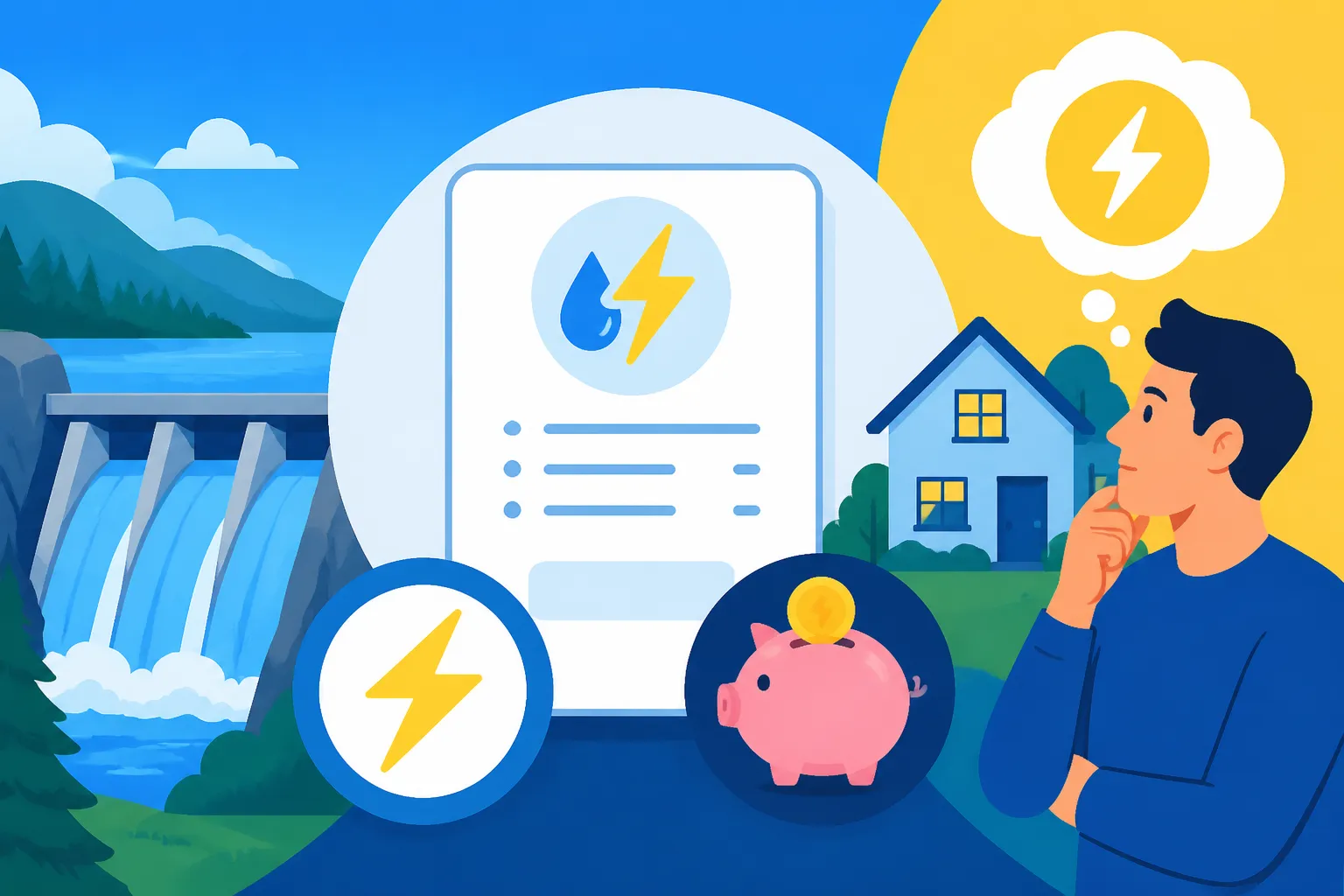
It’s funny how a single word can mean so many different things depending on where you come from, isn’t it? In Canada, "hydro" is a term you’ll hear constantly, and it primarily refers to electricity. This is largely because a significant portion of Canada's electricity, particularly in provinces like Quebec, Manitoba, and British Columbia, is generated using hydroelectric power. So, when your landlord or real estate agent mentions "hydro is extra," they're almost always talking about your electricity bill.
What Hydro Actually Covers
While "hydro" almost always means electricity, it’s worth noting that in some rental agreements or older buildings, the term might be loosely used to encompass other utilities as well. However, this is becoming less common. Generally, your electricity bill will be separate from your natural gas bill (if you have gas heating or appliances), and certainly separate from your water and sewage bill, which are often included with your property taxes if you own a home, or as part of your rent if you're in an apartment. So, when you're looking at a place, always clarify: "Is electricity included? What about heat? Is water separate?" These distinctions are crucial for understanding your true monthly overhead.
The way electricity is supplied and billed also varies significantly from province to province, and even from city to city. For instance, in Ontario, you'll likely deal with a provincial generator like Ontario Power Generation (OPG) and a local distribution company like Hydro One or Toronto Hydro. In British Columbia, it's primarily BC Hydro. Quebec has Hydro-Québec, and Alberta has a more deregulated market with multiple retailers like Enmax and Epcor. Each of these providers has its own rate structure, which can make direct comparisons a bit tricky for newcomers.
The Components of Your Hydro Bill
Your Canadian hydro bill isn't just a flat fee; it’s a detailed breakdown of various charges that can seem incredibly complex at first glance. Understanding these components is the first step toward deciphering what you’re actually paying for.
The largest chunk of your bill will, of course, be for consumption – that’s the actual electricity you use, measured in kilowatt-hours (kWh). This is the part you have the most control over by changing your habits. Beyond consumption, you'll see charges for delivery, which covers the cost of getting electricity from the generation station to your home via transmission lines, poles, and local distribution networks. This includes maintenance, repairs, and infrastructure investments. You might also find a fixed customer charge or service charge, which is a basic fee for having an active account, regardless of how much electricity you use.
Then there are regulatory charges, which are fees mandated by provincial energy boards to cover the costs of administering the electricity market and providing various services. Sometimes, there are also debt retirement charges or other provincial adjustments that factor into the total. For instance, in Ontario, you might also see the Harmonized Sales Tax (HST) applied to your electricity bill. It’s a lot to take in, but remember that these are standard components for most households. Being aware of these different line items can help you understand why your bill changes, even if your consumption remains relatively stable.
Factors Influencing Your Monthly Hydro Bill
The question of "how much" is never simple because so many variables come into play. It’s not just about how many lights you leave on; it’s about where you live, what kind of home you have, and even the season.
Location, Location, Location: Provincial and Municipal Variations
Perhaps the biggest determinant of your hydro cost is your geographical location within Canada. Electricity rates are set provincially and can vary wildly. Some provinces, blessed with abundant hydroelectric resources, offer significantly lower rates. For example, Quebec, with its massive hydroelectric dams, consistently has some of the lowest electricity rates in North America. A one-bedroom apartment in Montreal might see a hydro bill of $40-$60 per month, while a similar unit in downtown Toronto could easily be $70-$100 or more.
British Columbia also benefits from significant hydropower, often resulting in more moderate rates compared to other provinces. Alberta, on the other hand, relies more on natural gas and coal for electricity generation, and its deregulated market means rates can fluctuate more based on market forces and competition among providers like Enmax and Epcor. The prairies (Saskatchewan and Manitoba) tend to have reasonable rates, while the Maritimes (Nova Scotia, New Brunswick) often face higher costs due to a mix of generation sources and smaller economies of scale. When you're making your initial move and looking at different cities, it's crucial to factor in these regional differences in utility costs as part of your overall budget planning. This is something many newcomers realize only after they've settled in.
Home Size, Type, and Age
Beyond location, the physical characteristics of your dwelling play a massive role. It’s pretty intuitive: a larger home generally requires more energy to heat, cool, and light.
- Apartments: Smaller units, especially those in modern, energy-efficient buildings, tend to have the lowest hydro bills. They often benefit from shared walls, reducing heat loss, and are generally easier to regulate.
- Townhouses/Condos: These fall in the middle. They might share one or two walls with neighbours, offering some insulation benefits, but often have more square footage than a typical apartment.
- Detached Houses: These are usually the most expensive to heat and cool. They have four exterior walls and a roof exposed to the elements, demanding more energy to maintain a comfortable temperature, especially during Canada's notoriously cold winters and hot summers.
The age of your home is another critical factor. Older homes might have poor insulation, drafty windows (single-pane instead of modern double-pane), and less efficient heating/cooling systems, all of which drive up electricity consumption. A brand-new build, with its stringent energy efficiency standards, will almost always be cheaper to power than a charming, but drafty, century-old house. When considering a place to live, inquire about the age of the building, its insulation, and the type of windows. These details can save you a bundle over the long term. This is a point where resources like Sirelo, which help you compare moving services, can also make you think about the total cost of setting up a new home, not just the rent.
Your Lifestyle and Energy Habits
Ultimately, a significant portion of your hydro bill comes down to how you use electricity in your home. Your daily habits and choices have a direct impact on your consumption.
Are you someone who loves a warm home in winter, setting the thermostat to a cozy 23°C (73°F)? Or are you comfortable bundling up in sweaters and keeping it closer to 18-20°C (64-68°F)? The difference in those few degrees can translate to significant dollar amounts on your bill, especially if your heating is electric. The same goes for air conditioning in the summer. Running AC constantly, particularly in an older, less insulated home, can send your summer hydro bills soaring. Many provinces offer lower rates during off-peak hours (typically evenings and weekends), so shifting your laundry, dishwashing, or other high-energy activities to these times can help reduce costs.
The number of people living in the household also makes a difference. More occupants generally mean more showers (heating water), more device charging, more cooking, and more lights being used. The type and age of your appliances also contribute. Older refrigerators, freezers, washing machines, and dryers are notoriously less energy-efficient than newer models that come with Energy Star ratings. Unplugging electronics when not in use, often called "vampire power," also adds up over time, even if it seems negligible for individual devices. Every little bit truly helps when you're trying to keep those bills in check.
Estimating Your Monthly Hydro Costs in Different Provinces
While it's impossible to give you an exact figure without knowing your specific situation, we can certainly provide some general ranges and help you understand the dynamics across Canada. Remember, these are estimates and can fluctuate based on seasonality, your personal usage, and the exact rates set by your local utility provider.
General Ranges Across Canada
On average, for a typical household, hydro costs can range from as low as $40-$50 for a small, efficient apartment in a low-cost province, to well over $300 for a large, older detached house in a higher-cost region during peak heating or cooling seasons.
Here’s a rough breakdown of what you might expect for electricity only, keeping in mind that heating source (electric vs. natural gas) is a huge factor:
- Small Apartment (1-bedroom): $50 – $100 per month. This could be lower in provinces like Quebec and Manitoba, and higher in places like Ontario or Nova Scotia, especially if heating is electric.
- Medium Apartment/Townhouse (2-3 bedrooms): $80 – $150 per month. Again, this is highly dependent on heating type and energy efficiency.
- Detached House (3+ bedrooms): $120 – $300+ per month. For larger, older homes, especially those with electric heating, costs can easily surge during extreme weather.
These figures do not include natural gas (if applicable for heating, water heater, or stove), water, or internet services. For a holistic view of utility expenses, it's helpful to also consider the cost of setting up utilities (Hydro, Gas, Internet) in Canada.
Specific Provincial Examples and Key Considerations
Let’s look at a few examples to illustrate the significant provincial differences.
- Ontario: This is often cited as one of the more expensive provinces for electricity. Providers like Hydro One and Toronto Hydro implement a "time-of-use" (TOU) or "tiered" billing system. With TOU, rates are highest during peak demand hours (typically weekday mornings and evenings) and lowest during off-peak hours (nights and weekends). If your heating is electric, your winter bills can easily climb, especially for larger homes. A family in a detached home in Toronto might see hydro bills ranging from $150 in mild months to $300+ in deep winter or hot summer. For an average apartment, you might be looking at $70-$120.
- Quebec: Famous for its abundant hydroelectric power, Quebec boasts some of the lowest electricity rates in Canada. Hydro-Québec is the main provider. This means you might find a larger detached home with electric heating still having a relatively manageable hydro bill compared to other provinces. A typical 1-bedroom apartment might be $40-$60, while a detached home could range from $80-$180, even with electric heat.
- British Columbia: BC Hydro offers generally reasonable rates, also largely due to hydropower. They use a tiered billing system, meaning you pay a lower rate for your initial block of consumption and a higher rate for anything above that threshold. This encourages conservation. For a 1-bedroom apartment in Vancouver, you might budget $50-$80, whereas a family home could be $100-$250, depending heavily on size and heating.
- Alberta: The electricity market in Alberta is unique, allowing consumers to choose from various retailers (like Enmax, Epcor, ATCOenergy) offering different plans (fixed rates, variable rates). While this offers choice, it also means rates can fluctuate. A typical apartment might see $60-$100 for electricity, with a detached home potentially ranging from $120-$250, again heavily influenced by the heating source, as natural gas is a common heating fuel here.
Here's a simplified table comparing estimated monthly hydro costs:
| Province | 1-Bedroom Apartment (Monthly Estimate) | 2-3 Bedroom Townhouse/Condo (Monthly Estimate) | 3+ Bedroom Detached House (Monthly Estimate) | Key Factor/Provider |
|---|---|---|---|---|
| Ontario | $70 – $120 | $100 – $180 | $150 – $300+ | Time-of-Use/Tiered rates |
| Quebec | $40 – $60 | $60 – $100 | $80 – $180 | Low hydroelectric rates |
| British Columbia | $50 – $80 | $80 – $140 | $100 – $250 | Tiered rates, hydro power |
| Alberta | $60 – $100 | $90 – $160 | $120 – $250 | Deregulated market |
| Manitoba | $45 – $75 | $70 – $130 | $90 – $200 | Lower hydro rates |
| Nova Scotia | $80 – $130 | $110 – $190 | $160 – $300+ | Higher rates, various sources |
This table provides a snapshot of what you might expect, but always check with the local utility provider for the most accurate current rates. It’s a good idea to factor these numbers into your overall calculation of the cost of living in Canada for newcomers.
Practical Tips for Managing and Reducing Your Hydro Bill
Feeling overwhelmed by these numbers? Don't worry, there are plenty of strategies you can employ to keep your hydro costs in check, regardless of where you settle in Canada.
Understanding Time-of-Use and Tiered Pricing
Many provinces, particularly Ontario, use time-of-use (TOU) billing. This means the price you pay for electricity changes throughout the day. You'll have "on-peak" (most expensive), "mid-peak" (moderate), and "off-peak" (least expensive) hours. Off-peak hours are typically nights (7 PM to 7 AM on weekdays) and all day on weekends and statutory holidays. The simplest way to save money under this system is to shift high-energy activities like running your dishwasher, doing laundry, or charging electric vehicles to off-peak times. It might require a bit of scheduling, but it can make a noticeable difference.
Other provinces, like British Columbia, use a tiered pricing structure. This means you pay one rate for the first block of electricity consumed (e.g., up to 672 kWh per billing cycle) and a higher rate for any consumption above that threshold. The strategy here is to simply be mindful of your overall consumption and try to stay within the lower-priced tier as much as possible. Understanding how your specific provincial plan works, such as Understanding the Difference Between Provincial Plans Across Canada, is crucial for making informed decisions.
Energy-Saving Habits and Upgrades
Once you understand the billing structure, adopting energy-saving habits is your next big step.
- Lighting: Switch to LED bulbs. They use a fraction of the electricity and last much longer than traditional incandescent bulbs. Turn off lights when you leave a room – a simple habit, but effective.
- Heating and Cooling: This is where a significant chunk of your energy goes. Invest in a smart thermostat, which can learn your schedule and optimize heating/cooling. Set your thermostat a few degrees lower in winter (and put on a sweater!) and a few degrees higher in summer (and use a fan). Seal any drafts around windows and doors. Even a simple draft stopper can make a difference. For deep winter, check out How Do I Heat My Home Affordably in a Canadian Winter?
- Appliances: Use energy-efficient appliances where possible. When buying new, look for the Energy Star label. Full loads for laundry and dishwashers are more efficient. Unplug chargers and electronics when not in use – they draw "phantom" power even when turned off.
- Water Heating: Hot water tanks consume a lot of energy. Take shorter showers, and consider washing laundry in cold water.
Making small changes can lead to big savings over time. It's not about freezing or sweating, but about being mindful and making smart choices.
How to Set Up and Monitor Your Hydro Account
When you first move into a new place, setting up your hydro account is one of the essential tasks, right up there with getting your internet connected. You'll typically contact the local electricity provider for your area (e.g., Toronto Hydro in Toronto, BC Hydro in most of British Columbia). They will require personal identification, your new address, and sometimes proof of tenancy (like a lease agreement).
Many providers offer convenient online portals where you can monitor your electricity usage, view your bills, and set up pre-authorized payments. This is an invaluable tool for tracking your consumption and understanding what impacts your bill. Regularly checking your usage can help you identify patterns and make adjustments if you notice spikes. For a comprehensive guide on this process, refer to How to Set Up Hydro (Electricity) in Your Canadian Home. You can also learn about How Do I Pay My Hydro Bill Online in Canada?. Don't be afraid to call your utility provider if you have questions about your bill – their customer service can often provide insights specific to your account or advise on energy-saving programs. Many newcomers, like those using resources to plan their big move (like Sirelo), find it beneficial to budget for all these setup costs well in advance.
Disclaimer
The information provided in this guide is for general informational purposes only and does not constitute professional advice. Utility rates and regulations can change frequently. Always consult with the specific provincial and local utility providers for the most accurate and up-to-date information regarding your hydro costs in Canada.