Understanding Tenant and Landlord Rights by Province in Canada
Tenant and landlord rights vary significantly across Canada because rental laws and regulations are established at the provincial and territorial levels.
Settle in smoothly.
Step-by-step help with renting, utilities, everyday life setup, local services, and the small cultural “gotchas”.

Tenant and landlord rights vary significantly across Canada because rental laws and regulations are established at the provincial and territorial levels.

Canadian mobile and internet providers, including Rogers, Bell, Telus, and smaller regional carriers, offer plans and connection types for newcomers.

Canadian condo fees cover building upkeep, insurance, and amenities, varying by location, age, provincial laws, and reserve fund health.
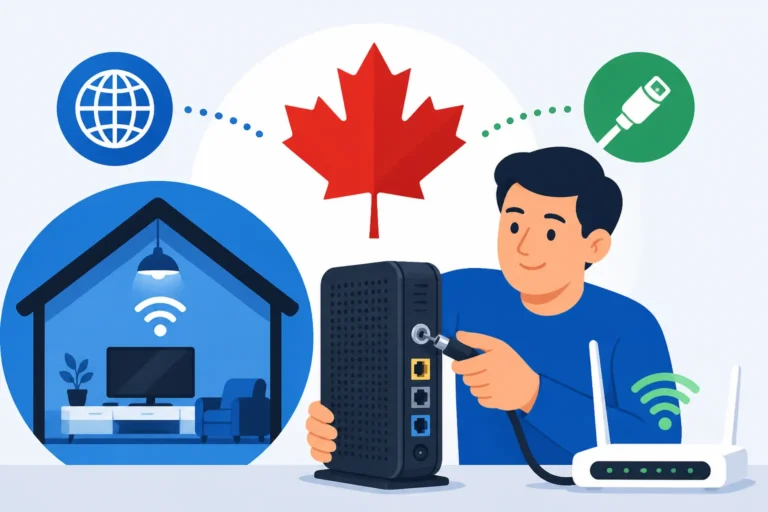
Canadian internet and cable options include major providers, independent resellers, and different connection types like fibre optic and cable.

The Foreign Buyer Ban details who can purchase residential property in Canada and outlines specific exemptions for permanent and temporary residents.

The home purchase and closing process in Canada requires managing legal teams, financing conditions, home inspections, and unexpected closing costs.

Canadian utility bills for electricity, natural gas, water, and waste management vary by province and require careful monthly budgeting.

Canadian residential electricity setup, regional utility providers across provinces, deposit expectations, and billing basics for newcomers.

Canadian cities present unique challenges regarding housing costs, job markets, public transit, and cultural diversity for newcomers to evaluate.

Canadian rental applications, lease agreements, and deposit rules require financial proof, references, and careful reading to protect tenants from scams.