Can I Study Online at a Canadian University from Abroad?
The thought of studying at a Canadian university without the immediate upheaval of moving across the globe is incredibly appealing, especially for those juggling work, family, or other commitments. Many newcomers dream of leveraging Canada's world-class education system, but the logistics of relocating can be a huge barrier. This guide dives deep into whether you can pursue an online degree from a Canadian institution while staying in your home country, exploring the practicalities, academic requirements, and potential pathways this option offers.
The Reality of Online Study from Abroad at Canadian Institutions
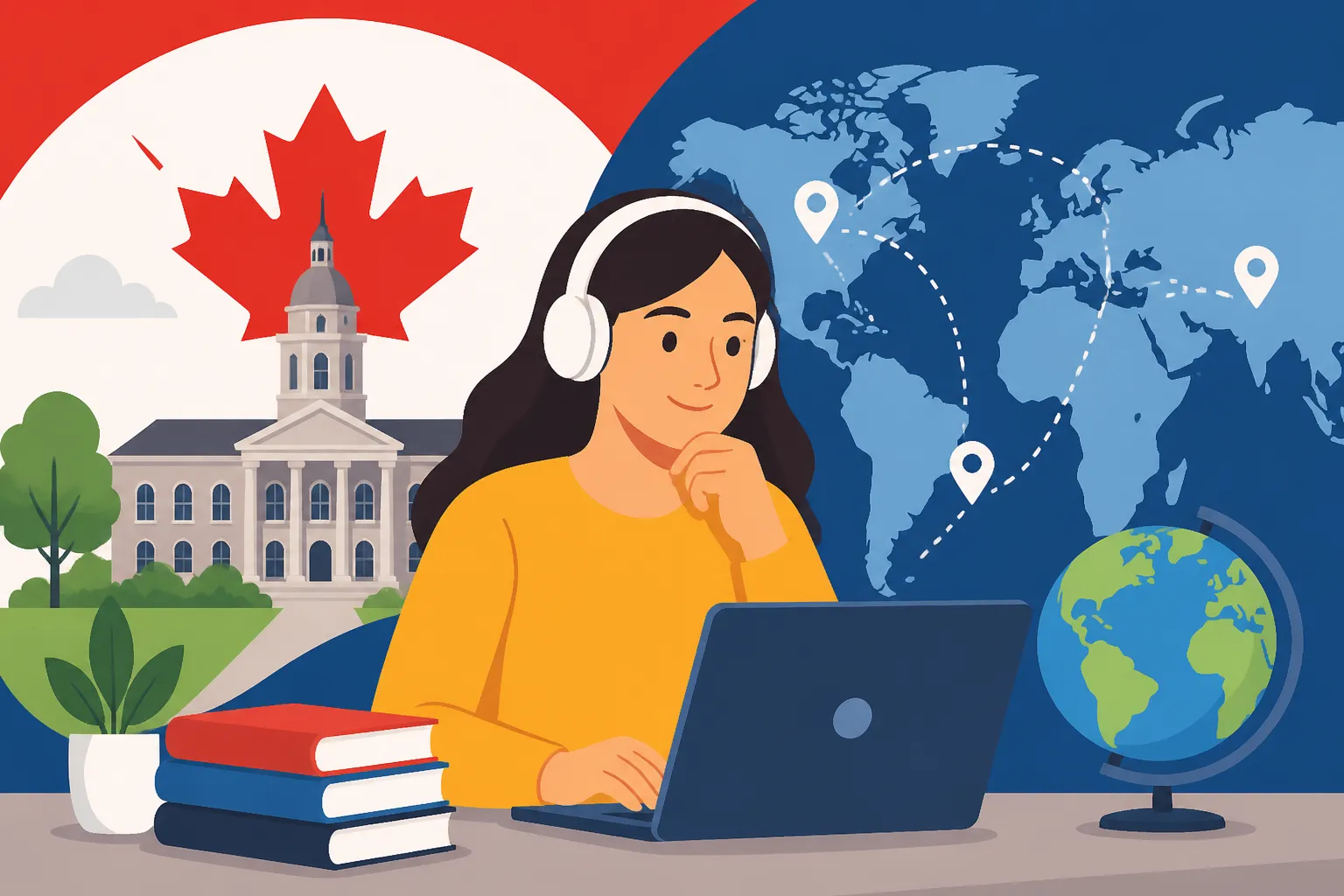
Let's cut right to the chase: yes, it is absolutely possible to study online at a Canadian university or college from abroad. Many institutions across Canada have robust online learning platforms and offer a wide array of programs designed for distance learners, including international students. This isn't just a pandemic-era phenomenon; Canadian universities have been leaders in online education for years, recognizing the global demand for flexible, high-quality learning.
However, it's not simply a matter of clicking "enroll." There are nuances that every aspiring international online student needs to understand. While the academic content might be identical to an on-campus program, your experience, your eligibility, and crucially, your immigration pathway will be very different. You're not just signing up for a course; you're engaging with a foreign education system from afar, which comes with its own set of challenges and opportunities.
Understanding the "Canadian University" Aspect
When you enroll in an online program offered by a Canadian university or college, you are indeed studying at a Canadian institution. This means your degree or diploma will be issued by that institution, carry its accreditation, and generally hold the same academic weight as a degree earned on campus. The curriculum, faculty, and academic standards are typically consistent across both delivery methods. You'll likely be interacting with professors who also teach on-campus courses and engaging with a diverse cohort of students, some of whom might be in Canada, others scattered across the globe just like you.
What's different, of course, is the physical presence. You won't be strolling through campus quads, joining student clubs in person, or experiencing Canadian life firsthand. Your "campus" will be your home office, your local library, or wherever you choose to log in. This isn't a drawback for everyone; for many, it's precisely the flexibility they need. But it's important to set realistic expectations about what a "Canadian university experience" means when you're physically hundreds or thousands of kilometers away. It's about the academic rigor and the credential, less about the immersive cultural campus life.
Residency vs. Online Enrollment
A critical distinction when considering online study from abroad is the concept of residency. When you undertake an online program from outside Canada, you are generally not considered a Canadian resident for immigration purposes solely based on your enrollment. This is a common point of confusion. You're simply a student enrolled in a Canadian program, accessing it remotely. This means you won't typically need a Canadian study permit if you are completing 100% of your program from outside Canada.
This distinction has significant implications. While it removes the immediate hurdle of applying for a study permit and navigating the immigration process upfront, it also means that solely completing an online program from abroad does not automatically create a pathway to Canadian permanent residence or a post-graduation work permit. These are often tied to physical presence and in-person study in Canada. So, if your long-term goal is to immigrate to Canada, simply completing an online degree from afar is usually not enough on its own; it's often just the first step in building a strong academic profile that might later support an immigration application if you choose to pursue further in-person study or work permits.
Key Considerations Before You Enroll
Before you dive headfirst into applying, there are some very practical considerations you need to mull over. While the idea of studying from the comfort of your home seems straightforward, doing it successfully across continents involves more than just a good internet connection. Many expats struggle with these very issues, so it is worth taking a moment to think them through.
Program Eligibility and Accreditation
First things first, not every program offered by a Canadian university will be available entirely online, and even fewer will be designed to be completed 100% from outside Canada without any residency requirements. You might find a wealth of graduate certificates, diplomas, or even full master's degrees that are fully remote. Bachelor's degrees are a bit less common in this format, though they do exist. Always check the specific program's requirements and delivery method. Don't assume an online course means an online degree that you can take from anywhere. You need to read the fine print! Some programs might be "hybrid," requiring occasional on-campus attendance, which would then necessitate a study permit and travel to Canada.
Beyond the delivery method, you'll still need to meet the academic admission requirements, just like any other international student. This often includes demonstrating English or French language proficiency (unless you're from an English or French-speaking country), submitting transcripts that often need to be assessed for Canadian equivalency (through services like WES), and potentially providing letters of recommendation or a statement of purpose. If you're looking to brush up on your language skills before applying, platforms like iTalki could be a useful resource to get comfortable with the nuances of English or French for academic purposes, especially if your target program has high language requirements. Preparing these documents can be quite a process, so make sure you understand exactly what's needed. For more detailed information, you can always refer to resources like How to Apply to a Canadian University as an International Student.
Time Zones, Technology, and Support
This might sound obvious, but the time difference can be a real killer. If you're in India taking a course taught out of Vancouver, you're looking at a 12.5-hour difference. Synchronous classes (live lectures or discussions) might mean you're attending them in the middle of your night. While many online programs prioritize asynchronous learning (pre-recorded lectures, forums), you'll still have deadlines, group projects, and potentially live exams that adhere to Canadian time zones. You need to seriously assess if you can maintain a consistent study schedule that accommodates this, especially if you also have work or family commitments.
Reliable technology is non-negotiable. You'll need a stable, high-speed internet connection, a functioning computer, and potentially a webcam and microphone for virtual meetings or presentations. Don't underestimate the frustration of technical glitches when you're racing against a deadline across different time zones. Also, consider the level of IT and academic support available to international online students. Are their support hours compatible with your local time? Do they offer technical assistance that can genuinely help you troubleshoot from abroad? Many institutions have excellent virtual learning environments and support staff, but it's crucial to understand how you'll access them.
Immigration Implications and Future Pathways
Studying online from abroad offers flexibility, but it’s crucial to understand how this choice impacts any future plans you might have to live or work in Canada. The Canadian immigration system is complex, and "online from abroad" status has very specific implications. It’s not a direct route to an immediate post-study work permit or permanent residency, as some newcomers mistakenly believe.
Online Study and Study Permits
As a general rule, if your Canadian educational program is 100% online and you intend to complete it entirely from outside Canada, you typically do not require a Canadian study permit. This is because you are not physically present in Canada for the purpose of study. This can be a huge relief, as applying for a study permit involves a significant amount of documentation, financial proof, and processing time. You bypass the need for a Letter of Acceptance (LOA) from a Designated Learning Institution (DLI) to apply for a permit, and you don't need to meet the strict visa requirements that come with it.
However, this also means you don't accrue the same benefits as an international student physically studying in Canada. For instance, any time spent studying online from abroad does not count towards the eligibility requirements for a Post-Graduation Work Permit (PGWP). The PGWP is a vital pathway for many international students to gain Canadian work experience after graduation, which in turn can lead to permanent residency. If your online program has any in-person components, or if you plan to transition to in-person study at a later date, then you will need to apply for a study permit at that point. It's essential to plan this carefully; for more on the specifics, check out How to Apply for a Study Permit for Canada.
Transitioning to In-Person Study or Work
So, you've completed your online degree from abroad, and now you're thinking, "What next for Canada?" Your Canadian credential is a valuable asset, but it doesn't automatically open doors to working in Canada or gaining permanent residence. If your goal is to eventually move to Canada, your online education is often a powerful foundational step, but you'll likely need another strategy.
One common pathway is to use your completed online credential to gain admission to a different in-person program in Canada. For example, if you completed an online Master's, you might pursue a second, shorter diploma or certificate program in Canada that is delivered in-person. This would then make you eligible to apply for a study permit and, upon completion of that in-person program, potentially a PGWP. This strategy allows you to leverage your academic success while still meeting the physical presence requirements for immigration programs. Another route is to seek a job offer from a Canadian employer that is willing to support your work permit application. Your Canadian degree could make you a more attractive candidate, but you would still need to meet the criteria for a Canadian work permit, which often involves a Labour Market Impact Assessment (LMIA) or qualifying for an LMIA-exempt category. Resources like Understanding the Post-Graduation Work Permit (PGWP) in Canada can shed more light on these pathways.
Financial Aspects and Practicalities
Money, money, money. It's often the elephant in the room when discussing international education. While studying online from abroad might seem like a way to cut costs, it’s crucial to understand the full financial picture. Canada might offer public healthcare to residents, but it doesn't extend to those studying entirely from outside the country. Beyond tuition, there are other practicalities that impact your wallet and your daily life.
Tuition Fees and Funding for International Online Students
Let's be clear: while you save on living expenses in Canada, the tuition fees for international online students are generally still at the international rate, which is significantly higher than what Canadian citizens or permanent residents pay. Don't expect a discount just because you're not physically on campus. These fees contribute to the quality of education, the resources, and the administrative support provided by the university. The exact amount will vary wildly depending on the institution, the program, and whether it's a certificate, diploma, or degree. For a rough idea of what you might encounter, delve into How Much Is Tuition for International Students in Canada?
When it comes to funding, options can be more limited for those studying online from abroad compared to students residing in Canada. You typically won't be eligible for provincial student loans or grants. However, many universities offer scholarships specifically for international students, and some might extend these to online learners. You'll need to research each institution's financial aid offerings carefully. Additionally, you might explore scholarships from your home country or private international scholarship programs. Don't forget the costs of textbooks, software licenses, and any specialized equipment your program might require. These can add up quickly.
Managing Your Studies While Abroad
Studying online demands a high level of self-discipline and time management. When you're not immersed in a campus environment, it's easy for other life commitments to creep in. You need to create a dedicated study space, set a strict schedule, and stick to it. This is especially true when you're dealing with different time zones for deadlines or synchronous activities. Many international students also find it helpful to connect with fellow online learners, either through university forums or external study groups, to share experiences and motivation.
Another often-overlooked aspect is the administrative burden. While you're not in Canada, you'll still be interacting with the university's administrative departments – admissions, registrar, financial aid, library services, etc. You'll need to be proactive in managing your enrollment, course registrations, and any academic advising. This can involve many emails, navigating online portals, and potentially phone calls during inconvenient hours due to time differences. If you're earning income in your home country while studying, or if you eventually plan to move to Canada and have income from a Canadian employer, you'll want to be mindful of your tax obligations in both jurisdictions. This is where services like Taxes for Expats can become incredibly useful, helping you navigate the complexities of international tax rules, ensuring you comply with regulations in your home country and understand any future obligations if you become a Canadian tax resident. Planning ahead for money transfers, should you need to move tuition funds, is also a consideration; resources like How to Transfer Money Into and Out of Canada as a Newcomer are essential reads.
Disclaimer
The information provided in this article is intended for general guidance only and does not constitute legal, financial, or immigration advice. While we strive to provide accurate and up-to-date information, policies and regulations in Canada can change rapidly. Always consult with official government sources, licensed immigration consultants, financial advisors, or legal professionals for advice tailored to your specific situation.