Can I Stay in Canada After Finishing My Studies?
So, you've poured your heart and soul into your studies in Canada, weathered the winters, maybe even tried poutine (or bravely avoided it!), and now that graduation is looming, a powerful question echoes in your mind: "Can I actually stay here?" This isn't just a logistical query; it’s often tied to a deep desire to continue the life you’ve started building. Trust me, it's a common feeling among international students, and the good news is, Canada offers several pathways for graduates who wish to transition from student life to becoming a permanent resident. This comprehensive guide will walk you through the primary options, vital steps, and essential considerations for making Canada your long-term home after your studies.
The Essential Stepping Stone: Your Post-Graduation Work Permit (PGWP)
For many international students, the Post-Graduation Work Permit (PGWP) is the golden ticket, the most straightforward and often necessary first step towards staying in Canada after graduation. It's designed to give you valuable Canadian work experience, which is a massive boost for future permanent residency applications.
Understanding PGWP Eligibility
Before you even think about applying, you need to make sure you tick all the boxes for the PGWP. This permit isn't granted automatically, and missing a single requirement can derail your plans. Generally, to be eligible, you must have:
- Completed a program of study at an eligible designated learning institution (DLI) in Canada. This is absolutely critical; not all institutions or programs qualify for a PGWP, so you should have confirmed your program's eligibility before you even started studying.
- Maintained full-time student status for the majority of your studies in Canada. There are specific exceptions for approved leaves or your final academic session, but generally, consistent full-time enrollment is key.
- Received a transcript and an official letter from your DLI confirming the completion of your program. This letter will typically state that you've met all graduation requirements.
- Applied for the PGWP within 180 days of receiving that official letter of completion. This deadline is non-negotiable, so mark it on every calendar you own!
The length of your PGWP will generally match the length of your study program, up to a maximum of three years. For instance, if you studied for eight months, you might get an eight-month PGWP. If your program was two years or longer, you're usually looking at a three-year PGWP. This duration is incredibly important because the more Canadian work experience you can gain, the stronger your future applications for permanent residence will be.
Applying for Your PGWP
Once you have your official completion documents, the application process for your PGWP begins. It's usually done online through your IRCC (Immigration, Refugees and Citizenship Canada) account. It might feel like you've just finished a marathon, but this is a sprint you absolutely cannot afford to stumble on.
You'll need to gather several key documents, including your passport, your study permit, the official letter of completion from your DLI, your final transcript, and potentially a digital photo. Make sure all your personal information is accurate and consistent across all documents. Don't underestimate the time it takes to scan, upload, and double-check everything. A small error, like a blurry scan or an outdated address, can lead to frustrating delays or even rejection. Remember, your study permit needs to be valid when you apply, or you need to have applied for a visitor record or to restore your status if your permit has expired since completing your studies. You can find more specific guidance on "How to Apply for a Post-Graduation Work Permit in Canada" through official IRCC channels.
While you're waiting for your PGWP to be processed, if your study permit is still valid, you can usually start working full-time if you applied before your study permit expired. This "implied status" is a lifeline for many, allowing them to gain precious work experience even while their application is in limbo. For any gaps in health coverage while you transition from student health insurance to potentially qualifying for a provincial plan once you have your PGWP, consider looking into private options like Cigna Global to ensure you're covered for unexpected medical needs.
Beyond the PGWP: Pathways to Permanent Residence
Getting your PGWP is fantastic, but it's often just the first major step. The ultimate goal for many is permanent residence (PR), and Canada offers several robust immigration programs to help you achieve that, largely leveraging your Canadian education and work experience.
Express Entry: Your Primary PR Option
Express Entry is the federal government's flagship system for managing applications for permanent residence from skilled workers. It's competitive, but your Canadian education and work experience gained through a PGWP put you in a very strong position. There are three main programs under Express Entry that are particularly relevant to international graduates:
- Canadian Experience Class (CEC): This is often the most direct route for PGWP holders. If you've completed at least one year of skilled work experience in Canada (classified under NOC TEER 0, 1, 2, or 3) within the last three years, you're likely eligible. The beauty of CEC is that it prioritizes those with Canadian experience, recognizing the value of your integration into the Canadian workforce.
- Federal Skilled Worker Program (FSWP): While primarily for those with foreign work experience, some graduates might qualify for FSWP if they have skilled work experience, but it’s less common for recent grads whose experience is primarily Canadian.
- Federal Skilled Trades Program (FSTP): For those with experience in eligible skilled trades, this offers another pathway.
The Express Entry system uses a points-based system called the Comprehensive Ranking System (CRS). Your age, education level (your Canadian degree/diploma gives you significant points), official language proficiency (English and/or French), Canadian work experience, and other factors all contribute to your CRS score. Having a Canadian degree and Canadian work experience are huge advantages, often boosting your score enough to receive an Invitation to Apply (ITA) for permanent residence. You can learn more about how this system works by reading "How Express Entry Works for Permanent Residence in Canada (2026)" and discover strategies to improve your score in "How to Improve Your CRS Score for Express Entry in Canada".
Provincial Nominee Programs PNP: Regional Opportunities
While Express Entry is federal, Canada also has Provincial Nominee Programs (PNPs) which are designed to allow provinces and territories to nominate individuals who wish to immigrate to Canada and are interested in settling in a particular province. Many provinces have specific streams tailored for international graduates, recognizing their potential to contribute to the local economy and society.
For example, Ontario has its International Student stream under the Ontario Immigrant Nominee Program (OINP), which doesn't always require a job offer for graduates with specific credentials. British Columbia has its BC PNP Tech Pilot, which helps international graduates in tech-related fields secure PR. Similarly, Alberta, Manitoba, and other provinces have their own streams that prioritize graduates from their educational institutions, especially if they have a job offer in a high-demand occupation. These programs are goldmines if you're looking to settle in a specific province, as a provincial nomination adds a significant 600 points to your Express Entry CRS score, practically guaranteeing an ITA. Exploring "The Newcomer Guide to Provincial Nominee Programs (PNP) in Canada (2026)" can give you a better understanding of these provincial pathways.
The requirements for PNPs vary significantly from province to province and stream to stream, so it's crucial to research the specific province where you studied or where you intend to work. Some might require a job offer, others might prioritize specific fields of study, and all will have language proficiency requirements.
Other Potential PR Programs
Beyond Express Entry and PNPs, there are other, more specialized programs that might be relevant depending on your circumstances. For instance, the Rural and Northern Immigration Pilot (RNIP) aims to spread the benefits of economic immigration to smaller Canadian communities, often with tailored programs for graduates who accept job offers in participating communities. Similarly, the Atlantic Immigration Program (AIP) is a pathway to permanent residence for skilled foreign workers and international graduates who want to work and live in one of Canada’s four Atlantic provinces (New Brunswick, Newfoundland and Labrador, Nova Scotia, and Prince Edward Island). If you're open to living in these regions, these programs can offer a less competitive route. You can find more details on "How Do I Apply for the Atlantic Immigration Program in Canada?" if that interests you. Each program has its own specific eligibility criteria, so thorough research is always recommended.
Planning Ahead: Crucial Steps While Still Studying
The dream of staying in Canada doesn't start after graduation; it begins the moment you step foot on Canadian soil as a student. Proactive planning can make all the difference in your successful transition to permanent residency.
Building Your Profile and Experience
While your primary focus is, of course, your studies, don't neglect opportunities to build your professional profile and gain Canadian experience. This is invaluable.
- Gain Relevant Work Experience: Most study permits allow you to work part-time (up to 20 hours per week) during academic sessions and full-time during scheduled breaks. Use this to your advantage! Look for jobs, internships, or volunteer positions that are related to your field of study. Even seemingly small roles can provide you with Canadian work experience references, which are highly valued in PR applications. This experience not only looks good on your resume but also helps you understand the Canadian workplace culture.
- Networking is Key: Attend career fairs, industry events, and connect with professionals in your field. LinkedIn is your friend here. Many job opportunities are found through connections, not just job boards. The more people you know, the more likely you are to hear about openings or get a referral.
- Improve Language Proficiency: Even if you met the minimum language requirements for your study permit, aim for higher scores on the IELTS or CELPIP exams. Stronger language scores significantly boost your CRS points for Express Entry and can make you a more attractive candidate for employers and PNPs.
- Maintain Good Academic Standing: While your grades aren't directly a factor in most PR applications, graduating with a solid academic record reflects well on your commitment and capabilities, which can be important for employment.
Remember, every bit of relevant experience and every connection you make is a brick in the foundation of your future in Canada. During your studies and immediate post-graduation period, it’s also wise to keep a vigilant eye on your health coverage. If your university plan ends and your provincial health coverage hasn't kicked in yet (many provinces have a waiting period for new residents), having supplemental private health insurance like Cigna Global can bridge that gap, giving you peace of mind. For comprehensive information on how Canadian provincial health plans work, you might want to look into "Understanding What Provincial Health Plans Do and Don't Cover in Canada" or "How to Buy Private Health Insurance as a Newcomer in Canada".
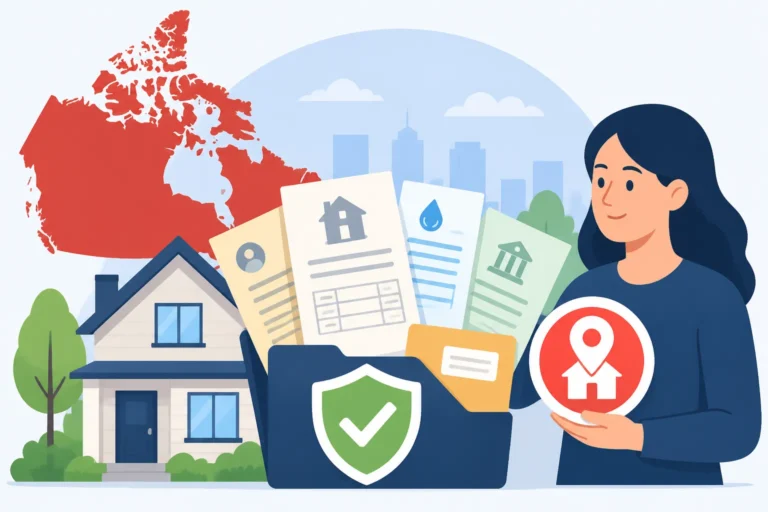
Gathering Essential Documents
From day one, cultivate a habit of meticulous record-keeping. Immigration applications are paper-intensive, and having your documents ready saves immense stress and time.
- Academic Records: Keep all your transcripts, graduation certificates, and the official letter of completion from your DLI.
- Proof of Work Experience: Collect letters of employment from any Canadian jobs (part-time during studies, or full-time on PGWP). These letters should detail your job title, duties, hours worked, and duration of employment. Also, keep your pay stubs and T4 slips.
- Language Test Results: Ensure your IELTS or CELPIP results are still valid (they typically expire after two years) when you apply for PR.
- Passport and Visa/Permit History: Keep your passport up-to-date and have copies of all your Canadian visas and permits (study permit, PGWP, visitor records).
- Proof of Funds: While less critical once you have a job on a PGWP, you might still need to show proof of funds for some PR programs, or at least demonstrate financial stability.
- Police Certificates and Medical Exams: These are required for PR applications, and while you'll get instructions for specific countries, it's good to be aware that they are part of the process.
The better organized you are, the smoother your application process will be. Imagine the relief of having everything neatly filed when you receive that coveted Invitation to Apply! For a full rundown on required documents, check out "How to Get Your Documents Ready for an IRCC Application".
Navigating the Challenges and Important Considerations
While Canada offers many opportunities, it's important to approach the post-study transition with realistic expectations and a clear understanding of potential hurdles.
The Competitive Landscape and Realistic Expectations
Canada is a popular destination, and while your Canadian education and experience give you an edge, the immigration landscape can still be competitive.
- CRS Score Volatility: Express Entry draw scores can fluctuate. There might be periods where scores are higher, making it harder to get an ITA. This is why maximizing every possible point (language, education, work experience) is vital. Don't rely solely on your PGWP experience; continue to upgrade your skills, get promotions, or improve your language scores if needed.
- Job Market Realities: While having a PGWP allows you to work, finding a job in your field that meets the "skilled" criteria for PR can still be challenging, especially in certain regions or industries. Be prepared for a job hunt that might take longer than expected. Sometimes, moving to a different province with more opportunities in your field or through a targeted PNP might be a strategic move. For those considering such a relocation within Canada, or even contemplating a move back home if PR doesn't work out, services like Sirelo can assist with the logistics of moving your belongings.
- Patience is a Virtue: Immigration processes take time. You will likely face waiting periods, whether it's for your PGWP to be processed, for an Express Entry draw, or for your PR application to be finalized. Develop coping strategies for these periods of uncertainty.
It's absolutely critical to stay informed and proactive. Don't just sit back and wait; keep improving your profile, actively search for suitable employment, and explore all possible provincial and federal pathways.
Financial Planning and Legal Advice
Making the transition to permanent resident status involves costs and can be legally complex. Being prepared financially and having access to sound advice is paramount.
- Application Fees and Associated Costs: There are fees for language tests, educational credential assessments (if applicable for foreign education), PGWP applications, and significantly, for permanent residence applications. Factor in legal/consulting fees if you choose to use an immigration representative. You'll also need funds for medical exams and police certificates. These costs can quickly add up, so having a savings plan is crucial. A good overview can be found in "The Cost and Timeline of the Immigration Process in Canada".
- Cost of Living During Transition: Remember to budget for your living expenses (rent, food, utilities, transportation) during your PGWP period, especially if job searching takes time or if your initial salary isn't as high as you hoped. If you have any gaps in employment or are transitioning between jobs, maintaining some financial reserves is wise.
- Professional Immigration Advice: While you can certainly apply for most programs yourself, the Canadian immigration system can be intricate. Consulting a Regulated Canadian Immigration Consultant (RCIC) or an immigration lawyer can provide clarity, ensure your application is complete and error-free, and help you navigate complex situations. They can offer tailored advice based on your specific qualifications and circumstances. Be sure to only use authorized representatives.
Navigating your post-study life and the journey to permanent residence requires diligence, foresight, and resilience. But with careful planning, maximizing your Canadian experience, and staying informed, your dream of staying in Canada after finishing your studies is absolutely within reach.
| Pathway / Program | Primary Requirement for Students | Key Benefit | Typical Duration / Outcome |
|---|---|---|---|
| PGWP | Completion of eligible Canadian program, full-time student status | Gain Canadian work experience | Up to 3 years, non-renewable |
| Express Entry (CEC) | 1 year skilled Canadian work experience (on PGWP) | Fast processing, direct PR pathway | 6 months (after ITA for PR) |
| Provincial Nominee Programs (PNP) | Varies by province, often linked to Canadian education/job offer | Adds 600 CRS points, PR via provincial need | Varies (often 6-12 months for nomination, then 6 months for PR after ITA) |
| Atlantic Immigration Program (AIP) | Graduation from eligible Atlantic institution + job offer | Targeted PR for Atlantic provinces | Varies (often 6 months for PR after endorsement) |
| Rural and Northern Immigration Pilot (RNIP) | Graduation from eligible post-secondary + job offer in participating community | PR for smaller communities | Varies (often 6 months for PR after recommendation) |
Disclaimer
The information provided in this guide is intended for general informational purposes only and does not constitute legal, financial, or immigration advice. While we strive to keep the content up-to-date and accurate, immigration policies and regulations in Canada are subject to change without notice. It is essential to consult official government sources (such as Immigration, Refugees and Citizenship Canada – IRCC) or a Regulated Canadian Immigration Consultant (RCIC) or immigration lawyer for personalized advice regarding your specific situation. Reliance on any information provided in this guide is solely at your own risk.